
Best Affordable Downhill Mountain Bike 2026: A Buying Guide
Disclosure: We may earn a commission when you buy through links on this page, at no extra cost to you. As an Amazon Associate I earn from qualifying purchases. Learn more
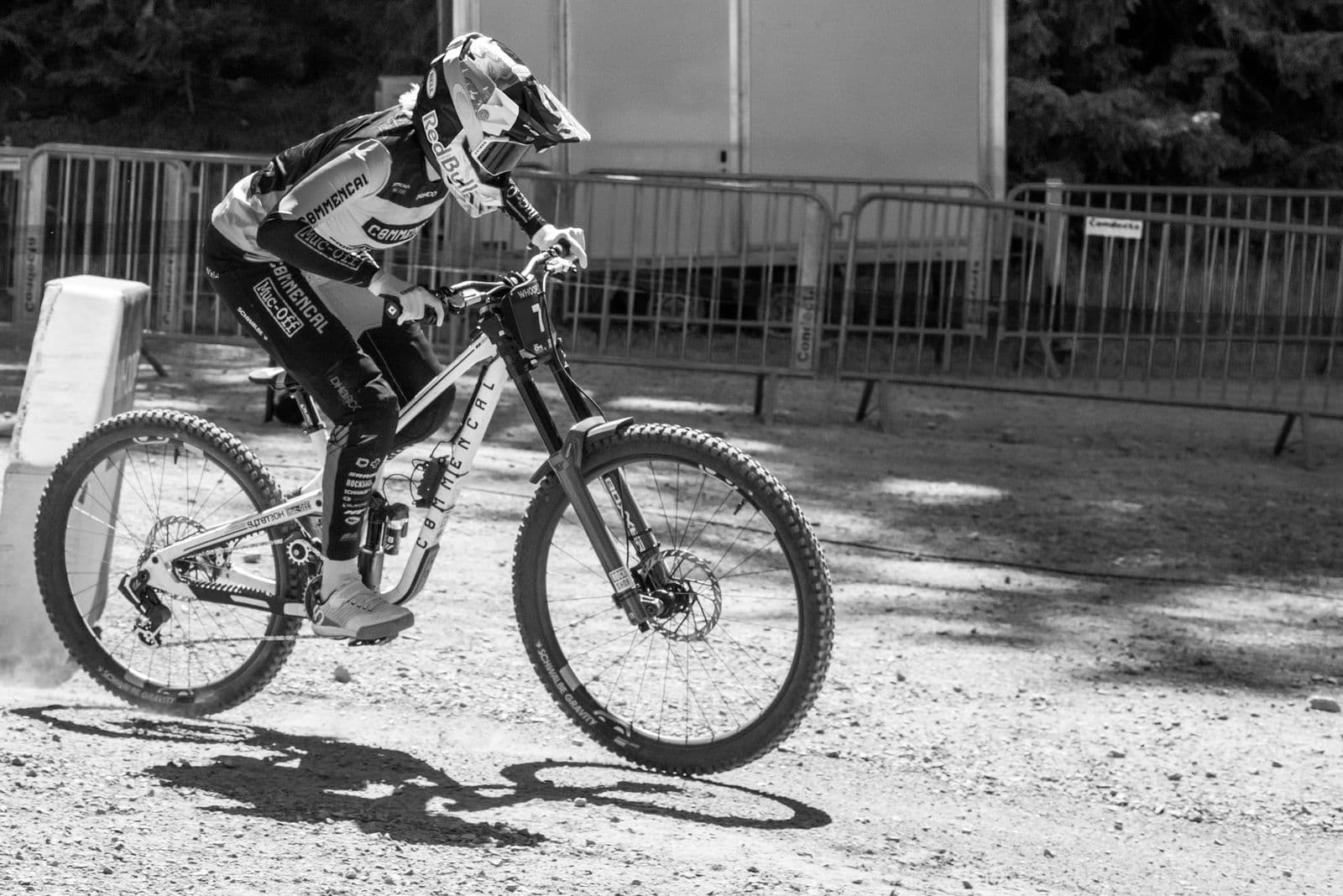
What the best affordable downhill mountain bike needs in suspension, brakes, and frame strength, plus smart ways to save on a budget.
A best affordable downhill mountain bike is harder to find than the search suggests, because true downhill bikes are built for lift-served descents and are priced well above entry level. This guide explains what makes a bike a real downhill machine, what a tight budget can realistically cover, and how to avoid paying for a heavy bike that cannot handle the terrain you have in mind.
Read it as a buyer's primer rather than a shopping list. Understanding travel, brakes, and frame strength first will help you judge any listing you meet, whether it is a new bike, a used one, or a full-suspension trail bike that suits your riding better.
What Makes a Bike a Downhill Mountain Bike
A downhill bike is a purpose-built descender. It has long-travel suspension front and rear, usually around 180 to 200 millimeters, a slack front end for stability at speed, a strong frame and wheels, and powerful brakes. It is heavy and not designed to be pedaled uphill, which is why riders use lifts, shuttles, or bike parks to get to the top.
Many bikes sold as cheap full-suspension mountain bikes copy the look of a downhill bike without the engineering. Short-travel suspension, weak forks, and basic brakes may be fine for gentle trails, but they are not made for jumps, drops, or steep rock gardens. Knowing the difference protects both your budget and your safety.
Who Should Buy One
Bike park regulars
If you ride lifts and groomed descents most weekends, a real downhill bike makes sense. Its stability and braking power are designed for long, fast runs, and you will use the full travel every time.
Trail riders moving to steeper terrain
If you mostly ride mixed trails and only occasionally drop into steep descents, a trail or enduro bike is usually the smarter buy. It climbs well, handles moderate descents, and costs less to run than a dedicated downhill bike.
Riders on a strict budget
Entry-level bikes marketed for downhill riding often compromise on forks, frames, and brakes. If your budget is limited, consider a used bike from a known brand or a quality hardtail, and spend on brakes and tires first.
Key Features Explained in Plain Language
Suspension travel and quality
Travel is the distance the fork and shock can compress. More travel absorbs bigger hits, but quality matters as much as the number. A well-damped 150 millimeter fork beats a flimsy 200 millimeter spring fork that bottoms out and flexes. Look for adjustable rebound and compression and a fork with sturdy stanchions.
Brakes and heat control
Long descents heat brakes quickly. Hydraulic disc brakes with large rotors, ideally four-piston calipers, keep stopping power steady. Cable-actuated or small-rotor brakes can fade badly on steep drops, so treat them as a warning sign on any bike sold for downhill use.
Frame strength and geometry
A slack head angle and a long wheelbase keep the bike calm at speed. The frame should be thick-walled aluminum or carbon with a robust rear linkage. Check the weight limit and be wary of very light bikes at very low prices, since they often save money on strength.
Wheels and tires
Downhill wheels are built with double-wall rims and thicker spokes, and tires have reinforced casings and aggressive tread. Wide tires at lower pressure improve grip on loose ground, and a puncture-resistant casing saves rides.
Spending Smart on a Budget
Put money where it protects you. Brakes, fork quality, and frame strength matter more than lightweight parts or color options. Buying a used bike from a known brand often gives you a better fork and frame than a new bike at the same price from an unknown label.
Budget extra for protective gear, since a full-face helmet, gloves, knee and elbow pads, and a back protector are part of the real cost of downhill riding. Leave room for a first service and spare brake pads too.
Buying Used Versus New
A used bike from a known brand is often the best route to real downhill hardware on a small budget. Ask for service records, check the frame for cracks near the welds and pivots, and look at fork stanchions for scratches or oil leaks. Spin the wheels to check they run true, and squeeze the brake levers to confirm they feel firm.
New bikes bring a warranty and fresh components, which matters if you ride hard. Compare what is included, such as brakes, tires, and pedals, because missing parts add to the real price. Whichever route you choose, confirm the return terms and the frame size before you pay.
Mistakes to Avoid
- Buying on price alone without checking fork travel and brake type.
- Choosing a heavy bike for terrain where you will pedal uphill often.
- Ignoring frame size and reach, which affect control on steep ground.
- Riding without a full-face helmet and pads.
Care and Setup
Check brakes, bolts, and tire pressure before every ride. Clean mud from the fork seals and shock after muddy days, and have the suspension serviced on the maker's schedule. Replace worn brake pads and rotors early, because small faults grow quickly on long descents.
Set suspension sag to the maker's guide for your weight, then adjust rebound until the bike settles smoothly after bumps. Take a short test lap on easy terrain before attempting anything steep.
Related Guides
For related buying guides, see best affordable mountain bike, best downhill mountain bike, best bike for downhill mountain biking, best affordable e mountain bike and best downhill mountain bike brakes.
Frequently Asked Questions
How much does a real downhill bike cost?
New downhill bikes from established brands usually start well above the price of a typical trail bike, and used bikes are the most practical way to save. Very cheap bikes sold as downhill models rarely have the fork, brakes, and frame strength the riding demands.
Can I use a cheap full-suspension bike for downhill?
Not for serious descents. Entry-level full-suspension bikes suit gentle trails and paths. Jumps, drops, and steep rock sections can overload their forks, frames, and brakes, so keep them to terrain they were designed for.
What should I upgrade first?
Brakes and tires give the biggest improvement per dollar, followed by a better fork. Upgrading these on a solid frame is often smarter than buying a new bike.
Do I need special protective gear?
Yes. A full-face helmet, gloves, and pads for knees and elbows are standard at bike parks, and many parks require them. Follow the park rules and the maker's guidance for your gear.
How often should I service the bike?
Inspect it before every ride and service the fork, shock, and brakes on the maker's schedule, or sooner after heavy park days or wet weather.
Final Thoughts: Best Affordable Downhill Mountain Bike
Choosing the best affordable downhill mountain bike comes down to honesty about your riding. If you ride lifts weekly, put money into brakes, fork, and frame strength and consider a used bike from a known brand. If you ride mixed trails, a trail bike or quality hardtail is usually the better buy. Check the fork travel, brake type, and frame strength before you commit, and add protective gear to your budget.


