Best Beginner Cameras for Wildlife Photography in 2026: Matching the Right Model to Your Routine
Disclosure: We may earn a commission when you buy through links on this page, at no extra cost to you. As an Amazon Associate I earn from qualifying purchases. Learn more

The best beginner cameras for wildlife photography combine reach, quick focus and a clean sensor. Compare kits by outing, size, weight and budget.
There is no single camera that suits every new wildlife photographer. A bird in a garden, a deer at the edge of a field and an owl at dusk ask for different reach, speed and light. The best beginner cameras for wildlife photography make those trade offs clear while keeping controls simple enough to learn in the field. Use the comparison table below to match each type to the animals and places you visit most.
Start with your usual outing rather than a wish list trip. Think about how far away your subjects stay, how long you wait, and whether you walk far to reach them. Those answers point to the sensor, lens, autofocus and budget choices explained below.

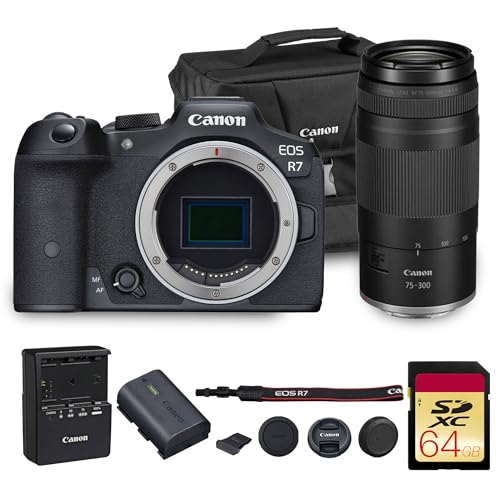


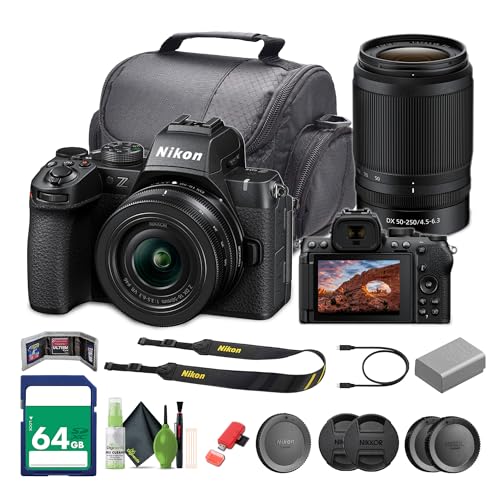

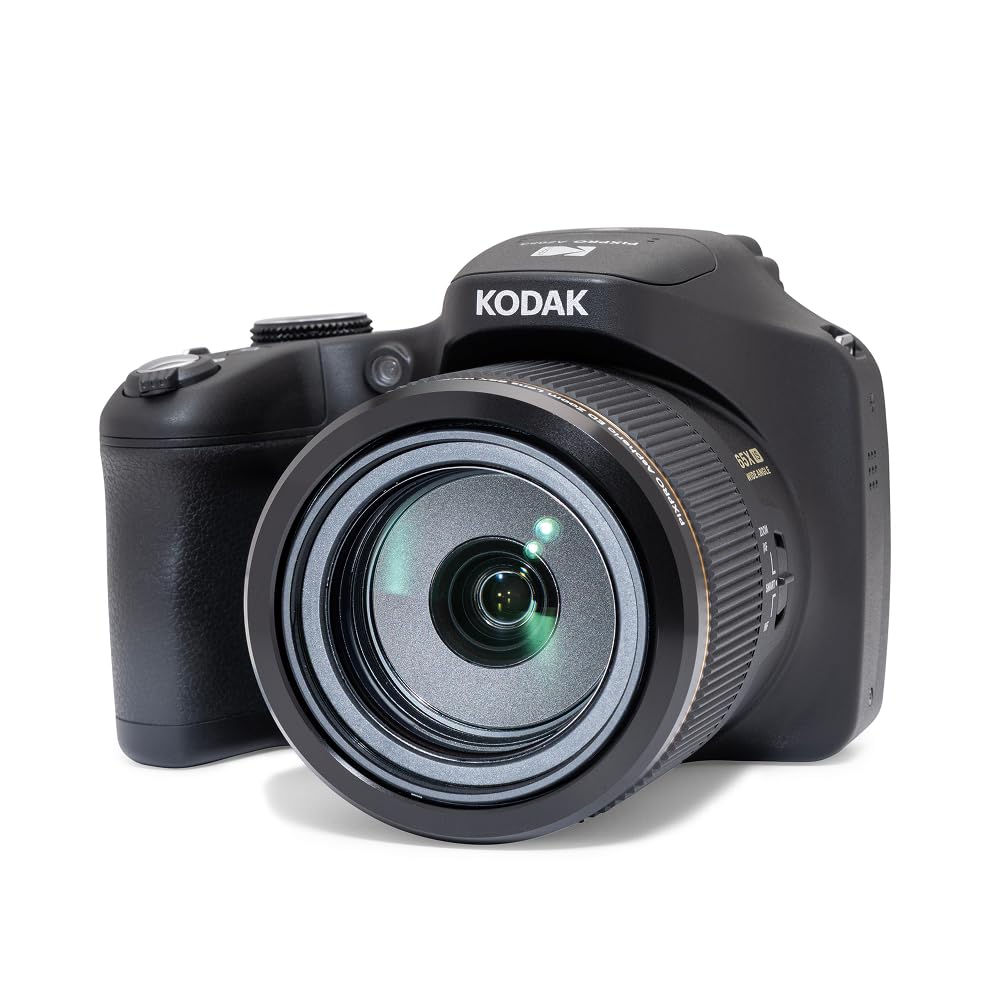

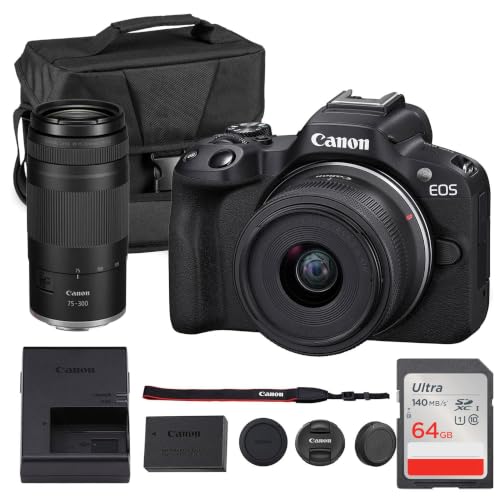
Who Should Buy Which Beginner Wildlife Cameras?
Pick by the outing you repeat most often and by how much control you want to learn first.
Backyard and Garden Bird Watchers New to Cameras
You photograph birds and squirrels at feeders, often from a porch or a window, so distance is short and light is usually fair. Choose a camera with a modest optical zoom, simple auto modes and clear on screen guides. A light body you can keep near the door gets used more than a heavy kit left in a closet.
Walkers and Hikers Who Photograph Deer and Larger Animals
You cover ground to find deer, foxes or waterbirds, so weight and battery life shape your day as much as image quality. Choose a smaller mirrorless body or a compact long zoom model, plus a strap that spreads weight across your shoulder. Look for subject detection that finds animals quickly, since chances often last only a few seconds before cover closes.
Patient Beginners Who Wait at Wetlands at Dawn
You sit near wetlands, hides or field edges when light is low and animals are most active, so stability and patience matter. Choose a larger sensor if your budget allows, a lens you can rest on a bean bag, and controls you can adjust while wearing gloves. Strong image stabilization helps during long waits. A tilting screen helps you watch from a lower position.
Key Features to Compare
Compare these factors in order, so price or zoom claims cannot hide weak focus or poor light handling.
How Sensor Size Affects Wildlife Image Quality
A sensor gathers light, and a larger sensor usually gives cleaner detail at dawn, at dusk and under tree cover. A 1 inch sensor suits bright days and travel light kits. APS C balances size, cost and low light ability for most new users, while full frame gives the most room to crop but needs larger, pricier lenses. Megapixels matter less than light.
Autofocus Speed and Animal Subject Detection
Wildlife moves in short, uneven bursts, so focus speed decides many first outings. Look for animal subject detection and eye focus for birds and mammals, plus a tracking mode that holds a subject as it crosses grass or branches. A simple focus point control matters for beginners, since you can place focus on the animal instead of a bright twig in front.
Reach, Optical Zoom and Telephoto Lenses
Reach decides whether a distant animal fills the frame or becomes a small shape you must crop hard. For interchangeable lens cameras, many beginners start around 100 to 400 mm, and bird work often rewards 400 to 600 mm where budget and weight allow. On fixed lens models, judge optical zoom, not digital zoom. Longer reach also increases magnification, so shake becomes more visible.
Burst Rate and Buffer for Action
A burst takes several frames during one action, such as a heron strike or a deer lifting its head. Around 5 to 10 frames per second suits most beginner subjects, while faster birds in flight reward higher rates if the buffer clears quickly. A deep buffer matters because a camera that pauses after a short burst can miss the next movement. Use short bursts to save card space.
Image Stabilization and Low Light Handling
Image stabilization steadies the lens or sensor to reduce blur from your hands, which helps when light fades and shutter speeds drop. It does not freeze a moving animal, so you still need a shutter speed fast enough for the action. Stabilization is most valuable with long lenses, where even a small tremor moves the frame a long way.
Size, Weight and Weather Sealing for Long Outdoor Sessions
Add up the whole kit, not only the body, since a long lens, a spare battery and a padded bag add real weight. Compact kits suit long walks, while larger grips suit long waits and bigger lenses. Weather sealing helps against drizzle and dust, but add a rain cover in steady rain and dry the kit after use.
Choosing a Beginner Wildlife Camera System by Type
Two main routes serve beginners well. A fixed lens long zoom camera keeps cost and weight down, needs no lens changes in dust or rain, and suits learning composition first. A mirrorless camera with interchangeable lenses costs more and weighs more, but lets you start with one zoom and add reach later as your subjects change.
Judge total cost, not body price alone. Lenses, a spare battery, cards, a padded bag and a simple support often decide whether a kit is ready for the field. This is where the best beginner cameras for wildlife photography separate from general cameras, since the lens plan matters as much as the body. A modest body with the right reach beats a costly body with a short lens.
If you also shoot family scenes while you learn, see our guide to the best photography cameras for beginners for broader first camera advice. Readers planning longer lenses later can see our guide to the best cameras for wildlife photography for a wider category view.
Common Mistakes to Avoid When Buying Cameras for Wildlife Photography
These errors cost money or cause missed chances during your first season outdoors.
- Buying the longest zoom you can find without checking autofocus speed leaves you with distant frames that are large but soft.
- Judging a camera by megapixels alone ignores light gathering, so dawn and dusk photos can look noisy despite a high pixel count.
- Choosing a heavy kit for long walks makes you leave it at home on the days you need it most.
- Spending your whole budget on the body leaves no money for the lens, cards and spare battery the kit needs in the field.
- Ignoring weather sealing for wetland and coastal trips risks damp controls and misted glass during the outings you planned most.
Setup and Care Tips for Beginner Wildlife Cameras
Before a first outing, set the date, format a card in the camera, and practice moving the focus point and changing shutter speed at home. Charge both batteries the night before and pack the camera with the lens attached and capped. Practice in a garden beats menu reading at dawn.
Wipe the lens with a clean lens cloth, not your shirt, since grit on fabric can scratch coatings. Carry a spare battery in an inside pocket in cold weather, and store the kit in a dry, padded bag away from heat. After rain, leave the bag open at home until every part feels dry.
Cameras for Wildlife Photography: Your Questions Answered
What makes a beginner wildlife camera different from a general camera?
A beginner wildlife camera pairs long reach and fast focus with guided help that a general camera may lack. Scene guides and simple tracking menus shorten the learning curve. Check the viewfinder or screen delay too, since a laggy display makes a moving bird hard to follow even when focus is capable.
Is a smartphone enough for beginner wildlife photography?
A smartphone is enough for habitat scenes, tracks and record shots of large animals close by, but it falls short for most wildlife portraits. Phones rely heavily on digital cropping at distance, so feather and fur detail breaks down fast. Use the phone for scouting and notes, then carry a camera on outings where distance is the main barrier.
Which lens reach do beginner wildlife photographers need for birds?
Most beginner bird photographers need at least 400 mm of full frame equivalent reach, and shy or small birds often reward more. Garden birds at a feeder are the exception, since a hide or window can halve the working distance. Better feeder placement near cover can save money.
Which type of beginner wildlife camera handles low light at dawn best?
A larger sensor mirrorless camera with a bright lens handles dawn light best among beginner friendly types. Aperture matters here in a way daylight shooting hides, since a wider opening lets you keep shutter speed up without pushing sensitivity as far. If dawn is your main time, budget for the brighter lens before extra video features.
How much should a beginner spend on a first wildlife camera setup?
Most beginners should plan about $500 to $1,500 for a complete first setup, including the lens rather than the body alone. The lower end suits fixed lens long zoom models, while the upper end opens mirrorless kits with room to grow. Keep about a tenth of the budget for cards, a bag and a spare battery.
Is 4K video useful for beginner wildlife photography?
Yes, 4K video is useful when you want to record behavior, calls and feeding action that a still frame cannot show. It also lets you pull a usable still from a brief moment. Watch heat and card speed on long clips, since some compact bodies pause sooner in warm weather.
Final Thoughts on Beginner Cameras for Wildlife Photography
Start with reach, focus and light, then choose the size and controls you will enjoy learning. Use the product table above to compare kits on those points, and see our guide to the best wildlife cameras for beginners if you want a narrower shortlist for new users. Chosen well, the best beginner cameras for wildlife photography help you notice behavior, wait with patience and come home with sharp, honest frames from your first season.