Best Beer Taps for 2026: A Practical Buying Guide
Disclosure: We may earn a commission when you buy through links on this page, at no extra cost to you. As an Amazon Associate I earn from qualifying purchases. Learn more
Best beer taps for home bars and kegerators: compare style, material, fit, and cleaning needs before you buy.
Choosing the best beer taps starts with how you plan to serve beer at home, not with looks alone. A good tap should give a smooth pour, limit foam, and feel solid every time you pull the handle. The product table can help you narrow the styles before you compare details.
A tap that suits a full home bar may be too much for a small kegerator, while a simple picnic tap may feel limited for regular hosting. This guide compares tap styles, materials, fit, and care so you can match the tap to your space, your keg setup, and your budget.




Who Should Buy the Best Beer Taps
Home Bar Hosts
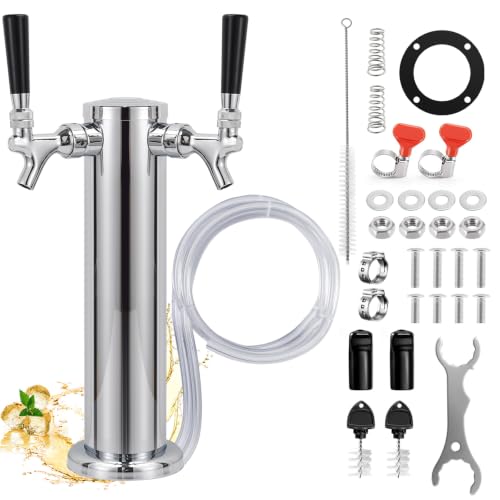
Home bar hosts usually want a tap that looks tidy on a tower and pours consistently for guests. A standard or flow control tap works well here because it gives steady control and pairs with a clean tower setup. Choose a finish that matches nearby fixtures, and check that the tower can support the tap and handle you plan to use.
Kegerator Owners Replacing a Tap
If you already own a kegerator, your main job is fit. Measure the shank, check the thread size, and confirm the tap works with your existing tower or faucet adapter. A direct replacement saves time, while a flow control tap can help if foam has been a recurring problem with your current setup.
Occasional Party Hosts
Occasional hosts may prefer a simple and portable option that is easy to set up and clean after an event. A picnic style tap or a basic faucet can serve well for short gatherings without a permanent tower. Keep the focus on easy cleaning and safe storage, since a tap used only a few times a year still needs care between uses.
Key Features to Compare
Tap Style and Pour Control
Standard taps open and close with a simple lever action and suit most home setups. Flow control taps add a small control that lets you slow the pour, which can reduce foam when serving at higher pressure or with highly carbonated beer. Stout style taps use a special plate to create a creamy head and suit nitrogen served beer, but they are less useful for ordinary carbonated beer. Think about the beer you serve most often before choosing a style that adds controls you may rarely use.
Material and Finish
Stainless steel is a common choice because it resists corrosion and holds up to frequent cleaning. Chrome plated brass can look bright and classic, but the plating needs care to avoid wear in areas that touch beer. Plastic taps are light and low cost, yet they may feel less sturdy and wear sooner with heavy use. For a tap that will see daily use, a solid metal body is usually the safer long term choice.
Size, Fit, and Shank Compatibility
Fit matters more than many buyers expect. Check the shank length for your tower or wall thickness, the thread size at each end, and the space around the tap for the handle you want. A tap that is too short may sit too close to the tower, while one that is too long may look awkward or hit nearby items. Measure before ordering, and keep the measurements with your keg setup notes for later parts.
Ease of Use and Cleaning
A tap should be easy to open, close, and take apart for cleaning. Look for a design with few hidden crevices, clear instructions, and parts that can be rinsed or brushed without special tools. Beer residue left inside a tap can affect taste and cause sticking, so regular cleaning is part of ownership. If cleaning feels like a chore, you are less likely to do it on schedule, so choose a design you will maintain.
Types of Beer Taps
Standard Taps
Standard taps are the familiar lever style found on many home towers. They are simple to use, widely compatible, and easy to replace. They suit buyers who want a reliable pour without extra controls. Their main limit is foam control, since the pour speed depends mainly on line pressure and balance.
Flow Control Taps
Flow control taps let you adjust the pour at the tap, which helps when pressure is high or when you switch between beer styles. They are useful for hosts who serve different beers through one tower and want fewer foam problems. They cost more than standard taps and have an extra control to learn, but the added control can be worth it for frequent use.
Stout Taps
Stout taps are made for nitrogen served beer and create a thick, creamy head through a restrictor plate. They suit buyers who regularly serve stout style beer from a nitrogen mix. They are not a good general purpose choice, because ordinary carbonated beer may pour too slowly or with an odd texture through the same plate.
Portable and Picnic Taps
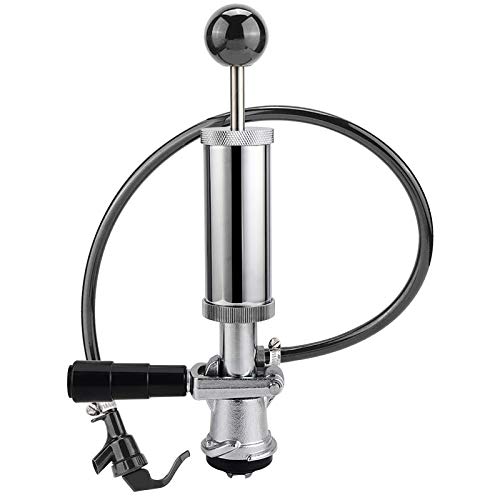
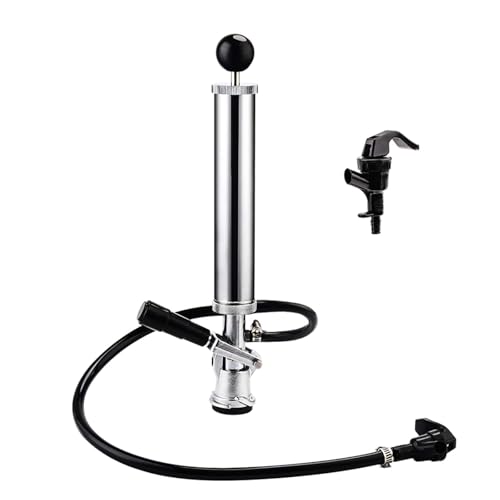
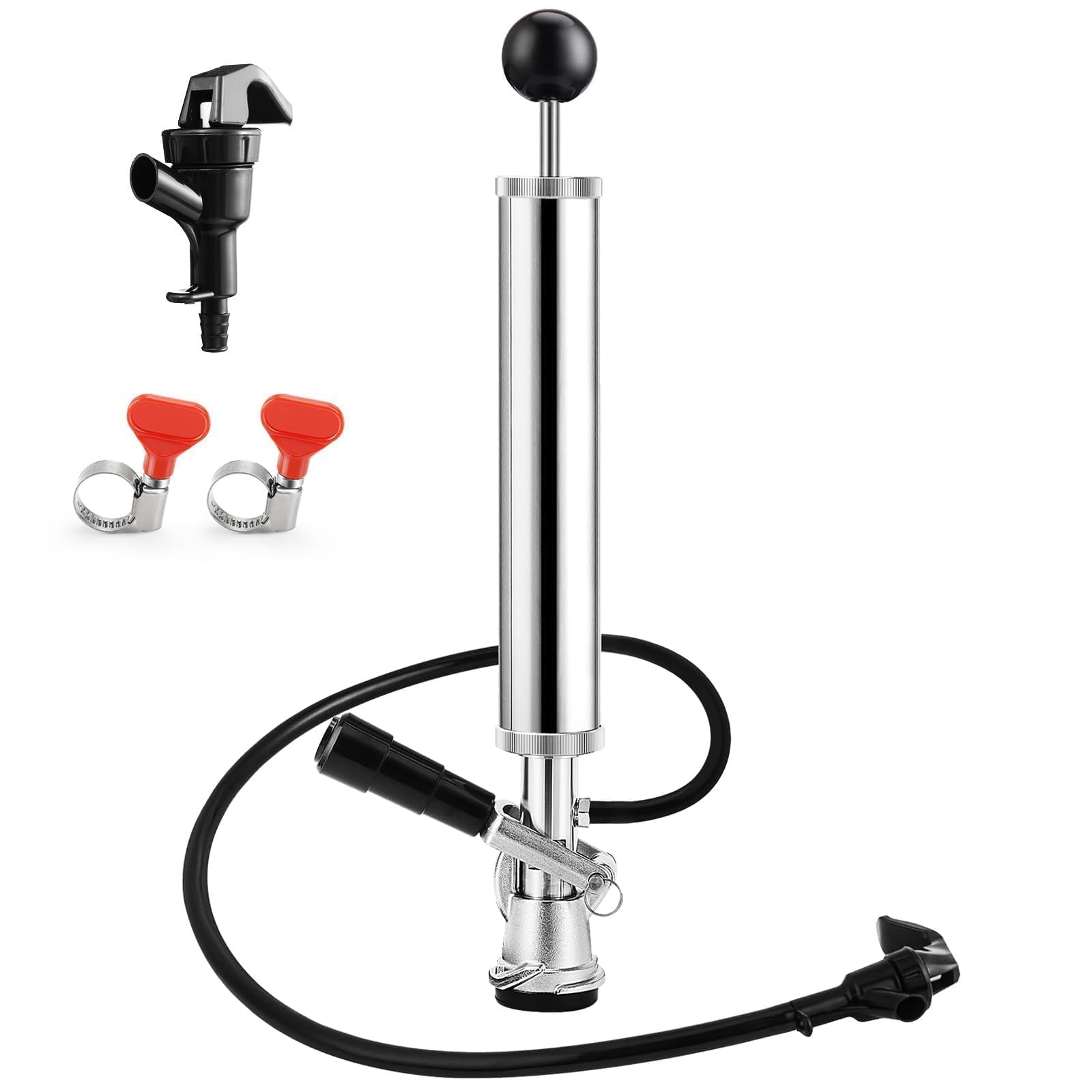
Portable taps connect to a keg with a simple line and are useful for parties, camping, or temporary setups. They are light, low cost, and easy to store. Their limits are a simpler pour, less foam control, and a look that suits casual use rather than a permanent bar. For occasional use, though, their simplicity is a real advantage.
Common Mistakes to Avoid
- Buying for looks alone, then finding the tap does not fit your tower or shank.
- Ignoring line pressure and balance, which can cause excess foam no matter how good the tap is.
- Choosing a stout tap for ordinary beer, which can lead to a slow or uneven pour.
- Skipping cleaning, which can cause sticking, off flavors, and worn seals over time.
- Forgetting handle clearance, so the handle hits a wall, shelf, or nearby tap.
Care, Maintenance, and Safety
Clean the tap on a regular schedule, rinse after use when the maker advises it, and inspect seals and threads for wear. Store spare parts in a dry place, and register the product for warranty if the maker offers that option. Follow the maker installation guidance, check for leaks after setup, and keep beer and serving equipment away from children. Drink responsibly, and serve beer only to adults of legal drinking age.
If you are building a full serving area, see our guide to best beer refrigerators for cold storage that pairs with a tower setup. For serving, our guide to best beer glasses can help you match glass shape to beer style. If you like a classic look at the table, see our guide to best beer mugs for sturdy everyday options.
Frequently Asked Questions
What features matter most when buying a beer tap?
Fit, material, and pour control matter most, because a tap must match your tower, survive cleaning, and pour without excess foam. Start by checking shank size and thread type, then choose a material that suits your use level. Flow control helps if you serve varied beer styles or struggle with foam. A tap that looks good but does not fit or clean well will disappoint quickly, so treat fit and care as equal to appearance.
How much should I spend on a beer tap?
Most buyers can expect to spend about $20 to $80 for a single tap, depending on material and style. Simple plastic or basic metal taps sit at the lower end, while stainless steel and flow control taps sit higher. A full tower setup costs more once you add shanks, lines, and handles. Set a budget for the whole setup, not just the tap, so you do not run short on parts that affect the pour.
Are expensive beer taps worth it?
Expensive taps are worth it when the extra cost buys better material, smoother control, or longer service life for frequent use. A stainless steel flow control tap can make sense for a daily use home bar. For occasional parties, a basic tap may serve just as well and leave budget for lines and cleaning supplies. Match the spend to how often you pour, not to the highest price on the page.
How long does a beer tap last?
A well made metal tap can last many years with regular cleaning and occasional seal replacement. Plastic taps tend to wear sooner, especially with heavy use or harsh cleaning. Signs of wear include sticking, dripping, or a loose handle. Replacing seals early can extend life, while ignoring a small drip can lead to sticky buildup and a larger repair later.
How do I maintain a beer tap?
Follow the maker cleaning schedule, rinse or flush the tap as advised, and brush parts that collect residue. Inspect seals, threads, and the handle connection each time you clean, and replace worn parts promptly. Store the tap dry between long breaks in use, and keep cleaning supplies away from children. A short cleaning routine after each keg change is easier than a deep clean after months of neglect.
Final Thoughts
The right tap is the one that fits your setup, pours the beer you serve most often, and stays easy to clean. Compare style, material, and fit before price, and check the product table above once you know which type suits you. With that choice made, the best beer taps become a simple part of a home bar that serves well for years.