Best Bloody Mary Mixers by Budget: A Buying Guide for 2026
Disclosure: We may earn a commission when you buy through links on this page, at no extra cost to you. As an Amazon Associate I earn from qualifying purchases. Learn more

The best bloody mary mixers by budget: compare cost per serving, tomato base, heat and sodium so the bottle fits your brunch.
Price is the first thing you notice on a shelf of bloody mary mix, and it is a fair place to start, because bottles that look alike range from about $4 to about $20. The best bloody mary mixers justify the step up with a thicker tomato base, seasoning that tastes layered instead of simply salty, and a label that tells you exactly what is inside. Cheaper bottles often lean on water and salt, and that shortcut shows once the ice in the glass starts to melt.
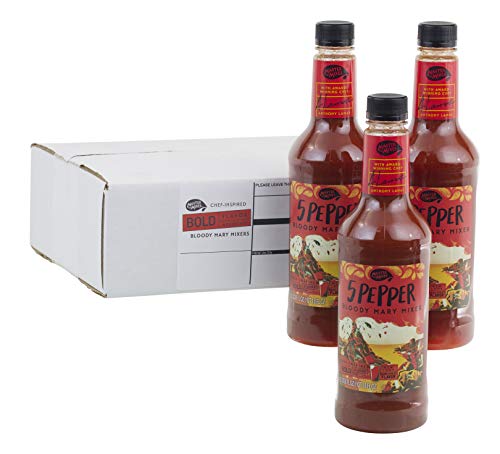
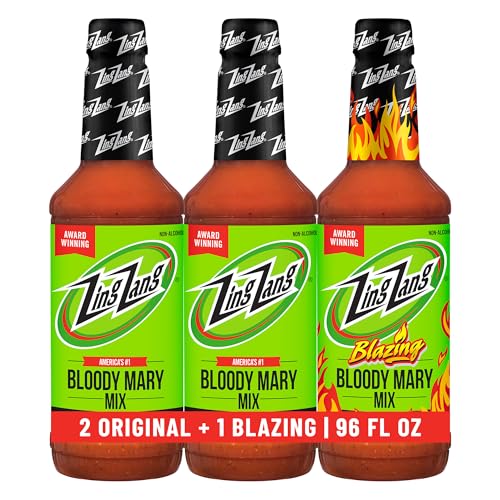
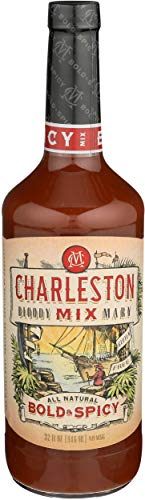
Use the product table to line up bottle sizes and shelf prices against the budget tiers covered in this guide, and judge every bottle by cost per serving rather than the sticker alone. One more thing to know before you shop: nearly every mix on the shelf is a nonalcoholic base that you combine with a spirit at home, while a smaller group of ready to drink bottles contains alcohol and is labeled that way. The buying factors are the same either way, and they begin with the tomato base.





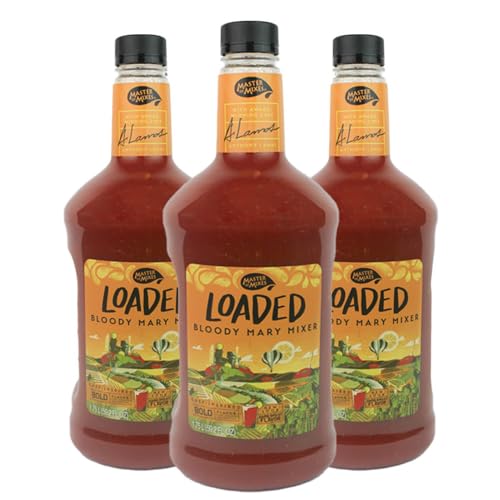
Who Each Budget Band Suits Best
Price bands in this category line up closely with how often you actually make the drink. Start with your habits, then work down to a bottle size and a heat level you will finish while it is still fresh.
The Occasional Brunch Host
If bloody marys appear at your table a few times a year, your main risk is waste, not flavor. An opened bottle has a use window printed on its label, so a large format bottle is poor value for rare use even when the price per ounce looks smart.
Buy one smaller bottle in the midrange band, choose a medium heat so guests with different tolerances can all drink it, and let fresh garnishes do the showing off. A balanced base plus good celery, olives, and pickles reads as generous without a premium bottle behind it.
The Regular Home Bartender
A weekly brunch habit changes the math. Cost per serving matters more than the shelf price, and consistency matters most of all, because you want the drink to taste the same this Saturday as it did last Saturday. Larger midrange bottles suit you, and the same label reading habits apply across the whole home bar shelf, as our guide to the best drink mixers shows for the broader category. Hosts who rotate to citrus drinks in warmer months can also compare the best mixers for margaritas, which reward the same balance of salt, acid, and honest ingredients.
The Heat Seeker Who Seasons Lightly
Some drinkers want the mix itself to carry the whole drink, with little added beyond the spirit and ice. If that is you, the premium band is your shelf, because that is where makers build distinctive heat from cayenne, black pepper, and horseradish in real proportion.
Buy one bottle at a time rather than stocking up, and taste any new mix straight from a spoon before you commit to it in a full glass. A mix that tastes harsh or one note on its own will not improve once it is diluted.
What Your Money Gets You From the Best Bloody Mary Mixers at Each Price Tier
The cleanest way to compare tiers is cost per serving. At about 4 to 5 ounces of mix per drink, a 32 ounce bottle pours roughly seven drinks, so divide the shelf price by the servings before you decide a bottle is expensive or cheap.
Budget Tier: Simple Bottles for Big Batches
Budget bottles run about $4 to $7 each, which works out to roughly $0.60 to $1 per serving. Expect a thinner, tomato juice forward base where salt and black pepper do most of the work and the more expensive seasonings appear in small amounts.
These bottles are a sensible choice for a crowd, because garnishes, extra hot sauce, and a squeeze of lemon at the pitcher can lift a plain base a long way. The trade off is staying power: a thin mix turns watery in the second half of the glass as the ice melts, so serve budget batches cold and pour smaller glasses more often.
Midrange Tier: The Balanced Middle of the Shelf
Midrange bottles run about $7 to $12 each, or about $1 to $1.75 per serving, and this is where most home buyers should land. The base is usually a thicker puree style with real body, Worcestershire sauce and horseradish show up in proportion, and the ingredient list tends to name its spices instead of hiding behind vague flavor terms.
You give up the small batch character of the premium shelf, but you gain a drink that needs almost no doctoring. The same per serving math keeps the rest of a drink budget honest too, including the best mixers for whiskey if your shelf covers evening drinks as well.
Premium Tier: Small Batch Bottles With a Point of View
Premium bottles run about $12 to $20 each, or about $2 to $3 per serving. What the money buys is a base with a distinct style: fresh tasting tomato, smoked salt, a clam and tomato blend in the coastal style, or a pepper blend built for serious heat. Production runs are smaller and the seasoning is usually the maker's own recipe rather than a stock formula.
This tier pays off when the mix is the main flavor of the drink and the glass stays simple, and it stops paying when the upgrade is mostly a heavy glass bottle and a gift box, because packaging adds nothing once the drink is poured.
Features Worth Paying For (and Ones to Skip)
Tomato Base and Thickness
The base decides more than any other factor, and mixes built on tomato puree or a blend of juice and puree taste fuller and coat the ice, while juice only mixes drink lighter and fade faster as the ice melts. Thickness also matters for garnish: a skewer of olives and pickles stands up in a thick mix and slumps in a thin one. Read the ingredient list in order, because the first ingredient is the largest share of the bottle. Tomato listed first is the sign you want; water listed first explains a low price.
Heat and Seasoning Balance
Heat in this category comes from cayenne, bottled hot sauce, black pepper, and horseradish, and horseradish reads as a sharp bite rather than a lingering burn. There is no shared heat scale between makers, so the words mild, medium, and extra spicy on a front label are each maker's own opinion, and one brand's medium can outrun another brand's hot.
Balance is the better check: salt, acid from lemon or vinegar, and savory depth should arrive together. A mix that tastes only salty or only hot is hard to fix in the glass, while a balanced mix can be pushed hotter with two dashes of your own hot sauce.
Reading the Label: Sodium and Ingredients
A bloody mary mix is a seasoned food, and seasoned foods in this category are typically high in sodium, so the label is where honest comparison happens. Check the sodium figure per serving, then check the serving size itself, because labels in this category use different serving sizes and a smaller serving makes the number look smaller. Convert to a per ounce figure before you compare two bottles side by side.
Beyond sodium, a shorter ingredient list with named spices tells you more than a long list of additives, and front label claims carry no standard meaning here, so read the back panel, not the front.
Bottle Size and the Use Window
Size only saves money when the bottle gets finished in time. Unopened mixes keep on the pantry shelf until the date on the bottle, but once opened a mix belongs in the refrigerator and should be used within the window printed on its label. A household that pours two drinks a month will throw away the end of a large bottle, which quietly turns a bargain into the most expensive option on the shelf.
Smaller bottles cost more per ounce and less per finished drink, and a cap that reseals cleanly is worth more than a decorative stopper, because a poor seal shortens the useful life of an opened bottle.
Nonalcoholic Base or Ready to Drink
Most bottles are nonalcoholic bases, with the spirit added by the person pouring in whatever amount suits the drinker, which lets one bottle serve everyone at the table, since a glass without spirits tastes complete on its own. Ready to drink versions include the alcohol, state that clearly on the label with an alcohol content figure, and cost more per serving for the convenience.
The two styles sometimes sit in look alike packaging, so confirm which one you are holding before you pay ready to drink prices for a base. Follow the alcohol labeling on the bottle itself and the local rules where you live for buying and serving.
Long Term Costs and the Homemade Comparison
The mix is rarely the largest cost of the habit. A weekly brunch routine at midrange prices uses roughly a bottle every two weeks, while the garnishes that make the drink feel generous, celery, olives, pickled vegetables, and citrus, often cost more across a season than the mix does. Chilling costs nothing, but waste does: every opened bottle that passes its use window half full is money poured out. Counting cost per finished drink, rather than cost per bottle bought, keeps the real spending visible.
The honest alternative is making your own from tomato juice plus Worcestershire sauce, prepared horseradish, hot sauce, lemon juice, celery salt, and black pepper. A homemade batch costs roughly $0.50 to $1 per serving and tastes bright the day it is made, and you control the salt and heat exactly.
The trade offs are prep time, fridge space for the components, and variation from batch to batch, because a homemade mix depends on your hand each time. Bottled mixes win on consistency and zero prep, which is why many households keep a bottled base for ordinary weekends and make a fresh batch when the occasion earns it.
For a crowd, work in pitcher batches rather than glass by glass. Combine the mix and the spirit in the pitcher without ice, keep the pitcher in the refrigerator, and pour over fresh ice in each glass, because ice melting in the pitcher thins every round after the first. Taste the batch before guests arrive and adjust the heat then, not drink by drink, and remember that one 32 ounce bottle fills a standard pitcher about once, so a party of ten needs two bottles and a garnish plan to match.
Common Mistakes to Avoid
- Buying the largest bottle before tasting a small one, because heat and salt vary widely between makers and a big bottle locks you into a flavor you may not like.
- Trusting the heat words on the front label, since no shared scale exists and one maker's medium can be hotter than another maker's hot.
- Comparing sodium by the serving line alone, when serving sizes differ between labels; compare the per ounce figure instead.
- Keeping an opened bottle for months in the refrigerator door, well past the use window printed on its own label.
- Paying premium prices for packaging and bottle weight while the base and seasoning stay ordinary.
Frequently Asked Questions
How long does an opened bottle of bloody mary mix keep in the refrigerator?
Follow the use within window printed on the label, which for most refrigerated mixes runs a few weeks after opening, and keep the bottle cold and sealed between pours. If the mix smells off, tastes flat and sour, or has been open well past its window, pour it out rather than serving it. Leftover mix near the end of its window freezes well in an ice cube tray, and the cubes drop straight into a future pitcher without thawing a whole bottle.
Do bloody mary mixes contain alcohol?
Most do not. The standard bottle is a nonalcoholic base of seasoned tomato that you combine with a spirit yourself, which is why one bottle can serve a whole table at different strengths, including glasses with no spirit at all. Ready to drink versions do contain alcohol and say so on the front label along with an alcohol content figure, and they are sold under alcohol rules. Check the panel before you buy, and follow the labeling on the bottle and your local rules for serving.
Are premium bloody mary mixes worth the higher price?
They are worth it when the mix itself is the main flavor of the drink, because a thicker base and a distinctive seasoning blend are the things the extra money actually buys. Taste a premium bottle straight before judging it in a full glass, since ice and garnish hide flaws.
If your style runs to heavy garnishes and extra hot sauce of your own, a midrange bottle performs nearly as well for less. The premium price should show up in the ingredient list, not only in the packaging.
How can I make a bottled mix taste fresher at home?
Start cold: chill the bottle itself, not just the glass, because a cold mix needs less ice and melts less as you drink. A squeeze of fresh lemon juice, a few grinds of black pepper, and a dash of hot sauce wake up a plain midrange bottle in seconds. For a finishing touch, run a lemon wedge around the rim of the glass and dip the rim in celery salt, which adds aroma before the first sip. These small steps lift a budget bottle more than a price jump usually does.
How much mix should I plan for each drink?
Plan on about 4 to 5 ounces of mix per drink, with the spirit added to taste, so a 32 ounce bottle pours about seven drinks and a 1 liter bottle pours a few more. For a brunch of eight people, buy two bottles rather than one, because second glasses are common with this drink and an unopened spare keeps on the shelf for the next occasion. Planning by servings also keeps the budget honest, since cost per drink is the number that decides which tier fits your routine.
Can I cook with leftover bloody mary mix?
Yes, and cooking is the best rescue for the end of a bottle. A seasoned tomato base works anywhere tomato and spice already belong: simmer it into chili or a pot of beans, stir a splash into rice as it cooks, or use it as part of the liquid in a slow cooked stew.
Heat softens the fresh tomato brightness, so add a squeeze of lemon at serving time to wake the flavor back up. Freezing leftovers in an ice cube tray makes this easy to do a few cubes at a time.
Final Thoughts
Choose on three things: a tomato base thick enough to stand up to melting ice, seasoning balanced enough to drink without heavy doctoring, and a cost per serving that fits how often you pour. On those measures, the best bloody mary mixers are rarely the loudest bottle on the shelf, just the most honest one. Compare your shortlist in the product table above, buy one small bottle first, and step up a tier only when the flavor in the glass tells you the money is well spent.