Best Beer Dispensers for 2026: A Smart Spending Guide
Disclosure: We may earn a commission when you buy through links on this page, at no extra cost to you. As an Amazon Associate I earn from qualifying purchases. Learn more

Compare the best beer dispensers by type, cooling, capacity, and running costs, and see where extra spending adds real value at home.
Choosing the best beer dispensers starts with how you actually serve drinks at home, not with the largest unit you can fit in a room. A compact countertop unit can suit a small household, while a larger cooled unit makes more sense when friends visit often and several rounds are poured in one evening. Use the product table to weigh size, cooling style, and capacity side by side before you settle on a spending level.
Price alone tells only part of the story, because gas, lines, cleaning supplies, and electricity shape total ownership cost. This guide compares dispenser types, features, and spending levels so you can match the design to your space, serving habits, and budget.




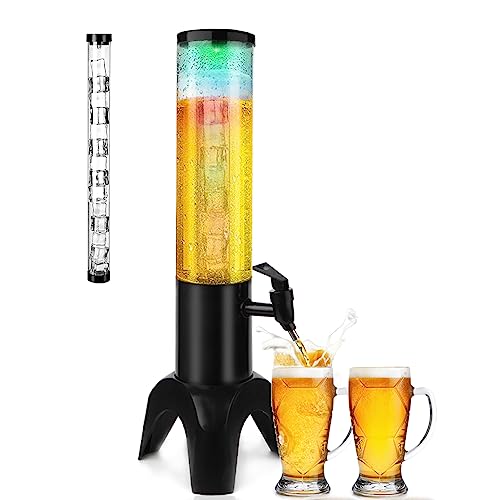

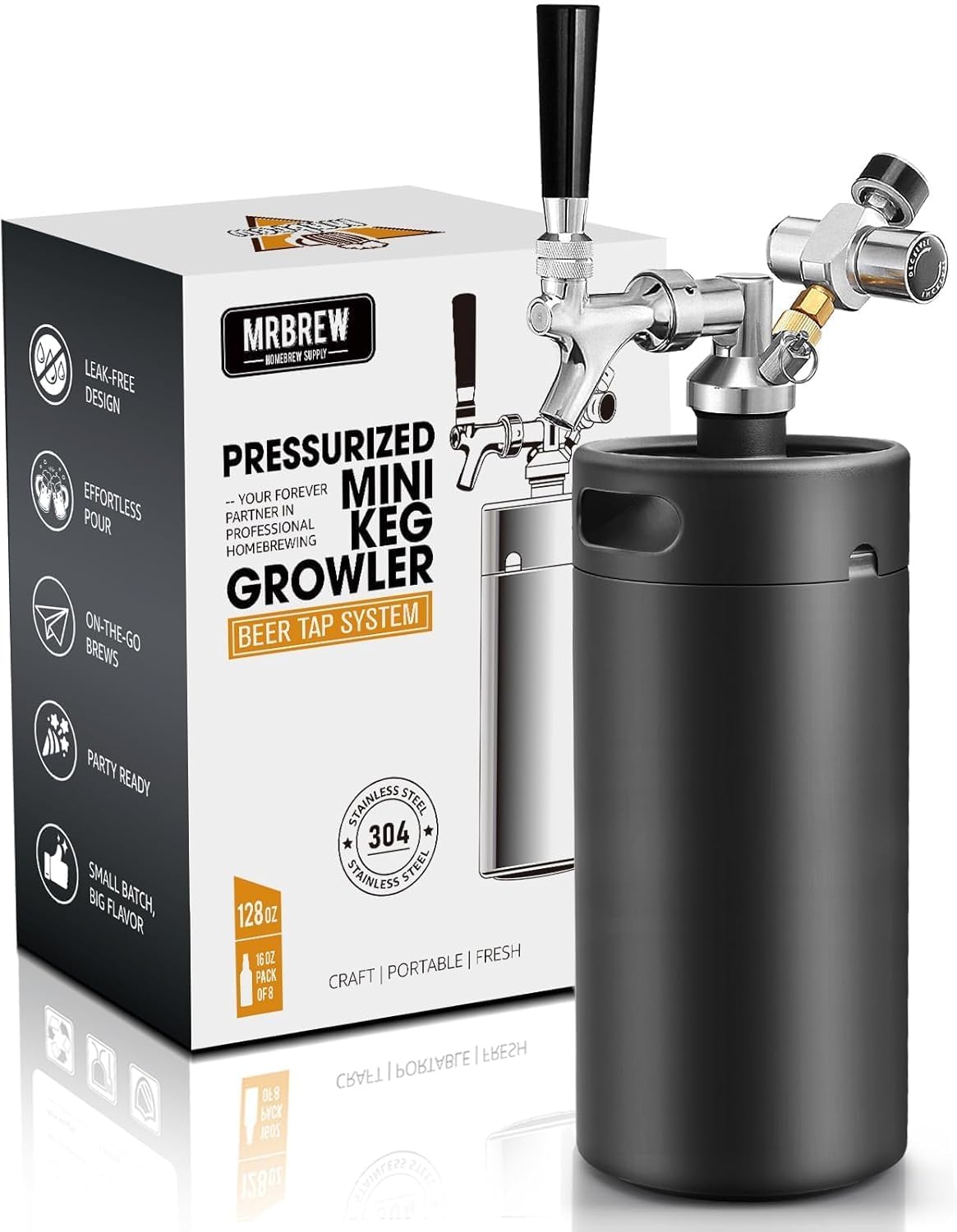
Who Should Buy the Best Beer Dispensers
Casual Weekend Hosts
Casual weekend hosts usually pour drinks for a small group and value simple setup, easy storage, and a unit that can be put away between gatherings. A compact dispenser with a modest capacity keeps the footprint small and limits the amount of drink left over after a quiet evening. Look for a design that chills quickly, pours without excess foam, and cleans in a few straightforward steps. If you host only a few times a month, paying for a large capacity or a second tap rarely adds value.
Frequent Home Entertainers
Frequent home entertainers need steady cooling, a capacity that covers a full evening, and controls that stay simple when guests are waiting. A mid sized unit with reliable temperature control helps each pour taste consistent from the first glass to the last. A sturdy tap and an easy to empty drip tray also help during a busy evening. Choose a unit that matches the number of guests you usually serve, not the largest crowd you might serve once a year.
Dedicated Home Bar Builders
Dedicated home bar builders want a dispenser that fits a planned bar area, matches other serving equipment, and handles regular use without frequent adjustment. Capacity, cooling power, and line quality matter more here, because the unit may run for long evenings and serve a wider range of drinks. A well built cabinet, a stable temperature range, and parts that can be replaced without special tools help the setup stay practical over time.
What Your Money Gets You at Each Spending Level
Modest Spending: Simple and Compact
At a modest spending level, expect a compact unit with basic cooling, a single tap, and a straightforward pour. Prices often fall at about $150 to $350, depending on size and cooling method. These units suit small households and occasional hosts, but they may chill more slowly. Check the capacity carefully, because a small unit can run out early during a larger gathering, and see our guide to best beer glasses for serving glassware.
Comfortable Middle Spending: Steady Everyday Serving
At a comfortable middle spending level, expect steadier cooling, a larger capacity, and a sturdier tap and drip tray. Prices often fall at about $350 to $700, depending on capacity and build. These units suit frequent hosts who want consistent pours without moving into a full bar setup. Cleaning access is usually better, which matters with weekly use.
Higher Spending: Larger Capacity and Stronger Build
At a higher spending level, expect a larger capacity, stronger cooling, and a heavier build that handles long evenings with less strain. Prices often start at about $700 and can rise well above that level for larger or more polished designs. These units suit dedicated home bars and frequent gatherings, where steady temperature and durable parts justify the extra cost.
Features Worth Paying For and Ones to Skip
Maintenance and Long Term Costs
Maintenance is one of the most useful features to weigh, because a dispenser that is hard to clean will be used less and may develop stale flavors. Look for lines that can be flushed easily, a tap that comes apart without special tools, and a drip tray that lifts out for washing. Ask how often lines, seals, and filters need replacement, and add those costs to the purchase price. A simple cleaning routine protects flavor and helps the unit last longer.
Intended Use and Who It Is For
Intended use should shape every other choice, because a unit for quiet evenings and a unit for large parties face different demands. Small households benefit from compact size and low running costs, while frequent hosts benefit from capacity and steady cooling. Match the design to the most common serving situation, not the most dramatic one.
Ease of Use and Setup
Ease of use covers the first pour as well as the tenth, so controls should be clear and the tap should feel stable in the hand. A simple setup routine, clear instructions for connecting gas and lines, and a temperature control that is easy to read all reduce mistakes. Avoid designs that require awkward lifting or confusing adjustments just to change a keg or clean a line.
Price Against Value
Price against value means comparing what each spending level adds, not simply choosing the lowest price or the most expensive design. A modest unit can offer strong value for occasional use, while a middle level unit can offer better cooling and durability for weekly use. Higher priced units add value mainly through capacity, build, and steady temperature, not through extra features that go unused.
Build Quality and Materials
Build quality shows up in the tap, the cabinet, the drip tray, and the seals, because these parts face repeated use and regular cleaning. A solid tap pours smoothly and resists wobble, while a well sealed cabinet holds temperature and limits condensation. Stainless steel parts often clean more easily than rough plastic parts, but the finish matters less than fit and access for maintenance. For tap options, see our guide to best beer taps.
Long Term Costs to Factor In
Long term costs include gas refills, replacement lines and seals, cleaning supplies, and electricity for cooling. Gas use depends on how often you pour and how well the system seals, so a small leak can quietly raise costs over time. Cleaning kits and replacement parts add a modest annual cost, but skipping cleaning can lead to stale flavor and more expensive repairs. Add these running costs to the purchase price when you compare spending levels, and see our guide to best beer refrigerators for cold storage.
Warranty terms also shape long term value, because coverage for cooling parts, taps, and seals can vary widely. Read what the warranty covers, how long it lasts, and whether service requires shipping a heavy unit away from home. A clear warranty and available spare parts often matter more than a slightly lower purchase price.
Frequently Asked Questions
What features matter most when buying beer dispensers?
Cooling stability, capacity, tap quality, and easy cleaning matter most, because they shape every pour and every maintenance session. A unit that holds temperature well produces less foam and a more consistent taste, while a sturdy tap reduces drips and wobble. Capacity should match your usual gathering size, and cleaning access should be simple enough to use after each event.
How long does a beer dispenser last?
A well maintained beer dispenser can last several years, but lifespan depends on build quality, frequency of use, and care of seals and lines. Regular cleaning, careful handling of taps, and prompt replacement of worn seals help prevent flavor problems and leaks. Units used every week need more frequent checks than units used a few times a year.
How much should I spend on a beer dispenser?
Spending depends on how often you serve drinks and how many guests you usually host. Occasional hosts often find a modest unit at about $150 to $350 sufficient, while frequent hosts may benefit from a middle level unit at about $350 to $700. Higher spending makes sense mainly for a dedicated home bar or very frequent use.
Are expensive beer dispensers worth it?
Expensive beer dispensers are worth it when the extra capacity, cooling power, and build quality match frequent use. A dedicated home bar owner who pours often will notice steadier temperature and sturdier parts more than an occasional host will. For quiet households, the same money may buy better glassware and a simpler unit with lower running costs.
How do I maintain a beer dispenser?
Maintain a beer dispenser by flushing lines after use, washing the drip tray, and checking seals for wear on a regular schedule. Follow the manufacturer's instructions for cleaning solutions and drying time, and never leave old drink sitting in lines for long periods. Inspect gas connections for leaks and replace worn parts promptly, because small problems can affect flavor.
Final Thoughts
The right choice balances capacity, cooling, cleaning, and total cost, not just the purchase price. Occasional hosts can do well with a compact unit, frequent hosts benefit from steadier cooling, and dedicated home bar builders gain from durable parts and larger capacity. Use the product table above to compare designs side by side, then choose the spending level that fits your space and serving habits. For adults of legal drinking age, enjoy drinks responsibly and keep the unit out of reach of children.
When you are ready, revisit your usual gathering size and your cleaning routine before you order. A unit that fits your space, pours smoothly, and cleans easily will serve you better than a larger unit that feels like a chore. That practical fit is the best guide to the best beer dispensers for your home.