Best Beer Mugs: A First Time Buyer's Guide for 2026
Disclosure: We may earn a commission when you buy through links on this page, at no extra cost to you. As an Amazon Associate I earn from qualifying purchases. Learn more

Best beer mugs made simple: learn how size, material and handle comfort differ so you can pick a set for your table and freezer.
If you are buying the best beer mugs for the first time, the range of shapes, sizes and materials can make a simple purchase feel complicated. The product table lays out the main mug types side by side, so you can see how a heavy glass stein differs from a light insulated mug before you spend anything.
This guide starts with the basics, explains each specification in plain English, and finishes with the mistakes new buyers most often make. By the end you will know which capacity, material and handle style suits your drinks, your storage space and your budget, and which care habits will keep your mugs looking good for years.




Best Beer Mugs 101: The Basics
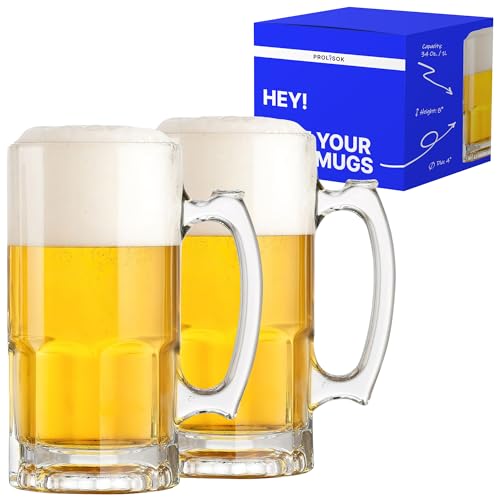
A beer mug is a sturdy drinking vessel with a handle, made to hold a generous serving while keeping your hand off the cold body of the mug. Traditional steins are tall and heavy with a thick base, while modern mugs range from slim glass tankards to double wall insulated cups. The handle matters more than many buyers expect, since a comfortable grip makes a full mug easy to lift and carry without warming the drink.
Capacity is the first choice to settle. Smaller mugs near 12 ounces suit lighter servings and smaller hands, while 16 ounce mugs match a standard pour and 20 ounce mugs suit long evenings and larger servings. A mug that is too large for your usual pour will look half empty and warm faster, while a mug that is too small will foam over at the table. Check the capacity in ounces rather than trusting words like large or jumbo, since those labels vary a lot between makers.
Material shapes weight, feel and care. Glass shows the color and foam of the drink and suits most tables, ceramic holds a classic pub look and feels solid in the hand, and stainless steel keeps drinks cold longer and survives drops that would break glass. Wooden mugs look distinctive but need hand washing and regular oiling, while plastic mugs suit outdoor use where breakage is a real risk. Each material has a place, and the best choice depends on where and how often you will use the mugs.
Key Specs Explained in Plain English
The specifications below sound technical, but each one answers a simple question about daily use. Read them in order and note which factors matter most in your home. A household that hosts often needs different mugs than a single drinker who wants one favorite mug for quiet evenings, and the right balance will save you both money and cupboard space.
Material and Food Safety
Look for food safe materials and a finish that will not flake into a drink. Glass and ceramic are simple and easy to judge, while stainless steel in an 18/8 grade resists rust and keeps a clean taste. Silicone grips and seals should be food grade, and plastic mugs should be free of BPA. If a mug has a painted design, check whether the maker says it is safe for food contact and whether it survives washing without fading.
Temperature Handling and Safe Washing
Temperature handling covers both cold retention and safe washing. A thick glass or double wall mug keeps a drink cold longer, while a thin mug warms quickly in a warm hand. Freezer safe mugs can be chilled before serving, but a mug with a sealed gel core needs its own care guidance, and sudden temperature changes can crack ordinary glass. Wash according to the maker guidance, since harsh heat and strong detergents can dull prints and weaken seals over time.
Storage and Space Saving
Count your cupboard space before you buy a set. Tall steins need high shelves, wide handled mugs need room between hooks, and a set of six can fill a whole shelf fast. Stackable mugs save space but can chip if stacked carelessly, while hanging mugs on hooks keeps them visible and easy to grab. If you plan to chill mugs, check that your freezer shelf fits the height and the handle, since a mug that does not fit the freezer is a mug you will rarely chill.
Durability and Build
Durability comes from thickness, joint quality and finish. A thick base resists tipping, a firmly attached handle survives daily lifting, and a smooth rim feels better and chips less often. Glass mugs chip at the rim if knocked against a hard sink, ceramic mugs can crack if dropped, and stainless steel mugs dent but rarely break. Inspect the handle joint and the rim when a mug arrives, and retire any mug with a crack or a sharp chip rather than risking a cut.
Value per Piece
Value per piece means the price of one mug, not just the price of the set. A set of four at about $40 works out to about $10 per mug, while a single hand finished stein at about $30 may still be good value if it becomes your daily favorite. Compare like with like, since a thin mass produced mug and a thick hand finished mug are not the same product at different prices. A mid range set often gives the best balance of looks, durability and care effort for most homes.
Comfort and Ergonomics
Comfort decides whether you actually enjoy using a mug. A handle should fit at least two fingers with room to spare, the mug should balance when full rather than tipping forward, and the weight should feel solid without tiring your wrist. Try the feel in your hand if you can, and think about who else will use the mugs, since a heavy stein that suits one person may strain another. A comfortable mug gets used often, while an awkward one stays in the cupboard.
For chilled serving, a mug made for the freezer changes the experience, and our guide to the best beer mugs for freezers explains which designs chill safely. If you also want a mug that keeps drinks cold on a long outing, the best insulated mug guide covers double wall designs in more depth. For pairing mugs with matching glassware at the table, see our guide to the best beer glasses for shapes that suit different drink styles.
Rookie Mistakes to Avoid
- Buying by looks alone. A striking mug with a cramped handle or a thin rim disappoints fast, so check capacity, weight and handle fit before you fall for the design.
- Ignoring the washing guidance. Dishwasher heat can fade prints and weaken seals, so confirm which mugs are dishwasher safe and which need hand washing.
- Choosing the wrong capacity. A mug far larger than your usual pour wastes foam and warms fast, so match capacity to the servings you actually pour.
- Forgetting storage space. Tall steins and wide handles need real shelf room, so measure your cupboard before you order a large set.
- Keeping chipped mugs in use. A chip at the rim can cut a lip and is hard to clean properly, so retire damaged mugs promptly.
Getting Started: Setup and First Use
Wash new mugs before first use, following the maker guidance for the material. Glass and ceramic mugs usually welcome a warm soapy wash, stainless steel mugs need a rinse and a dry to avoid water spots, and wooden mugs need hand washing followed by thorough drying. Oil wooden mugs monthly if the maker advises it, since dry wood can crack and absorb odors.
Try one mug before you commit the whole set to a routine. Chill it if you plan to serve cold drinks, pour your usual serving, and check the foam level, the handle comfort and the weight when full. Note which shelf or hook holds it best, and keep the packaging until you are sure the set suits you. A little care at the start prevents a cupboard full of mugs nobody reaches for.
Follow the maker food and care guidance for every material in the set, and keep drinks enjoyable and responsible. Enjoy beer in moderation, never serve alcohol to anyone under the legal drinking age, and keep glass mugs away from small children where breakage could cause cuts. Store mugs where they will not fall from a high shelf.
FAQs
How long do beer mugs last?
Beer mugs can last many years when the material suits the way you use them. Glass and ceramic mugs last longest when they avoid knocks and sudden temperature changes, while stainless steel mugs often outlast both in daily use. Wooden mugs need regular oiling and gentle washing to reach a similar lifespan. Retire any mug with a crack, a loose handle or a sharp chip, since damage shortens safe life more than age alone.
Is a full set better than buying pieces?
A full set is better when you host often or want matching mugs for the table, since sets usually cost less per piece and look consistent. Buying single pieces is better when you want to try a style, replace a broken mug or build a mixed collection over time. Consider storage too, since a set of six needs far more shelf space than two favorite mugs. Start with a small set if you are unsure, and add pieces once you know which style you reach for most.
Are beer mugs dishwasher safe?
Some beer mugs are dishwasher safe and some are not, so the answer depends on the material and the finish. Plain glass and sturdy ceramic mugs often survive the dishwasher, while printed designs, wooden mugs, gel core mugs and delicate finishes usually need hand washing. Check the maker guidance on the base or the packaging before the first wash, and place mugs so handles do not knock against other items. Hand washing is the safest choice when you are unsure.
What material is safest for food?
Glass, ceramic and 18/8 stainless steel are widely regarded as safe food contact materials when they are free of cracks and damaged coatings. Food grade silicone seals are also safe when intact, and plastic mugs should be free of BPA and rated for food use. Avoid mugs with flaking paint inside the drinking area, and wash all mugs before first use. If a coating peels or a mug smells strongly after washing, stop using it and replace it.
Do beer mugs need a handle?
Beer mugs do not strictly need a handle, but a handle makes a cold full mug far easier to hold without warming the drink. Handle free glasses suit smaller servings and a more modern table, while a sturdy handle suits larger servings and long evenings. If you choose a handle, check that it fits your fingers comfortably and balances the mug when full. A handle that is too small or too close to the body can make a heavy mug awkward to carry.
The Bottom Line
The right beer mug is the one that fits your usual pour, feels good in your hand and survives your washing routine. Focus on capacity, material and handle comfort first, then let looks and set size decide between close contenders. A careful first try, with a chilled mug and a normal pour, will tell you more than any listing photo.
Use the best beer mugs checklist in this guide as you compare options, and look over the product table once more before you order. A mug that matches your drinks, your storage and your care habits will earn its shelf space far better than the most striking mug that never leaves the cupboard.