
Best Bedspreads and Quilts: Types Compared and How to Choose for 2026
Disclosure: We may earn a commission when you buy through links on this page, at no extra cost to you. As an Amazon Associate I earn from qualifying purchases. Learn more

Compare the best bedspreads and quilts by type, with pros and cons, ideal users, and price range explained clearly.
Bedspread, quilt, coverlet, and comforter are often used as if they mean the same thing, and that confusion leads to many returns. A bedspread usually covers the whole bed and falls toward the floor, while a quilt is a stitched layered blanket that sits on top with a shorter drop. This guide to the best bedspreads and quilts compares the main material types clearly, so you can match warmth, care, and drape to your room and your sleep style.
Use the comparison table below for a quick view of sizes and prices, then read the type by type sections for the details that photos cannot show, such as breathability, weight, and how each fabric ages after washing.


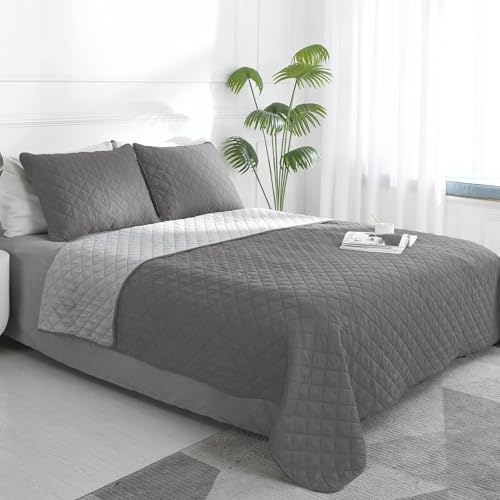
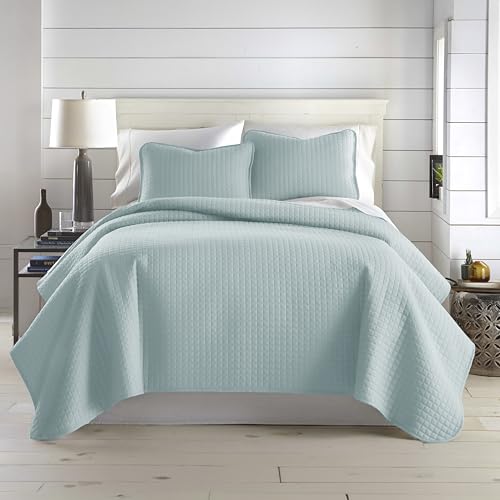
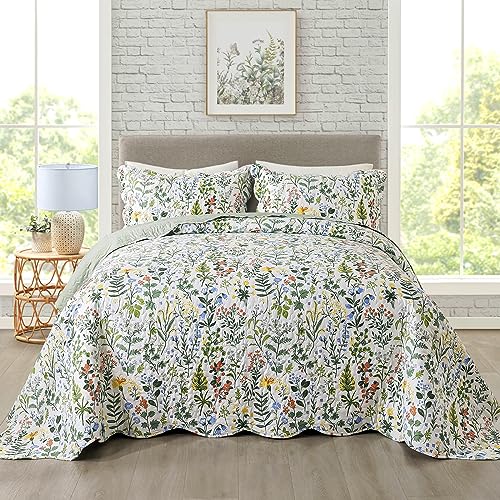

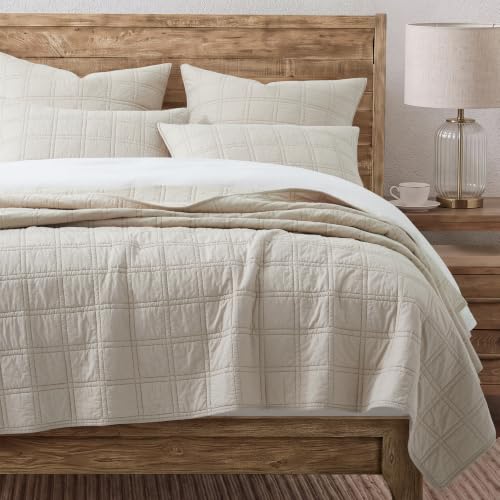

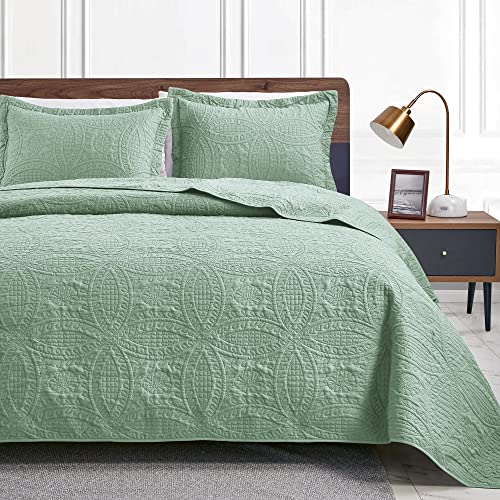
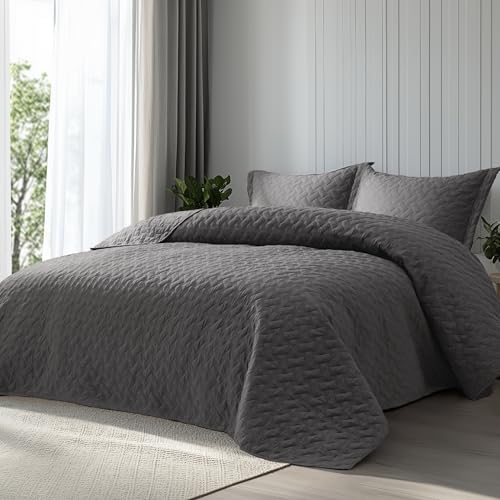
Types of Bedspreads and Quilts Compared
Material decides most of what you will feel. It sets the weight on your body, how warm the layer sleeps, how it drapes over the corners of the bed and how much work washing day becomes. The three families below cover most of the market.
Cotton in Percale and Sateen
Cotton is the most versatile choice for bedspreads and quilts. Percale weave feels crisp, matte and cool, much like a classic hotel sheet, and it breathes well for warm sleepers. Sateen weave feels smoother and slightly warmer, with a soft sheen that suits formal bedrooms. Cotton quilts with cotton or down alternative fill wash easily, come in every size and color, and span the widest price range, often about $40 to $150. The trade off is durability at the lowest prices, where thin fabric and loose stitching can pill or tear after repeated washing.
For workmanship focused shoppers, see our guide to the best quality quilts to learn which stitch patterns and binding methods hold up longest.
Linen
Linen is woven from flax and prized for airflow, moisture handling and a relaxed drape that softens with every wash. A linen bedspread or quilt cover feels cool in summer, layers well in winter and hides wrinkles as part of its natural texture, which makes the bed look inviting without daily fussing. Linen suits hot sleepers and humid climates. Its limits are price and initial feel: good linen costs more than basic cotton, feels slightly coarse at first and can shrink if washed hot or dried on high heat.
Microfiber and Polyester Blends
Microfiber quilts and bedspreads are the budget favorite. They are soft from the first night, resist wrinkles, dry quickly and come in many colors, often for $30 to $80. They hold more heat than cotton or linen, so they suit cooler rooms and guest beds better than hot sleepers, and the surface can pill after many washes.
Cotton vs Linen: Which Should You Choose?
For breathability, linen wins clearly, because air passes through the weave and moisture dries fast. For ease of care and price, cotton wins, since it washes at home with normal settings and costs less. For looks, linen falls in soft natural folds, while cotton quilts hold a flatter, more structured shape. Choose linen if your main goal is a cool, attractive top layer for daily use, and cotton if you want a practical quilt that survives frequent washing.
How to Choose the Right Bedspread and Quilt
Firmness and Loft and Sleep Position
Loft is the thickness and puff of the layer, and it changes how the bed feels for each sleep position. Side sleepers often like a medium loft quilt that drapes into the curve at the waist instead of bridging over it. Back sleepers suit almost any loft, so they can choose by temperature. Stomach sleepers usually prefer low loft, because a thick layer bunched near the face and chest feels hot and heavy. Body weight matters too. A heavy high loft quilt can feel comforting to one sleeper and oppressive to another in the same bed.
Cooling and Breathability
Hot sleepers should start with breathable natural fibers and moderate fill weight. Linen and cotton percale let heat and moisture escape, while dense synthetic fills and high thread count covers can trap warmth. Thread count is not the whole story. A very dense weave blocks airflow no matter how fine the yarn feels. Gel and cooling treatments on bedding wear off with washing, so fiber and weave choices give more lasting relief. If you sleep hot as a couple, a lighter quilt plus a separate throw for the colder partner often works better than one heavy layer.
Durability and Care
Check stitching first. Closely spaced quilting keeps fill from shifting into lumps, and bound edges resist fraying better than simple folded hems. Confirm the piece fits your home machine or accept dry cleaning costs in your budget. Cotton and down alternative quilts usually wash most easily, linen needs gentle cycles and low heat, and heavy filled pieces may need a commercial machine. A sleep trial or generous return window helps for online orders, because drape and weight are hard to judge from photos alone. Certifications such as OEKO TEX on fabrics add confidence about chemical finishes.
Size and Fit
Measure your mattress width, length, and depth before ordering, then decide how much drop you want on each side. A true bedspread is sized to reach near the floor and cover pillows, so it runs much larger than a quilt in the same bed size. A quilt usually drops partway down the sides and leaves the bed skirt or frame visible. Sizes run from Twin to Cal King, and labels vary between brands, so compare the stated dimensions in inches with your measurements. If your mattress is thick, choose the larger size when you fall between options, or the sides will look short.
Material and Fill
For the cover fabric, cotton percale feels crisp and cool, cotton sateen feels smooth and warmer, linen feels airy and textured, and bamboo derived fabrics feel silky but vary in durability. For fill, down is light and lofty but costs more and needs fluffing, down alternative is washable and suits allergy conscious homes, and cotton fill sleeps flat and breathable. Match fill to care habits honestly. The finest down quilt is a poor buy if you need to wash the layer often and cannot dry it fully.
Coordinated looks are easier with sets, so see our guide to the best bedspread sets if you want matching shams included.
Tips to Get the Most From Your Bedspread and Quilt
Wash sheets weekly in warm water and wash the quilt itself less often, following its label, to protect stitching and fill. Shake and air the layer outdoors or near an open window on dry days to release moisture and restore loft without a full wash. Rotate the quilt end to end each time you change sheets so wear and sunlight spread evenly. Use a duvet style cover or a light top sheet under the quilt if you want to cut washing frequency, and store off season pieces clean, dry, and loosely folded so fills do not stay compressed for months.
To compare finished looks across rooms, see our guide to the best bed quilts, and for fabric deep dives see our guide to the best material for quilts before you order.
Bedspreads and Quilts: Your Questions Answered
How often should I replace my bedspread and quilt?
A well made quilt or bedspread often lasts about five to ten years with home washing, while budget pieces may thin or lose stitching within two to three years. Replace yours when the fill has shifted into permanent lumps, the fabric tears at the seams, or stains and odors survive proper washing. Decorative guest room pieces last longer simply because they are washed and used less. Surface fading alone is cosmetic and does not require replacement.
How do I wash bedspreads and quilts safely?
Check the label first, then use a gentle cycle with mild detergent and enough water for the layer to move freely. Oversized or heavy quilts may need a commercial machine to avoid tearing seams. Dry on low heat or line dry until the fill is fully dry, because damp fill can smell and clump. Wash dark colors separately at first, skip harsh bleach on natural fibers, and repair loose threads early so quilting does not unravel in the wash.
What is the difference between a bedspread and a quilt?
A bedspread is a larger cover that usually reaches near the floor and covers the pillows, while a quilt is a stitched, layered blanket with a shorter drop. A quilt is lighter and works as a layer, whereas a bedspread dresses the whole bed.
Are cooling bedspreads and quilts worth it for hot sleepers?
They can help, but the fiber and weave do most of the real work. Linen and cotton percale with a light fill will usually outperform a synthetic layer with a cooling treatment that fades after washing. Lower the fill weight first, keep a top sheet between you and the quilt, and make sure the room itself cools at night. If you still overheat, choose the lightest quilt that covers the bed and add a personal throw for a partner who sleeps colder.
What size bedspread or quilt should I buy?
Measure the mattress width, length and depth, then choose the size whose stated dimensions give the drop you want. For thick mattresses, size up so the sides do not look short.
Wrapping Up
Decide the job first, full coverage bedspread or lighter quilt, then pick the material for your climate and the size from real measurements. Those three choices prevent most disappointments. When you find a set of best bedspreads and quilts that fits your bed and your washing routine, compare the finalists in the product table above and order with a return window you trust.
