Best Bed Alarm for Elderly for 2026: Types Compared and How to Choose
Disclosure: We may earn a commission when you buy through links on this page, at no extra cost to you. As an Amazon Associate I earn from qualifying purchases. Learn more
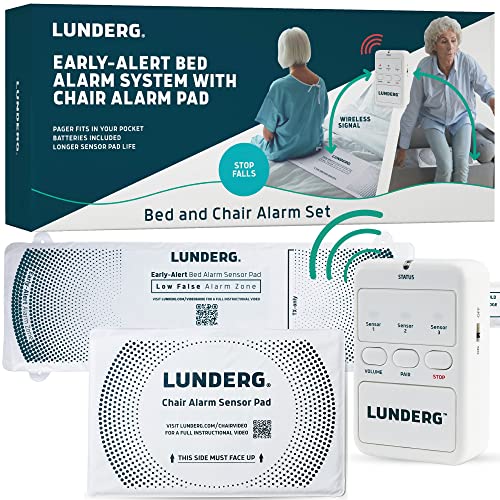
Compare the best bed alarm for elderly users by sensor, alert style, range and cost to fit the bedroom and caregiver.
Choosing a best bed alarm for elderly use can feel confusing because the term covers several different systems, from a simple pad that sounds an alert when someone leaves the bed to a monitor that sends a signal to a caregiver in another room. The comparison table below can help you see the main types side by side before you look at details. This guide compares each type, explains what seniors and caregivers should look for, and helps you match a system to the bedroom and the daily routine.
A bed alarm is meant to give early notice when a person gets up, so a caregiver can respond sooner and reduce the risk of a fall in the dark. It is not a medical device and it does not prevent a fall on its own. The right system is one that the senior can live with comfortably, that caregivers can hear or receive clearly, and that fits the bed, the room layout, and the budget.

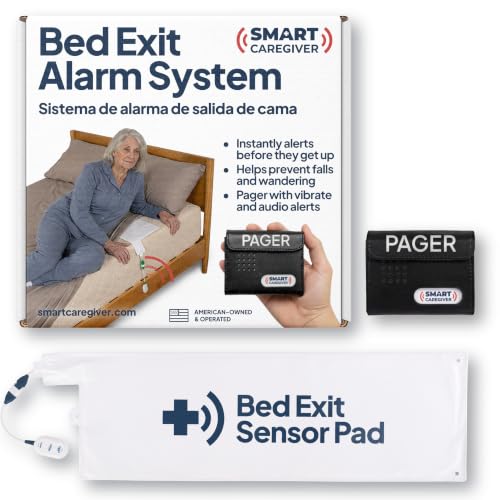
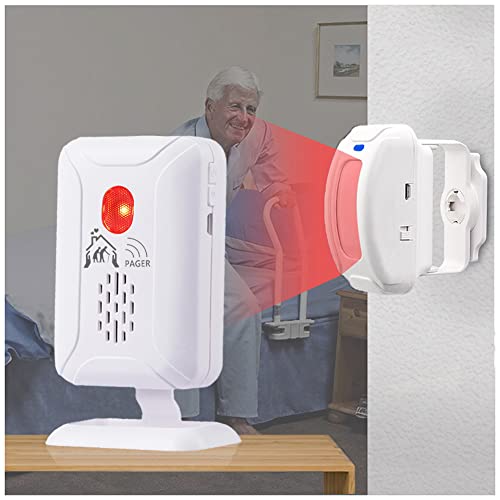
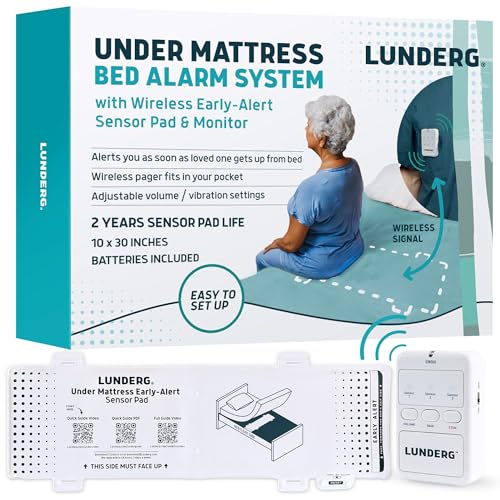



Types of Bed Alarms Compared
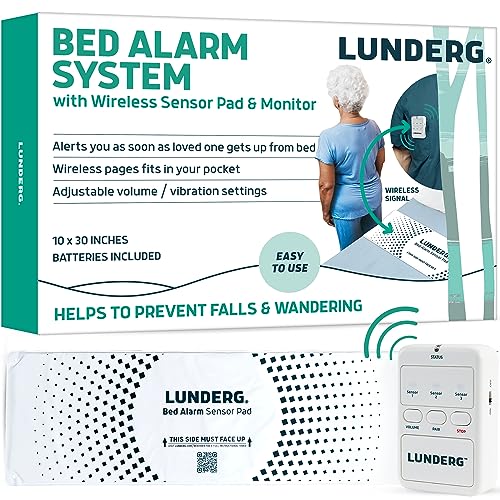
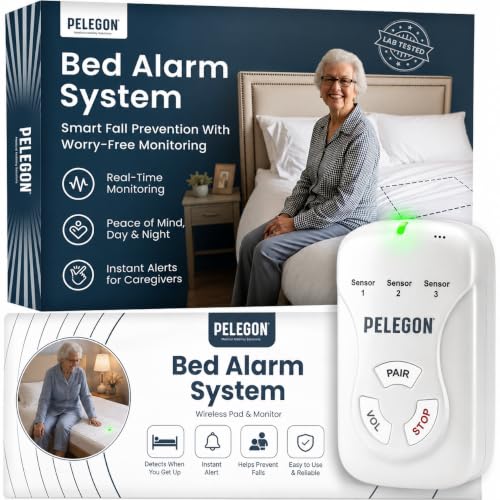
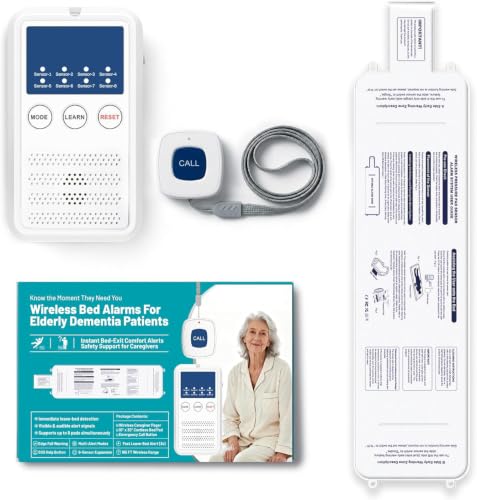
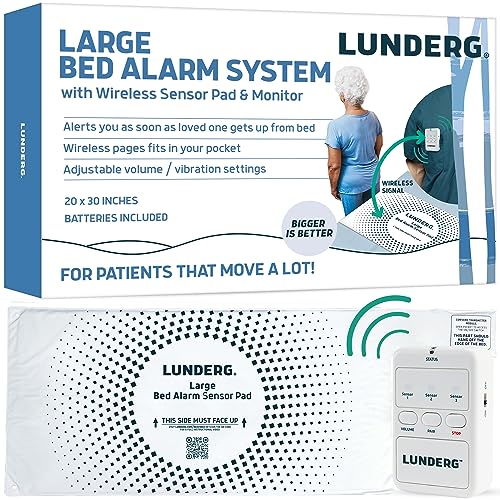
Bed alarms differ mainly in how they sense movement and how they deliver the alert. Some use a pressure pad under the sheet, some use a clip or a wearable sensor, and some connect to a monitor or a phone app. The table below gives a quick overview, and the sections that follow explain each type in more detail.
| Type | Best For | Pros | Cons | Typical Price |
|---|---|---|---|---|
| Pressure Pad Alarm | Bedside caregiver alert | Simple to use, no wearing needed | Pad placement matters | About $30 to $80 |
| Compact Monitor Alarm | Small bedrooms | Portable, clear alert tones | Shorter range in some homes | About $40 to $100 |
| Connected Monitor Alarm | Caregivers in another room | Remote alerts, logs | Needs setup and power | About $80 to $200 |
Premium Options
Premium bed alarms usually combine a sensor with a connected monitor that can alert a caregiver in another room or on a phone. They often offer adjustable volume, several alert tones, and a way to silence or pause the alarm for a short bathroom trip. These systems suit homes where the caregiver sleeps in another room or works in a different part of the house during the day. The trade off is setup time, because you need to pair the sensor with the monitor, check the range through walls, and keep the monitor charged or plugged in.
Compact Options
Compact bed alarms are smaller, simpler systems that usually sound an alert close to the bed. They suit a small bedroom, a shared room, or a situation where a caregiver sleeps nearby. Setup is usually quick, with a pad or a sensor placed on the bed and a small monitor placed on a nightstand. The main limit is range, because the alert may not carry well through walls or across a large home.
If the caregiver is often far from the bedroom, a compact system on its own may not be enough.
Mid Range Options
Mid range bed alarms sit between simple bedside alerts and full connected systems. They may offer a wireless monitor that works across a room or a floor, plus adjustable alert volume and a delay setting. The delay setting can help avoid false alerts when a person shifts in bed but does not actually get up. These systems suit families who want more reach than a bedside alarm without the full setup of a connected system.
Check the wireless range in your own home, because walls and floors can reduce it.
Premium Options vs Compact Options: Which Should You Choose?
Choose a premium connected system when the caregiver is often in another room, when you want alerts on a phone, or when you want a record of nighttime movement to discuss with a care team. Choose a compact system when the caregiver sleeps nearby, when simplicity matters more than range, and when you want the lowest setup burden. Compare them on five points: alert range, alert clarity, false alert control, ease of daily use, and total cost including batteries or power. A system that is easy to silence, reset, and clean will be used more consistently than a complex system that frustrates the user.
If you are unsure, start by mapping where the caregiver will be at night and during the day, then pick the system that reliably reaches that spot.
How to Choose the Best Bed Alarm for Elderly Users
Use the factors below as a checklist. Work through them in order, because bed size, sensor type, and caregiver location shape every other choice.
Ease of Use and Setup
Ease of use matters for both the senior and the caregiver. The senior should not need to wear a complex device or remember a sequence of steps to get into bed. The caregiver should be able to set the alarm, adjust the volume, and reset it after an alert without a manual in hand. Look for large controls, clear labels, and a simple way to pause the alarm for a short trip.
Try the system for a few nights before you rely on it, and note any false alerts caused by pets, a restless sleeper, or a pad that slips.
What Seniors Should Look For
Seniors should look for comfort, quiet operation when at rest, and an alert that is clear but not startling. A pressure pad should feel flat under the sheet and should not bunch up or create a ridge that disturbs sleep. A wearable sensor, if used, should be light and should not press on skin during the night. Hearing and vision matter too, so check whether the alert can be heard from the caregiver location and whether any visual signal is clear in a dark room.
If the senior has sensitive skin, check the maker guidance on materials and cleaning, and talk with a clinician if skin irritation or sleep problems persist.
Price vs Value
Price ranges vary by type and by whether the system includes a remote monitor. Simple bedside systems often cost about $30 to $80, mid range wireless systems often cost about $50 to $120, and connected systems often cost about $80 to $200. Higher prices usually buy range, alert options, and a delay setting, not a stronger guarantee of safety. No bed alarm can promise to prevent a fall, so judge value by whether the alert reliably reaches the caregiver and whether the system is comfortable enough to use every night.
Factor in batteries, replacement pads, and any app or service fees.
Intended Use and Who It Is For
Bed alarms suit several situations, and the best type depends on the main goal. For a senior who lives alone and has a nearby caregiver at night, a bedside or compact system may be enough. For a senior in a larger home, a wireless or connected system helps the alert reach the caregiver. For a care home or a shared bedroom, a system with adjustable volume and a visual alert can reduce disturbance to others.
For a senior who gets up often at night, a delay setting and a simple reset matter more than extra features. Think about nighttime bathroom trips, daytime naps, and visitors, because each changes how the alarm should behave.
Maintenance and Long Term Costs
Maintenance is simple but needs a routine. Check the pad position each time bedding is changed, because a pad that shifts can cause false alerts or missed alerts. Wipe the sensor and monitor with a dry cloth, and follow the maker guide on washing or replacing pads. Note battery life and keep spare batteries nearby, or choose a system that plugs in where that is safe and practical.
Replacement pads, cables, and monitors are the main long term costs, so check availability and price before you commit to a system. A system with parts that are easy to replace will cost less over time than one that needs a full replacement after a single fault.
Care and Maintenance Tips
Read the manual before first use, and keep it where the caregiver can find it at night. Clean and inspect the pad, sensor, and cables regularly, and look for wear, cracks, or loose connections. Store spare parts in a dry place, and check that the alarm still works after any change to bedding, mattress, or room layout. If the alarm sounds too often, check pad placement and sensitivity settings before you assume the system is faulty.
Keep cords away from walkways to avoid a trip hazard, and follow the maker guidance on power and battery use. For bedding that works well with a pad, see our guide to best bed sheets for fabric and fit notes that help a pad sit flat. For a sleep surface that changes how a pad senses weight, see our guide to best air beds for notes on firmness and movement.
Bed Alarms: Your Questions Answered
What makes bed alarms for seniors different?
Bed alarms for seniors are different because they focus on comfort, simple controls, and alerts that a caregiver can hear or receive reliably. A senior focused system should avoid complex setup, loud startling tones, and sensors that disturb sleep or irritate skin. It should also offer adjustable volume, a delay setting for normal movement in bed, and a clear reset process. These differences matter because a system that is hard to use or uncomfortable is more likely to be switched off, which removes any benefit it could offer.
Are expensive bed alarms worth it?
Expensive bed alarms are worth it when you need range, remote alerts, or a record of nighttime movement. A higher priced connected system can alert a caregiver in another room, which a simple bedside alarm cannot do. They are less worth it when the caregiver sleeps nearby and a simple alert is enough, because extra features add setup time without adding practical benefit. Judge a system by whether the alert reliably reaches the right person and whether it is comfortable enough to use every night, not by price alone.
How long does a bed alarm last?
How long a bed alarm lasts depends on build quality, battery or power type, and how often pads and cables are replaced. The main unit often lasts several years with regular care, while pads and cables wear sooner because they sit under bedding and move with the sleeper. Check the maker guide for expected pad life, and inspect pads for cracks, thinning, or loose connections. Keeping spare pads and following the cleaning guide can extend useful life, but replace any part that shows damage rather than waiting for it to fail at night.
What features matter most when buying bed alarms?
The features that matter most are sensor type, alert range, alert clarity, false alert control, and ease of use. Sensor type affects comfort and placement, while alert range decides whether the caregiver actually hears the signal. Alert clarity matters in a dark, quiet house, and a delay setting helps avoid alerts from normal shifting in bed. Ease of use matters for nightly setup and for resetting the alarm after a trip to the bathroom.
After those points, look at battery life, replacement part cost, and whether the system fits your bed size.
How much should I spend on a bed alarm?
How much you should spend depends on caregiver location and the features you need. For a caregiver nearby, about $30 to $80 for a simple bedside system is often enough. For a larger home or a caregiver in another room, about $50 to $120 for a wireless system, or about $80 to $200 for a connected system, may be justified. Start with the lowest priced system that reliably reaches the caregiver and feels comfortable for the senior, then add features only if they solve a real problem in your home.
How do I maintain a bed alarm?
Maintain a bed alarm by checking pad position when bedding is changed, cleaning sensors with a dry cloth, and inspecting cables for wear. Check that the alarm still works after any change to the bed or room, and replace worn pads promptly. Keep spare batteries nearby or use a plugged in setup where the maker guide allows it, and keep cords away from walkways. If false alerts increase, check sensitivity settings and pad placement first.
For persistent problems, contact the maker support team, and talk with a clinician if sleep or mobility concerns continue.
Our Verdict
The best choice is the system that reliably alerts the caregiver, feels comfortable for the senior, and fits the bedroom without complex setup. A compact bedside system suits a nearby caregiver, while a wireless or connected system suits a larger home. Check sensor comfort, alert range, false alert control, and replacement part cost before you decide, and try the system for a few nights in your own home. Use the product table above to compare types side by side, then choose the best bed alarm for elderly use that matches your home, your routine, and your budget.