Best Beach Towels: What to Know Before You Buy

Standing at the checkout with three different towels in your cart is a familiar summer moment. They all look similar in a product photo, but they will not perform the same once they meet sand, saltwater, and a hot afternoon sun. Finding the best beach towels for your trip comes down to a handful of practical factors, not the print on the front. This guide walks through fabric, sand resistance, sizing, absorbency, and colorfastness so you know exactly what separates a towel that earns its spot in your beach bag from one that ends up as a garage rag by next season.



Cotton, Turkish Cotton, or Microfiber: Picking the Right Fabric
Fabric is the single biggest factor behind how a towel feels, dries, and holds up over time. The three options you will see most often when shopping for the best beach towels are classic cotton terry, Turkish cotton, and microfiber, and each one trades off comfort against packability in a different way.
Classic Cotton Terry
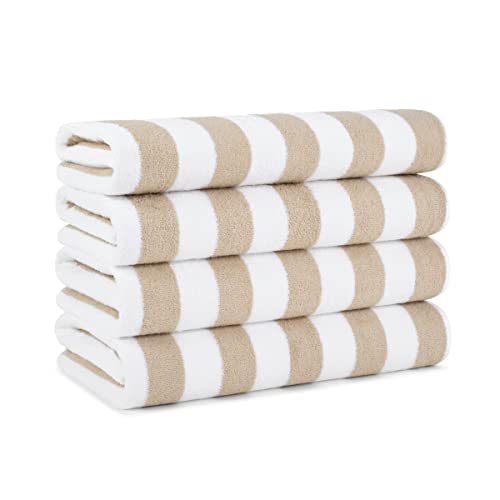
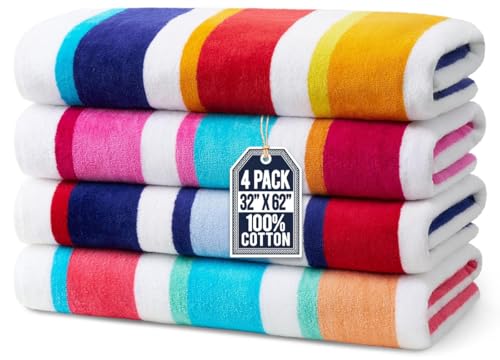
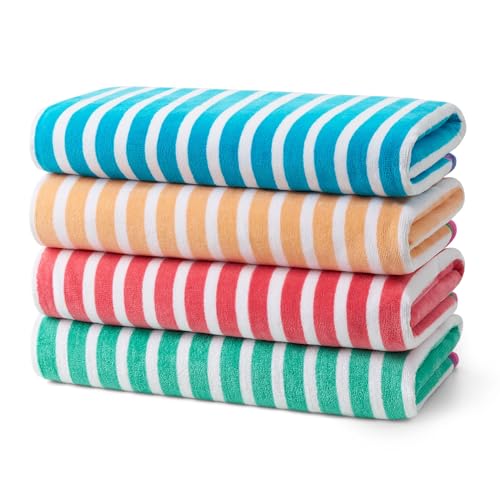
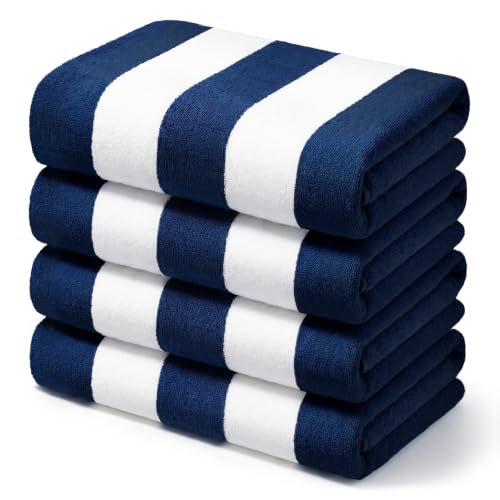
Terry cotton is the thick, looped fabric most people picture when they think of a beach towel. It is soft against skin, highly absorbent, and comfortable to lie on directly. The tradeoff is weight and dry time: those same loops that soak up water also hold onto moisture longer, so a terry towel can feel heavy in a beach bag and stay damp for a while after use. The same qualities that make for a good quality bath towel at home, softness and absorbency built from dense cotton loops, carry over directly to how a terry beach towel performs.
Turkish Cotton (Peshtemal-Style)
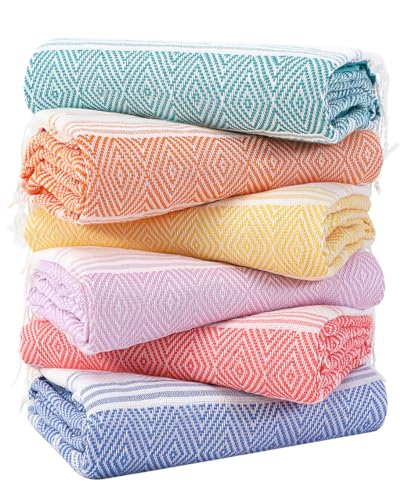
Turkish cotton towels use a flatter, tighter weave than classic terry. They are thinner and dry noticeably faster, while still being made from cotton, so they keep much of that natural softness. Because they fold down small and weigh less, they are a strong pick for travel or anyone packing more than one towel for a family trip. The one thing to know going in is that they feel less plush underneath you than a thick terry towel, since there is less loft to sit or lie on.
Microfiber
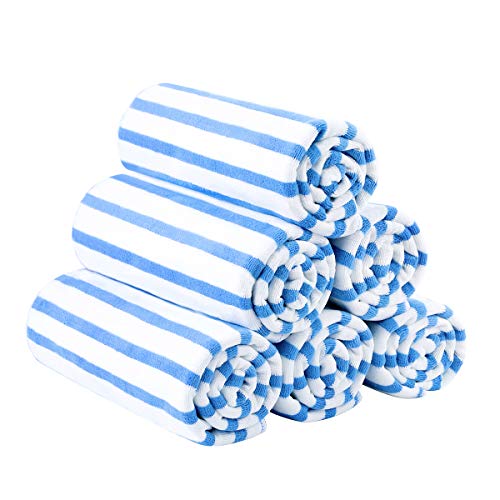
Microfiber towels use fine synthetic fibers woven into a smooth, tightly packed surface. They dry the fastest of the three, pack down to almost nothing, and their tight weave gives sand very little to grip onto. The downside is texture and warmth: microfiber tends to feel slick against damp or sweaty skin rather than soft, and it will not hold in warmth the way cotton does once you are out of the water. It is a practical choice when packability and quick drying matter more than plush comfort.
Why Sand-Resistant Weaves Actually Matter
Sand resistance is not just marketing language. Traditional terry loops are shaped almost like tiny hooks, which is exactly why sand grains catch and stay put no matter how hard you shake the towel out. A tighter, flatter weave, the kind used in Turkish cotton and microfiber, gives sand far fewer places to lodge itself, so most of it simply falls away with a shake.
That said, no fabric is completely immune to sand. A flat weave reduces how much sticks, it does not eliminate it entirely, especially on wet skin or a damp towel. If keeping your car and beach bag sand-free is a priority, weigh weave type alongside fabric when comparing the best beach towels, rather than assuming any towel labeled sand-free will behave the same in every condition.
Getting the Size Right for Chairs, Kids, and Sharing
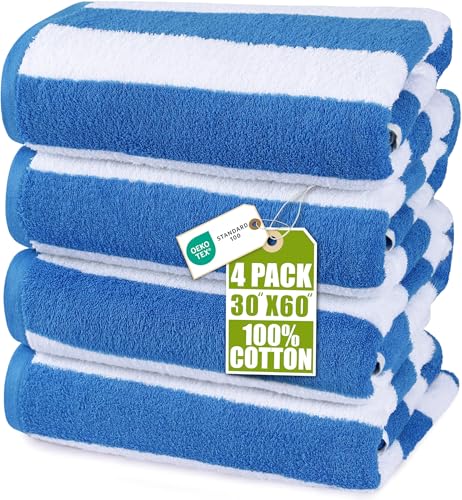
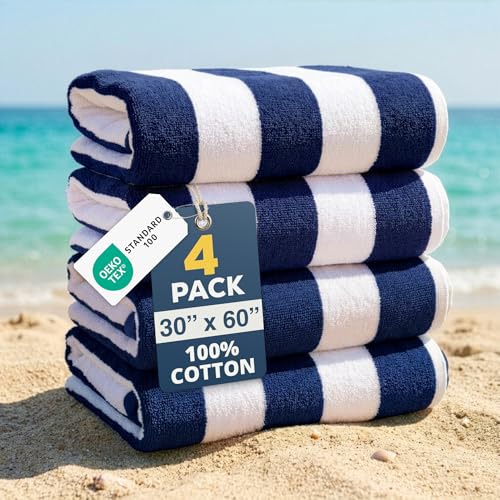
Standard beach towels typically run somewhere in the range of 30 by 60 inches, enough to lie down on without your shoulders or legs touching hot sand. Oversized towels stretch closer to 40 by 70 inches or larger, which gives more room to stretch out, share with a child, or cover a full lounge chair from top to bottom.
Before buying, it helps to measure the chair or lounger you actually use, since a towel that is too narrow will slide off the sides while you shift around. Families packing for a full day out, especially if you are also bringing a shade setup for the group, often do better with one or two oversized towels plus a couple of standard ones rather than a single giant towel meant to cover everyone at once. Kids tend to be happier with their own smaller towel they can carry and manage themselves.
GSM and Absorbency: How to Judge Drying Speed
GSM stands for grams per square meter, and it is the number manufacturers use to describe how dense and heavy a towel's fabric is. A higher GSM generally means a thicker, more absorbent towel, while a lower GSM means a lighter, faster-drying one. For beach towels specifically, a range of roughly 400 to 550 GSM tends to hit a practical middle ground: dense enough to actually soak up water, without taking forever to dry out between uses.
Weave also plays a role beyond the GSM number. A looser, low-twist weave tends to absorb water more readily than a tightly twisted one, even at a similar weight. If you are comparing towels online and only one spec is listed, GSM is the single most useful number for predicting how a towel will feel and perform once it is wet.
Keeping Colors From Fading in Sun and Chlorine
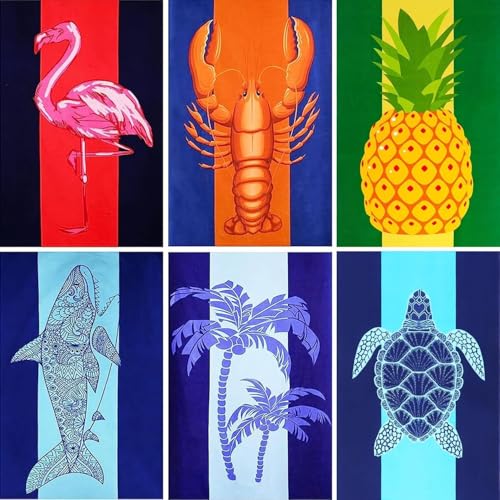
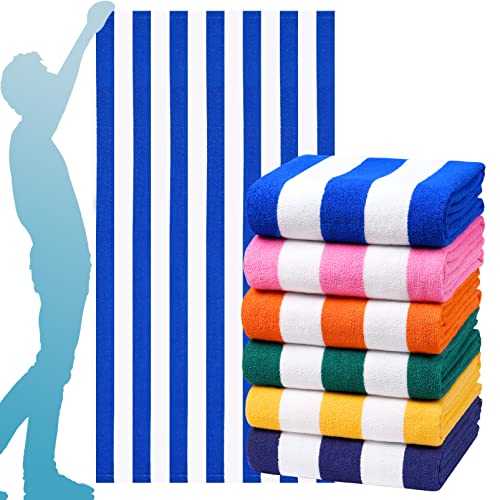
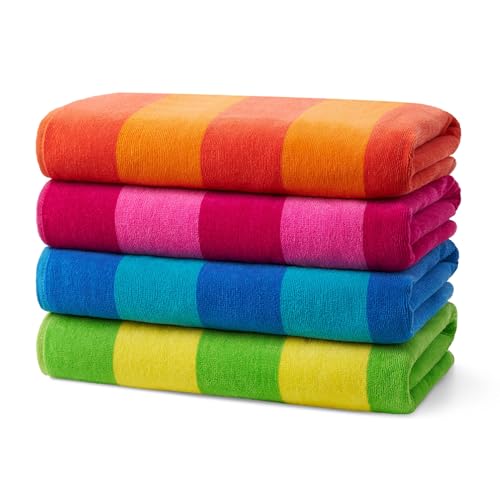
Sun exposure, saltwater, and chlorine are all hard on dyed fabric, and a cheaply dyed towel can look noticeably duller after just one season of regular use. The detail worth checking before you buy is whether a patterned towel is yarn-dyed or printed. Yarn-dyed towels have color woven into the thread itself, which tends to hold up better against repeated sun and pool exposure and often looks the same on both sides. Printed towels apply color to the surface afterward, which is more prone to fading and can look washed out well before the fabric itself wears out.
Rinsing salt and chlorine out promptly after use and drying towels out of direct, prolonged sun exposure both help colors last longer regardless of which dye method was used.
Frequently Asked Questions
What size beach towel is best?
A standard towel around 30 by 60 inches works fine for one adult on a typical lounge chair. If you want extra room to stretch out or plan to share with a child, an oversized towel closer to 40 by 70 inches is the better fit.
Is cotton or microfiber better for beach towels?
Cotton feels softer and holds up well for comfort, while microfiber dries faster and packs smaller. Neither is universally better, it comes down to whether you value plush comfort or quick drying and portability more.
What GSM is best for a beach towel?
Somewhere around 400 to 550 GSM is a practical range for most beach use. It balances real absorbency against a reasonable dry time, rather than leaning too far toward either extreme.
Do sand-free beach towels actually work?
Towels with a tight, flat weave do noticeably reduce how much sand sticks compared to traditional terry loops. They will not keep every grain off, but they make a real, measurable difference, especially when shaken out while still slightly damp.
Are Turkish towels good for the beach?
Yes. Their flatter weave dries faster than classic terry, they fold down small for packing, and they still offer the softness of cotton, which makes them a solid all-around choice for travel and everyday beach trips alike.
Can you use a regular bath towel at the beach?
You can, but bath towels are usually thicker, slower to dry, and not built with sand or sun exposure in mind. A towel made specifically for beach use will generally perform better over repeated trips.
How often should you wash a beach towel?
Washing after every couple of uses is a reasonable habit, and always after direct contact with saltwater or sunscreen. Leaving a damp towel unwashed for too long is what usually leads to musty odors or mildew.
Making Your Decision
There is no single towel that wins on every factor at once, and that is fine. If comfort and softness matter most, lean toward cotton terry. If packability and quick drying come first, Turkish cotton or microfiber will serve you better. Whichever fabric you land on, checking the GSM, weave tightness, and dye method before buying will tell you far more about how it will actually perform than the photo on the listing. Matching those specifics to how and where you actually use a towel is what separates the best beach towels from the ones that just look good in a thumbnail.