
Best Beach Running Shoes: How to Choose for Sand, Surf and Boardwalk in 2026
Disclosure: We may earn a commission when you buy through links on this page, at no extra cost to you. As an Amazon Associate I earn from qualifying purchases. Learn more

Best beach running shoes drain fast, grip wet sand and fit snugly: compare drainage, grip, cushioning and care before you buy.
Running on sand is a different sport from running on a road. The ground gives way under every step, water splashes over your feet, and a shoe that feels fine on pavement can fill with grit in minutes. The best beach running shoes drain fast, grip both wet and loose sand, and fit snugly enough that your foot stays put when the surface shifts. This guide explains what to look for so you can read the product table below with a clear checklist.
Think about where you actually run. A packed strip near the waterline, a soft dry beach and a boardwalk to the car each ask something different of a shoe, and most beach runners cover more than one.

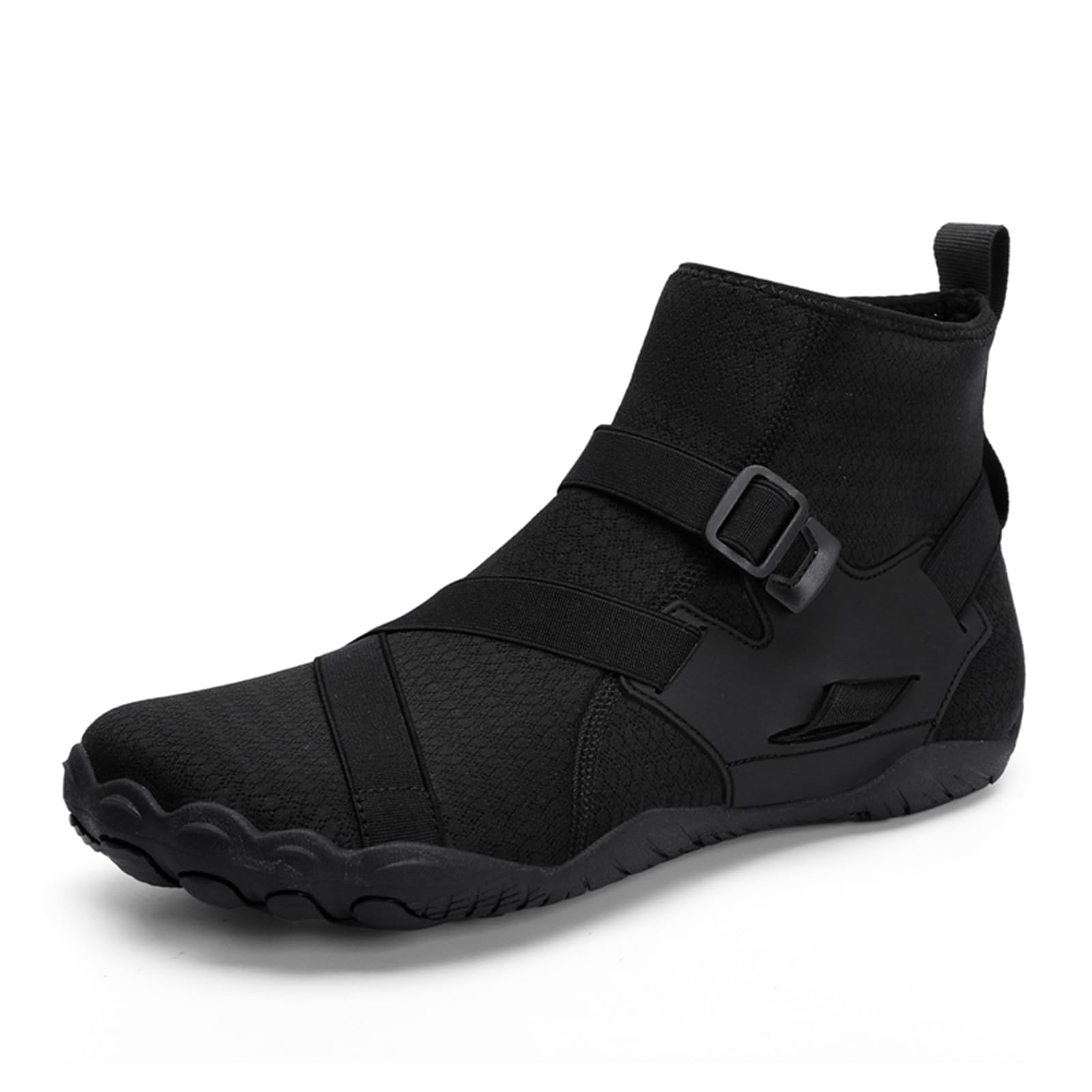
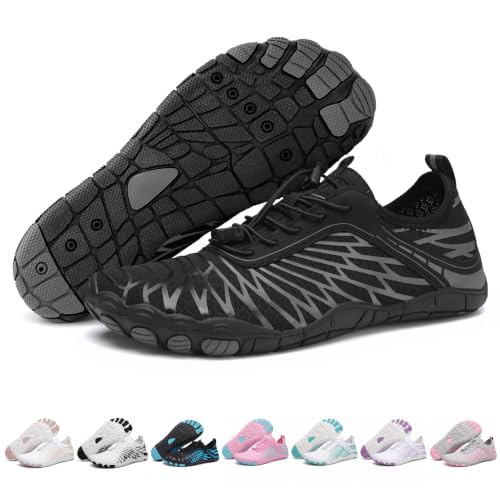


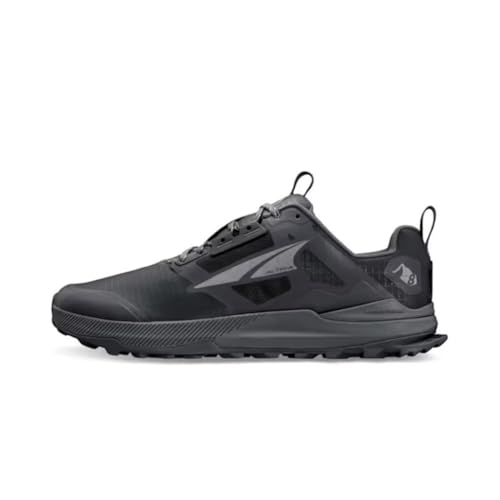
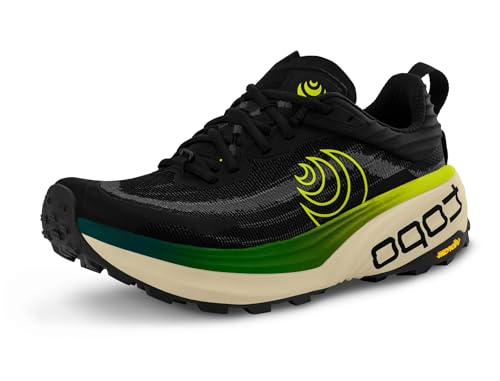
Who Should Buy Beach Running Shoes
Runners Who Train on Packed Sand
If you run on firm, damp sand near the water, a light trail style shoe with a protective upper and moderate cushioning works well. You want grip for the occasional soft patch and a sole that does not soak up water. A mesh upper that drains is more useful here than a thick padded one.
Runners Who Wade Through Water
If your route crosses shallow water, tide pools or river mouths, a water running shoe or amphibious sneaker is the better pick. Drain ports and quick drying lining keep the shoe from turning into a heavy sponge. Expect less cushioning than a road shoe and plan shorter runs until your feet adapt.
Holiday Runners Who Want One Pair
If you pack a single pair for a beach holiday, choose a breathable trail or hybrid shoe that handles sand, boardwalk and a short run to the cafe. A shoe that dries overnight on a balcony rail is worth more than a technical model that stays damp for two days.
Key Features to Compare
Judge a beach running shoe by how it behaves wet, sandy and hot, not only by how it looks in a photo. These are the features that matter most, in the order most runners notice them.
Drainage and Drying Speed
Open mesh uppers, drain ports in the midsole and thin quick drying linings let water leave the shoe instead of pooling around your foot. A waterproof membrane helps in cold rain but works against you at the beach, because it keeps water in once a wave goes over the top.
Grip on Wet and Loose Sand
Moderate, evenly spaced lugs grip soft sand without clogging, while smooth road outsoles slip on wet boards and rocks. Very deep lugs can feel harsh on hard packed sand, so match the tread to your usual surface rather than the most extreme one.
Cushioning, Stack Height and Drop
Sand already absorbs impact, so very thick midsoles can feel unstable and let the ankle roll. A moderate stack with a firm base usually feels steadier. A lower heel to toe drop suits a natural, barefoot style stride, while a higher drop can ease the calves on longer runs on firm sand.
Upper Fit and Sand Protection
A snug heel and midfoot keep the shoe from shifting, and a close fitting collar or a built in gaiter style cuff keeps loose sand from sliding in. Very open mesh drains well but lets in more grit, so choose a tighter weave if you run on dry, powdery sand.
Weight and Flexibility
Soft sand turns every extra ounce into extra effort, so lighter shoes feel better on longer beach runs. The shoe should still bend at the forefoot and stay firm through the midfoot, because a floppy shoe tires the foot on uneven ground.
Types of Beach Running Shoes Compared
| Type | Best For | Strength | Trade Off |
|---|---|---|---|
| Barefoot style water shoes | Short runs through shallow water | Very light, drain and dry quickly | Little cushioning or arch support |
| Amphibious sneakers | Mixed beach, trail and wading | Drain ports, grippy rubber soles | Heavier than a barefoot style shoe |
| Trail running shoes | Packed sand, dunes and coastal paths | Protective upper, secure fit | Slow to dry after a soaking |
| Road running shoes | Boardwalks and firm sand only | Most cushioning | Poor grip, hard to clean sand out |
Most beach runners are happiest in a trail style shoe or an amphibious sneaker. Keep road shoes for pavement, because salt water and grit shorten their life quickly.
How to Run on Sand Comfortably
Start on firm, damp sand near the waterline, where the surface gives back more energy than dry sand. Keep your strides short and your cadence quick, and ease into distance gradually, since soft sand loads the calves and Achilles more than a road does. Run an out and back route and avoid long stretches on a sloped beach, where one foot always sits lower than the other.
Warm up with a few minutes of walking, and cut the run short if you feel sharp pain in your foot, ankle or lower leg. For lasting or worsening pain, talk with a clinician or podiatrist about your own needs. Shoes are chosen for fit and comfort, not as treatment for injury.
Common Mistakes to Avoid
- Wearing road shoes with thick foam leaves you with a heavy, waterlogged pair and slips on wet sand.
- Choosing a pair a half size too small makes toes jam when your feet swell in heat and water.
- Skipping the break in runs on a new pair invites blisters, because wet skin rubs faster than dry skin.
- Running barefoot style on shell covered beaches risks cuts, so check the sand before you commit.
- Storing wet shoes in a closed bag builds odor and weakens glue and lining.
Care and Everyday Use
Rinse your shoes in fresh water after every salt water run, pull out the insoles and shake sand out of the seams before it dries. Let them air dry in shade, since direct heat can warp soles and loosen adhesive. A soft brush clears grit from the tread and the mesh.
Check the outsole and the heel cup each month in season. Worn tread slips on wet surfaces long before the upper looks tired, so replace the pair when grip fades or the midsole stays compressed after drying.
FAQ
Can I use my regular running shoes on the beach?
You can on firm, dry sand for a short run, but sand and salt water wear out road shoes quickly. A dedicated trail, hybrid or water shoe drains better, grips better and cleans up easily.
Is it better to run barefoot on the beach?
Many people enjoy it on soft, clean sand, but shells, glass and hot sand are real risks, and barefoot running loads the feet and calves differently. If you try it, start with short sessions on a beach you know is clean, and keep a pair of shoes close by.
How should beach running shoes fit?
Snug at the heel and midfoot, with room for your toes to spread. Try them late in the day with the socks you plan to wear, since feet swell in warm weather and in water.
Do I need socks with beach running shoes?
Thin, quick drying socks reduce rubbing in closed shoes, while many water shoes are made to be worn sockless. Choose whichever stays comfortable when wet, and avoid cotton socks, which hold water and rub.
How long do beach running shoes last?
Expect one to three seasons of regular beach use, depending on how often you run and how well you rinse and dry them. Replace the pair when the tread smooths out, the lining tears or the midsole stays flat.
Final Thoughts
Match the shoe to your surface and your route, favor drainage and a secure fit over heavy cushioning, and rinse the pair after every run. Use the product table above to compare weight, grip and drainage side by side.
The best beach running shoes are the ones you forget about halfway down the shore: light, grippy and snug, with no sand in the toe box and no water slowing you down.


