
Best Beach Chairs for Laying on Stomach: Buying Guide for 2026
Disclosure: We may earn a commission when you buy through links on this page, at no extra cost to you. As an Amazon Associate I earn from qualifying purchases. Learn more

Compare beach chairs for laying on stomach by face opening, flat recline, padding and carry weight, with clear tips for prone reading and relaxed sun time.
Lying face down on a regular beach chair rarely works for long. The backrest stops short of flat, a frame bar presses into your ribs, and your face ends up turned hard to one side. The best beach chairs for laying on stomach solve those problems with a face opening, a flat recline and padding in the right places. Use the product table to check those points first.
This guide is built only around prone comfort. It covers who benefits most, which features change how long you can stay face down, and how the main types differ.
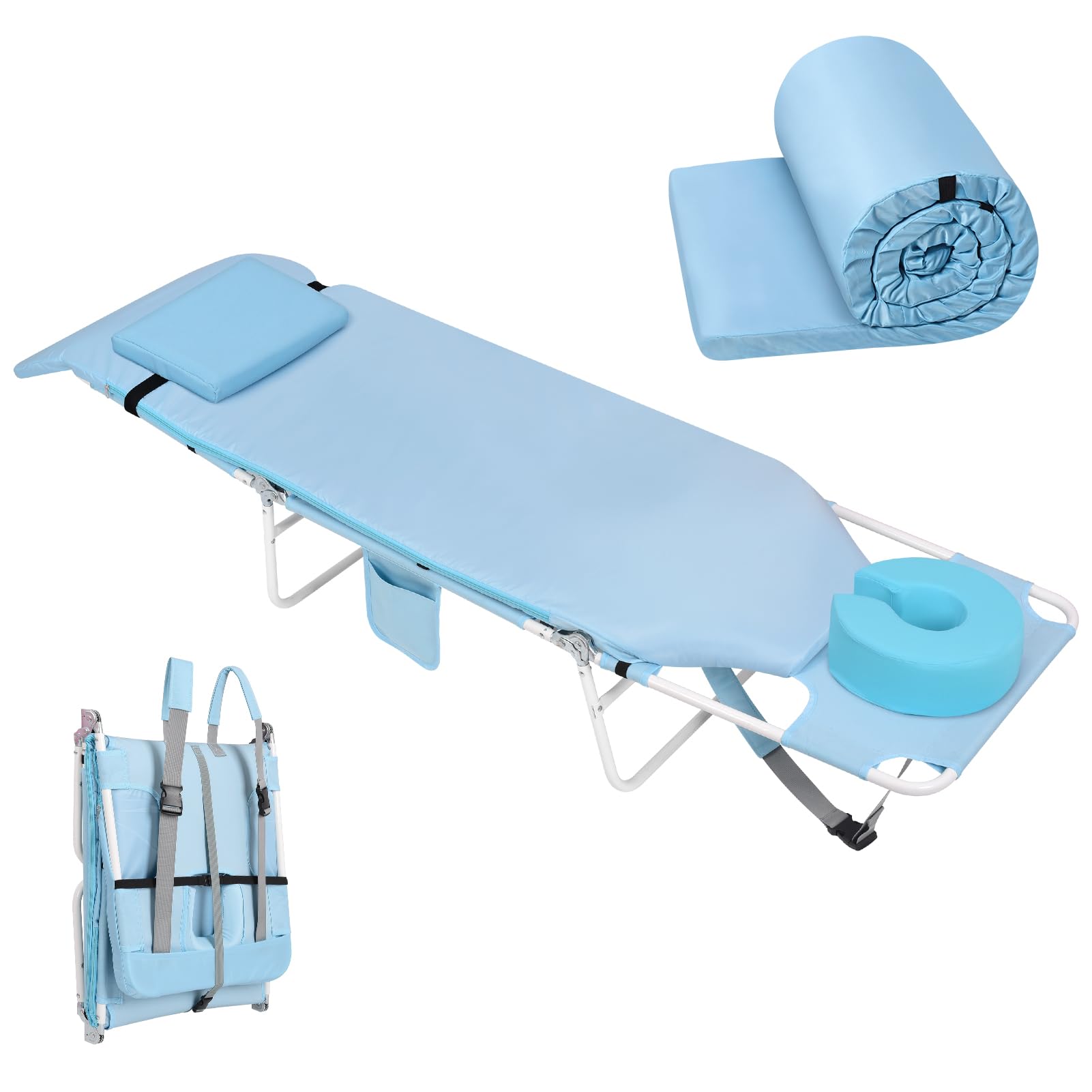


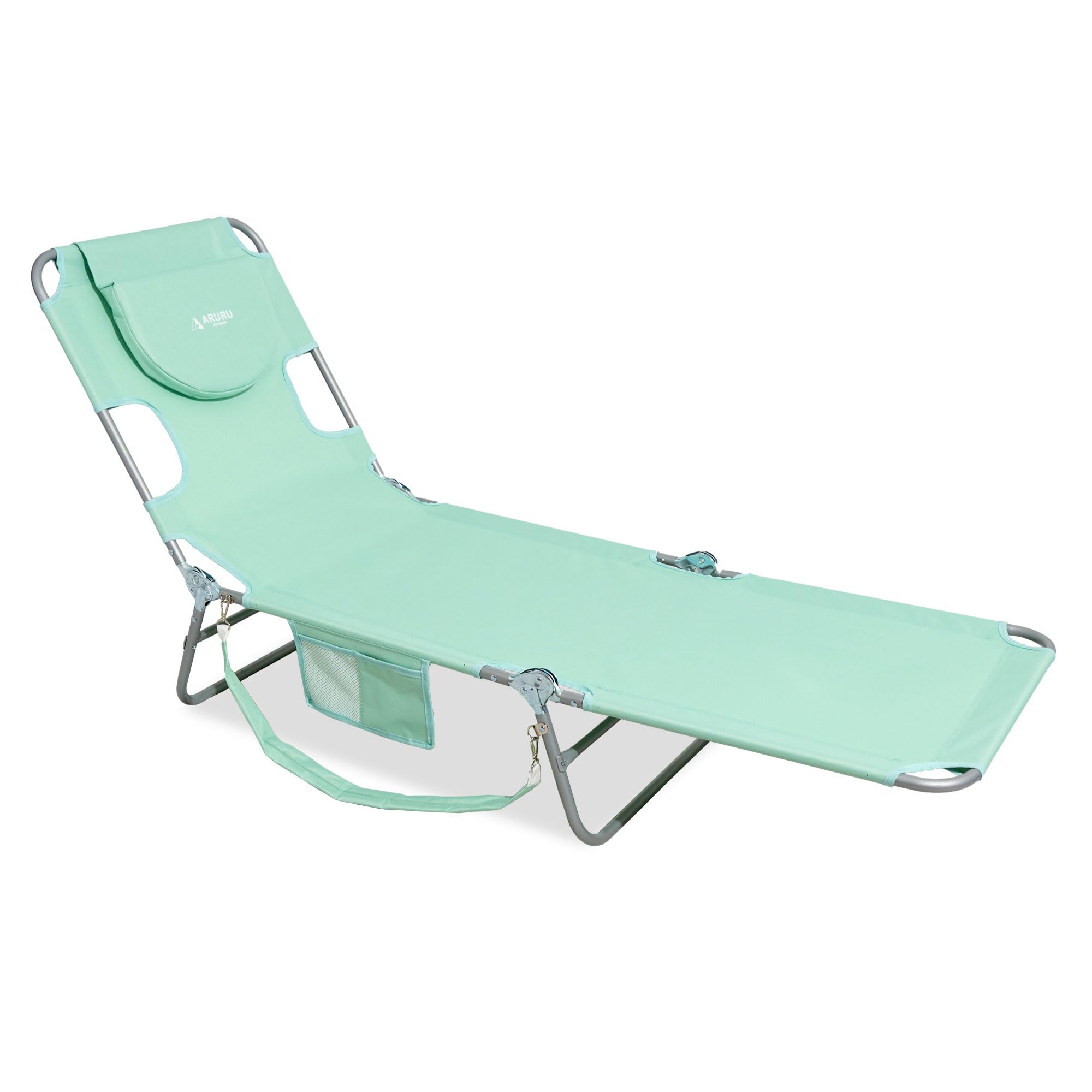
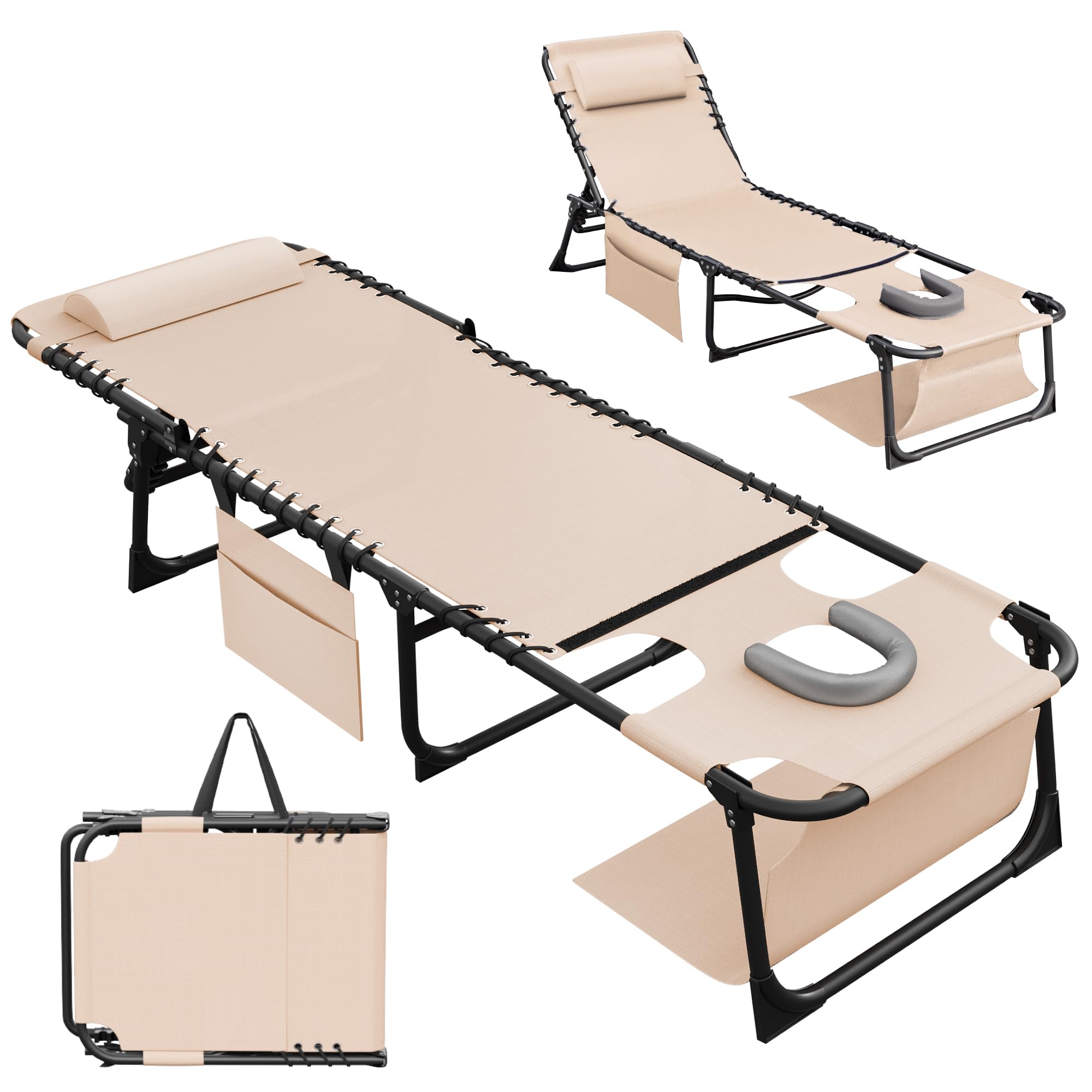
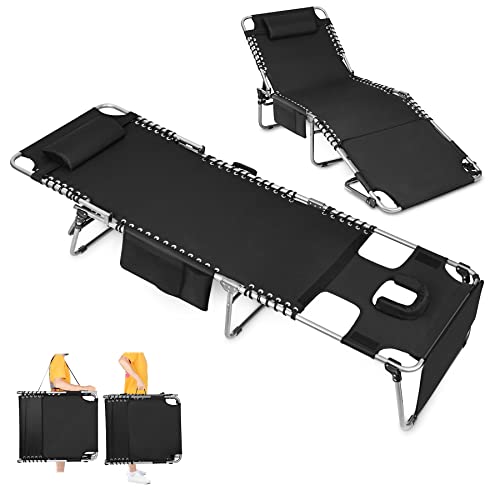
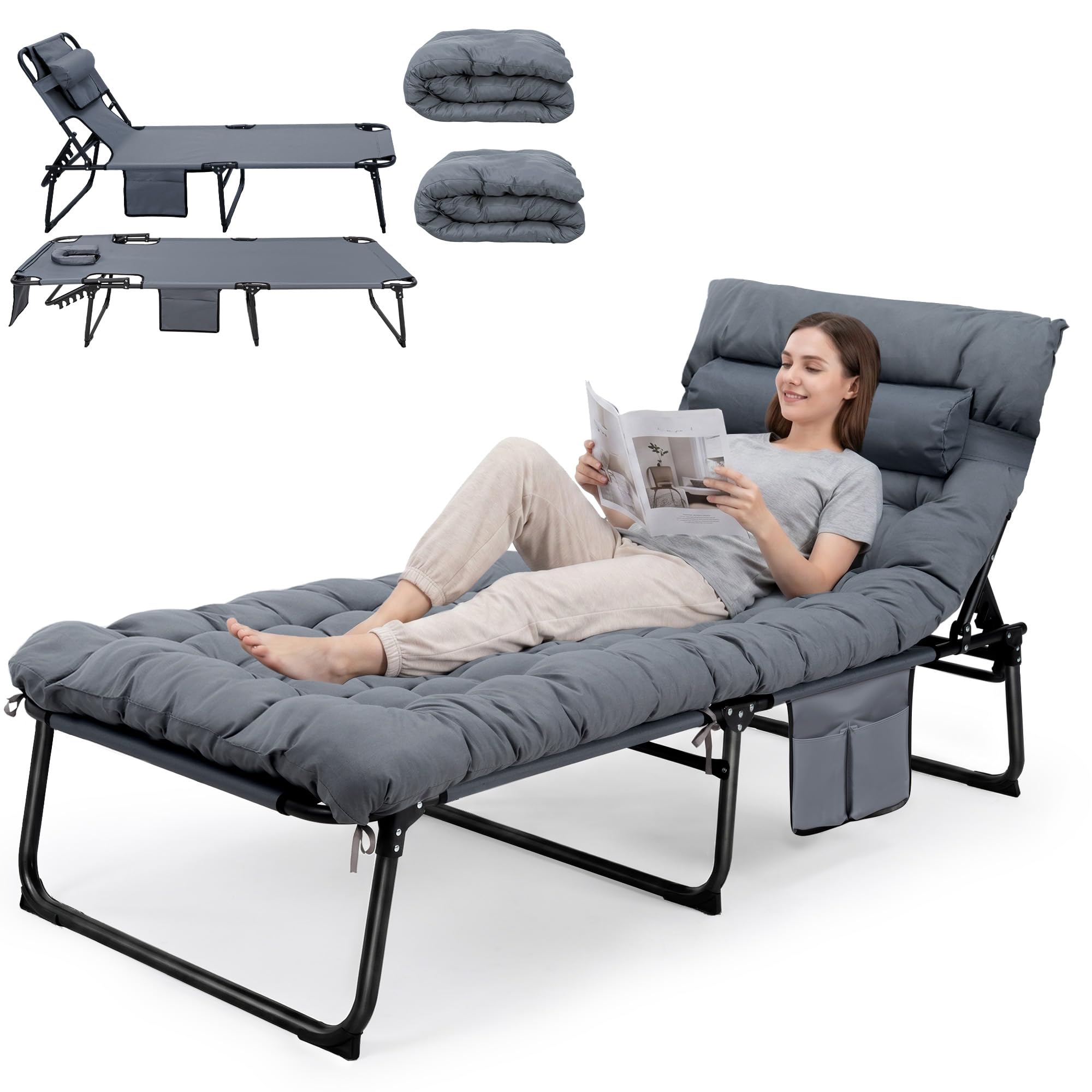
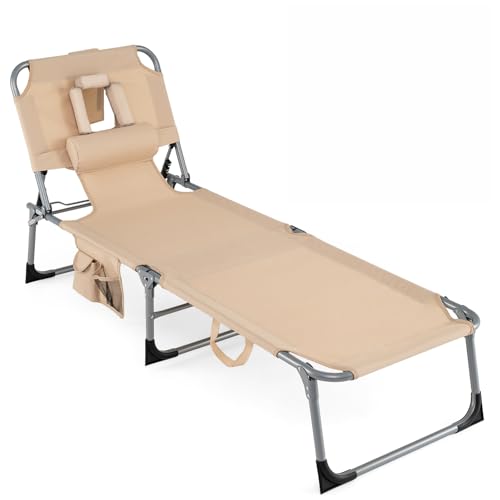
Who Should Buy a Prone Beach Chair?
A prone chair earns its space in your car when lying on your stomach is how you spend beach time. Match your main reason to one group below.
Readers Who Want Their Face and Arms Free
You read for long stretches and want a book or tablet below you rather than held above your chest. Choose a chair with a face opening and open space under the head end, so your arms rest in a natural position. A cover for the opening matters because you can close it when you flip onto your back.
Sunbathers Who Turn Front to Back Often
You change position through the day and want an even tan without lying straight on a towel. Choose a backrest that moves from upright to fully flat in small steps, so you can sit up and return to flat with ease. A headrest that flips or removes helps, because padding for your back can push your face up when you turn over.
Taller Adults and Anyone Sensitive at the Neck
You need length more than extras. Choose a chair long enough that your hips stay on padded fabric rather than on a frame joint. If you have ongoing neck or back pain, a recent injury or trouble breathing while lying prone, talk with your clinician before you buy about whether this position suits you. Stop and seek professional help if you notice sharp pain, numbness or difficulty breathing while lying face down.
Key Features to Compare
When you compare the best beach chairs for laying on stomach, work through these factors in order, starting with the face opening and flat recline.
Face Opening Size, Shape and Cover
The face opening is a cutout in the head end that lets you breathe freely instead of turning your head to one side. Most openings are about 6 to 8 inches wide and about 10 to 12 inches long, with padded oval or round edges. Choose a wider opening if you wear sunglasses, and a firm rim if a soft rim sags. A cover that closes the opening matters for back lying, because an open hole leaves your head with no support.
Flat Recline and Backrest Range
A prone chair must recline to a flat position, not just lean back. Some chairs stop at a steep angle that feels fine for sitting but forces your lower back to arch face down. Look for a backrest that locks flat, locks upright and holds one or two points between, with a lock that holds firm under body weight.
Padding Over Frame Bars at the Chest and Hips
Face down, your weight rests mainly on your chest, ribs and hips, and those points often sit over frame bars. Padding of about 1 to 2 inches over the bars spreads that pressure, while thin fabric over a bar creates a hard line you will feel within minutes. Press the fabric at the chest and hip zones in person, or check product photos for bar placement online.
Arm Placement and Reading Comfort
Arm position decides whether prone reading feels relaxed or cramped. Some chairs have armrests that fold away or sit low, leaving room for your arms below the face opening with a book on the sand. Fixed high armrests can dig into your upper arms and force your shoulders up toward your ears.
Fabric, Airflow and Shade on Hot Sand
Fabric for prone use sits against bare skin, so texture matters as much as strength. Smooth polyester dries fast and brushes free of sand, while mesh panels let air pass under your chest and stomach on still days. Dark fabric can feel hot in direct sun. For longer sessions, shade helps too, and you can see our guide to the best clip on beach chair umbrella for cover that moves with the chair.
Frame Strength, Weight Capacity and Stability on Sand
Most prone beach chairs hold about 250 to 300 pounds, counting your body weight plus any bag on the chair. Steel frames feel solid and cost less, while aluminum frames weigh less and resist rust better near salt water. Most models weigh about 7 to 14 pounds and fold flat. Wide feet spread weight on soft sand and stop one corner from sinking. For standard adult sizing, see our guide to the best beach chairs for adults.
Types of Beach Chairs for Prone Lounging
Prone chairs fall into three broad types. They differ in support, packed size and how well they work for sitting up between swims.
Face Opening Loungers With a Folding Frame
This is the most complete option. A folding frame supports a long padded surface, the face opening sits at the head end, and the backrest adjusts from upright to flat. It suits readers and long stay sunbathers best, but it folds long and takes more trunk space. For one chair for the whole day, compare it with the wider range in our guide to the best beach chairs.
Flat Folding Mats With a Raised Head End
A mat style chair lies almost on the sand, with thin padding and a small adjustable wedge at the head end. It packs small and works well for short prone sessions on firm sand, but support is limited and getting up takes more effort. Older readers often prefer a raised frame, and our guide to the best beach chairs for seniors covers taller, firmer options.
Backpack Chairs That Recline Fully Flat
A backpack chair carries on both shoulders, leaves your hands free for a cooler and still reclines flat enough for prone rest. Many models in this group lack a face opening, so you turn your head or use a rolled towel under your forehead. Choose this type when the walk matters as much as the lying position.
Common Mistakes to Avoid
Most poor prone chairs fail on one point below.
- Buying a chair that only leans back instead of lying fully flat leaves your lower back arched and sore within minutes.
- Choosing a face opening that is too small presses on your forehead and cheeks and makes breathing feel tight.
- Ignoring frame bars under the chest and hips leaves hard lines that grow painful as the session goes on.
- Picking thick dark padding for a hot beach traps heat and water and makes prone lying feel sticky.
- Forgetting folded length means the lounger may not fit your trunk and gets left behind on busy days.
How to Make Your Beach Chair Last Longer
Sand and salt shorten the life of a prone chair faster than sun alone. Shake sand out of the face opening, hinges and recline lock after each trip, because grit in a joint grinds the moving parts each time you fold the chair. Rinse frame and fabric with plain fresh water at home.
Open the chair fully and let it dry in shade before you store it, with the cover open so trapped moisture can escape. Check the recline lock, leg joints and seams each month in season, and stop using a chair with a bent frame or torn strap. Store it indoors, away from direct sun that weakens fabric.
Frequently Asked Questions
What features matter most in beach chairs for laying on stomach?
The flat recline and the face opening matter most, because without both you are lying on a standard chair in an awkward position. After those two, check bar placement under your chest. Clear, level sand below the head end gives your arms and book room.
Can beach chairs for laying on stomach support reading on a phone?
Yes, a prone beach chair can support phone reading if the space under the face opening is open and shaded. Hold the phone below the opening rather than on the fabric, and set screen brightness before you settle, because reaching shifts your weight onto one elbow. A small dry pouch keeps the phone off damp ground between chapters.
How low to the ground should a beach chair for stomach lying sit?
A beach chair for stomach lying should sit low enough to feel stable, but high enough that you can get up without help. For most adults, a seat surface about 8 to 12 inches above the sand balances both needs. Mats that sit almost flat suit younger readers, while a higher frame suits anyone who finds deep bending hard.
How do I keep sand out of the face opening of a beach chair?
You keep sand out of the face opening by setting the head end on a towel or mat and closing the cover whenever you leave the chair. Brush the rim before you lie down, because grains collect there while the chair stands open. If sand does collect, shake the chair from the foot end so loose sand falls away from the opening.
How long should a good beach chair for stomach lying last?
A good beach chair for stomach lying should last about three to five seasons of regular use if you rinse and dry it after beach days. The face opening rim and the recline lock usually wear first, because both take repeated pressure. A chair used only on holiday weeks can last longer, while one left outdoors all summer may weaken in one season.
The Bottom Line
Start with a backrest that locks flat and a face opening with a padded rim and a cover. Then check padding over the chest and hip bars, arm room for reading, and fabric that suits hot sand. Use the product table to compare length, weight capacity and folded size.
Chosen that way, the best beach chairs for laying on stomach feel simple in use: you open the chair, lie down, breathe easily and stay as long as you planned.


