
Best Beach Chairs for Tall People in 2026: Every Type Explained Side by Side
Disclosure: We may earn a commission when you buy through links on this page, at no extra cost to you. As an Amazon Associate I earn from qualifying purchases. Learn more

Best beach chairs for tall people compared by type: back height, seat height and sling length explained, with pros, cons and price ranges.
Most beach chairs are built around an average sitter, so a tall shopper can fold into one and find the backrest ending at the shoulder blades and the knees pointing at the sky. The fix is not a single feature but a set of measurements, and chair types differ mainly in which measurement each one gets right. This guide compares the best beach chairs for tall people type by type, so you can match the chair class to your height before spending anything.
Each type below gets its own section with strengths, trade offs, and the sitters it suits best. The comparison table below gathers the key measurements in one place, and the choosing section turns them into a checklist for your height and habits.


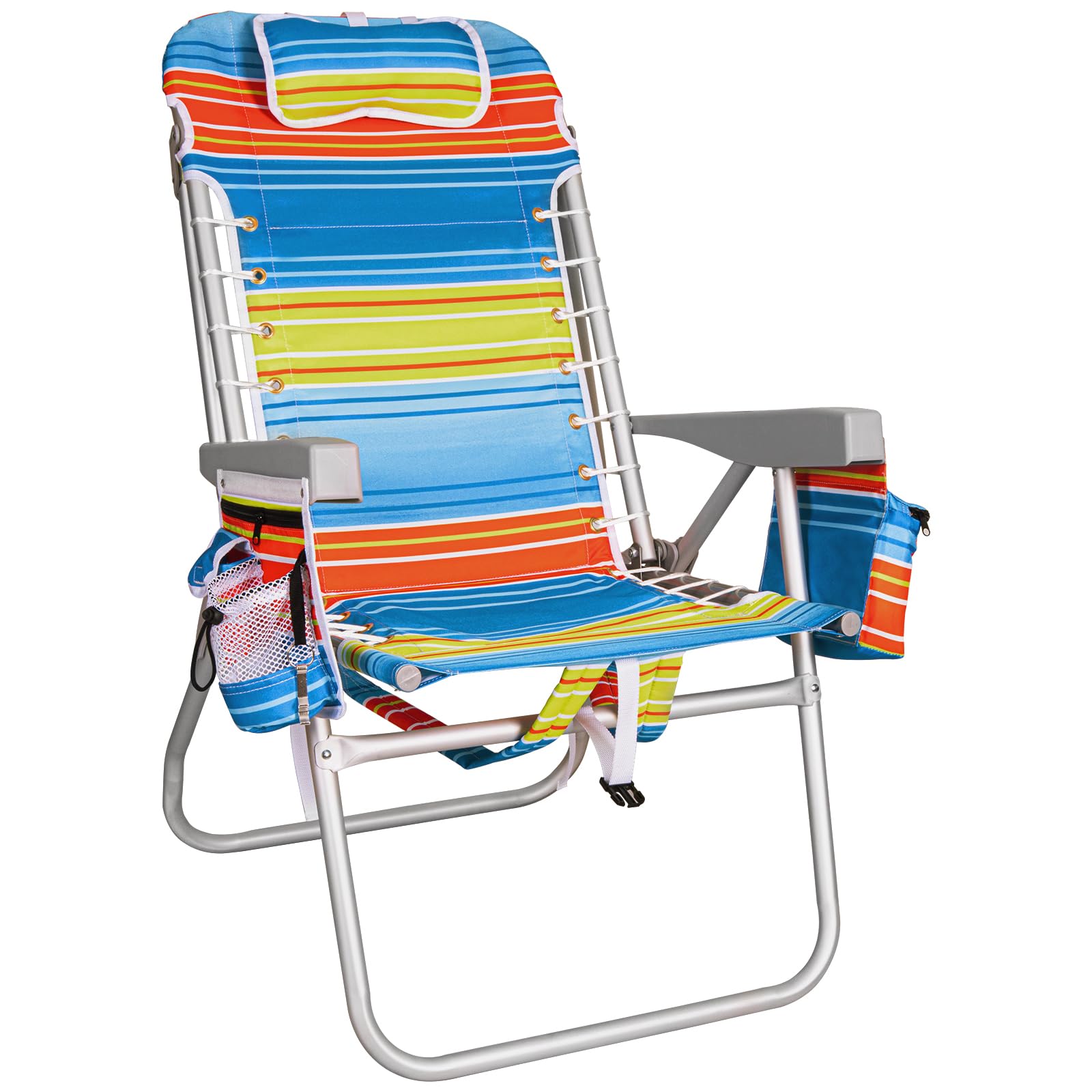
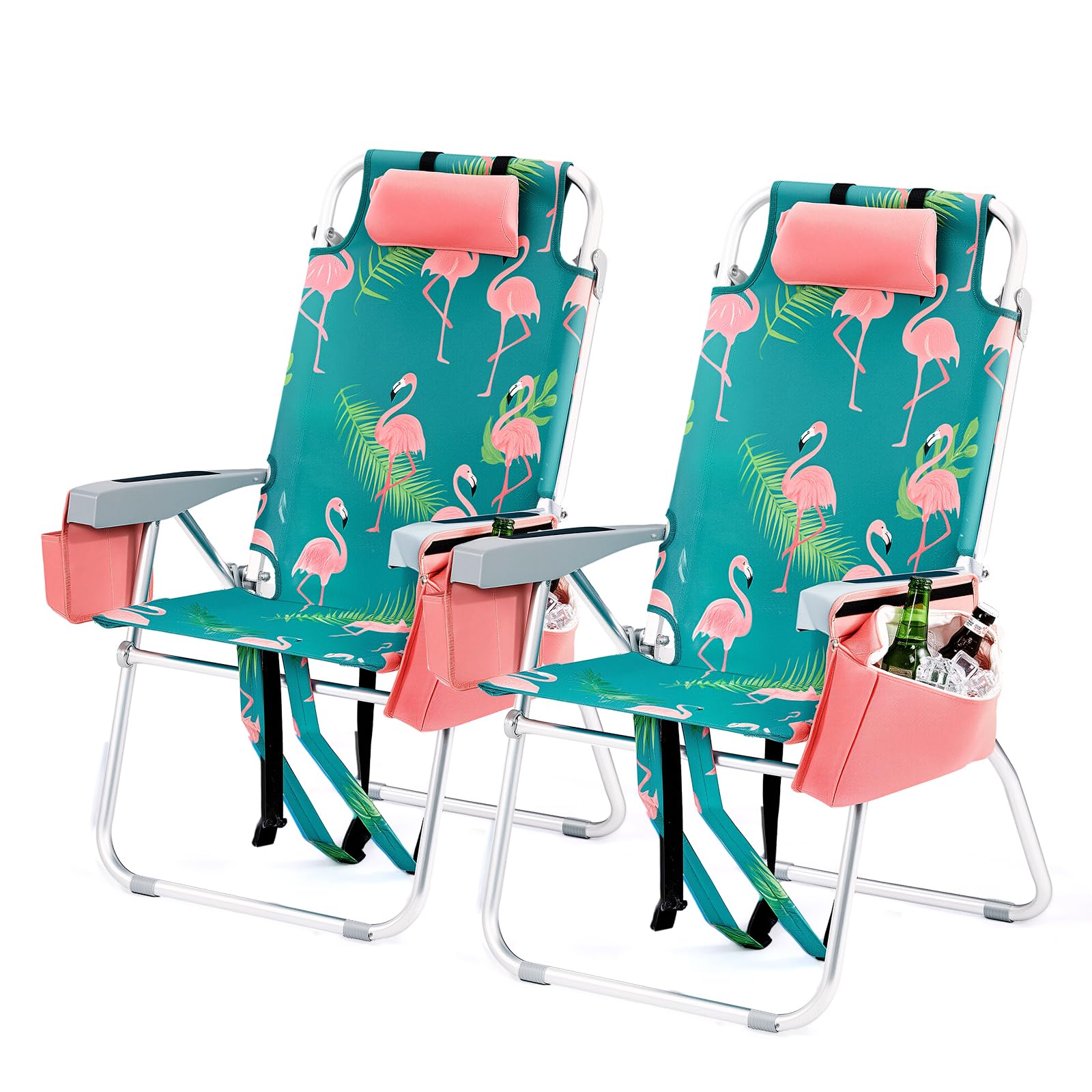

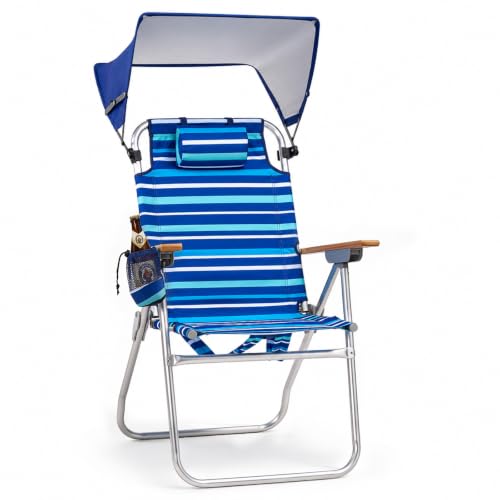

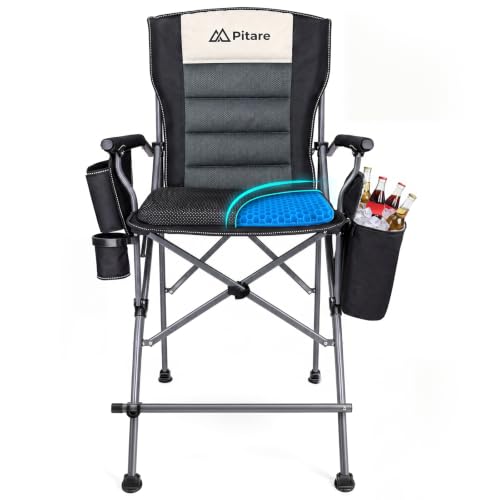
Types of Beach Chairs Compared
Start with the backrest, because back height governs head support for a tall sitter. A standard beach chair back rises about 22 to 26 inches above the seat, which lands at mid shoulder on anyone over about six feet tall and leaves the head unsupported. Chairs built for height raise that panel to about 28 to 34 inches, and that decides whether you can lean back and read or spend the afternoon propped on your elbows.
| Type | Best For | Pros | Cons | Typical Price |
|---|---|---|---|---|
| High back loungers | Head and shoulder support | Tallest backs, pillow included | Long folded package | About $60 to $120 |
| Elevated seat chairs | Easy rising | Chair height sit, upright posture | Can sink on soft sand | About $50 to $110 |
| Wide frame chairs | Broad builds, higher capacity | Roomy seat, strong frame | Heaviest to carry | About $70 to $140 |
| Backpack recliners | Long walks, full recline | Hands free carry, several positions | Moderate back height | About $45 to $100 |
High Back Loungers
These chairs stretch the back panel into the tall range and usually add an adjustable pillow at the top. The long panel supports shoulders and head in upright sits and gentle reclines, which suits readers and anyone who stays in one spot for hours. The trade off is bulk, since a taller frame folds into a longer package. Shoppers comparing tall sizing across chair types can also see our guide to the best chairs for tall people.
Elevated Seat Chairs
Elevated chairs lift the seat on longer legs instead of stretching the back. The higher sit changes the whole geometry of sitting down and standing up, which the choosing section below covers in detail. They suit tall sitters whose main complaint is the climb out of a low chair, plus anyone who prefers an upright posture over a lounge posture. The cost is stability on soft sand, where longer legs sink unevenly unless feet are wide.
Wide Frame Chairs
Wide chairs open the seat to about 24 to 28 inches across and raise the capacity rating to about 300 to 350 pounds. The extra width helps tall sitters with broad shoulders or long legs that splay, and the stronger frame removes any flex from the sit. What width does not fix is a short back or a low seat, so check those two measurements first. These are also the heaviest chairs in the group and the last choice for a long walk from the car.
Backpack Recliners
Backpack recliners fold flat, carry on your back, and open into several recline positions, including a near flat one for sunbathing. Better versions lengthen the fabric so the recline supports the calves instead of cutting off at the knee. They suit tall beachgoers who walk a real distance and still want to stretch out. Straps keep the carry easy, though the recline frame adds weight over a basic chair.
High Back Loungers vs Elevated Seat Chairs: Which Should You Choose?
These two types solve different halves of the tall problem. The lounger wins on back support, since its panel carries the head and shoulders, while the elevated chair wins on rising, since its seat starts you halfway to standing. On soft sand the lounger sits steadier, while the elevated chair packs shorter and usually costs a little less. Choose the lounger if you read, nap, or sit for hours; choose the elevated chair if your knees complain every time you stand up.
How to Choose the Right Beach Chair
Three measurements decide the fit, and all three are printed on most listings. Shoppers who want a height focused shortlist first can start with the best tall beach chairs, then check the numbers here against their own body.
Seat Height and Rising From the Sand
Seat height off the sand governs how easily a tall person rises, because the climb out starts from wherever the seat leaves your hips. Low chairs park the seat about 8 to 12 inches above the sand, which folds long legs sharply and turns standing into a push off the armrests. Elevated chairs at about 15 to 18 inches keep the knees closer to a right angle, so rising feels more like leaving a kitchen chair. Sand compresses an inch or so under the legs, so the low class feels lower still by midday.
Seat Length and Recline Room
Leg length governs recline comfort, since a reclining chair only relaxes you if the fabric supports your legs along their full reach. Standard slings offer about 36 inches of usable fabric, so a tall sitter in recline ends up resting the calves on the frame edge. Long sling designs stretch that to about 40 to 44 inches and let the heels reach the end of the fabric. If you mostly sit upright this matters less than back height; if you nap at the beach, it matters more than anything else.
Weight Capacity and Frame Strength
A standard beach chair is usually rated to about 250 pounds, while wide and reinforced frames reach about 300 to 350 pounds. Read the rating even when you fall well under it, because a higher rated frame also flexes less under long limbs. Aluminum frames keep the carry light and shrug off salt air, while steel frames feel sturdier and cost less but weigh more and need their paint intact to resist rust.
Armrest Height and Room Between the Arms
Armrests do quiet work for tall sitters: they are the levers you push on to stand, and the walls your hips must fit between. Look for arms wide enough apart that your thighs rest flat instead of squeezing, and high enough that your forearms sit level rather than dangling. Hardwood and wide plastic arms give the steadiest push point. Arms that curve down at the front steal that leverage at the exact moment you rise.
Care and Maintenance Tips
Rinse frame and fabric with fresh water after beach days, since dried salt stiffens fabric and pits metal at the joints. Shake sand out of the pivots before forcing a chair open, and let the fabric dry fully before storing it folded, because a damp fold mildews fast in a garage. Check rivets and strap stitching each season, and touch up chipped paint on steel frames before rust takes hold.
Frequently Asked Questions
What back height should a tall person look for in a beach chair?
Look for a back panel of about 28 to 34 inches above the seat, since below that range the head usually goes unsupported. A simple home check helps: sit on the floor against a wall, measure from the floor to the top of your head, and compare that number with the chair back height plus its seat height. If the total falls short of your seated height, your head rests on the top rail instead of the fabric.
How high off the sand should a beach chair seat sit for a tall person?
About 15 to 18 inches suits most tall sitters, because the knees then rest near hip level and rising takes little arm help. Soft sand adds sink: it swallows about an inch of leg, so a chair listed at 14 inches can sit like a 13 inch chair by the afternoon. Chairs with wide feet or a sand plate under each leg lose less height, which is worth checking if your beach runs soft.
Are wide oversized beach chairs always the right choice for tall people?
No, width and height are separate fixes, and many wide chairs keep a standard short back. Width earns its keep for broad shoulders and for sitters near the capacity limit, but it adds carry weight on every trip. A tall, narrow sitter is usually better served by a standard width chair with a tall back and a long sling. Read the back and seat numbers first and treat width as a comfort extra, not the fit itself.
Can a tall person make a low beach chair work for a day?
Yes, with two small tricks, though neither beats buying the right height. Digging a shallow trench in the sand for your heels lets the legs extend forward instead of folding, which takes pressure off the knees. Sitting on a folded towel also buys a little height and padding on a hard frame edge. Both tricks help with a borrowed chair; for a chair you use weekly, the low seat will keep punishing your knees.
How long should a beach chair for tall people last?
A well kept chair usually serves about three to five seasons, and the fabric almost always retires before the frame does. Sag shows first as a deepening hammock at the seat center, which quietly lowers your seat height and undoes the fit you paid for. Makers rarely sell replacement fabric for beach chairs, so once the sling stretches or tears at the grommets, the practical fix is a new chair.
The Bottom Line
For height, the order of checks is back height first, seat height second, and sling length third. Match those three numbers to your own seated measurements and the type choice mostly makes itself against the product table above. Chosen that way, the best beach chairs for tall people stop feeling like camping gear borrowed from a shorter friend and start feeling like furniture that was sized for you.


