
Best Beach Chairs for 300 Lbs Made Simple: A Clear Buying Guide for 2026
Disclosure: We may earn a commission when you buy through links on this page, at no extra cost to you. As an Amazon Associate I earn from qualifying purchases. Learn more

The best beach chairs for 300 lbs need a rating above your weight, a wide seat and firm arms. Learn frame, seat height and sand stability basics.
Buying your first beach chair sounds simple until the weight rating enters the picture. A standard chair may feel fine in a store and still flex, sink, or sag on soft sand. The best beach chairs for 300 lbs solve that with stronger frames, wider seats, and ratings you can trust, and this guide explains the key terms so you can use the product table.
We start with the basics, then match chair types to real bodies and real beaches. By the end you will know which seat height suits your knees, how much capacity margin to leave, and which rookie errors to avoid.


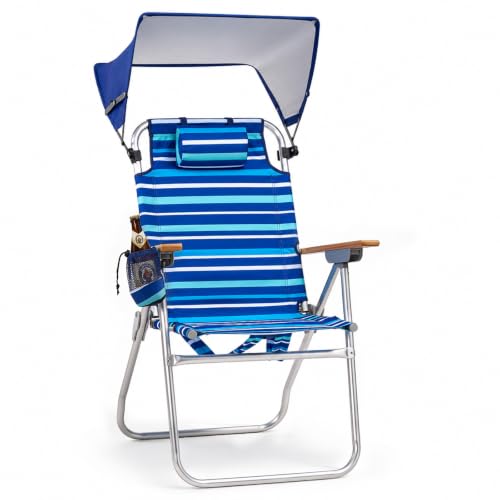
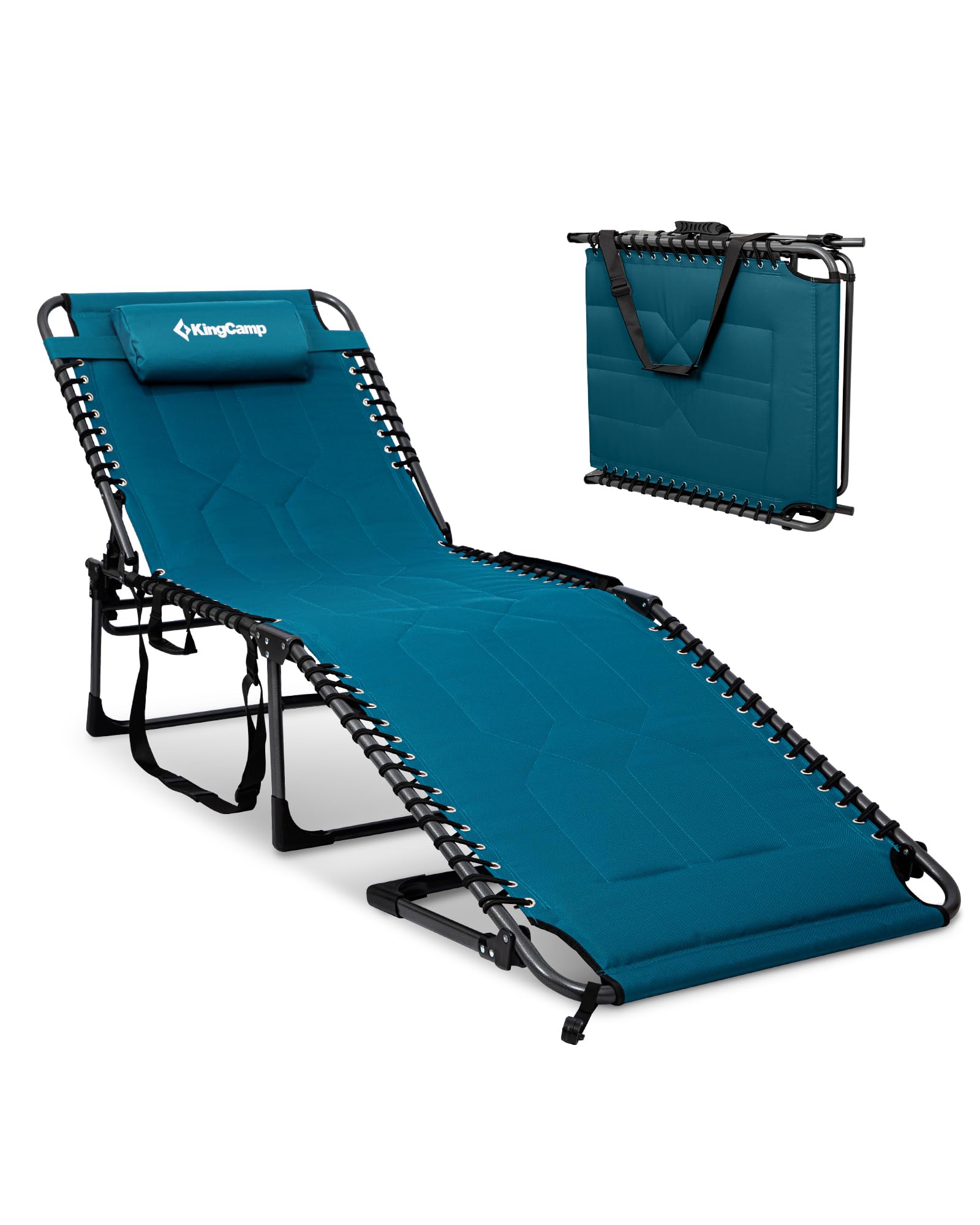

Beach Chairs 101: The Basics
A beach chair is a folding chair built for sand, sun, and salt air. Most styles sit lower than a camp chair, while taller styles keep your hips higher for easier standing. Our guide to the best beach chairs covers the general styles, and this article focuses on stronger versions built for heavier adults.
Three terms drive every choice. Weight capacity is the load the maker rates the chair to hold. Seat height is the distance from the sand to the top of the seat fabric. Recline describes how far the backrest tilts, from upright to nearly flat.
Who Should Buy Beach Chairs Rated for 300 Lbs?
The rating on the box is only the starting point. Your body, your balance, and how you get out of a low seat decide which design serves you best.
Adults Near 300 Lbs Who Need a Real Safety Margin
If your weight sits close to 300 lbs, a chair rated at exactly 300 lbs leaves no room for movement. Choose a model rated at 350 lbs or higher, because shifting, leaning back, and pushing on the arms add force beyond your standing weight. For general fit notes, see our guide to the best beach chairs for adults.
Taller and Broader Adults Who Need Width and Depth
Weight is only part of fit. If you are tall or broad through the hips and shoulders, width and depth matter as much as the rating. Look for a seat about 24 to 28 inches wide, deep enough that the front edge does not press into the back of your thighs.
Adults Who Push on the Arms to Stand Up
If your knees complain or your balance feels unsure on soft ground, treat the armrests as support equipment, not decoration. Choose firm, wide arms set high enough that your hands land on them without hunching, plus a seat height toward the taller end of the range. Older buyers can see our guide to the best beach chairs for seniors.
Heavy Duty Beach Chair Specs Explained Simply
Read each product page in this order and the right choice usually becomes obvious.
Weight Capacity and the Margin Above 300 Lbs
The capacity figure tells you the load the frame and fabric were built to carry, and it is the first number to check. A rating of 300 lbs is a floor, not a target. Ratings of 350 to 400 lbs give you a working margin for movement and gradual wear. Treat a missing or vague capacity figure as a reason to keep shopping.
Frame Strength, Joints, and Cross Bracing
Most frames use either powder coated steel or aluminum tubing. Steel feels solid and costs less, but it weighs more and can rust where the coating chips in salt air. Aluminum weighs less and resists rust, though it often costs more. Whatever the metal, look for cross braces between the legs, thick tubing, and tight rivets at every joint, because chairs usually fail at their joints first.
Seat Width, Depth, and Height on Sand
Seat height shapes your whole day. Low seats of about 4 to 9 inches suit sitters who drop down easily. Seats of about 12 to 17 inches suit heavier and taller adults, because your knees bend less and standing takes less effort. Legs also sink an inch or two into dry sand, so a chair can feel lower at the shore than its stated height suggests.
Fabric Strength, Stitching, and Fast Drying
The seat fabric carries your weight across the frame, so its weave and stitching matter as much as the metal. Look for thick polyester fabric with double stitching along the edges where the cloth wraps the frame, because those seams take the most strain. A mesh back panel lets air move on hot days and sheds water, and fabric that dries fast keeps the seat from turning clammy.
Stability on Soft Sand and Recline Positions
A strong chair can still feel tippy if its feet are wrong for sand. Wide feet and bar style feet spread the load and sink less than narrow pointed legs, and a wide stance resists rocking. Recline adds a second test, because your weight shifts toward the back legs as the backrest drops. Choose clear locking positions, test each one, and never force a lock that resists your hand.
Armrests, Chair Weight, and Carrying to the Shore
Firm armrests do double duty for a heavier adult. They give you a steady push point when you stand and keep your shoulders relaxed, while soft fabric arms offer little push support. Also weigh the chair itself, because reinforced models often run about 10 to 15 pounds. Backpack straps or a padded carry bag spread that load across both shoulders and make a long walk more pleasant.
Getting Started: Setup and First Use on Sand
Your first setup decides how safe the chair feels, so take two slow minutes before you sit. Open the frame fully until every lock clicks or settles, then place the chair on the firmest sand you can find. Press each foot down and shift the chair until no leg hovers.
Once seated, lean back gently through each recline position and stand up once as a test. That run tells you whether the height suits your knees and whether the feet hold. If one leg keeps sinking, move the whole chair a few feet instead of twisting the frame to free it.
Rookie Mistakes to Avoid
Most early disappointments with the best beach chairs for 300 lbs come from a handful of avoidable errors.
- Buying a chair rated at exactly your weight leaves no margin, so shifting and leaning strain the frame.
- Choosing the lowest seat for style makes standing a struggle, so sore knees turn every break into hard work.
- Sitting on loose sand without pressing the feet in lets one leg sink, so the chair twists and spills a drink.
- Judging width by the photo alone means pinched hips, so you end the day sore instead of rested.
- Leaving a damp chair folded in its bag invites mildew and weak seams, so the chair ages a season in a week.
Care and Maintenance for Beach Chairs at the Shore
Sand and salt are the two enemies of a strong chair. Shake loose sand off the fabric and frame before you fold the chair, and brush sand out of the joints, because trapped grains grind at moving parts. At home, rinse frame and fabric with fresh water to remove salt, then open the chair and let it dry in shade.
Every few outings, check rivets and bolts for looseness, look for bent tubing, and inspect the seams. Stop using a chair with a cracked joint or torn seat panel, because minor looking damage can give way suddenly under a full load. Store the dry chair indoors, away from direct sun.
Frequently Asked Questions
What features matter most in a beach chair for a 300 lb adult?
The capacity rating matters most, followed by frame bracing and seat width. One extra detail deserves attention: count everything the chair carries, not just your body. A cooler bag hung on one arm and a child climbing onto your lap both add load, so the margin you chose has to cover your real beach habits.
Is an expensive beach chair worth it for a heavier beachgoer?
An expensive beach chair is worth it when the price buys thicker tubing, a longer warranty, and replaceable parts rather than extra cup holders. Chairs run about $50 to $150, and the upper end often covers fabric and frame defects that cheaper chairs exclude. If a maker sells replacement fabric or arms, one torn panel does not end the chair life.
How do I choose the right size beach chair for a larger body?
Choose the size by measuring yourself seated at home, not by guessing from a product photo. Sit on a firm chair, measure across your hips at the widest point, and add about two inches, then compare that figure with the seat width. Also note the seat height of a home chair you stand from easily, and favor beach models closest to it.
How long should a beach chair rated for 300 lbs last?
A beach chair rated for 300 lbs should last about three to five seasons with basic rinsing and dry storage. Lifespan depends less on the calendar than on load habits, because repeated use near the top of the rating wears joints and seams faster. Watch for new wobble, thin fabric, and recline locks that slip.
Can a beach chair rated for 300 lbs sink into soft sand?
Yes, a beach chair rated for 300 lbs can sink into soft sand, because the rating describes the frame and fabric, not the ground. Dry loose sand gives way under any loaded foot, while the packed sand near the water line holds better. If you must sit on loose sand, place a beach mat under the feet to spread the load.
The Bottom Line
For a first purchase, keep your checklist short. Confirm a rating above your weight, measure the seat, pick feet that suit soft sand, and choose firm arms if you push yourself up. Use the product table to compare those four points.
When the best beach chairs for 300 lbs match your body and your beach, the chair disappears from your thoughts and the day takes over. Buy for strength and fit first, and comfort will follow you all summer.


