Best BBQ Pizza Ovens of 2026: Complete Buying Guide
Disclosure: We may earn a commission when you buy through links on this page, at no extra cost to you. As an Amazon Associate I earn from qualifying purchases. Learn more
The best bbq pizza ovens fit your grill or patio: this guide covers fuel, heat, stone size and fit in plain English.
A standard grill tops out around 500°F to 600°F, and that ceiling is exactly why homemade pizza so often comes out pale and soft in the middle. Real pizza wants a blazing hot stone and strong heat from above at the same time. The best bbq pizza ovens close that gap, either as boxes that sit on your grill grates or as standalone ovens built for one job.
This guide explains how to choose between those styles, which temperatures and stone sizes actually matter, and what each price tier generally delivers. No cooking experience is assumed beyond basic grilling. Start with the product table, then use the sections that follow to read its specs like a regular.
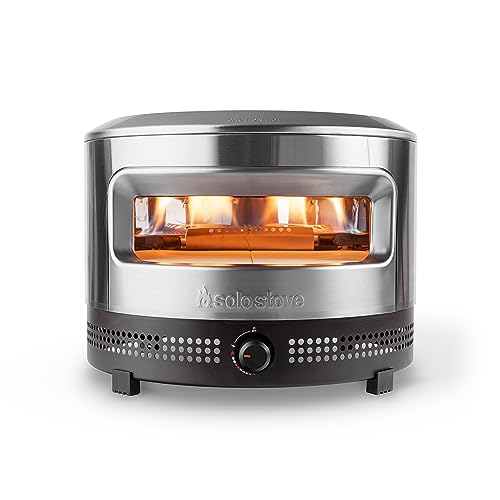

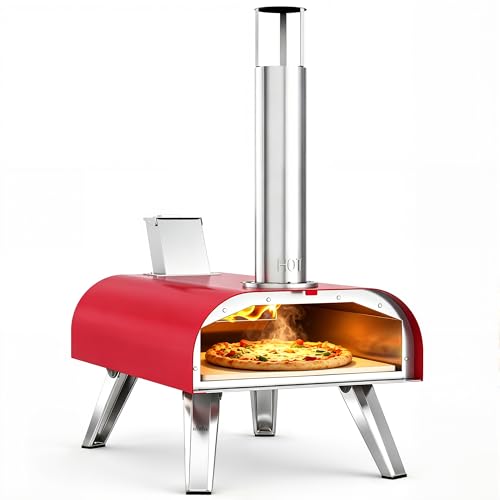

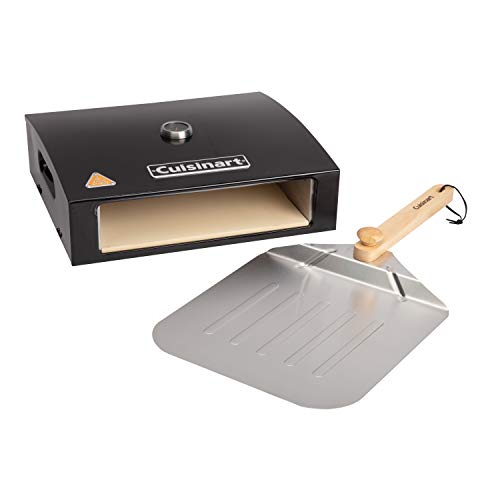

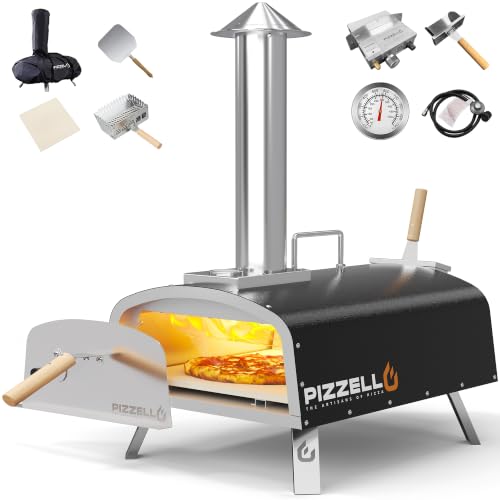
Three Common Buying Profiles at a Glance
The Premium Profile
The strongest all around setup reaches about 800°F to 900°F, holds a 16 inch stone, and keeps its temperature steady across several pizzas in a row. Expect an insulated steel body, a thick cordierite stone, and a built in thermometer that reads the chamber rather than the air outside. This profile suits households that will cook pizza most weekends in season. It usually sits in the upper price tier, roughly about $400 to $800 for standalone units, and the money goes into insulation and recovery speed rather than decoration.
The Value Profile
The value profile keeps the essentials and trims the extras. Look for a 12 inch stone, peak heat around 700°F to 800°F, and a simple, sturdy body without apps or powered extras. Grill top boxes dominate this tier, often around $100 to $300, because they borrow heat from a grill you already own. The trade off is slower recovery between pizzas and more attention from you. For a family cooking two or three pizzas on a Friday night, that trade is usually worth it.
The Beginner Profile
Beginners do best with forgiving heat and simple controls. A gas fired unit with a clear dial beats a wood fire you must feed between every pizza, and a 12 inch stone is easier to launch onto than a larger one. Forgiveness also means a wide door opening and a stone that sits low, so your first launches land flat. Budget around $200 to $400 for a starter standalone oven, or less for a grill top box if you already own a suitable grill. Skill grows fast, so avoid the very cheapest thin steel boxes that scorch bottoms.
How to Choose the Best BBQ Pizza Ovens: Buying Guide
Fuel Type: Gas, Wood, Pellet, or Charcoal
Gas is the easiest fuel to live with. It lights instantly, holds a steady temperature with a dial, and lets you cook pizza after pizza without tending anything. Flavor stays clean, with char coming from the hot stone rather than smoke. Propane models dominate the portable market, and our guide to the best propane pizza ovens explains tank and regulator details.
Wood and charcoal deliver the classic flame kissed crust and a hint of smoke, at the cost of constant small adjustments. Pellet fired ovens sit between the two, feeding fuel automatically while still burning real wood. If your unit is a grill top box, the fuel question is already answered by your grill, so your real choice becomes box design and stone quality.
Maximum Temperature and Heat Up Time
Temperature decides your crust. Around 600°F to 700°F bakes a good thick crust pizza in about 4 to 6 minutes. The crisp, leopard spotted style needs about 800°F to 950°F and finishes in about 60 to 90 seconds. Higher is not automatically better, because thin dough at maximum heat burns before the toppings cook. Match the ceiling to the pizza style you actually eat.
Heat up time matters on weeknights. Most quality ovens reach cooking temperature in about 15 to 30 minutes, with the stone lagging behind the air temperature. Always give the stone the full preheat, and confirm it with an infrared thermometer if you own one. A stone that reads 100 degrees cooler than the dial explains most soggy first attempts.
Pizza Stone and Cooking Surface
The stone stores heat and pulls moisture from the dough, which is how you get a crisp base instead of a steamed one. Cordierite is the standard material because it tolerates thermal shock well. Thickness around half an inch or more holds heat across back to back pizzas. Steel plates heat faster and resist cracking, but they can scorch bottoms at high settings and suit lower temperature styles better.
Never wash a hot stone, and never use soap on it, since the porous surface absorbs flavors. Brush off flour and debris after it cools, and accept staining as normal wear. A cracked stone still cooks, but a stone with a raised crack catches the peel, so replace it when the surface stops being flat.
Pizza Size: 12 Inch or 16 Inch
Most ovens are built around a 12 inch or a 16 inch pizza. Twelve inch models are smaller, lighter, cheaper to heat, and easier to handle, which is why most portable ovens use them. Sixteen inch models feed a family with fewer bakes and fit party sized pies, but they need more fuel, more patio space, and a longer peel. Measure your storage spot and your grill grate before deciding, because a grill top box must sit flat with the lid able to close or rest as designed.
Door size deserves the same check as stone size. A wide, low opening makes launching and turning easy, while a tall narrow mouth fights the peel. If you plan to cook anything beyond pizza, such as flatbreads, a skillet of vegetables, or a small cast iron pan of chicken, confirm the interior height fits the pan with room to slide it in and out.
Grill Fit and Installation Requirements
Grill top boxes need three things from your grill: enough grate area for the box to sit stable, enough burner power under it, and clearance for the box height. Most boxes suit gas grills with at least two burners and charcoal kettles of common family size. On gas, expect to run the burners under the box on high while it preheats, which uses fuel faster than normal grilling.
Standalone ovens need a level, non combustible surface and clear space above, since the chimney and door vent serious heat. Keep any oven away from siding, fences, and overhangs, and never use one in a garage or enclosed porch. Gas models connect to a standard propane tank in most cases, while permanent patio installs may offer a natural gas conversion. Our broader guide to the best pizza ovens covers countertop indoor styles as well.
Portability and Build Materials
Weight splits the category cleanly. Portable ovens run about 25 to 40 lb with folding legs and suit camping, tailgating, and small patios where the oven stores in a closet. Fixed units can weigh far more and reward you with thicker insulation. If portability is your priority, compare the options in our guide to the best portable pizza ovens before you buy.
For materials, powder coated or stainless steel shells resist weather best, and double wall insulation keeps the outside cooler and the inside steadier. Check leg stability on uneven ground and handle quality, because you will move this oven while it is warm at least once. A fitted cover is worth its small cost for any oven that lives outdoors.
Temperature Control and the Built In Thermometer
Most built in thermometers measure air near the door, not the stone, so treat the reading as a guide rather than truth. Better ovens place the sensor thoughtfully and pair it with a responsive fuel dial. On wood fired models, your control is fuel size and timing: small splits added often hold steadier heat than one large log added rarely. An inexpensive infrared thermometer pointed at the stone center removes the guesswork for about the price of two pizzas out, and it improves results more than any other accessory.
Types of BBQ Pizza Ovens
Grill Top Pizza Oven Boxes
These open bottom boxes sit directly on the grates of a gas or charcoal grill and trap heat around a stone inside. They are the cheapest route to real pizza heat and store on a shelf. Performance depends on your grill, and recovery between pizzas is slower than a standalone oven. They suit renters, occasional pizza makers, and anyone testing whether outdoor pizza deserves a permanent spot.
Standalone Tabletop Outdoor Ovens
Standalone tabletop ovens carry their own burner or firebox and sit on a cart or heat proof table. They heat faster, hold temperature better, and travel well, which makes them the most popular style overall. Gas versions favor convenience, while wood and pellet versions favor flavor and ritual. They suit regular pizza nights and small gatherings. In bad weather climates, note that they still belong outdoors only, unlike the sealed electric styles in our guide to the best indoor pizza ovens.
Built In and Freestanding Ovens
Built in ovens anchor an outdoor kitchen, and freestanding cabinet models offer similar mass without construction. They hold the largest stones, recover almost instantly, and can cook bread and roasts as well as pizza. The costs are real: high prices, permanent placement, and long heat up times from all that thermal mass. They suit dedicated outdoor cooks who entertain often and will use the oven across seasons, not households making pizza twice a summer.
How to Make Your BBQ Pizza Oven Last Longer
- Brush the stone after it cools. Remove flour and debris with a dry brush, never soap or soaking, so the surface stays seasoned and dry.
- Keep the oven covered and dry. Rain finds seams and burner ports. A fitted cover and, for portables, indoor storage prevent most rust.
- Clear burner ports each season. On gas models, brush the burner and check the flame pattern. Yellow, lazy flames usually mean blocked ports or a tired regulator.
- Empty ash before it piles up. Ash holds moisture against steel in wood and charcoal models and blocks airflow on the next cook.
- Let the oven cool before moving it. Stones crack from shock and handles loosen when hardware expands and contracts. Patience protects both.
- Check the thermometer against the stone. Compare the dial with an infrared reading a few times a season so your timing instincts stay honest.
FAQs
Is gas or wood better for a bbq pizza oven?
Gas is better for most people because it holds a steady temperature with almost no effort, so results repeat from pizza to pizza. Wood gives a deeper flame flavor and higher peak heat, but demands feeding and attention during the cook. Choose gas for weeknight ease and wood for weekend ritual. Both reach true pizza temperatures in a well insulated oven.
What size bbq pizza oven do I need for my yard?
A 12 inch oven suits most yards and households, storing easily and heating fast. Choose a 16 inch model only if you regularly feed groups or bake large family pies, and confirm your table, cart, or grill can carry its footprint with working room around it. Remember that bigger ovens burn more fuel on every preheat, even for a single small pizza.
How long does a bbq pizza oven last?
A well kept outdoor pizza oven lasts about 8 to 15 years. Stainless or thick coated steel, covered storage, and dry ash management decide most of that span. Stones are wear parts and may need replacement after a few years of heavy use or one bad thermal shock. Burners and igniters on gas models are replaceable, which extends useful life further.
Is a rotating stone worth paying extra for?
A rotating stone is worth it if you struggle with turning pizzas by hand or cook many pizzas in a row for a group. It evens the bake and frees your attention for launching the next pie. For one or two pizzas at a time, a standard stone and a small turning peel cost less and teach better technique. Treat rotation as a convenience upgrade, not a quality one.
Do I need a special gas line for a bbq pizza oven?
No special line is needed for most models, because portable and tabletop gas ovens run on a standard 20 lb propane tank with the supplied regulator. Only permanent built in installs typically use a plumbed natural gas line, and those require a licensed installer and the correct conversion kit. Never modify a regulator or hose yourself; replace worn parts with rated equivalents.
Our Verdict
Choose fuel first, since gas convenience and wood flavor lead to different ownership experiences. Then confirm the oven reaches the temperature your favorite pizza style needs, with a stone thick enough to hold that heat across several bakes. Size it for your usual group, not your biggest party. Buy on those points and the best bbq pizza ovens for your patio narrow to a short, clear list. Compare your finalists in the product table before you order.