Best BBQ Gloves for Pulling Pork (2026): Fabric, Silicone and Leather Compared
Disclosure: We may earn a commission when you buy through links on this page, at no extra cost to you. As an Amazon Associate I earn from qualifying purchases. Learn more

Shredding a hot pork shoulder? Compare the best bbq gloves for pulling pork by material, fit, finger feel and cleaning.
The pork shoulder is resting on the counter, the bark smells wonderful, and everyone in the kitchen is hungry. This is the moment when thin towels and forks let you down, because the meat is still steaming and you need your fingers to shred it before it cools. The best bbq gloves for pulling pork let you work quickly, feel for bones, and keep your hands comfortable from the first pull to the last.
This guide focuses on real home cooking rather than contest cooking. It weighs the size of your household, how often a second person helps, where the gloves will live between cooks, and what they cost to keep clean and usable. Use the product table below to match a glove type to your routine, and see our guide to the best bbq gloves if you also want one pair that handles trays, grates, and baskets.





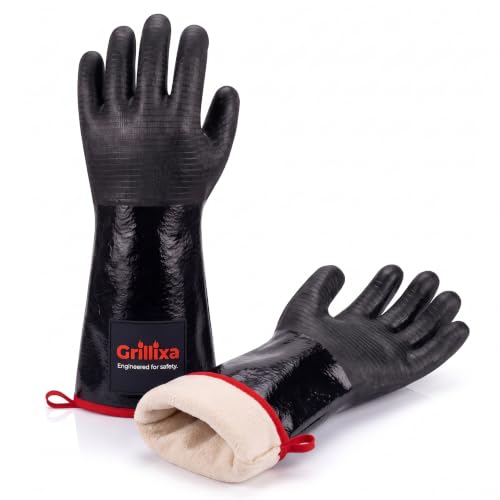
Quick Answer: The Three Types Worth Considering
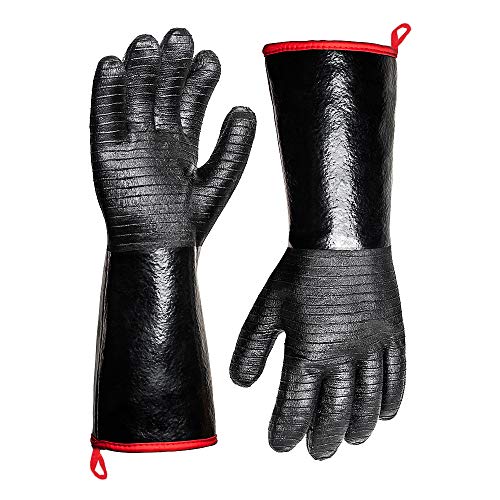
For most homes, choose insulated fabric gloves with a silicone grip pattern, because they balance heat protection with the finger movement you need for shredding. Choose full silicone gloves if easy rinsing matters most and your cooks are small or occasional. Choose leather gloves with a soft lined interior if you cook large shoulders often and want a sturdy pair that also moves roasts and pans. Fit matters more than any single rating.
Before You Buy: A Quick Checklist for Choosing BBQ Gloves for Pulling Pork
Pulling pork is a specific job. The meat is hot, wet, and slippery, and the work lasts several minutes rather than a few seconds. Run through the four checks below before you spend anything.
Which Type Fits Your Routine
Fabric gloves woven from aramid fibers give you the most natural finger movement, and most add silicone patterns on the palms for grip. Full silicone gloves shrug off juice and rinse clean in seconds, but the material feels stiffer and can make your hands sweat during a long shredding session. Leather gloves feel sturdy and calm around smokers and hot pans, though they move less freely.
Materials and Food Safety
Your gloves touch food directly, so the outer surface should be a material the maker states is safe for food contact, and it should have no loose fibers that could shed into the meat. A smooth or patterned grip surface is easier to wash free of grease than a rough woven surface alone. Inside, a cotton or similar soft liner keeps insulation from feeling scratchy and absorbs some moisture from your hands. If a listing is vague about what touches the food, or the liner cannot be removed or washed, treat that as a reason to keep shopping.
Dishwasher Safe or Hand Wash
Cleaning decides whether a pair stays pleasant to use. Full silicone gloves can usually go in the dishwasher or under the tap, which suits busy family kitchens. Fabric and leather pairs more often need hand washing and air drying, and a leather pair should never sit soaking in a sink. Think about your actual habits after a long cook. If washing a pair by hand will keep getting skipped, the pair that rinses clean in a minute is the better buy, even if it feels a little less refined in the hand.
Realistic Budget Ranges
Pairs at about $15 are simple silicone or basic fabric gloves that suit a household pulling pork a few times a year. Spending about $15 to $30 usually brings a better liner, a stronger grip pattern, separate sizes instead of one loose size, and stitching that holds up to regular washing. Pairs at about $30 to $50 tend to add thicker insulation, longer cuffs, and tougher outer materials for frequent cooks. None of these tiers helps if the fit is wrong, so let size and finger movement narrow your list before the price does.
Three Glove Types Compared for Pulling Pork
Instead of ranking individual products, compare the three builds below against your own kitchen, your household, and how much pork you cook at once.
Insulated Fabric Gloves With a Silicone Grip
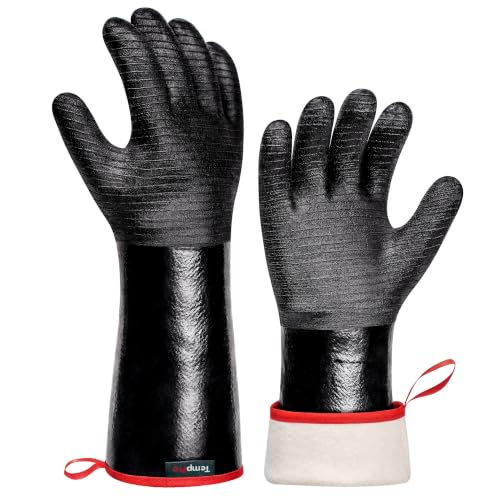
This is the most balanced option for most homes. The woven body bends with your fingers, so you can feel small bones and pieces of fat and pull them out as you shred. Silicone on the palms and fingers helps you hold a greasy shoulder steady on the board. Most pairs cover part of the forearm, which helps when you reach into a deep pan or a warm smoker. If heat protection is your top concern across many grill tasks, compare this style with the options in our guide to the best heat resistant bbq gloves before you decide.
Full Silicone Gloves
Full silicone gloves are the easy cleanup choice. Juice and sauce rinse straight off, the surface gives a firm hold on wet meat, and a textured palm helps when your hands are slick. The trade off is feel. Thick silicone dulls your sense of small bones, and the loose fit on many pairs lets the glove shift while you work. Homes that cook one shoulder at a time and value a fast wash will still like them, and our guide to the best silicone bbq gloves explains the style in more depth.
Leather Gloves With a Lined Interior
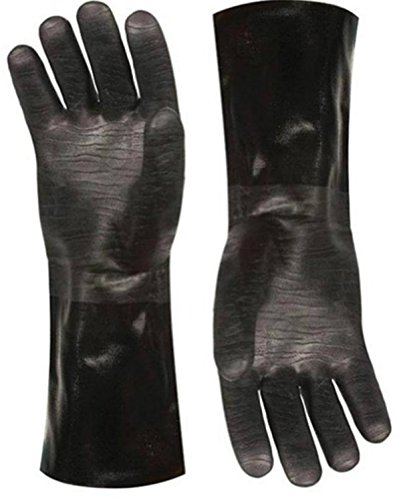
Leather gloves suit cooks who pull pork as part of a bigger outdoor routine that includes moving roasts, adjusting pans, and working close to a hot smoker. A lined interior keeps the leather from feeling harsh, and the cuffs on this style often run longest, shielding more of your forearm. The limits are stiffness and care. New leather bends less freely than fabric, so shredding fine strands takes more effort, and the pair needs gentle cleaning. Our guide to the best leather bbq gloves covers who gets the most from this build.
Our Selection Process
We judge gloves for this job on five things: ease of use with wet and greasy meat, durability of the seams and grip surface, how simple the pair is to clean, whether the design suits everyday home kitchens and ordinary storage, and value for the price tier. We rely on maker specifications and patterns in verified buyer feedback about fit, grip, and washing, and we weigh those reports more heavily than headline temperature ratings, which vary in how they are measured.
Living With It: What Really Matters at Home
Household size changes the right answer. A couple cooking one small shoulder needs dexterity above all, because the job is short and the strands cool fast. A family cooking two shoulders for a weekend gathering needs more insulation and longer cuffs, because your hands stay on hot meat far longer and a helper may take over halfway through. Two pairs in different sizes can serve a household better than one premium pair that only fits the main cook well.
Storage matters more than people expect. Gloves that live in a kitchen drawer get used, while gloves buried in a garage bin get forgotten until your hands are already hot. Leather pairs hold their shape and need a hook or open shelf space. Also think about steam. Pork releases a lot of it as you open the shoulder, and steam carries heat through damp fabric faster than dry air does, so dry gloves protect better than gloves still wet from an earlier task.
Common Mistakes to Avoid
- Buying one loose size for the whole household, because a glove that slides on your hand makes greasy meat harder to hold, not easier.
- Trusting the highest temperature rating on the listing, because a brief touch rating says little about holding hot meat for several minutes.
- Choosing short cuffs to save money, because your forearms then brush hot pans and smoker racks every time you reach in.
- Pulling pork with gloves that are still damp from washing, because moisture moves heat to your skin faster than a dry liner does.
- Using shredding claws as your only tool and skipping gloves, because claws cannot feel the small bones and hard fat that your fingers find easily.
Cost of Ownership and Care
The purchase price is only part of the cost. A pair that needs replacing after a season of split seams costs more over time than a sturdier pair, and a pair nobody washes properly soon smells like old grease and gets left in the drawer. Wash gloves after every cook, since pork fat left in fabric or on silicone turns rancid and weakens your grip next time. Our step by step guide to how to clean bbq gloves walks through washing by material. Dry pairs fully before storing them, keep them away from sharp drawer tools that can cut grip patterns, and budget for one replacement pair if you cook monthly, because liners compress with use and protect less as they thin.
Your Questions, Answered
Can I pull pork with regular oven mitts instead of BBQ gloves?
You can for a few seconds, but mitts work poorly for this job. A mitt gives you a thumb and one wide padded surface, so you cannot separate strands, pinch out fat, or feel for the small bones hidden in a shoulder. Mitts also soak up juice quickly, and wet padding feels hot fast. If mitts are all you have, let the meat rest a little longer, work in short bursts, and swap to a dry mitt when the first one feels damp.
Do gloves for pulling pork need to resist steam as well as dry heat?
Yes, and this is easy to overlook. A pork shoulder releases bursts of steam as you open it, and steam can pass through woven fabric and condense on your skin, which feels hotter than dry heat at the same temperature. A glove with a dense outer surface and a dry liner handles this better than a thin open weave. Work from the outside of the shoulder inward and pause when a fresh section vents, rather than pushing your hands straight into the center.
How do I know when a pair of BBQ gloves needs replacing?
Replace a pair when the padding over your fingertips feels thin or flat, because that is where you hold the meat longest. Other clear signs are grip patterns worn smooth, seams opening between the fingers, a liner that stays slick with grease after washing, and any cut or hole in the outer surface. A glove that makes you hurry because your fingers feel the heat sooner than they used to has already told you it is done.
Can two cooks with different hand sizes share one pair of gloves?
Sharing works only when your hand sizes are close. A smaller hand inside a large glove loses grip and finger feel, and the extra material bunches at the fingertips where you need control most. A larger hand in a small glove stretches seams and squeezes insulation thin. Many households do better with one good pair for the main cook and one simple low cost pair for a helper, which also means a dry pair is ready when the first gets soaked with juice.
Are expensive BBQ gloves for pulling pork worth the extra cost?
They can be, if you cook often. A household pulling pork once or twice a year gets little back from premium insulation and long cuffs, and a simple pair serves fine. If you smoke a shoulder most months, the better liner, stronger seams, and proper sizing of a pricier pair pay off in comfort and in a longer working life before replacement. Spend first on fit and grip, then on insulation, and only then on extra cuff length or premium outer materials.
Final Thoughts
Start with the type that fits your routine, confirm the size on your own hands, and pick the pair you will actually wash and store well. For most homes that means insulated fabric gloves with a silicone grip, with silicone or leather pairs suiting cleanup focused or heavy use kitchens. Check the product table above once more, choose your best bbq gloves for pulling pork with confidence, and enjoy meat that is shredded fast, served hot, and picked clean of bones.