
Best Cabinet Smokers for 2026: Sizes, Fuels and Features That Fit Real Homes
Disclosure: We may earn a commission when you buy through links on this page, at no extra cost to you. As an Amazon Associate I earn from qualifying purchases. Learn more

Cabinet smokers compared by size, fuel type, rack space and budget so you can match one to your patio and family.
A cabinet smoker earns its place at home only if it fits your patio, your family size, and the way you actually cook on weekends. A tall unit that crowds a small balcony or a small unit that cannot hold a holiday brisket will frustrate you fast. This guide to finding the best cabinet smoker focuses on space, household size, daily ease of use, and the true cost of owning one, and the comparison table below sums up the main types.
Cabinet smokers stack racks inside an upright box with a front door, so you get a lot of cooking area from a small footprint. The sections below walk through sizes, fuel types, features, budgets, and care, so you can match a model to your home.


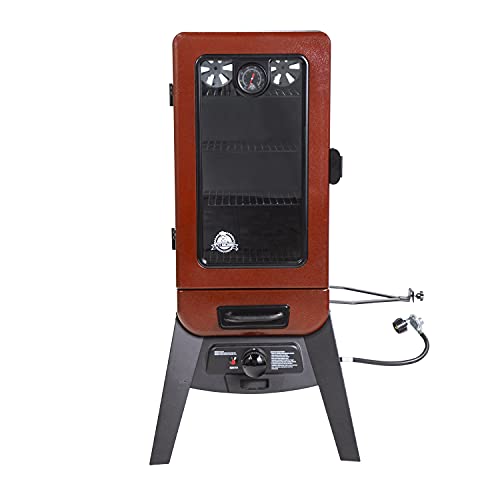
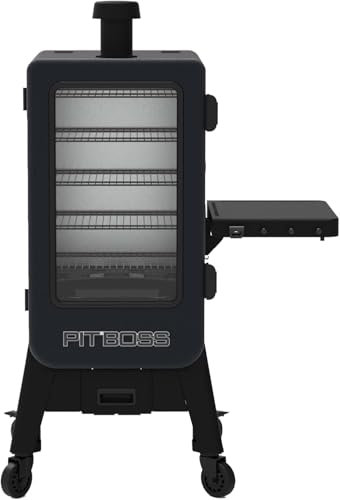

Quick Answer: How Cabinet Smoker Types Compare
Cabinet smokers come in three main fuel styles, and each suits a different routine. Electric models plug in, hold a steady temperature, and ask the least from you during a cook. Propane models heat up fast, run without an outlet, and give strong heat for cold days, but you manage a gas tank. Charcoal and gravity fed models deliver the deepest smoke flavor, yet they need more attention to vents and fuel. Pick the style that matches how hands on you want to be.
Before You Buy: A Quick Checklist for Choosing a Smoker
Size: Match It to Your Space
Start with the spot where the smoker will live. Measure the footprint on your patio, deck, or balcony, and leave clear space for the door to swing open and for safe airflow. Most home models are described as 30 inch or 40 inch units, which refers to height class rather than rack size. A 30 inch cabinet suits couples and small families and stores easily in a garage corner. A 40 inch cabinet holds more racks for parties and batch cooking, but it is heavier to move.
Which Type Fits Your Routine
Think about a normal Saturday. If you want to load the racks, set a temperature, and check in now and then, an electric cabinet fits that rhythm and is a friendly starting point if you are also reading about the best smoker for beginners. If your yard has no outdoor outlet, propane removes that limit. If you enjoy tending a fire and want bold smoke flavor, charcoal or gravity fed cabinets reward that effort.
Features Worth Paying For, and Ones to Skip
A few features genuinely make weekly use easier. A meat probe lets you track internal temperature without opening the door and losing heat. A water pan adds moisture and steadies temperature swings, which helps lean cuts stay tender. A wide door seal and sturdy latches cut smoke leaks. A window sounds appealing, but it fogs with smoke residue and adds a panel you must scrub, so it rarely changes results. App control is nice for long cooks, yet a simple reliable thermostat matters more. Sear grates belong to grilling and add cost without improving low and slow cooking.
Fuel Type and Running Cost
Fuel shapes both flavor and your monthly spend. Electric cabinets use a heating element and wood chips, so running cost is mostly electricity plus a modest amount of chips per cook. Propane cabinets burn through a standard tank over many hours, and refills are easy to find. Charcoal cabinets use the most fuel per cook, especially in wind or cold weather, because you feed the fire to hold temperature. Gravity fed designs sip charcoal more slowly thanks to an insulated chute. Count fuel as part of the purchase when you compare prices.
Cooking Area and Heat Output
Cooking area is listed in square inches, and rack count matters as much as the total. Four racks around 700 to 900 square inches will hold several racks of ribs or two briskets with room for air to circulate. Crowding racks blocks smoke flow and slows cooking, so a slightly larger cabinet often cooks better than a packed small one. For electric and propane models, heat output in BTU or watts tells you how fast the unit recovers after you open the door. Higher output helps in winter, while insulation matters more on mild days.
Build Materials and Rust Resistance
The cabinet body takes heat, grease, and weather, so materials decide how long it looks and works well. Thicker steel holds heat steadier than thin sheet metal and resists warping around the door. A powder coated finish shrugs off light rain, while stainless steel racks and hinges resist rust best. Check the door gasket and whether replacement racks and pans are easy to order. A cover is cheap insurance if the smoker lives outdoors all year.
Realistic Budget Ranges
Prices spread widely, and each step up buys something specific. At about $200 or less you get a compact electric or charcoal cabinet with basic controls, fine for learning and small batches. Around $300 adds digital controls, better insulation, and more racks. Around $500 is where sturdier steel, stronger seals, and larger 40 inch cabinets appear. Around $1000 brings premium insulation, gravity fed designs, and app control. Budgets near $2000 sit in specialty territory most home cooks do not need. Spend first on size and build, then on extras.
Cabinet Smoker Types Compared
Electric Cabinet Smokers
Electric cabinets are the easiest entry point for most homes. You load wood chips into a tray or tube, set the temperature, and the element cycles to hold it. Smoke flavor is milder than charcoal, and most models top out at temperatures suited to smoking rather than searing. They shine for fish, jerky, cheese, and poultry, and they often work on apartment balconies where open flame rules ban other fuels, though you should check your building rules first. If this style appeals to you, our guide to the best electric smoker goes deeper on sizes and controls.
Propane Cabinet Smokers
Propane cabinets pair a gas burner with a wood chip box, giving you fast startup and strong heat without an outlet. They recover temperature quickly after you open the door, which helps when you baste or wrap meat midway. The trade off is tank management: you need a spare tank or a gauge so a long cook never ends early. Compare running costs and flavor against an electric model if you are torn between gas and electric.
Charcoal and Gravity Fed Cabinet Smokers
Charcoal cabinets burn lump charcoal or briquettes in a firebox at the base, and you steer temperature with vents. They produce the richest smoke flavor of the cabinet family and handle brisket and pork shoulder beautifully. Gravity fed models load charcoal into a sealed chute that feeds the fire slowly, stretching one load across a long cook with far less tending. Both styles ask more of you than electric or propane, and ash cleanup is part of the routine.
Cabinet Smokers Compared With Other Smoker Styles
The cabinet shape itself is the advantage for many homes. Stacked racks use vertical space, so a cabinet gives you party level capacity on a footprint closer to a small fridge. A drum smoker cooks well but offers less rack flexibility, and an offset smoker needs a long side yard and constant fire care. Pellet grills add grilling range but cost more and use more floor space. If you are still deciding between formats, start with our overview of the best smoker styles, then return to cabinet sizes once the shape suits your space.
Common Buying Mistakes to Avoid
- Buying by height alone: a 40 inch label says little about usable rack space, so check square inches and rack count or you may still run out of room.
- Ignoring the storage spot: a cabinet that blocks a walkway or sits under a low cover becomes a daily annoyance and a safety problem.
- Paying for a window and apps first: extras cannot fix thin steel or a leaky door, and those basics decide your results on every cook.
- Forgetting fuel and parts costs: tanks, chips, gaskets, and replacement racks add up over the years you own the smoker.
- Skipping the door seal check: visible gaps at the door leak heat and smoke, which stretches cook times and wastes fuel.
Cost of Ownership and Care
Owning a cabinet smoker costs more than the purchase price. Budget for wood chips or chunks, propane refills or charcoal, foil pans, and a cover. Each season, inspect the door gasket, hinges, and burner or element for wear, since those parts are the usual first replacements. After cooks, empty ash once it is fully cold, wipe grease from the drip pan, and wash racks with warm soapy water. Give the interior a deeper clean once a season. Store the unit dry to hold rust at bay.
FAQ
What is the most reliable cabinet smoker brand?
Reliability in this category tracks build details more than the badge on the door. Look for thick steel, a tight sealing door, simple controls with fewer electronics to fail, and a brand that stocks spare racks, gaskets, and elements years after purchase. Recent buyer feedback about customer service tells you more than any award list. A maker that ships parts quickly will keep your smoker cooking long after a flashier rival fades.
How do you clean a cabinet smoker?
Start when the unit is cool: remove the racks and pans, scrape softened residue from the walls with a plastic scraper, and wash removable parts with warm water and mild soap. Wipe the interior rather than soaking it, because standing water invites rust on steel surfaces. Empty the grease tray every few cooks, since built up grease is a fire risk on the next long session. Never use oven cleaner inside a smoker unless the manual allows it, as residue can taint food flavor.
Is a smoker worth it for a home cook?
A smoker is worth it if you enjoy the process and eat smoked food often enough to use it monthly in season. It turns modest cuts like pork shoulder into generous family meals and makes gatherings easy, since large cuts cook with little active work once the temperature settles. It is harder to justify if your household is small, your outdoor space is tight, or you prefer fast weeknight cooking. Starting with a compact electric model can test your interest cheaply.
How long does a cabinet smoker last?
A well kept cabinet smoker commonly serves for about five to ten years, with the range set by steel thickness, weather exposure, and how often it cooks. Electric elements, propane burners, and door gaskets are wear parts that may need replacing midway through that span. Keeping the unit covered, cleaning grease before it hardens, and storing it out of standing water all push toward the long end. Thin budget cabinets used weekly and left uncovered may show rust and seal problems much sooner.
Are cabinet smokers worth it compared with other styles?
Cabinet smokers are worth it when floor space is your tightest limit, because no other style packs as much rack area into such a small footprint. The front door makes loading and basting easier than lifting racks out of a drum, and the enclosed box shelters the fire from wind better than many open designs. They give up the high heat searing of a grill. For small patios and batch cooking, that trade usually favors the cabinet.
Final Thoughts
The right cabinet for your home comes down to three matches: the footprint fits your space, the rack area fits your family and guests, and the fuel style fits the effort you enjoy giving. Electric suits relaxed routine cooking, propane suits flexibility away from outlets, and charcoal or gravity fed designs suit flavor chasers. Use the product table above to compare sizes and controls, and choose the best cabinet smoker you will still enjoy using years from now.


