
Best BBQ Gloves: Styles, Materials and Buying Tips (2026)
Disclosure: We may earn a commission when you buy through links on this page, at no extra cost to you. As an Amazon Associate I earn from qualifying purchases. Learn more
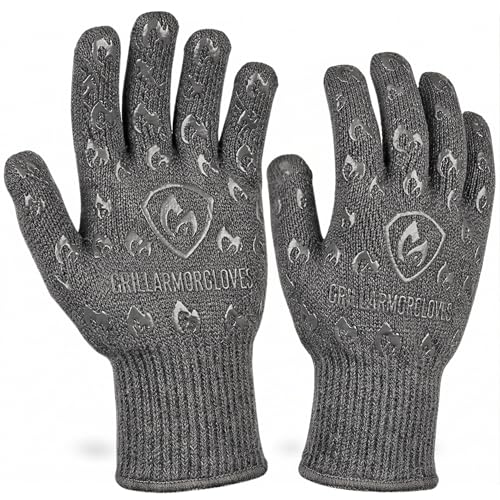
Material, cuff length and fit matter more than a heat rating. Compare three styles to find the best bbq gloves for your grill and smoker.
Picture a Saturday cookout on a small patio. The grill is crowded, a child wants a drink from the cooler, and you need to lift a hot grate, turn food, and close the lid without hunting for a towel that keeps slipping. The right best bbq gloves make those few seconds calm and controlled instead of rushed and risky.
This guide helps you choose by the things that matter at home, including your cooking space, how many people share the gloves, how often you grill, and what you can spend. Start with the comparison table below, then use the checklist to match a glove style to your routine.

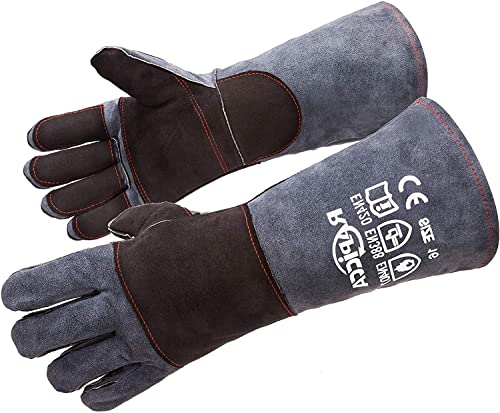
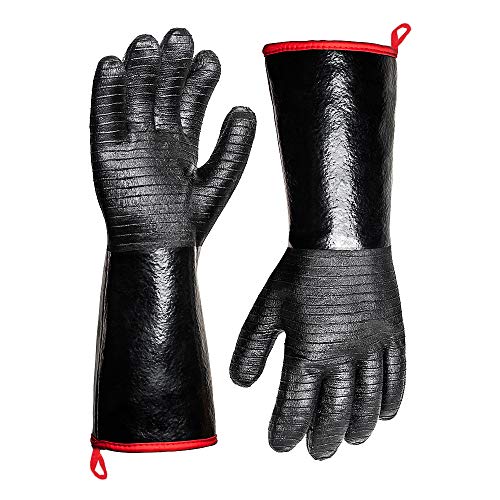
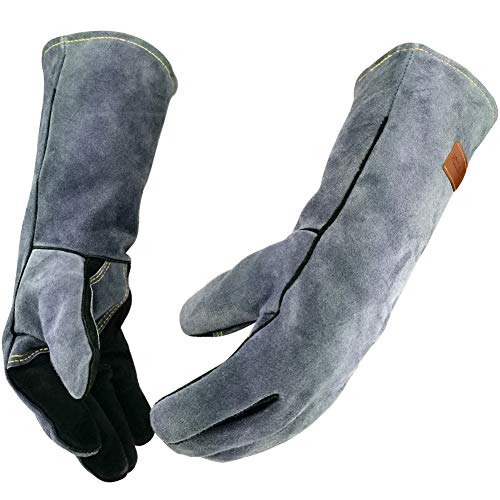
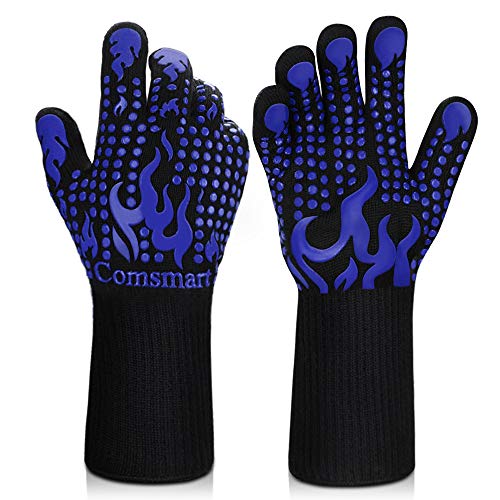


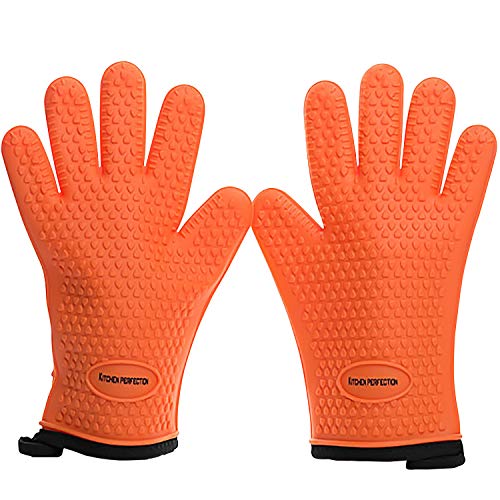
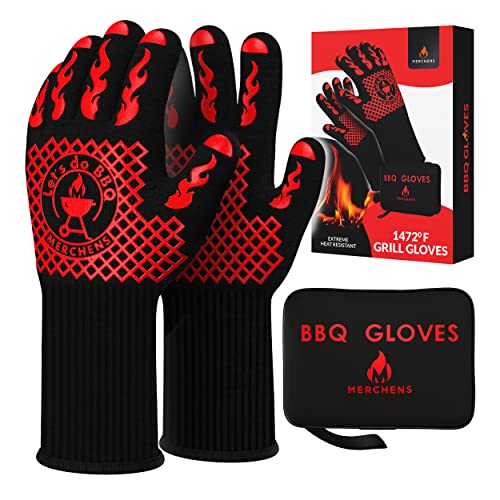
Quick Answer: Three Glove Styles That Cover Most Homes
Most households do well with one of three broad styles. A flexible insulated pair suits mixed grilling and smoker work because it balances protection with finger movement. A silicone pair suits frequent cooks who value grip on wet pans and simple rinsing after messy sauces. A long leather pair suits open flame cooking and fire pit tasks where longer cuffs and a tougher outer surface matter more than fine finger control.
None of these styles wins on every point. Your priority should be the task you do most often, not the highest heat rating on a label. A glove you can put on quickly, grip with, and clean without fuss will get used every time, and consistent use is what actually protects your hands.
Before You Buy: A Quick Checklist for Choosing BBQ Gloves
Work through the four points below before you look at colors or brand names. Together they narrow the field fast, because size, material, cleaning, and budget interact. A cheap glove in the wrong size still feels clumsy, and a premium glove you dread washing will sit in a drawer.
Which Type Fits Your Routine
Start by naming your main jobs. Turning burgers and moving vegetables calls for slim fingers and good feel through the material. Pulling pork, lifting brisket, or handling a hot smoker rack calls for thicker insulation and a cuff that covers your forearm. If your grill sits beside a fire pit, longer coverage matters again. Households that cook several ways often keep two pairs, one flexible pair for food handling and one heavier pair for grate and charcoal work, rather than forcing one glove to do everything.
Materials and Food Safety
Common outer materials include aramid fiber blends, silicone, leather, and quilted cotton with an insulated lining. Aramid blends stay flexible and resist heat well for their thickness. Silicone sheds water and sauce and gives strong grip, though thick silicone fingers can feel blunt. Leather is tough and shapes to your hand over time, but it absorbs moisture. For food contact, check that any surface touching food is described by the maker as suitable for that use, and keep gloves clean, because a dirty glove touching cooked food defeats careful handling elsewhere.
Dishwasher Safe or Hand Wash Only
Cleaning rules differ sharply by material, and this affects daily life more than most buyers expect. Many silicone gloves can go in a dishwasher or be washed in a sink in minutes, which suits busy family kitchens. Fabric and leather gloves usually need hand washing and slow air drying, and a pair that stays damp in a humid garage can smell stale. Before buying, read the care label summary on the product page and picture where the gloves will dry and live between cooks. Storage near the grill, on a hook rather than in a sealed bin, keeps them ready and dry.
Realistic Budget Ranges
Gloves under $15 usually cover basic grilling, with thinner insulation and simpler cuffs, so they suit occasional cooks and spare pairs for helpers. Pairs under $30 often add better finger shaping, longer cuffs, and linings that feel comfortable for longer smoker sessions. Options under $50 tend to bring tougher stitching, thicker insulation, or leather that holds up to frequent use. Spending more only helps if it buys a feature you will feel, such as a better fit for small or large hands, rather than a longer list of claims you will never test at home.
Three Types Compared for Everyday Home Use
Instead of ranking individual models, compare the three main types against your own routine. The same buying factors apply to each one, including fit, cuff length, grip in wet conditions, cleaning effort, and how the glove feels after twenty minutes of wear.
Flexible Insulated Gloves for Most Homes
This is the balanced choice for a household that grills, smokes, and occasionally bakes outdoors. A fabric body with an insulated lining lets your fingers bend around tongs and food, and a textured palm coating helps with damp trays. Look for a cuff that reaches past your wrist and a lining that does not bunch when you make a fist. The trade off is cleaning, since fabric holds sauce and smoke odor longer than silicone and needs a proper wash rather than a quick rinse.
Silicone Gloves for Easy Cleanup and Strong Grip
Silicone gloves appeal to cooks who hate laundry piling up after a cookout. Sauce, marinade, and grease wash off the surface quickly, and raised patterns on the palm help you hold a wet pan or a slippery chicken. They also tolerate being left near a sink without damage from splashes. The limits show up in dexterity and insulation, because thick one piece fingers can make small tasks awkward, and some designs rely on a thin inner lining for comfort during longer contact with hot metal.
Leather Gloves for Longer Coverage and Rough Tasks
Leather gloves fit homes where grilling blends into wood fire cooking, chimney starters, and camp style setups in the yard. Long cuffs shield forearms when you reach across a wide firebox, and the outer surface shrugs off sparks and rough grate edges. A good pair should still let you close your hand fully, so try to judge thickness from sizing details rather than photos alone. Leather needs more care, since repeated soaking and harsh heat drying can stiffen it, and it is rarely the quickest glove to clean after sticky sauces.
How We Judge a Pair Without Hype
Our judging rests on maker specifications, verified buyer feedback patterns, and the practical factors in this guide. We weigh ease of use first, because a glove that fights your hands will be left indoors. Next come durability of stitching and surface, cleaning effort, cuff coverage, sizing range, and value for the price band. We treat headline heat ratings with caution, since rating methods vary and a rating alone says little about comfort during real cooking.
Quick Picks by Household and Space
If heat protection is your top concern and you often work over a very hot grill or smoker, begin with our guide to the best heat resistant bbq gloves and compare insulation thickness against finger movement for your usual tasks.
Apartments and small patios reward gear that stores flat and washes fast, and cooks in those spaces usually land on the best silicone bbq gloves because one pair can move between the grill and the kitchen sink without special care.
For a house with a fire pit, a wood fired oven, or a large offset smoker, the best leather bbq gloves deserve a close look, since longer cuffs and a rugged outer layer suit reaching and lifting around open flame.
Families who hand hot trays between two cooks, or who hold food steady for long carving sessions, should compare the best insulated bbq gloves, where the inner lining and steady grip matter more than surface toughness.
Common Buying Mistakes to Avoid
- Buying one size for every adult in the house, which leaves small hands swimming in loose fabric and reduces grip when it matters most.
- Choosing the longest cuff for a compact balcony grill, where extra material bunches at the elbow and catches on shelves and side tables.
- Judging by heat rating alone and ignoring finger fit, which leads to fumbling tongs and dropping food even though the glove itself feels protective.
- Paying for features your cooking never uses, such as extreme insulation for a gas grill that mostly handles burgers, skewers, and vegetables.
- Forgetting replacement cost, because a glove with a lining that cannot be washed well may need replacing sooner than a simpler pair.
Cost of Ownership and Care
Gloves are cheap to own, but care habits decide how long a pair stays pleasant to use. Wash fabric gloves after greasy cooks, dry every type fully before storing, and keep a spare pair if your household grills several times a week in summer. Our step by step guide on how to clean bbq gloves covers stain and odor removal by material. Inspect palms and fingertips before each season, and retire a glove with a worn or compressed spot, since thin insulation in one small area is exactly where a burn starts. Stop using any glove that lets heat through quickly, and treat a burn that blisters or covers a large area as a reason to seek medical care promptly.
Your Questions, Answered
What is the most reliable brand of BBQ gloves?
Reliability depends more on construction than on a name. Look for even stitching, a lining that stays in place when you pull the glove off, and a sizing chart with actual hand measurements. Brands that publish care instructions and replacement policies clearly tend to support their products better. A modest pair with those basics will usually outlast a famous label bought in the wrong size or stored damp.
How do you clean BBQ gloves?
Match the method to the material and act soon after cooking, before grease sets. Silicone can usually be washed with hot soapy water, while fabric pairs often do better soaked briefly and then rinsed and air dried. Leather should be wiped rather than soaked. Whatever the type, dry the inside as well as the outside, because trapped moisture is the main cause of lingering odor between cooks.
Are expensive BBQ gloves worth it?
They can be, if the extra money buys fit and durability you will notice weekly. Frequent smoker cooks benefit from thicker insulation and longer cuffs, and large households benefit from gloves that survive constant washing. If you grill a few times each summer, a mid priced pair in the right size is the smarter spend, and the savings can go toward a second pair so a clean set is always ready.
How long do BBQ gloves last?
There is no fixed lifespan, because heat exposure, washing, and storage all wear a glove down at different rates. A useful check is how a glove behaves in use. If heat reaches your fingers faster than it used to on the same task, or the grip surface has gone smooth and shiny, the glove is near the end of its useful life even if it still looks intact from a distance.
What is the best way to check BBQ glove fit before buying?
Measure around your palm at the widest point and from wrist to the tip of your middle finger, then compare both numbers with the maker sizing chart rather than guessing from clothing sizes. If your measurements fall between sizes, consider how thick the lining is, since a bulky lining makes a snug size feel smaller in practice. A glove should let you pick up a coin sized item without the fingertips folding over.
Final Thoughts
The product table above pulls the main options together, but your routine should make the final call. Match the material to your cleaning habits, the cuff to your grill and fire tasks, and the size to the hands that will actually wear the gloves. Chosen that way, the best bbq gloves for your home will feel like a simple habit rather than another gadget, and every cookout gets a little calmer and safer.


