
Best Apple Wood Pellets (2026): Pure Apple vs Blends
Disclosure: We may earn a commission when you buy through links on this page, at no extra cost to you. As an Amazon Associate I earn from qualifying purchases. Learn more
Best Apple Wood Pellets guide: compare pure apple and blends by smoke strength, ash, dust and bag size for pellet grills and smokers.
Saturday lunch at home often means ribs or chicken on the patio, and the smoke you choose shapes the whole meal. If you want mild and slightly sweet smoke that suits family tastes, best apple wood pellets is the search that leads most home cooks to the right bag. This guide helps you choose by patio space, household size, and budget, so one purchase fits the way you actually cook.
You will learn how pure apple differs from blends, what clean pellet quality looks like, and how storage affects every cook. The product table below lists real bags so you can spot the right fit fast. If you are still weighing woods beyond apple, our guide to best wood pellets gives the wider view first.


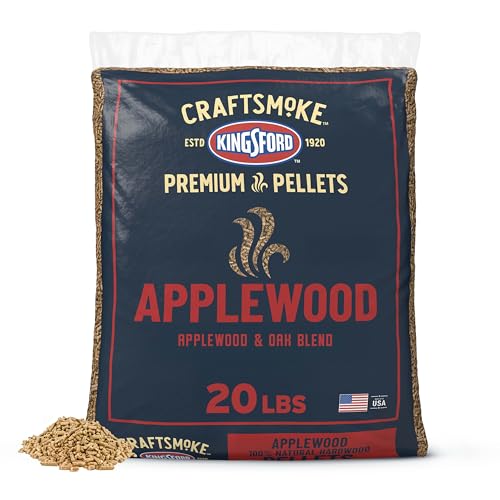
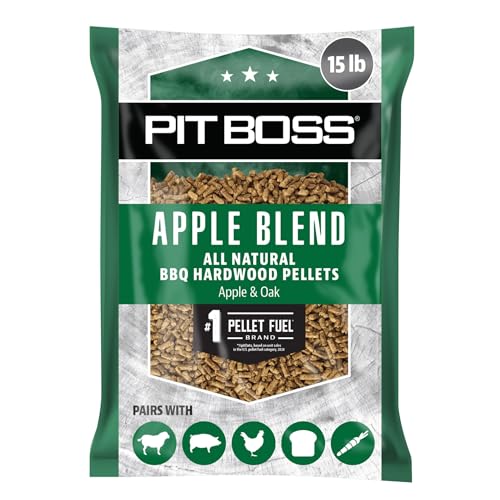


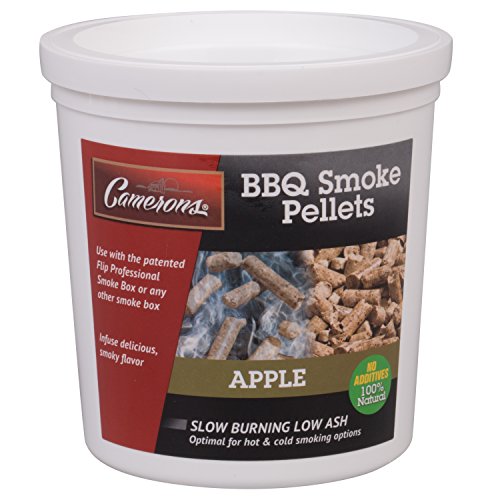
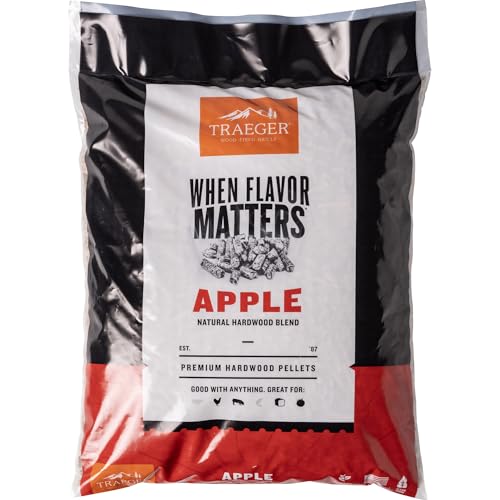
Quick Answer: Apple Pellets at a Glance
Apple wood gives light, sweet smoke that rarely overpowers food, which is why it suits pork, poultry, and family meals where not everyone loves heavy smoke. In short, the best apple wood pellets for most homes are pure apple or apple rich blends with low dust, low ash, and no added oils or flavor sprays. Choose pure apple for short cooks, and an apple blend for longer cooks that need more heat.
- Pure apple: mildest smoke, best for chicken, turkey, fish, cheese, and vegetables.
- Apple blends: apple mixed with oak or hickory for stronger smoke and steadier heat.
- Charcoal apple blends: apple with charcoal for a grilled note along with sweet smoke.
Before You Buy: A Quick Checklist for Choosing Apple Pellets
A bag of pellets looks simple, but small details decide whether your grill runs clean and your food tastes sweet or dusty. Work through the points below before you pay, and you will avoid the bags that cause jams, weak smoke, and wasted money.
Which Type Fits Your Routine
Think about how you cook most weeks, not the one big holiday cook. If weeknight dinners are chicken, sausages, and vegetables, pure apple keeps flavors gentle and pleases kids and guests who dislike bitter smoke. If weekends mean pork shoulders and ribs, an apple blend with oak gives you the same sweet base with more staying power. Households that cook for six or more people burn through bags faster, so a larger bag of blend can suit the routine better.
Flavor Strength and Smoke Output
Apple sits at the mild end of the smoke scale, below hickory, oak, and mesquite. That mildness is a strength for foods that absorb smoke quickly, like poultry skin, fish, and cheese, where strong wood can taste harsh within an hour. On very long cooks the flavor can fade into the background. Clean burning pellets with steady feed give a thin and even smoke, while damp or dusty pellets smolder and can leave a sour note.
Pellet Quality, Fillers, and Food Safety
Choose pellets sold for cooking, never pellets sold for home heating, because heating pellets can contain woods and binders that are not meant for food. Cooking pellets should list their wood source clearly and use pressure and natural lignin to hold shape, with no added oils, glues, or flavor sprays. Look for mostly whole pellets with a smooth surface and very little loose dust in the bag. A strong chemical smell, lots of crumbled pieces, or mystery wood in the ingredient list are all reasons to pick another bag.
Ash Content and Cleanup Effort
Every bag leaves ash behind, and the amount changes how often you clean the fire pot and vacuum the grill body. Pellets with bark and fillers tend to leave more ash, and heavy ash can smother the fire on long cooks and dull the heat. Pure hardwood pellets with low ash claims usually burn cleaner, which matters if your grill sits on a small patio where deep cleaning is a chore.
Realistic Budget Ranges
Most home cooks shop in two bands. Bags under $20 are usually smaller or blended, and they suit couples and small families who grill a few times a month. Bags under $40 are often larger or pure apple, and they lower the cost per cook for bigger households that smoke most weekends. Shipping matters too, because a cheap bag with paid delivery can cost more than a larger bag with free delivery.
Types Compared: Pure Apple, Blends, and Bolder Mixes
With the checklist in mind, the choice narrows to three broad types. The right one depends on the food you cook most, the size of your household, and how much smoke your family enjoys.
Pure Apple for Gentle Smoke and Family Meals
Pure apple pellets are the safest pick when one meal must please a mixed table, from grandparents to picky kids. The smoke stays light and sweet on chicken, pork chops, and vegetables, and it rarely turns bitter if a cook runs long. This type also shines for holiday birds, and our guide to the best wood pellets for turkey explains why mild wood suits a bird that cooks for hours. Small patio homes benefit too, because gentle smoke drifts less into open windows and nearby seating.
Apple Blends for Everyday Grilling and Ribs
Blends that mix apple with oak or cherry give you a middle path for weeknight grilling and weekend smoking. The apple keeps the flavor rounded while the partner wood adds body, so ribs and pork shoulder taste smoked rather than perfumed. If ribs are your main event, the notes in our guide to the best wood pellets for ribs show how blend ratios change bark and sweetness. Blends also tend to cost less per bag than pure apple, which helps families who grill several times a week.
Apple With Oak or Hickory for Bolder Cooks
When the menu turns to beef, a small share of apple in a stronger mix keeps edges sweet while oak or hickory does the heavy work. This style suits large backyards and big gatherings where brisket and beef ribs cook for many hours and mild smoke alone would vanish. Our guide to the best wood pellets for brisket covers stronger pairings in depth if beef is your focus. Choose this type only if your household enjoys pronounced smoke, because the same boldness can overwhelm chicken and fish.
Our Selection Process for Apple Wood Pellets
We judge the best apple wood pellets on smoke flavor, ease of use, burn consistency, cleanup, and value for money. Our notes draw on maker specifications, ingredient lists, and patterns in verified buyer reports about dust, jams, and ash. We weigh family reports about storage and freshness heavily.
That process favors pellets that a busy household can store easily, pour without mess, and trust on a long cook without constant checks. When reports conflict, we trust repeated patterns over single strong opinions.
What Stands Out About Apple Compared With Other Woods
What we like most about apple is restraint. It sweetens pork and poultry without masking rubs and sauces, and it lets new smokers learn timing without harsh results when a cook runs long. Guests who claim to dislike smoked food often enjoy apple smoked chicken, which makes it a smart default for mixed gatherings at home.
The trade off is strength, because apple alone can taste faint on beef and on cooks that run past ten hours. Hickory brings a bacon like punch, mesquite brings bold earthy smoke for short hot grilling, and oak brings steady heat with medium smoke for almost any food. Cherry sits close to apple but adds deeper color to poultry skin and pork.
Common Mistakes to Avoid
Most disappointment with apple pellets comes from a few simple errors at purchase or on cook day.
- Choosing pure apple for a twelve hour brisket leads to faint smoke flavor that no extra rub can fix.
- Storing an open bag on a damp garage floor lets pellets swell and crumble, and swollen pellets can jam the auger mid cook.
- Judging a bag by price alone ignores dust levels, and a dusty bag feeds unevenly and smokes in harsh bursts.
- Switching woods without emptying the hopper mixes flavors, so the first cooks taste muddy instead of clean and sweet.
- Filling the hopper and leaving pellets outdoors for weeks invites moisture, and stale pellets light slowly and burn dirty.
Cost of Ownership and Care
Running costs stay modest for most homes. A pellet grill burns roughly one to two pounds per hour at smoking temperatures and more at high heat, so a standard bag covers several family dinners or one long weekend cook. Our guide on how long do wood pellets last breaks down burn rates by temperature if you want to plan bags per month.
Storage decides how long pellets stay fresh and safe to burn. Keep bags indoors in a dry spot off the floor, pour what you need into a sealed bucket with a tight lid, and leave the rest sealed in the original bag. Our steps for how to store wood pellets add detail on bins and humidity for humid climates. Vacuum ash from the fire pot after every few cooks, wipe grease from the drip tray, and check stored pellets for swelling before each use.
Your Questions, Answered
Can you use apple wood pellets in any pellet grill?
Yes, in nearly all cases. Pellet grills are built around standard diameter food grade pellets, and apple pellets match that size, so they feed through most augers without changes. Check your grill manual first, because a few makers ask owners to use their own pellets during the warranty period. If your grill has sat with old pellets in the hopper, clear them out before loading apple so the first cook tastes clean.
Are apple wood pellets a good choice for brisket?
They can work, but expectations matter. Brisket absorbs most of its smoke early, before wrapping, and apple smoke is so mild that a long unwrapped phase still yields gentle flavor. Cooks who love bold beef smoke often burn oak or hickory for the first hours and save apple for pork and poultry cooks. If apple is all you own, keep the brisket unwrapped a bit longer and rest it well, because rest time lets the mild smoke settle.
Are apple wood pellets worth it if you already own a mixed blend?
For many homes, yes, because the cost per cook stays low. A single bag of pure apple can cover many poultry and pork meals across a season, and it gives you a gentle option when a blend tastes too strong for kids or guests. It also helps when you smoke cheese or nuts, foods that pick up harsh notes fast. Buy the smaller bag first if storage space is tight, then size up once you know your pace.
How can you tell if apple wood pellets have absorbed moisture?
Healthy pellets look slightly glossy, feel firm, and snap cleanly when you bend one. Pellets that took on moisture look dull and bend or crumble instead of snapping. You may also notice the bag feels heavier and pellets near the bottom clump together. Do not try to rescue swollen pellets in an oven, because uneven drying can leave wet cores that smoke badly, so replace the bag instead.
What foods taste best with apple wood pellets besides pork?
Turkey and chicken lead the list, since mild smoke suits lean meat and crisp skin. Salmon and trout also pair well for short smokes, and apple smoke flatters baked goods like hand pies and cobblers cooked on the grill. Cold smoked cheese, almonds, and even butter take on a gentle sweetness that stronger woods would bury. Start with short exposure for delicate foods, because you can always add smoke time on the next cook.
Final Thoughts
Look back at the product table above and match the type to your home: pure apple for gentle family meals, blends for daily grilling, and bolder mixes for beef lovers. Stored dry and bought in the right bag size, the best apple wood pellets turn routine dinners into food your household asks for again. Pick one type, cook with it for a few weeks, and let your own table cast the deciding vote.


