
Best BBQ Cookers: Everything to Know Before Your First Purchase for 2026
Disclosure: We may earn a commission when you buy through links on this page, at no extra cost to you. As an Amazon Associate I earn from qualifying purchases. Learn more
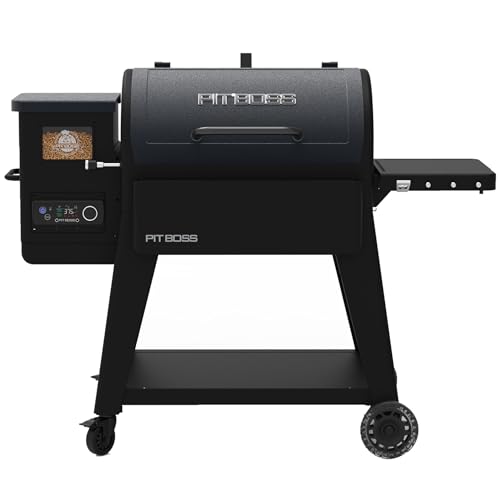
New to the best bbq cookers? This simple guide explains fuel types, sizes, and key specs in plain English so your first purchase fits your yard.
Buying your first outdoor cooker is exciting, but the terminology alone can slow you down. Pellet hoppers, BTU ratings, offset fireboxes, and kamado shells all compete for your attention before you have cooked a single rack of ribs. This guide slows the process down and explains the best bbq cookers in plain language, one decision at a time.
You will learn what each fuel type tastes like, how much cooking area you actually need, and which features are worth paying for on a first purchase. No experience is assumed, and every spec is tied to what it means at the grill. When you finish reading, the product table will make much more sense.

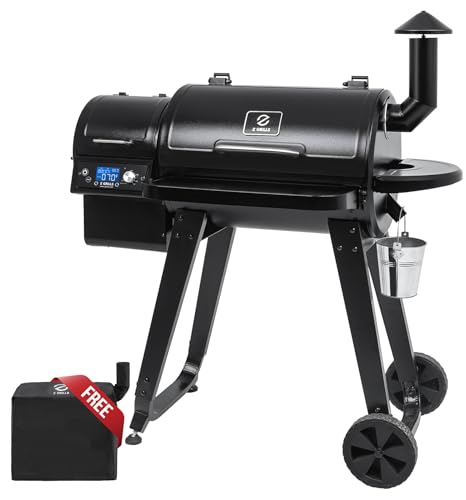
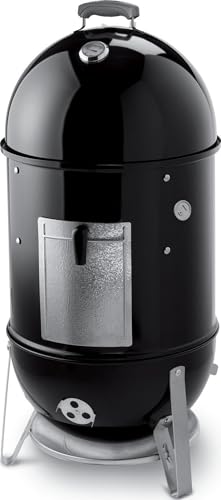
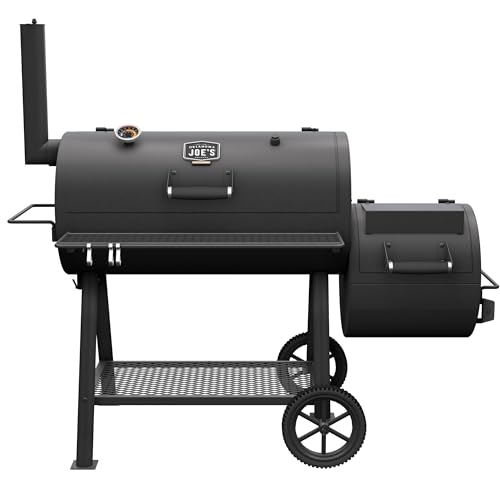



BBQ Cookers 101: The Basics
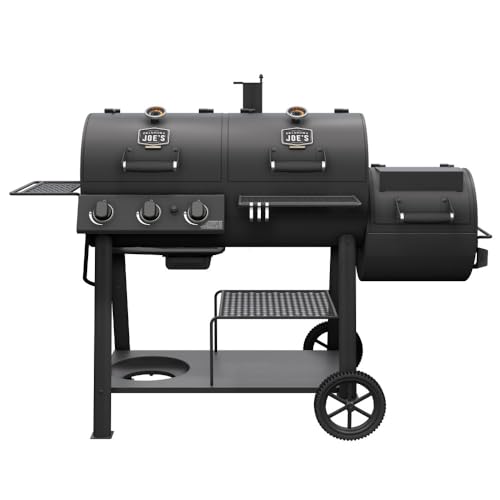
A BBQ cooker is any outdoor unit built to cook with sustained heat and, in most cases, real smoke. The category includes charcoal grills, pellet grills, gas grills with smoker boxes, offset smokers, vertical smokers, and kamado grills. Some are built mainly for fast grilling at high heat, while others shine at low and slow cooking, holding about 225°F for many hours to tenderize brisket, pork shoulder, and ribs.
All of them do the same basic job in different ways. A fuel source creates heat, a cooking chamber holds that heat around the food, and vents or electronics control how hot the chamber stays. Your main choices are the fuel, the size of the chamber, and how much of the temperature control you want to do by hand. If your interest leans toward direct grilling more than smoking, our guide to the best bbq grills covers that side of the category in depth.
One more term helps before you shop. Cooking area is measured in square inches and usually combines the main grate with a warming rack. The main grate number matters most, because that is where real cooking happens at full heat.
Key Specs Explained in Plain English
Fuel Type (Gas, Charcoal, Pellet, Electric)
Charcoal delivers the classic smoke flavor and high searing heat at the lowest purchase price, but you manage the fire yourself and cleanup involves ash. Gas lights in seconds and holds a steady temperature with a dial, which suits weeknight cooking, though the smoke flavor is mild unless you add a smoker box. Expect to keep a spare propane tank on hand so a cook never ends early.
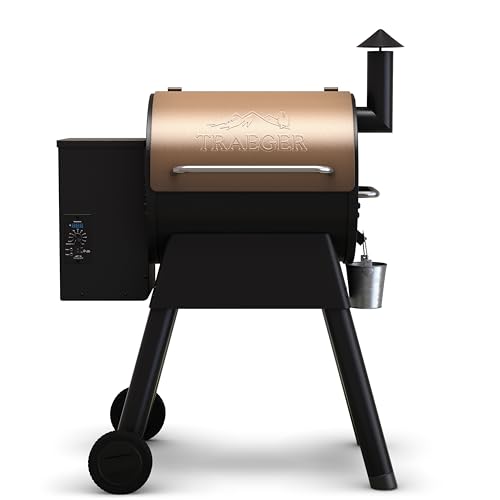
Pellet cookers burn compressed wood pellets and feed them automatically, so you get real wood flavor with near gas convenience and precise temperature holding. They cost more and need electricity. Electric cookers are the simplest and often the only legal option on some balconies, but they produce the lightest smoke and the weakest sear. For a first purchase, match the fuel to how much fire tending you honestly enjoy.
Portability and Footprint
Measure the spot where the cooker will live before you fall for a big one. A full size offset or pellet cooker can occupy a footprint about 4 to 5 feet wide once you add side shelves and room to open the lid. Check door widths and gate widths too, because many cookers arrive partly assembled and bulky. Sturdy wheels matter more than you expect if you store the unit in a garage and roll it out for each cook.
For tailgating, camping, or a small balcony, compact tabletop and folding models exist in charcoal, gas, and pellet form. They trade cooking area for easy storage and transport. Be honest about your space. A mid size cooker you use weekly beats a giant one that crowds your patio and slowly gets ignored.
Temperature Control and Smart Features
Temperature control decides how relaxing your cook feels. On charcoal and offset cookers you control heat with intake and exhaust vents, which is rewarding but demands attention every 30 to 60 minutes. Pellet cookers automate the job with a controller that feeds pellets to hold your set temperature. A PID controller is the smarter version, making small constant adjustments so the temperature swings far less.
Smart extras include WiFi and Bluetooth monitoring, meat probe inputs that track internal food temperature, and alarms that warn you when fuel runs low. A built in meat probe is genuinely useful for beginners because it removes guesswork on thick cuts. WiFi is a nice luxury for long cooks, but it cannot fix a cooker with poor basic heat control, so rank it below build and capacity.
Heat Output and Temperature Range
Gas grills list heat output in BTU, but the raw number misleads on its own. What matters is BTU relative to cooking area, plus how well the lid and body hold heat. A cooker that reaches about 500°F to 650°F can sear steaks and burgers properly. For smoking, the low end matters more. Look for a unit that can hold about 225°F steadily, since most classic barbecue cooks between about 225°F and 275°F.
Ask two simple questions of any model. Can it stay low for ten hours without wild swings, and can it get hot enough to finish with a crust? Pellet and kamado cookers usually answer both well. Thin walled bargain smokers often struggle at the low end, burning fuel fast and spiking after every adjustment. Temperature range is a daily quality, not a spec sheet trophy.
Ash, Grease Management, and Cleanup
Every cooker makes ash or grease, and the design decides whether cleanup takes five minutes or thirty. Charcoal units should have a removable ash catcher you can empty without tipping the cooker. Pellet models collect ash in the fire pot, which needs a shop vacuum every few cooks. Gas and pellet cookers both need a grease tray or bucket that slides out for emptying before it overflows.
Cleanup habits protect both flavor and safety. Old grease causes flare ups and rancid smoke, and thick ash chokes airflow so temperatures wander. Clean the grates while warm with a brass or coil brush, empty grease after every few cooks, and do a deeper clean each season.
Build Quality and Materials
Build quality decides whether a cooker lasts three seasons or fifteen. Thicker steel holds heat steadier and resists rust, so compare the weight of similar sized models as a rough clue. Stainless steel comes in grades, and 304 grade resists corrosion better than thinner 430 grade panels often used on budget lids and doors. Cast iron grates hold heat and mark food beautifully, but need seasoning and rust care.
Check the small things in person when you can. Hinges should lift the lid without side wobble, welds should look clean, and the lid should seal well enough that smoke does not pour from every edge. A decent warranty, at least a few years on the body and burners, signals that the maker expects the unit to last. Paint and coatings matter too, since peeling starts rust.
Rookie Mistakes to Avoid
- Buying the biggest cooker on sale. Oversized chambers waste fuel on small cooks and crowd your patio. Size for your usual crowd, not a once a year party.
- Choosing fuel by flavor alone. The best flavor does you no good if you dislike tending the fire. Match the fuel to the effort you will actually give.
- Trusting the lid thermometer. Built in dial gauges often read far from grate level. Budget for a simple digital probe thermometer from day one.
- Skipping the first burn in. New cookers carry factory oils and coatings. Run the empty cooker hot for 30 to 45 minutes before food ever goes on.
- Ignoring cover and storage. Rain and sun age a cooker fast. A fitted cover and a dry storage spot add years to its life.
Getting Started: Setup and First Use
Assemble the cooker on a flat surface, keep every bolt finger tight until the frame stands square, then snug them all down. Place it on level, non combustible ground with clear space above and behind for heat and smoke, and keep it well away from siding and railings. Connect the fuel source, check gas lines with soapy water for leaks if you chose gas, and read the manual sections on first firing before you light anything.
Run the burn in described above, then season cast iron grates with a thin coat of high heat cooking oil while they are warm. For your first real cook, choose something forgiving like chicken thighs or a pork shoulder, preheat 10 to 15 minutes before cooking, and keep the lid closed while you learn how the temperature behaves. Take notes on vent settings or controller behavior. Two or three cooks of notes will make you feel like an old hand.
Safety basics deserve one clear mention. Cook outdoors only, never in a garage, because every fuel type here can produce carbon monoxide. Keep a fire extinguisher within reach, keep children and pets back from hot surfaces, and let ash cool fully in a metal container before disposal.
Frequently Asked Questions
How often should I clean my bbq cooker?
Clean the grates after every cook while they are still warm, and empty grease and ash every few cooks. A deeper clean, including the cooking chamber walls and grease tray, suits a monthly rhythm during heavy season use. Pellet users should vacuum the fire pot every three to five cooks so ignition stays reliable and airflow stays steady.
How long should a good bbq cooker last?
A good cooker should last about 8 to 15 years with basic care. Thick steel, a sound lid seal, and covered storage push toward the top of that range. Budget thin walled units often rust through in 3 to 5 years. Replaceable parts such as burners, grates, and igniters extend life, so favor designs that sell spares.
Is a pellet grill worth it?
A pellet grill is worth it if you want wood smoke flavor with very little fire tending. The automatic feed holds temperature for hours, which makes long cooks calm for beginners. It costs more than charcoal, needs electricity, and sears less fiercely than a kamado. If convenience leads your list, the premium usually pays for itself in use.
What type of bbq cooker gives the best flavor?
Charcoal and wood burning cookers give the deepest smoke flavor, with offset smokers at the top for purists. Pellet cookers follow closely and taste cleaner because the burn is efficient. Gas gives the mildest result unless you add wood chips in a smoker box. Remember that good technique, dry wood, and clean smoke matter more than the fuel label.
Can I use a bbq cooker on a balcony?
You can use one on a balcony only if your building and local rules allow it, and many do not. Open flame charcoal and gas units are banned in many apartment complexes, while some electric models are permitted. Check your lease and fire code first. Even where legal, keep the cooker away from railings and never leave it unattended.
How big of a bbq cooker do I need?
Most households do well with about 400 to 600 square inches of main cooking area. That fits burgers for a family plus sides, or two pork shoulders for a gathering. Frequent hosts of large groups should look above 700 square inches. Count the main grate only, since warming racks cook gently and do not sear.
The Bottom Line
Start with fuel, because it shapes flavor, effort, and cost on every single cook. Then size the cooking area for your usual crowd, and finally weigh build quality, since thick steel and a tight lid make temperature control easier for years. Get those three right and the best bbq cookers for your yard narrow down quickly. Compare your shortlist in the product table before you buy.

