Best Battery Powered Generators 2026: Quiet Portable Power Stations
Disclosure: We may earn a commission when you buy through links on this page, at no extra cost to you. As an Amazon Associate I earn from qualifying purchases. Learn more

Best battery powered generators: learn how to size capacity and output for outages, camping and work sites.
A battery powered generator, better known as a portable power station, stores electricity in a large lithium battery and delivers it through standard outlets. It runs quietly, produces no exhaust and can be used indoors, which sets it apart from a gas generator. The best battery powered generators have the capacity to run your essentials, the output to start them and a recharge method that suits your situation.
The product table above lists power stations from compact camping units to large home backup models. The sections below help you size one correctly, because the biggest mistake is buying by price instead of by watts and watt hours. Use these checks whenever you compare the best battery powered generators options in the table.

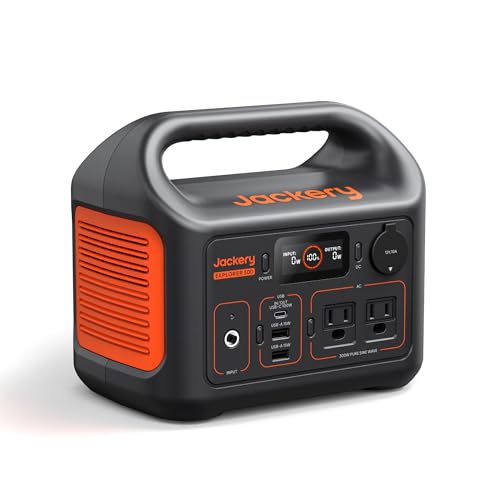
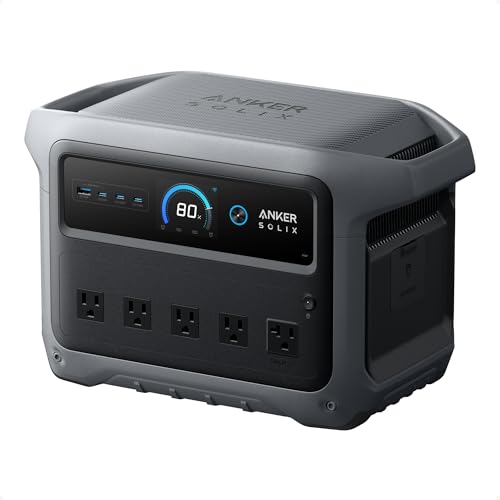
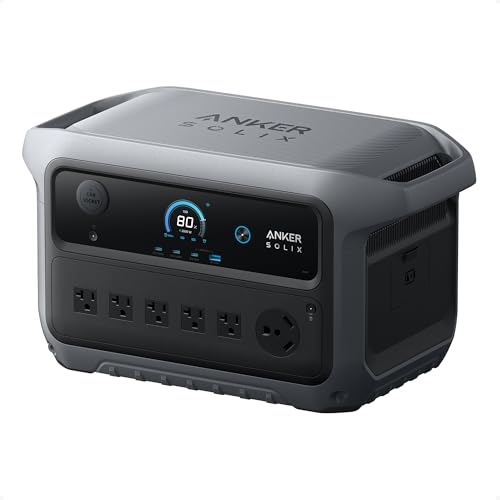

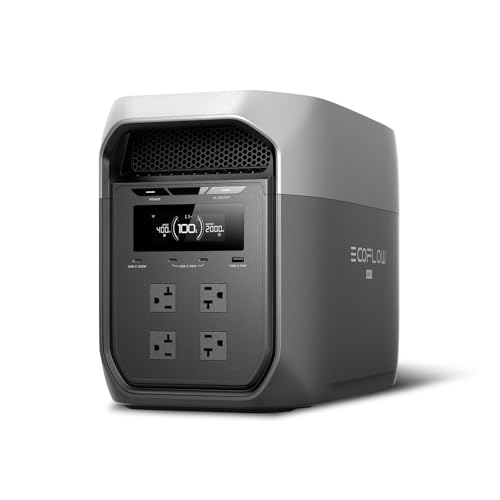
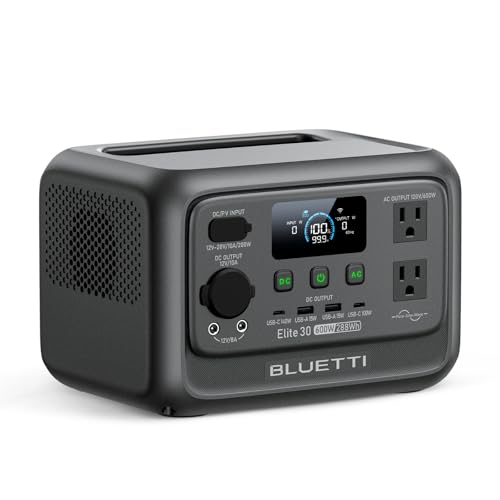
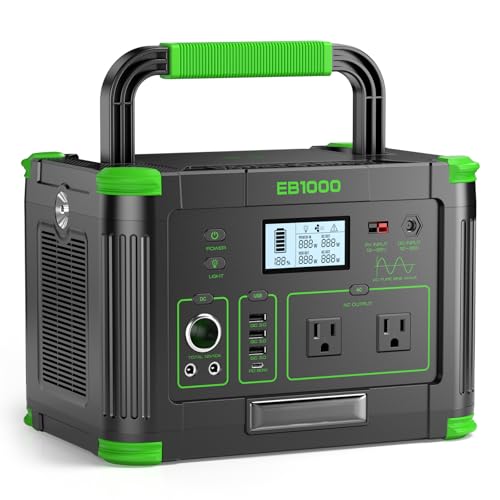
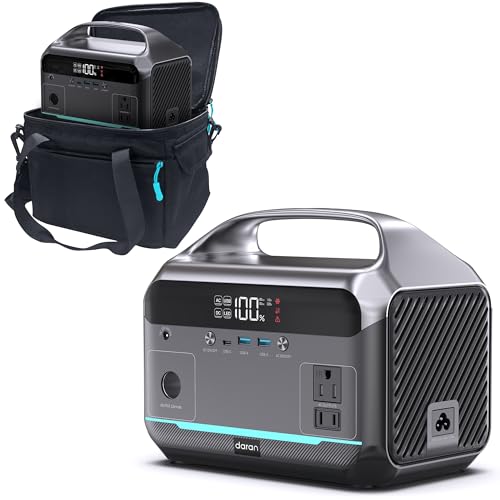
How a Battery Generator Differs From a Gas Generator
A gas generator burns fuel, makes noise and must stay outdoors. A battery generator has no engine. It charges from a wall outlet, a car socket or solar panels, and it silently feeds appliances through AC, USB and DC ports. The trade off is runtime: a gas generator can run for days with extra fuel, while a battery generator runs until its stored energy is used up and then must be recharged.
Understanding Capacity and Output
Two numbers define a power station. Capacity, in watt hours (Wh), tells you how much energy is stored. Output, in watts (W), tells you how much power can be delivered at one time. A 1,000 Wh unit running a 100 watt device would last roughly ten hours in theory, though inverter losses reduce that by about fifteen to twenty percent.
Add up the running watts of the devices you want to power at once, and make sure the total is below the unit's rated output. Appliances with motors, such as refrigerators and pumps, need extra power for a moment at startup, so check the surge rating.
Sizing Guide
- Under 500 Wh: phones, laptops, lights, a small fan, a CPAP machine for a night. Good for camping and short outages.
- 500 to 1,500 Wh: small refrigerators, TVs, a coffee maker for short periods and several devices at once. A strong all round size.
- 1,500 to 3,000 Wh and above: sump pumps, full size refrigerators, window air conditioners for short periods and some power tools. Suitable for home backup of essentials.
Whole house backup needs a much larger system with a transfer switch, which is a job for a licensed electrician.
Battery Chemistry
Many newer power stations use lithium iron phosphate (LiFePO4) cells. They tolerate more charge cycles, often thousands, and are safer under heat than older lithium ion cells. Lithium ion models are lighter and may cost less. If you plan to use the unit for years, LiFePO4 is usually the better long term choice.
Recharging Options
Wall outlet
The fastest method for most units. Some models fill up in one to two hours.
Solar panels
Solar charging is useful for camping and long outages. A 200 watt panel in full sun adds roughly 600 to 800 watt hours per day. Check the unit's maximum solar input.
Car outlet
Slow but convenient on road trips, since a car port provides roughly 100 watts.
Features to Look For
- Pure sine wave output, which protects sensitive electronics.
- Enough AC outlets, USB C Power Delivery ports and a DC output for your devices.
- A display that shows input, output and remaining time.
- Pass through charging, so the unit can power devices while it charges.
- A battery management system with protection against overload, overheating and short circuits.
- Expandable capacity if you may need more later.
Safety and Care
Place the unit on a flat, dry surface with room for ventilation. Do not connect it to your home wiring unless a licensed electrician has installed a proper transfer switch. Keep it out of rain and extreme heat. For long term storage, keep the battery at roughly half charge and top it up every few months. Follow the manufacturer's guidance on transport, especially when flying, since lithium batteries are subject to airline limits.
Common Mistakes to Avoid
- Ignoring startup surge on motorized appliances.
- Expecting a small unit to run a space heater or a large air conditioner.
- Forgetting that real runtime is lower than the theoretical figure.
- Buying a unit with no way to recharge during a multi day outage.
Frequently Asked Questions
Can a battery generator run a refrigerator?
Yes, if the unit has enough output and surge capacity. A mid size unit can run a typical refrigerator for around a day.
Is it safe to use indoors?
Yes, since there is no exhaust. Keep it on a stable surface and away from water.
How many years will it last?
LiFePO4 models often offer thousands of cycles, which can mean ten years or more of regular use.
Can I charge it with solar panels?
Many models support solar input. Check the voltage and watt limits before buying panels.
A Worked Runtime Example
Suppose you want to keep a refrigerator, a router, two phones and a few lights going through an evening outage. A typical refrigerator averages around 100 watts while running, although it cycles on and off, so over a full day it often uses 1,000 to 1,500 watt hours. A router draws about 10 watts, a phone charge uses 10 to 15 watt hours, and LED lights use a few watts each. A 1,000 Wh unit can bridge several hours of that load, while a 2,000 Wh unit can carry the refrigerator for most of a day, especially if you open the door sparingly.
To estimate your own needs, multiply each device's watts by the hours you will run it, add the totals, then divide by about 0.85 to account for conversion losses. The result tells you the capacity to look for.
Warranty and Support
Look at the warranty length and what it covers. Many reputable power stations offer warranties of two to five years, and some extend it when you register the product. Check that replacement parts, including the AC charging cable and solar connector, are easy to get, and that the manufacturer has a visible support team in the United States.
Final Thoughts
Write down the devices you want to power, add up their watts and hours, and choose a unit with some margin. The best battery powered generators are quiet, safe and ready when the lights go out, as long as you size them realistically. Compare the models in the product table, and for related reading see the guide to the best battery generators and the best solar powered generators.