Best Battery Generators for 2026: Which One Fits the Way You Use It?
Disclosure: We may earn a commission when you buy through links on this page, at no extra cost to you. As an Amazon Associate I earn from qualifying purchases. Learn more
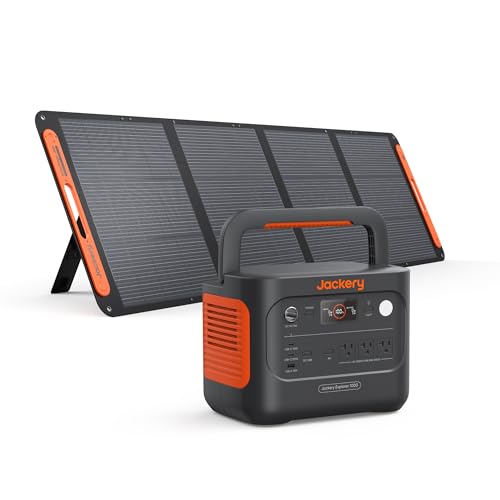
Compare the best battery generators by capacity, output and recharge speed, then match a size class to outages, camping, job sites and weekends.
Start with the name, because it misleads: a battery generator is not a generator in the mechanical sense at all. It is a large rechargeable battery in a box, fitted with outlets, and it creates no power of its own. Every watt it delivers was put into it earlier from a wall socket, a car or a solar panel, and the generator word in its name is only the shelf label the shops settled on. That single fact shapes every smart choice here, because the best battery generators for your routine are the ones whose stored energy and output match the loads you actually run.
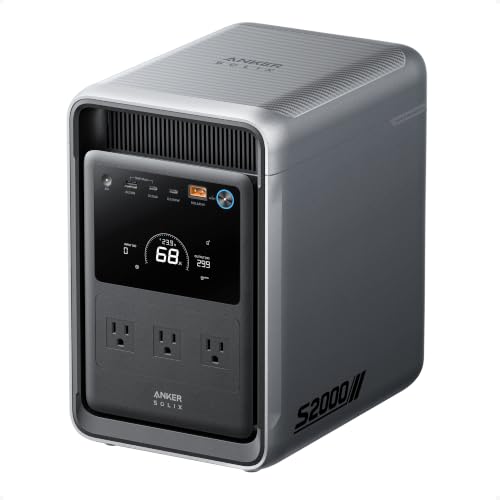
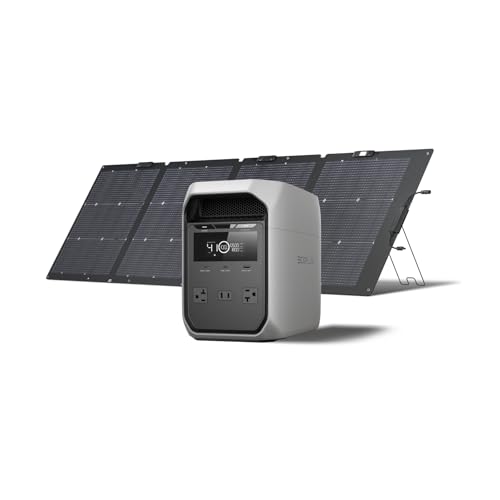
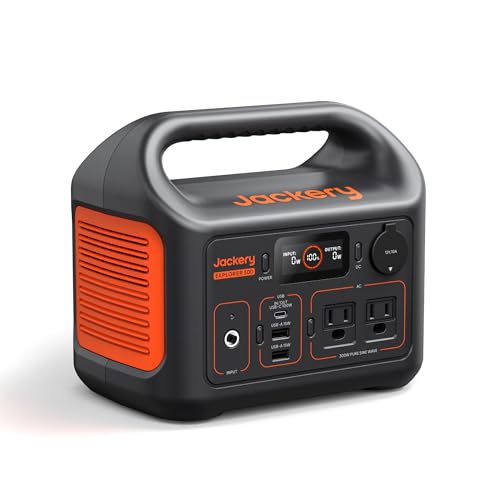
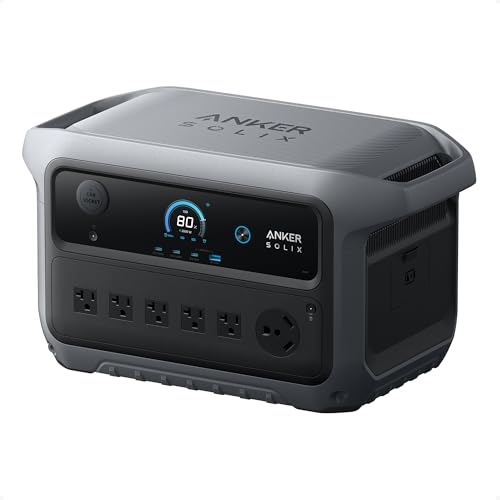
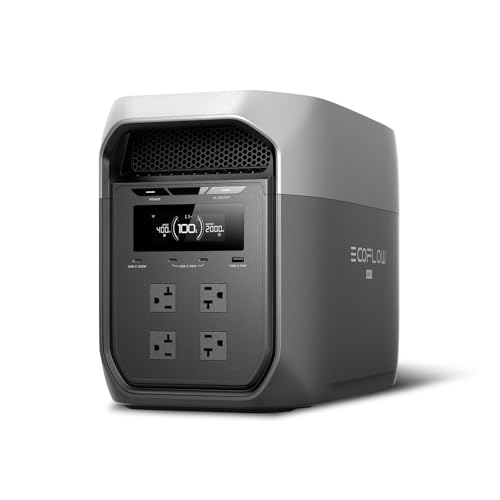
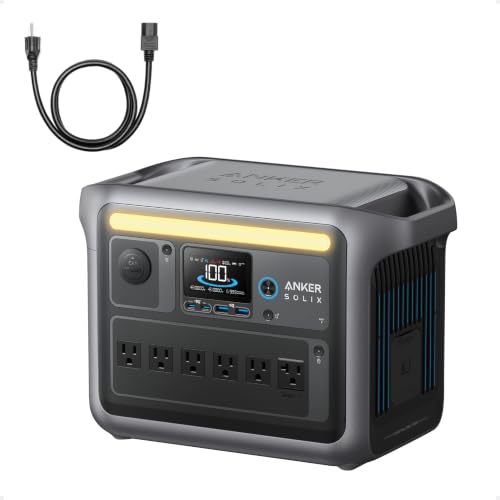
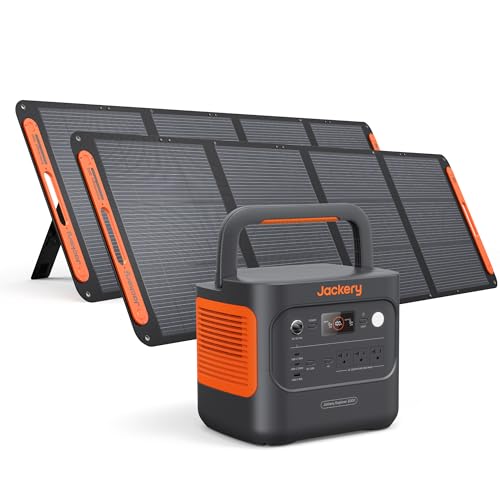
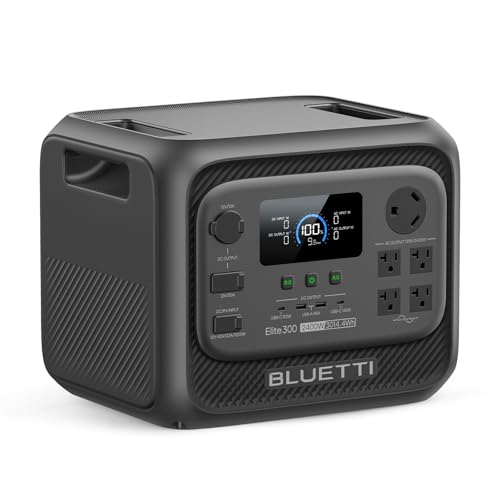
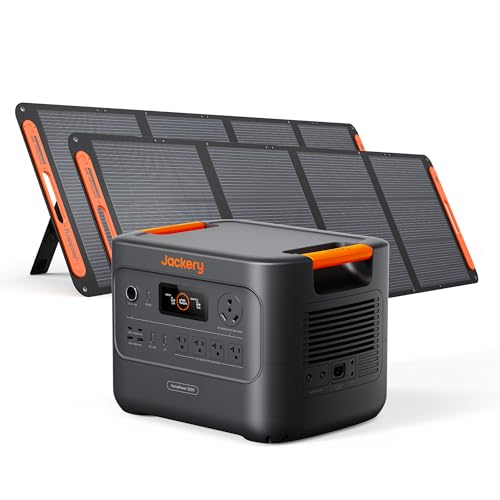
There is no single winner for every household. A camper, a homeowner guarding a refrigerator and a vendor powering a market stall need three different sizes of the same basic product. The product table lines the main classes up side by side, and the sections after it walk through capacity, output and recharging so you can match a class to your own routine before you spend anything.


Who Should Buy Which Battery Generator?
Buyers split into a few clear routines, and each routine points at a different size class. Find the group closest to yours first, because it decides the capacity range worth pricing. A unit that looks perfect for a neighbor with different loads can be money wasted for you, and the best battery generators for serious work are poor value for someone who only charges phones at a campsite.
For Frequent or Serious Users
If you run power tools at a job site, light a market stall every weekend or support a home office through regular outages, shop the large classes. Prioritize high continuous output, the option to add expansion battery packs later, and a warranty measured in years rather than months. A clear display that shows the hours left at the current load matters more at this level than a long list of small ports. Expect prices around $800 and upward, and treat the weight as a fixed fact of the class, since these units are lifted by two people or wheeled.
For Weekend Beginners
For camping trips, garden film nights and charging phones during short outages, a compact unit is the honest fit. Look for simple controls, a handle you can carry in one hand and enough output for lights, a fan, a small projector and a pile of device batteries. Capacity in the few hundred watt hour range covers an evening with room to spare. Prices run about $200 to $500 for this class, and the money is better spent on a well made small unit than on a large one with features you will never touch.
For Bad Weather and Tough Conditions
Storm season buyers are really buying time for a short list of essentials: the refrigerator, a few lamps, phone charging and perhaps a sump pump controller. Choose a mid to large class with a rugged case, and plan to keep the unit itself indoors and dry while cords run to the appliances. Dust and damp are hard on vents and fans, so a covered porch is the working limit, never open rain. Households planning around longer outages should also read our guide to the best backup generators, since fuel machines still win when the power stays off for days.
For Small Spaces and Easy Storage
Apartment dwellers get an advantage no fuel machine can offer: a battery unit can live in a closet, because there is no gasoline to store and no exhaust to vent. Pick the smallest class that covers your real list, usually lights, a router, a laptop and phone charging. Check the shelf or cupboard depth before ordering, since even compact units are deeper than they look in photos. Stored partly charged and topped up now and then, a small unit waits quietly for the evening the building goes dark.
Picking the Right Size for Different Uses
Size in this category means two numbers working together: how much energy is stored, and how much power can leave the box at once. The features section below explains both in detail. This short section covers the portable end of the range, where most first time buyers shop, and where carrying the unit is part of the routine rather than an afterthought.
Best Portable Battery Generators: What to Prioritize
Portable should mean one person can lift the unit into a car trunk without planning the move. Prioritize honest carry weight first, then enough output for your largest single load, then a charge input fast enough to refill between stops. Shops also list these same products as best battery powered generators, and the name change alters nothing about the battery inside. Skip solar bundles sized for show; one panel matched to the input limit beats a pile of panels the unit cannot use.
Key Features to Compare
Battery Capacity: The Watt Hour Tank
Rule one is simple: capacity decides runtime, and capacity is measured in watt hours. Think of the watt hour figure as the size of a fuel tank. A load drawing 100 watts from a unit holding about 1,000 watt hours will run for roughly eight to nine hours in practice, not a promised ten, because converting stored power into outlet power always loses some energy as heat. List your loads, note the watts each one draws, add the running hours you need, and buy the tank that covers the sum with a margin left over.
Recharging: Wall, Car and Solar Inputs
A stored battery is only useful if you can refill it, and the three refill routes differ a lot. Wall charging at home is the fast route and the one to plan around before a storm. Car charging is slow, often around a tenth of the wall speed, and suits topping up on a long drive rather than filling an empty unit. Solar input is rated in watts under full midday sun, so treat it as a weather figure: clouds, shade and a flat panel angle can cut it to a fraction of the number on the box.
Output: Running Watts and Starting Watts
Output is the second number, and it comes in two forms. Running watts are what the unit can deliver hour after hour. Starting watts are the brief surge it can handle when a motor kicks on, and motors are where buyers get caught out: a refrigerator compressor or a sump pump can draw two to three times its running watts for a few seconds at start up. Add up the running watts of everything plugged in at once, check the largest motor surge against the surge rating, and leave headroom rather than running at the limit.
Clean Power, Outlets and Battery Chemistry
Battery units deliver inverter class power, a smooth wave form that laptops, televisions and chargers are built for, and this is one quiet advantage over basic fuel machines. Check the outlet mix against your list: wall style sockets for appliances, USB ports for devices and a round car style socket for pumps and lights. Inside, lithium iron phosphate cells are the current standard in larger classes and tolerate far more charge cycles than older lithium types, which matters if the unit works every week rather than waiting for storms.
Transfer Switch and Home Connection
Powering fixed house circuits, rather than plugging appliances in directly, needs a transfer switch or an inlet box fitted by a licensed electrician. Never feed power back through a household socket: backfeeding can energize lines outside your home and endanger the crews repairing them. Be honest about scale here, too. A whole house answer belongs to a different shelf, where best automatic generators burn fuel and start on their own, while a battery unit covers a chosen list of circuits for a limited number of hours.
Common Mistakes to Avoid When Buying Battery Generators
- Buying on price alone and ending up with a unit too small to start the refrigerator it was bought for.
- Adding up running watts only, and forgetting the starting surge that motor driven appliances draw.
- Trusting the solar recharge time on the box, which assumes perfect sun that real roofs and campsites rarely get.
- Planning to run a whole house from a portable battery, when the capacity maths only covers a chosen list of essentials.
- Storing the unit empty for a year, then finding a tired, flat battery on the one night it is needed.
Setup and Care Tips
Keep the unit partly charged in storage, neither brim full nor empty, and top it up every few months so it is ready without being stressed. After any real use, recharge it the same day rather than leaving it flat on the garage floor. While it runs, keep the side vents clear of blankets and boxes, because the fans that cool the inverter need moving air. Wipe dust from the vents now and then, coil the charging cables loosely, and run the unit briefly every couple of months so the habit of using it stays familiar.
Battery Generator Questions Answered
What size battery generator do I need to power a house?
A portable battery unit cannot power a whole house, and sizing starts by shrinking the question. List the circuits or appliances that truly matter, usually the refrigerator, lights, a router, phone charging and one work device, then add their watts and the hours you want covered. Most households land in the mid to large classes for that essentials list. The new point many buyers miss is that a transfer switch install costs money on top of the unit, so price the whole project, not just the box.
Can a battery generator run a refrigerator?
Yes, a mid sized or larger unit runs a typical home refrigerator comfortably, as long as its surge rating clears the compressor start. A fridge cycles on and off rather than drawing power constantly, so a full size unit with about 1,000 watt hours or more often carries it through a night. Keep the door closed as much as you can during the outage, since every long look inside spends the cold you are trying to save. Smaller camping units may start a fridge but will empty themselves within a few hours.
Inverter or conventional power: which should I choose?
Choose inverter class power for anything with a screen, a charger or a circuit board, which means nearly everything modern. Battery units produce this clean wave form by design, so the question only matters when comparing against a basic fuel machine for the same job. Conventional output from a cheap fuel generator can be rough enough to upset sensitive electronics over time. If the load is only a kettle, a heater or a work light, wave form hardly matters, and that is the one case where the simpler machine is a fair match.
Do I need a transfer switch for a battery generator?
No, not if you plug appliances straight into the unit with their own cords, which is how most owners use one. A transfer switch is only needed when you want the unit to feed fixed wiring, such as ceiling lights or a hard wired pump, through the house panel. That work belongs to a licensed electrician and adds real cost, so many households skip it happily. Decide before buying, though, because the switch route favors a larger unit placed near the panel rather than a portable one carried room to room.
How long can a battery generator run continuously?
It runs until the stored energy is gone, so the honest answer is a division sum: watt hours divided by the watts your loads draw, with a slice lost to conversion. A large unit sipping 60 watts for lights and a router can run for well over a day, while the same unit feeding a heater empties in about an hour. Some classes can charge and discharge at the same time, which stretches runtime on a sunny day with panels attached. Runtime claims on boxes assume one gentle load, so do your own maths with your own list.
The Bottom Line
Fit comes down to three checks: the tank is big enough for your loads and hours, the output clears your largest motor surge, and the recharge route suits how you live. Buyer ratings are a weak shortcut here, since a page of best rated generators mostly tells you how owners felt about weight and noise, not whether the capacity maths works for your refrigerator. Use the product table to compare the classes against your own list, and the best battery generators for your routine will be the ones still standing when the numbers are honest.