
Best Battery Operated Smoke and Carbon Monoxide Detectors for 2026: Everything to Know Before Your First Purchase
Disclosure: We may earn a commission when you buy through links on this page, at no extra cost to you. As an Amazon Associate I earn from qualifying purchases. Learn more
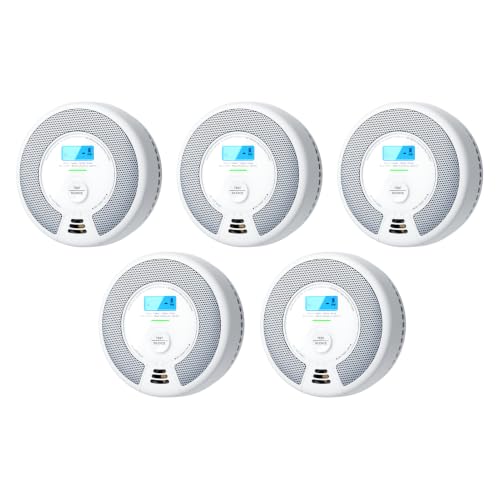
A first time buyer guide to the best battery operated smoke and carbon monoxide detectors, covering sealed batteries, placement, and sensors.
Buying your first alarm is simpler than the store shelf makes it look, and this guide walks from the basics to a confident pick. The best battery operated smoke and carbon monoxide detectors alert you to two hazards at once: smoke from a fire, and carbon monoxide, a gas you cannot see or smell.
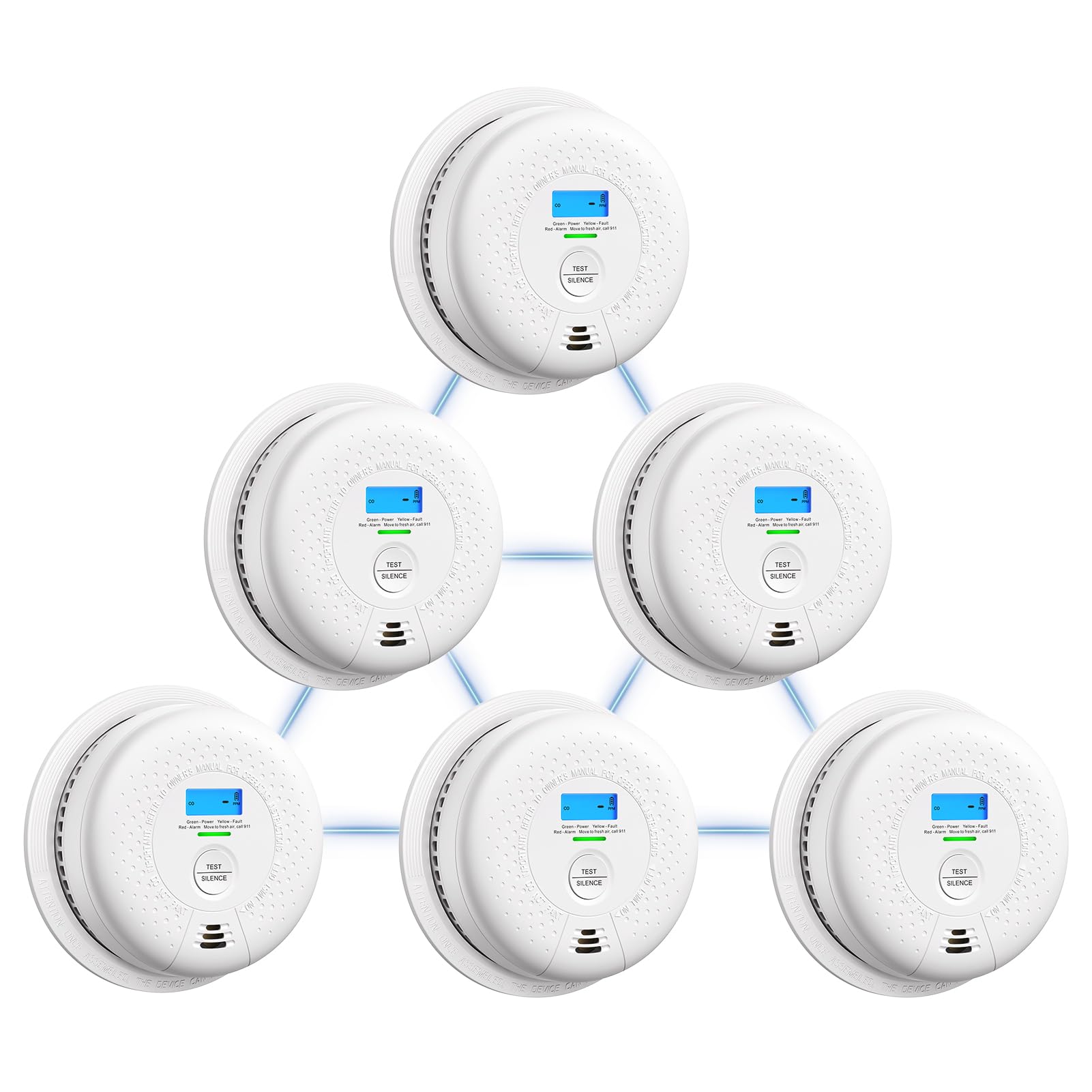
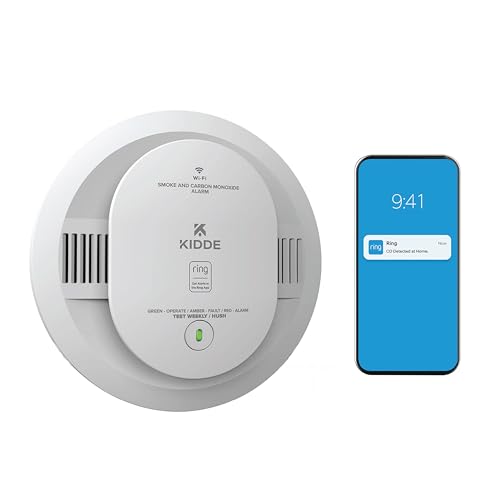
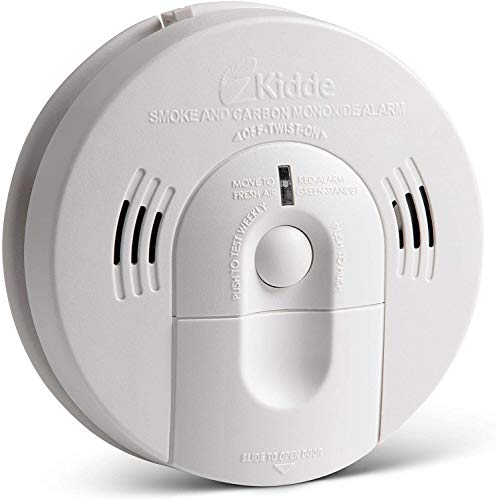
Because these units run on batteries, they install almost anywhere with a screwdriver, with no electrician and no wiring. The product table sums up the main styles, and the sections after it explain battery formats, placement, sensors, and the habits that keep an alarm ready.


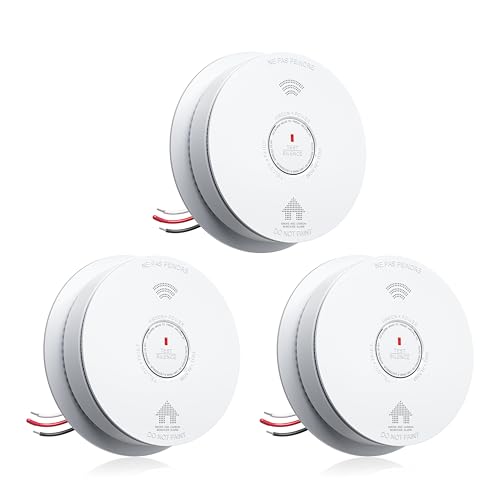
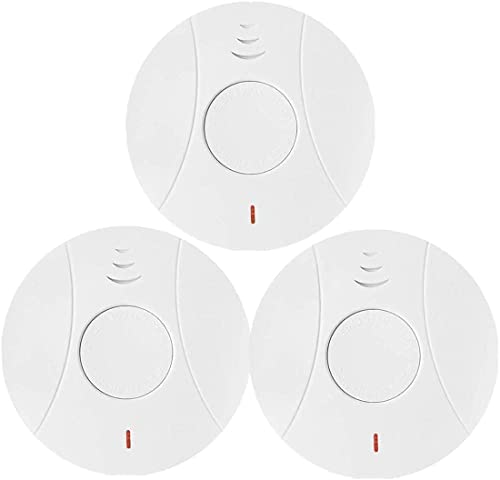

The Basics: What a Combination Alarm Does
A combination alarm watches for smoke and carbon monoxide in one unit on the ceiling. The smoke side senses particles from a fire, while the carbon monoxide side uses an electrochemical sensor that reacts to the gas. When either hazard crosses a set level, the unit sounds a loud alarm so the household can act.
Two Battery Formats: Sealed or Replaceable
The first fork in the road is the battery format. A sealed ten year battery is built into the unit and never opens, so it ends battery swaps for the whole life of the alarm. You install it, test it, and replace the entire unit when its decade is done.
A replaceable battery unit costs less up front, but it needs a fresh battery about once a year, every year, without fail. A chirping alarm at 3 in the morning is almost always that yearly swap announcing itself late. Decide now which routine your household will honestly keep, because an alarm with a dead battery guards nothing.
Where Detectors Go and Why Placement Matters
Placement decides whether an alarm warns you in time. Smoke and hot gases rise, so a detector belongs on the ceiling or high on a wall, following the placement distances in the maker instructions. Cover every level of the home, including the basement, and put a unit outside each sleeping area, with many local codes also asking for one inside each bedroom.
Carbon monoxide mixes evenly with air and gives no warning of its own, because the gas is colourless and odourless. That is why the alarm must do the sensing for you, near the rooms where people sleep and on levels with fuel burning appliances or an attached garage. Keep units a sensible distance from kitchens and bathrooms, where steam and cooking haze cause false alarms, and check your local rules, since codes set the minimum cover for your area.
Key Specs Explained in Plain English
Sensor Types: Photoelectric, Ionization, and the CO Sensor
Photoelectric sensors respond quickly to the large particles from a smoldering fire, while ionization sensors react faster to the small particles of a fast flaming fire. A dual sensor unit carries both, which suits a first purchase because you do not have to guess which fire type your home risks. Guides to the best combination smoke and carbon monoxide detectors compare these pairings in more depth.
The carbon monoxide side always works the same way, with an electrochemical cell that builds a small current as gas passes through it. That cell wears out on its own schedule, which is one reason the whole unit has a fixed service life even if the smoke side still tests fine.
Nuisance Alarm Reduction
A hush or silence button lets you quiet a cooking related alarm for several minutes without removing the battery, and the alarm still sounds again if smoke truly builds. Some units also resist steam and cooking particles better by design. If your kitchen sets off alarms often, move the unit a little farther from the stove rather than disabling it, and look at the best carbon monoxide and smoke detectors for layouts that separate the two jobs.
Interconnection and Smart Alerts
Interconnected alarms talk to each other, so when one sounds, every unit in the home sounds. That matters in a two story house, where a basement alarm alone may never wake a sleeping family upstairs. Battery units interconnect wirelessly, so the feature needs no wiring to add.
Smart models add phone alerts, which tell you which room raised the alarm while you are away. Voice alerts in the hallway can name the hazard and the room, a real help at night. The best smart smoke and carbon monoxide detectors lean on these extras, at a higher price.
Lifespan and End of Life Signals
Every alarm wears out. The sensors drift and the carbon monoxide cell depletes, so the whole unit is replaced at the end of its stated life, which is about ten years for most models. Write the install date on the unit with a marker, and check the replace by date printed on the back whenever you test.
Learn the two chirps. A low battery chirp repeats on a slow, regular pattern and stops when the battery changes. An end of life signal means the unit itself is finished and a new alarm goes up the same day. Follow the manufacturer's instructions and your local codes for placement and monthly checks.
Rookie Mistakes to Avoid
- Removing the battery after a nuisance alarm and forgetting to replace it, which leaves the room with no working alarm at all.
- Installing one unit for a whole house, because a closed door and a floor between you and the alarm can muffle the warning.
- Mounting the alarm in a corner where the ceiling meets the wall, a dead air pocket where smoke arrives late.
- Painting over the unit during a room refresh, which can clog the sensing chamber and ruin the sensor.
- Ignoring the replace by date because the test button still beeps, since the test checks the horn, not the health of the aging sensor.
Getting Started: Setup and First Use
Setup takes minutes. Mark the placement, fit the mounting bracket, connect or activate the battery as the maker directs, and press the test button until the alarm sounds. Note the install date on the unit, then test every alarm in the home on the same walk through. Readers who only need the gas side of the job can compare the best carbon monoxide detectors for standalone units.
Then make the plan the alarm exists to serve. Walk two ways out of every room, pick an outside meeting point, and agree that when the alarm sounds, everyone gets out and stays out, with emergency services called from a phone outside the home. Test the alarms monthly with the test button, keep the escape plan fresh, and a battery model such as the ones in guides to the best smoke detectors battery operated will do the job it was bought for.
Your Questions Answered
Hardwired or battery operated: which is better for a first home?
For a first home, battery operated alarms are usually the better start because they install anywhere in minutes and keep working during a power cut. Hardwired units with a battery backup suit new building work, where the wiring goes in before the walls close. Renters gain the most from battery models, since the bracket leaves only two small screw holes. Whichever style you choose, interconnection and full level coverage matter more than the power source.
How long do smoke and carbon monoxide detectors last?
Most smoke and carbon monoxide detectors last about ten years from the day they were made, not the day you bought them. A unit that sat in a warehouse for a year has already spent part of its life, so read the manufacture date on the back before you pay. The carbon monoxide sensor is usually the part that ages out first. When the end of life signal sounds, replace the whole unit rather than just the battery.
Where should I put a detector at the top of the stairs?
Put a detector at the top of the stairs, on the ceiling of the landing, because smoke from either floor collects there as it rises. That single spot hears the house well: a kitchen fire below sends smoke up the stairwell, and a bedroom fire above sends it along the ceiling. Keep it out of the corner pocket where the ceiling meets the wall, and pair it with units outside each sleeping area rather than treating it as the only alarm.
Do I need separate smoke and CO alarms, or is one combination unit enough?
One combination unit is enough for most rooms, because it senses both hazards from a single ceiling spot and keeps your testing routine simple. Separate units earn their place when a room needs one hazard watched more closely, such as a utility room with a furnace. Homes with no fuel burning appliances and no attached garage face little carbon monoxide risk, but smoke cover is never optional. Combination units keep the count of batteries and dates you track to a minimum.
What should I do when the alarm chirps in the middle of the night?
Treat any night time chirp as a message to act on in the morning, but treat a full alarm as an emergency every time. A single repeating chirp on a slow pattern means a low battery or the end of the unit life, and the pattern in the maker guide tells you which. A sounding alarm means leave first and investigate later, from outside. Never take a battery out to buy a quiet night and leave it out.
Final Thoughts
For a first purchase, three things matter most: a battery format your household will maintain, placement on every level near the sleeping rooms, and a firm plan to replace each unit at about ten years. Get those right and the best battery operated smoke and carbon monoxide detectors come down to a short, sensible list. Compare the styles in the product table, check your local rules for the minimum coverage your home needs, and test monthly from day one.


