Best Battery Operated Can Opener: Types and Buying Tips (2026)
Disclosure: We may earn a commission when you buy through links on this page, at no extra cost to you. As an Amazon Associate I earn from qualifying purchases. Learn more
Cutting style, motor strength and storage decide the fit. Compare three designs to find the best battery operated can opener for your kitchen.
Picture a weeknight dinner in a small kitchen. Soup is on the stove, counter space is gone, and the old manual opener is buried in a crowded drawer. A compact cordless model solves that moment neatly. If you are hunting for the best battery operated can opener for your home, this guide sorts the choice by kitchen size, household size, and budget rather than by raw power. The comparison table below sums up the main types, and the sections after it explain which one fits your daily routine.


Quick Answer: The Main Types in 30 Seconds
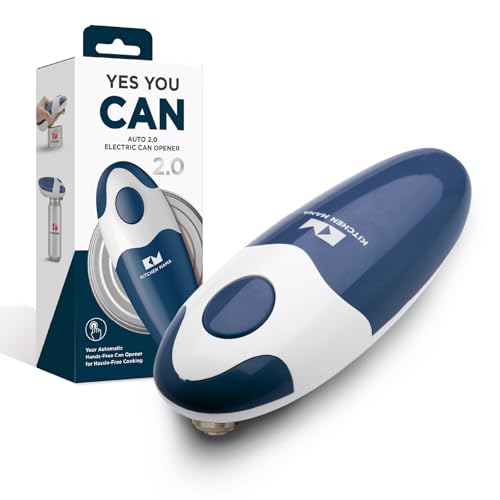
Battery operated openers fall into three broad types. Compact top cutting models are the smallest and cheapest, and they suit one or two person homes that open a few cans a week. Side cutting models leave a smoother lid edge and suit families who open cans daily. Larger models with stronger motors and bigger grips suit tall cans, busy kitchens, and anyone who wants the steadiest hold. Pick by how many cans you open and how much drawer space you can spare.
Before You Buy: A Quick Checklist for Choosing a Can Opener
A battery operated can opener looks simple, yet small design details decide whether it feels effortless or annoying within a month. Work through the four checks below before you spend anything.
Which Type Fits Your Routine
Start with how the tool cuts. A top cutting model removes the lid from inside the rim and tends to leave a sharper edge, while a side cutting model splits the seam from outside and lets the lid lift away with smoother edges. Next, think about motion. Some models travel around the rim on their own once you press the button, which pairs well with the fully hands off approach covered in our guide to the best automatic can opener. Others stay in your hand like a best handheld can opener, giving you direct control on dented or oddly shaped cans. Corded electric and under cabinet models cut faster but claim permanent counter space, and a manual opener never needs power yet asks for grip strength on every can.
Materials and Food Safety
The cutting wheel and gear do the real work, so look for stainless steel parts that resist rust after contact with tomato sauce, brine, and fruit syrup. The body is usually plastic, which keeps weight low and is fine for home use, but the wheel assembly should feel solid with no wobble. Parts that touch food should be free of coatings that can flake into the can. A lid magnet is worth having, since it holds the cut lid so it never drops into the food.
Cleaning: Removable Head or Wipe Clean Body
Most battery operated models cannot go in the dishwasher, since water and the motor do not mix. Some designs let you detach the cutting head and rinse or wash that part alone, which is the easiest setup to live with. Fully sealed bodies need a wipe with a damp cloth and a brush around the wheel after sticky foods. If easy cleaning matters most in your home, our notes on how to clean a can opener walk through the routine step by step.
Realistic Budget Ranges
Basic compact models cost under $15 and cover light use in small households, though they often feel slower on thick rims. The middle band, about $15 to $25, brings stronger motors, better grips, and side cutting designs, and it suits most families. Spending about $25 to $50 usually buys a sturdier body, a removable cutting head, and smoother action on large cans. Price alone does not promise durability, so weigh the build points above before paying for extras you may never use.
Three Types Compared: Which Design Suits Your Home
Instead of chasing brand names, compare the three designs below against your kitchen, your cans, and your hands. Each type below covers a distinct group of buyers.
Compact Top Cutting Models for Small Kitchens
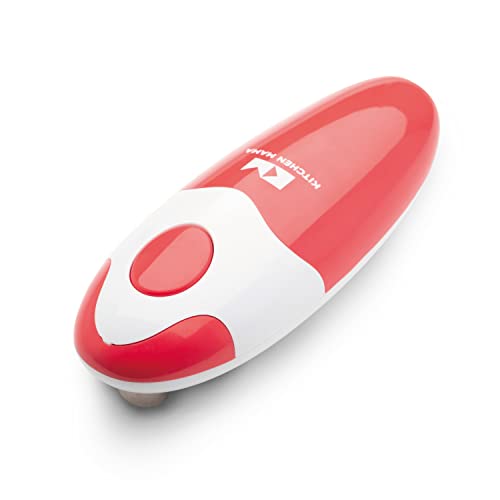
These are the drawer friendly openers, often little longer than a phone, and they store easily in apartments, dorms, and RV kitchens. They cut inside the rim, run on replaceable AA or AAA cells, and handle standard soup and vegetable cans without fuss. The trade off is edge feel, since the lid they remove can be sharp, and their smaller motors may slow down on heavy cans. Choose this type if you open only a few cans a week and storage space is your tightest limit.
Side Cutting Models for Busy Family Kitchens
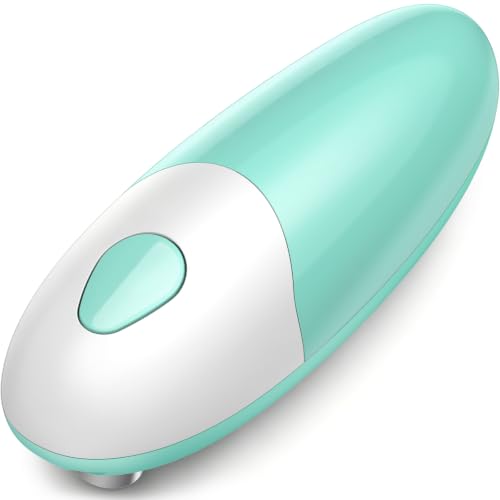
Side cutting designs split the seam below the rim, so the lid comes off with a smooth edge you can handle and even rest back on the can for short storage. They tend to be a bit larger, with a stronger motor that keeps a steady pace through back to back cans at dinner prep. The cutting head often detaches for rinsing, a real plus when cans hold sauce or oil. Choose this type if your household opens cans daily and young helpers sometimes handle the finished lids.
Larger Easy Grip Models for Comfort and Big Cans
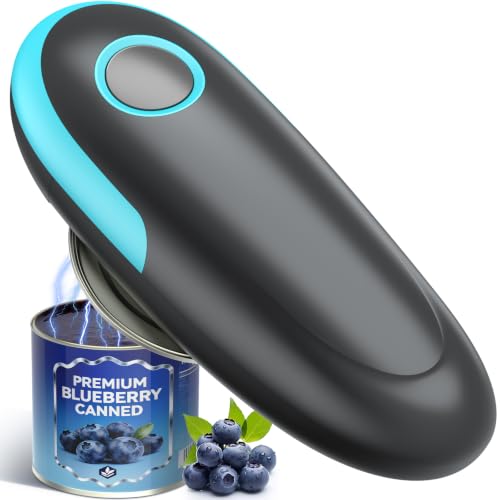
These models add a wider body, a softer grip surface, and extra torque for tall stock cans and wide restaurant style tins. The added size gives shaky or weaker hands more to hold, and the opener does the turning work once it locks on. That comfort focus is why readers comparing options in our guide to the best can opener for seniors often land on this type. The downside is storage, since the bigger body needs a deep drawer or a spot in a utensil crock.
How to Compare Models Before You Order
Judge any candidate on five points. Ease of use comes first: one button start, a secure lock on the rim, and an automatic stop when the cut completes. Durability follows, judged by the metal gear and wheel rather than the shell. Then weigh cleaning, storage size, and value, meaning what the price buys beyond the basics. These points come from maker specifications and patterns in verified buyer feedback about stalls, rust, and battery life. Our wider overview of the best can opener styles shows how cordless models rank against every other format.
What We Like and What We Do Not About Battery Operated Models
The appeal is freedom. There is no cord to drag across a wet counter, no outlet to hunt for, and no permanent footprint, so the tool works at the stove, the pantry shelf, or a picnic table. Starting one takes a button press rather than wrist twisting, which helps tired or sore hands at the end of a long day. Families also like that the opener can live in a drawer and come out only when a can appears.
The limits are just as real. Batteries fade, and a weak set can stall the wheel partway around a thick rim, leaving you to finish the job by hand. Cordless motors are gentler than corded ones, so very large or dented cans may need a second pass. You also take on a small ongoing cost for fresh cells, unless you choose a design that runs on rechargeable cells you already own. For a home that opens cans many times a day, a corded countertop model may still be the calmer choice.
Common Buying Mistakes to Avoid
- Ignoring can size: a compact model bought for a kitchen that mostly opens tall stock cans will strain, stall, and wear out early.
- Skipping the battery check: some models need cells that are sold separately, so the true starting cost is higher than the shelf price suggests.
- Paying for features you will not use: extras like a built in knife sharpener or bottle opener add bulk that small drawers cannot spare.
- Forgetting the lid edge: choosing a top cutting model for a home where kids handle lids invites avoidable cuts from sharp edges.
- Storing it dirty: sauce left on the wheel hardens, dulls the cut, and makes the next can far harder to open.
Cost of Ownership and Care
Running costs stay modest. A set of alkaline cells typically lasts through months of ordinary home use, and keeping one spare set in the drawer prevents a stalled dinner. Wipe the cutting wheel after every use, and wash a detachable head with warm soapy water, then dry it fully before storage so the metal cannot rust. Store the opener in a dry drawer rather than beside the sink. If the wheel starts to skip or the motor sounds strained on fresh batteries, the cutting head is wearing, and many designs let you replace that part instead of the whole tool. Before the first use, skim our walkthrough on how to use a can opener so the locking motion feels natural.
Your Questions, Answered
What is the most reliable type of battery operated can opener?
Reliability tracks the cutting assembly more than any badge. Models with a metal gear, a stainless steel wheel, and a head you can remove for cleaning tend to outlast sealed designs with plastic gearing. A body that keeps battery contacts clean and dry also helps, since corroded contacts cause many of the stalls owners blame on the motor.
Is a battery operated can opener worth it for a small household?
For one or two people, yes, provided you open cans at least a few times a week. The value is storage and convenience rather than speed, since a small cordless model hides in a drawer and needs no outlet. If you open a can only once a month, a simple manual opener costs less and never needs batteries.
How long does a battery operated can opener usually last?
A cared for model often serves a home for several years of weekly use. Life shortens when the wheel stays dirty, when the opener is forced through dented rims, or when it lives in damp air near the sink. Replacing worn cutting heads where the design allows it can extend service well beyond the first set of batteries.
Are battery operated can openers a good choice for weak or sore hands?
They can be, since the motor does the turning and most start with a single button press. Look for a wider body that is easy to hold steady, a lock that engages without squeezing, and an automatic stop so you never fight the tool at the end of the cut. Anyone whose hand pain limits daily tasks should also ask a clinician or occupational therapist about grip aids that fit their situation.
What is the best battery operated can opener for large cans?
The strongest fit is a larger model with a high torque motor and a long cutting head that can reach across wide lids. Check the maker listing for the tallest can it claims to handle, and favour side cutting designs, which track the outer seam more steadily on big tins. Keep fresh batteries in it, since large rims expose weak cells fastest.
Final Thoughts
The right choice is the one that matches your cans, your drawer, and your hands. Compact top cutting models serve small homes, side cutting designs suit daily family cooking, and larger easy grip models bring comfort and torque. Whichever type you pick, the best battery operated can opener is the one you will keep clean, fed with fresh batteries, and within reach. Use the product table above to compare the types side by side before you decide.