Best Battery Motion Sensor Lights (2026): Formats, Lumens and Battery Life
Disclosure: We may earn a commission when you buy through links on this page, at no extra cost to you. As an Amazon Associate I earn from qualifying purchases. Learn more

No wiring needed: compare the best battery motion sensor light formats by lumens, battery life and weather rating.
A dark porch, a dim garage corner, or a hallway you cross at night all share the same problem. Running new wiring to those spots costs time and money, and a light left on all night wastes power. A best battery motion sensor light solves both issues, since it mounts almost anywhere and switches on only when someone walks past. This guide compares types by brightness, color temperature, style, finish, and installation effort, so you can match a model to your space with confidence.
Instead of naming picks, the sections below walk you through the formats, battery choices, and sensor settings that separate a useful light from a frustrating one. Start with the product table below, then use the criteria here to narrow your shortlist.



Battery Motion Sensor Light Types Compared
Battery models fall into a few clear formats, and the format matters more than any single spec. A small light that works beautifully above a bathroom mirror will disappoint over a driveway, while a large flood style unit looks out of place in a closet. Match the shape to the job first, then compare brightness and battery details within that group.
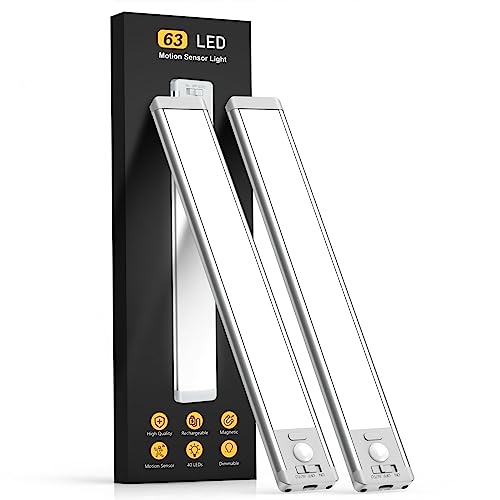
- Compact bar and puck lights. Slim bars and round pucks suit closets, cabinets, stair treads, and hallways. They give soft local light, mount with adhesive pads or small screws, and sip power, so a set of batteries lasts a long time.
- Porch and wall mount lights. These look like small lanterns or sconces and fit beside doors and gates. They balance appearance with useful output for steps and locks, and most carry a weather rating for covered outdoor spots.
- Spotlights. A single focused head throws a beam across a yard path, trash area, or side gate. Spotlights work well where you need reach rather than wide coverage.
- Flood style lights. One, two, or three adjustable heads spread light over driveways and backyards. They are the brightest battery option and also the hungriest, so battery access and capacity matter most here.
- Camera combo lights. Some units pair a light with a camera that records clips when motion triggers it. They add security value but drain batteries faster and often need a subscription for full features.
If your main need is indoor guidance rather than outdoor coverage, our guide to the best indoor motion sensor light focuses on the smaller formats and gentler brightness levels that suit bedrooms and bathrooms.
Key Criteria for Comparing Battery Models
Once the format is set, five criteria do most of the work. Brightness in lumens tells you how much area the light can cover. Color temperature shapes whether the light feels warm and calm or cool and alert. The battery format decides your running cost and how often you climb a ladder to swap cells. Sensor range and angle decide whether the light fires when you want it to, and the weather rating decides whether an outdoor model survives its first wet season.
Style and finish deserve a quick look too, since a porch light is part of how your home looks from the street. White, black, and bronze finishes are common, and a finish that matches your door hardware helps the fixture blend in. None of these criteria works alone. A bright light with a weak sensor still leaves you waving your arms in the dark, so judge each model as a package.
How to Choose the Right Motion Sensor Light
Type
Start with where the light will live. Indoor spots such as stairs, closets, and under cabinet runs need compact bars or pucks with modest output and a sensor tuned for close range. Entry doors call for a wall mount model with enough brightness to show steps and a keyhole clearly. Yards, driveways, and detached garages need spotlights or flood style heads with wide coverage. Picking the type first keeps you from comparing a closet light against a floodlight, which never ends in a fair result.
Features Worth Paying For
A few features earn their cost. Adjustable heads let you aim light at a path instead of a wall, and a remote lets you change modes on a high mounted flood without a ladder. A dusk to dawn sensor stops the light from firing in daylight, which saves a large share of battery life. Adjustable shutoff time matters too, since a light that stays on for five minutes after each trigger drains cells far faster than one set to twenty seconds. Skip decorative modes you will never use.
Lumens and Color Temperature
For indoor guidance, about 50 to 200 lumens is plenty, and more can feel harsh at night. Porches and entry steps do well with about 300 to 800 lumens, enough to see faces and footing. Flood style models for driveways often run about 1000 to 3000 lumens. Color temperature is measured in kelvin. Warm light around 2700 to 3000 K suits porches and indoor spots, while cooler light around 4000 to 5000 K makes yards and work areas look clearer and more alert.
Fixture Size and Placement
Size the fixture to the mounting spot and the area below it. A wide flood head on a narrow porch post looks odd and can glare into eyes, while a tiny puck above a garage door lights only a small circle. Mount indoor lights where the sensor sees ankles or torsos crossing the path, usually near the start of a stair run or hallway. Our guide to the best motion sensor light for hallway covers placement heights for safe night walking in more detail.
Dimmable and Smart Options
Some battery lights offer stepped brightness or a dim mode, which helps indoors where full output wakes the house. A dim setting also stretches battery life, since lower output draws less current each time the light fires. Smart models connect to an app or a voice assistant, letting you check battery level, adjust sensitivity, and get alerts when motion occurs while you are away. That convenience costs power, because the radio stays alert at all times, so expect shorter intervals between battery changes.
Installation
Battery power makes installation the easy part of this purchase. Most models mount with screws through a back plate, and lighter indoor units often include adhesive pads for renters or smooth surfaces. Plan the sensor aim before you drill, and test the position at night with tape first if the mount allows it. For a full walkthrough of mounting heights and sensor angles, see our guide on how to install a motion sensor light, which applies to battery models as well as wired ones.
How Much Should You Spend?
Simple indoor bars and pucks often cost under $20, sometimes in multi packs that cover a whole stairway. Sturdier porch models with better weather seals usually run about $20 to $50. Outdoor spotlights and flood style units with large battery capacity land around $50 to $100. Camera combo lights can reach about $100 to $200 once you add the cost of a plan for stored clips. Spend for battery capacity and weather sealing outdoors, and save indoors where demands are light.
Battery vs Other Motion Sensor Lights: Pros and Cons
Battery models win on freedom. You can mount one on a fence post, a tree, a shed with no power, or a rented porch where drilling into wiring is not an option. Installation takes minutes, and you can move the light when your needs change. For a broad look at every power type side by side, our main guide to the best motion sensor light compares battery, solar, and wired options together.
The trade off is upkeep. Cells run down, and a light over a garage door means ladder trips a few times a year, more often in cold weather or busy spots. Output also trails wired models at the top end. If a location already has a junction box and you want maximum brightness with zero upkeep, our guide to the best hardwired motion sensor light is the better route. Solar sits between the two, removing battery swaps but depending on sun exposure that many porches lack.
Care and Maintenance
Wipe the sensor lens and the light panel with a soft dry cloth every few months, since dust and pollen film can cut both output and detection range. Check battery contacts for white or green crust when you swap cells, and clean light crust with a dry cotton swab before it spreads. Replace all cells in a unit at the same time, because mixing old and new cells makes the weakest one fail early and can cause leaks.
Outdoors, inspect the seal around the battery cover after storms and at the start of winter. A cracked seal lets in moisture that fogs the lens and corrodes contacts. Bring spare cells indoors to store at room temperature, and mark the install date on a piece of tape inside the cover so you can spot a unit that suddenly drains faster than usual, a sign of a failing sensor or water inside.
FAQ
What is the best battery motion sensor light?
The right answer depends on the spot you need to light. For most homes it is a mid brightness wall mount or spotlight model with adjustable shutoff time, a dusk to dawn sensor, and batteries you can change without tools. Match the format to the location first, then compare lumens and battery format using the product table above. A model that fits your mounting spot and habits will serve you better than the brightest unit on the shelf.
Are battery motion sensor lights worth it?
Yes, in places where wiring is absent, costly, or not allowed. Renters, shed owners, and anyone lighting a fence line or a detached garage get real value from a light that installs in minutes and moves when they do. The cost is ongoing battery swaps and lower top brightness than wired models. If the spot sees heavy traffic all night, that swap schedule can grow tiresome, and a wired or solar option may suit you better in the long run.
How long do batteries last in a motion sensor light?
It depends on traffic, brightness, and how long the light stays on per trigger. A quiet hallway light on a short timer can run many months on one set of cells, while a busy driveway flood may need fresh batteries in a matter of weeks during dark winter months. Cold weather shortens cell life further. Choosing a model with a dusk to dawn sensor and the shortest comfortable shutoff time is the simplest way to stretch each set.
How do you clean a motion sensor light?
Turn the unit off or remove the batteries first. Wipe the housing, lens, and the small sensor dome with a soft cloth dampened with plain water, then dry everything before power returns. Avoid sprays aimed at seams and the battery cover, since liquid can slip past seals. Clean the solar panel the same way if your model has one. A clean sensor dome detects motion at its full rated range, while a filmed over dome misses passes at the edge.
Can a battery motion sensor light work in winter cold?
Most models keep working in winter, but battery chemistry sets the limit. Standard alkaline cells lose output as temperatures drop, so lights may look dimmer and run for shorter spans on the coldest nights. Lithium cells handle cold far better and are worth choosing for outdoor units in northern climates. Mounting the light where it gets a little shelter from wind and direct snow also helps, and bringing a spare set indoors keeps them ready at full strength.
Final Thoughts
Choosing well comes down to fit. Pick the format for your spot, confirm the lumens and color temperature suit the task, and favor battery access you will not dread six months from now. The best battery motion sensor light for your home is the one whose sensor fires when you approach, whose light lands where your feet go, and whose upkeep matches your patience. Use the product table above to compare your finalists, and you will end up with light exactly where you need it, only when you need it.