Best Battery Life Smartwatches in 2026: How to Choose Longer Power
Disclosure: We may earn a commission when you buy through links on this page, at no extra cost to you. As an Amazon Associate I earn from qualifying purchases. Learn more
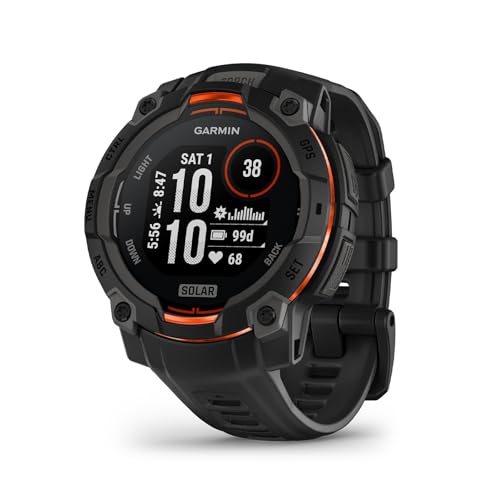
The best battery life smartwatches run for days or weeks between charges. Compare display type, GPS hours, case size and charging.
Charging a watch every night gets old fast, and a dead screen on day two of a trip helps no one. The best battery life smartwatches keep tracking your steps, workouts and sleep for days between charges. This guide explains what really drives battery use, and the product table shows the models side by side.
Battery claims vary a lot because makers test with different screens, sensors and settings. A watch rated for two weeks with light use may last three days with daily GPS workouts. The sections below match rated life to your routine first, then cover display, case size and charging.





Who Should Buy a Smartwatch for Battery Life First?
Put battery life first if charging often would break the habit the watch is meant to support. Sleep data and workout logs only help when the watch is on your wrist and alive. Your routine decides how many days you truly need.
Travelers and Campers Away From Outlets
You may spend three to ten days away from a wall outlet, on a work trip or a camping route. Choose a watch rated well beyond your trip length, because cold air and GPS navigation add drain on the road. Pack the charging cable in your carry on bag anyway, since one short top up at an airport can cover a delay.
People Who Track Sleep and Hate Nightly Charging
A watch that dies overnight cannot record sleep, and a nightly charge habit is easy to drop when you are tired. Look for at least seven days of rated life, a soft strap you can sleep in and a silent alarm. Shift workers and busy parents gain the most here, because the watch keeps recording through irregular hours.
Runners and Hikers Who Record GPS Workouts Often
GPS is the hungriest feature on most watches, so your training load sets your real battery need. If you record an hour of GPS activity most days, favor a watch rated in GPS hours as well as days. Our guide to the best smartwatches with long battery covers this training first view in more depth.
Key Features to Compare
Compare these factors in order, because a big battery cannot rescue a watch whose screen and sensors drain it by noon. Start with the rating itself, then work through display, tracking and size.
Rated Battery Life and What Typical Use Means
Makers rate battery life in days under a typical use pattern that may include few workouts, limited GPS and a screen that wakes only when raised. Some watches list 7 to 14 days, while full featured models with bright color screens often list 1 to 3 days. That gap is why the best battery life smartwatches pair a large cell with software that sips power between tasks. See our guide to the best battery life and compare the rating terms, not only the headline number.
Display Type and Always On Settings
Screen choice shapes drain more than any other daily setting. A bright color touchscreen looks sharp indoors, but it draws steady power, above all with the always on mode active. A low power reflective display looks dimmer yet runs far longer and stays readable in direct sun. If you love a vivid screen, choose a watch with a short screen timeout, so brightness works for glances.
GPS and Health Sensor Drain
Location tracking, heart rate checks and blood oxygen readings each add drain, and together they can cut rated life by half on heavy days. Watches that sample heart rate every few minutes use more power than those that sample at longer gaps, and workout modes sample far more often. Turn off features you never open, such as constant blood oxygen checks during sleep.
Operating System and Phone Compatibility
The software platform decides both features and endurance. Light systems built only for watches tend to run for a week or more, while app rich systems that mirror your phone often need a charge every one to two days. Check that the watch pairs fully with your phone brand, because some features work only within one phone family.
Case Size, Case Diameter and Battery Capacity
A larger case holds a larger cell, so case diameter matters more here than on a plain watch. Many long life models run about 42 to 47 mm across, while compact models near 40 mm trade some days of life for a lighter fit. Weight matters at night as well, since a heavy case can bother sleep tracking.
Charging Speed and Water Resistance
Fast charging softens a short battery, because 20 to 30 minutes on the cable can add a day or more of use on many models. Check whether the watch uses a magnetic puck, pins or a standard cable you already own, since a lost charger can strand the watch. Water resistance of 5 ATM suits showers and pool swims, while a basic splash rating suits only hand washing.
Types of Long Lasting Smartwatches Compared
Long battery life comes from three design paths, and each path gives up something different. Pick the path that matches the features you open daily. See our guide to the best smartwatches with long battery life for a closer look at endurance first models.
Full Featured Smartwatches With Big Batteries
These watches run rich apps, take calls and show bright maps, and they reach about 2 to 4 days by fitting a larger cell and smart power modes. Choose this type if you reply to messages from your wrist. Expect a thicker case and prices often about $250 to $400.
Sports Watches Built for Weeks of Training
Sports first watches pair a low power screen with deep workout tools and often last 7 to 21 days between charges. They lead on GPS accuracy and training load data, but their app stores and call features are thinner. Choose this type if training is the main job. Prices often run about $150 to $350.
Hybrid Smartwatches With Hidden Screens
Hybrid models hide smart tracking inside a classic looking case, with hands on the face and data in the phone app. With no bright screen to feed, many run 14 to 30 days on one charge. You give up maps and rich alerts on the wrist itself. Choose a hybrid if you want sleep and step data with the least charging.
Common Mistakes to Avoid
Small errors can halve the life you paid for.
- Leaving the always on screen active all day drains the battery long before a rated multi week watch reaches its claim.
- Judging battery life by days alone, without checking GPS hours, leaves heavy trainers short during long events.
- Buying the largest case for its cell makes sleep tracking uncomfortable, so the watch ends up on the nightstand.
- Skipping the phone compatibility check can lock health features you wanted, which makes the watch feel like a poor value.
- Charging with a damp or dirty cable corrodes the contacts and slows every later charge.
Care and Maintenance for Longer Battery Health
Wipe the back of the watch and the charging contacts with a soft dry cloth each week, and dry the case fully before charging after a swim or a sweaty workout. Salt and sunscreen film on the contacts can slow charging. Rinse the strap with plain water and let it dry before bed, and swap in the quick release strap you use for sleep if the daytime strap stays damp.
Store a watch you will not wear for a few weeks with a partial charge, in a cool dry drawer away from direct sun and heat vents. Update the software when the maker releases a fix, because power bugs are a common reason a watch drains faster.
FAQ
How many days of battery life should a smartwatch have for a week long trip?
Aim for a rating of at least ten days if your trip lasts a week, because travel days add screen time, navigation checks and time zone changes that home routines do not. That margin means one missed charge never empties the watch mid trip. Turn on the battery saving mode for flight days, since the watch does little tracking in the air.
Does GPS drain a smartwatch battery faster than daily step counting?
Yes, GPS tracking drains a smartwatch battery far faster than step counting, often using in one hour what steps use in a full day. One way to stretch a long hike is to let the watch draw position data from your phone when the phone is already in your pack. That choice shifts the heavy location work to the larger phone battery.
Can the battery in a smartwatch be replaced when it wears out?
Most smartwatch batteries cannot be swapped at home, because the case is sealed for water resistance. A maker service center can often fit a new cell, but the fee may approach the value of an older watch. Expect gradual wear after about two to three years of daily charging, shown by shorter days between charges, and factor that lifespan into the price you pay.
Should you charge a smartwatch overnight if you track sleep with it?
No, charging a sleep tracking smartwatch overnight removes the very data you bought it for, so build a short top up into your morning wash or breakfast routine instead. Many watches regain a large share of charge in 20 to 30 minutes, enough for the next night and day. Pick two fixed moments each week for a longer full charge.
Does a bigger smartwatch case always give longer battery life?
No, a bigger smartwatch case does not always give longer battery life, because the larger screen inside that case also draws more power. The gain is real but smaller than the size jump suggests. Check how the case sits on your wrist bone as well, since a wide case that rocks while you type will annoy you daily.
Final Thoughts
Start with the days you need, then check display type and GPS drain before style or price. Use the product table to compare rated life, case size and charging speed in one view.
When you judge best battery life smartwatches by your own routine instead of the biggest claim, the right choice gets simple. Pick the watch you can forget to charge, and it will be on your wrist for every workout and trip.