Best Battery Lawn Mowers for Small Yards Made Simple: A Clear Buying Guide for 2026
Disclosure: We may earn a commission when you buy through links on this page, at no extra cost to you. As an Amazon Associate I earn from qualifying purchases. Learn more

Shopping for the best battery lawn mowers for small yards for the first time? Learn the terms, compare options, and avoid rookie mistakes with this easy guide.
Buying your first mower does not need a long list of terms and numbers. The best battery lawn mowers for small yards are simply the ones that fit your lawn, your gates and your storage space, then finish on one charge. This guide starts with the basics and moves step by step to a confident choice, and the product table gives you a place to apply each point.
Think about your yard as you actually mow it. Note the narrow side path, the slope near the fence, the flower beds you circle and the shed or garage corner where the mower will live. Those details matter more on a small lot than raw power, and they will guide every section that follows.


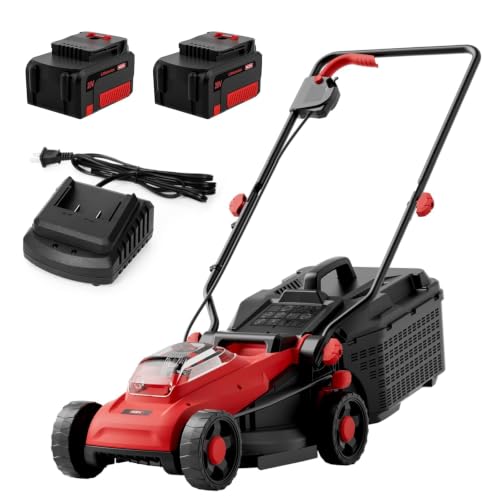


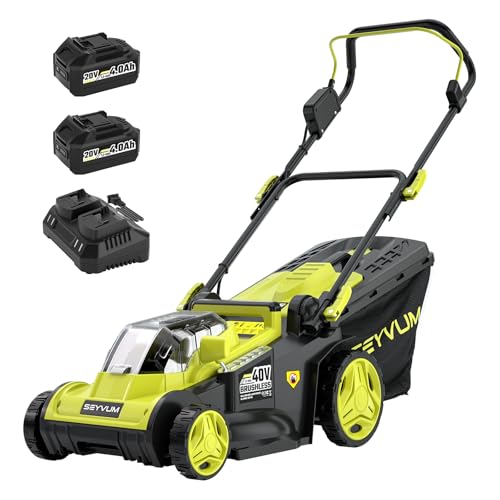


Battery Lawn Mowers 101: The Basics for Small Yards
A battery powered mower is a walk behind mower with an electric motor turned by a rechargeable battery pack. You press a start button, hold a safety bar and walk at your own pace while the blade spins under a cutting deck. There is no fuel to mix, no pull cord and no engine oil to change, which removes much of the routine that puts new owners off mowing.
On a small yard, that simplicity pairs with quiet running and light steering. You can mow early on a weekend with less worry about close neighbors, turn tightly around beds and trees, and park the mower in a small space. If you are also weighing plug in options, see our guide to the best electric lawn mowers for small yards to understand how cords change the way you move.
Battery Mower Specs That Matter on a Small Lot
Spec sheets look busy, but five choices decide most of your result. Read them in this order, and the best battery lawn mowers for small yards on your short list will separate quickly from models built for larger lawns.
Deck Size and Features That Matter for Small Yards
The cutting deck is the shell over the blade, and its width sets how much grass you cut in each pass. For most small yards, a deck of about 14 to 21 inches balances speed with control, and the narrower end suits lawns split by paths and beds. Look for cutting height settings of about 1 to 4 inches with one lever that lifts all wheels together. A combined bagging, mulching and side discharge setup gives you a way to handle clippings in each season.
Battery Runtime and Power in Plain Terms
Runtime tells you how long the mower cuts before the battery needs a charge, while voltage and amp hours hint at strength and staying power. Many compact models run about 20 to 45 minutes per charge, enough for a lawn under a quarter acre when grass is dry. A spare pack or a fast charger helps if thick patches slow you down. Readers comparing names for the same idea can see our guide to the best cordless lawn mowers for small yards for more on battery terms.
Measuring Your Yard, Gates and Storage Space
Measure before you shop, starting with the narrowest gate or side path the mower must pass through. Write down that width, then pace the lawn to estimate its area and note any tight corners where a wide deck would need extra passes. Weigh storage too, since a folding handle and upright parking can turn a crowded garage corner into enough room. A lighter mower, often about 35 to 55 pounds, is easier to lift over a step or carry through a side gate.
Power Source: Gas, Battery or Corded Electric
Gas gives long running time but brings fuel storage, louder operation and engine upkeep that can feel heavy for a short weekly cut. Battery power trades a fixed runtime for quiet starts, clean storage and very little routine care. Corded electric runs as long as you need, yet the cord limits your route and can snag on beds and corners. If your lot grows or your grass is often tall and wet, see our guide to the best gas lawn mowers for small yards before you decide.
Push or Self Propelled Drive for a Small Yard
A push mower moves only when you push it, which keeps weight, price and parts down and suits flat lawns you can cross in minutes. Self propelled models drive the wheels for you, so they help on a slope or when a full grass bag makes the mower heavier. That help adds weight and cost, and it can feel like too much pull in tight turns. For a closer look at the lighter option, see our guide to the best battery push mowers for small yards.
Rookie Mistakes to Avoid
New buyers tend to repeat the same errors, and each one is easy to avoid once you spot it.
- Buying the widest deck you can afford makes tight corners and narrow gates slow and awkward to mow.
- Choosing runtime for your whole lot size instead of your actual grass area leaves you paying for battery you never use.
- Skipping the gate measurement can leave you with a mower that cannot reach the back yard at all.
- Letting grass grow too long before a cut strains the motor and drains the battery before you finish.
- Storing the mower with a full grass bag invites odor and makes the next cut start with extra weight.
First Mow Setup: Unboxing, Charging and Cutting
Unfold the handle until it locks, fit the grass bag or mulching plug, and charge the battery fully before your first cut. Set the cutting height near the middle of the range, walk the lawn to move toys, stones and hoses, and check that the blade area is clear. Start on the flattest part so you can learn the controls without fighting a slope.
On that first run, overlap each pass by a few inches and keep a steady walking pace. Never cut more than one third of the grass blade at once, because a deeper cut stresses the lawn and leaves it pale. If the grass is long, raise the deck for the first pass, then lower it for a second pass on another day. Finish by emptying clippings and noting where the battery gauge ended.
Care and Maintenance for Battery Lawn Mowers
Good care for this type of mower is short and mostly about the blade, the deck and the battery. Brush or rinse loose clippings from the deck after it cools, let it dry, and keep the battery indoors in a dry place away from freezing cold and strong heat. Charge the pack after use rather than leaving it empty for weeks in the shed.
Keep the blade sharp, with a sharpening once each season for a typical small lawn, and replace it if the edge is bent or chipped. A dull blade tears grass tips and makes the motor work harder on every pass. Check handle locks, wheel axles and bag seams each month, and stop using the mower if the blade, deck or safety bar is damaged until a repair shop can inspect it.
Battery Lawn Mowers: Your Questions Answered
What features matter most in battery lawn mowers for small yards?
Deck width, runtime and easy storage matter most in battery lawn mowers for small yards. After those three, check what is actually in the box, because some low prices are for the mower alone with no battery or charger included. A tool only listing can look like a bargain until you add the pack you need to start mowing. Confirm the included battery also fits any other garden tools you plan to buy later.
How much runtime do battery lawn mowers need for a small yard?
Most small yards need about 20 to 35 minutes of real cutting time from a battery mower. Work out your grass area only, subtracting the house, driveway, paths and beds from the lot, since that smaller number is what the battery must cover. Thick or damp grass uses more energy than the same area when dry. If your front and back lawns are split, a short pause to move the mower does not use runtime at all.
How long does a battery lawn mower last?
A battery lawn mower often lasts about five to eight years with basic care, while its battery pack usually needs replacing sooner. Before you buy, check that spare packs for that battery platform are still sold widely, since a mower without a fresh pack loses its value fast. Storing the pack partly charged over winter, rather than full or empty, also helps it hold capacity for more seasons.
Are battery mowers as good as gas mowers for small yards?
Yes, battery mowers are as good as gas mowers for routine weekly cuts on small yards. The gap appears when grass is left for several weeks, grows thick and stays wet, where a gas engine can push through a heavy first pass with less slowing. For a normal small lawn cut on a dry day, most owners notice the quiet start and clean storage far more than any power difference.
What size mower do battery lawn mower buyers need for a small yard?
Most buyers with a small yard need a deck of about 16 to 20 inches. If your lawn is broken into front and back patches joined by a narrow path, favor the lighter and narrower end of that range, since carrying and turning happen more often than long straight runs. A deck that feels easy to guide will give a neater result than a wider deck you have to wrestle around planters.
Final Thoughts
Start with your gate width, your real grass area and your storage corner, then choose deck size and runtime to match those three facts. Add self propelled drive only if a slope or a heavy bag would truly make pushing hard work. Use the product table to check deck, runtime and weight side by side before you order.
Chosen that way, best battery lawn mowers for small yards stop being a confusing spec sheet and become a simple fit for your home. Pick the lightest model that finishes your lawn on one charge, and your weekly cut becomes a short, quiet routine.