Best Bathtubs: A Complete Buying Guide
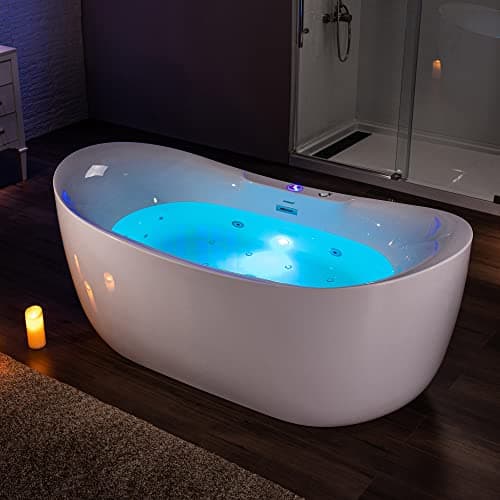
Shopping for a new tub means balancing comfort, durability, and how much bathroom space you actually have to work with. The best bathtubs aren't necessarily the most expensive ones; they're the ones that fit your plumbing, your floor structure, and the way your household actually bathes. Material affects everything from heat retention to installation cost, and tub shape determines whether a plumber needs to relocate drain lines or you can simply swap an old unit for a new one. This guide walks through the materials, shapes, sizing math, and installation realities so you can narrow down options with confidence, whether you're replacing a worn alcove tub or planning a freestanding soaker for a primary bath remodel.


Choosing a Tub Material That Fits How You Bathe
Material is the single biggest factor in how a tub feels, how long it lasts, and what it costs to install. Each option trades off weight, warmth, and price differently, so it helps to think about your priorities before you start comparing shapes.
Acrylic
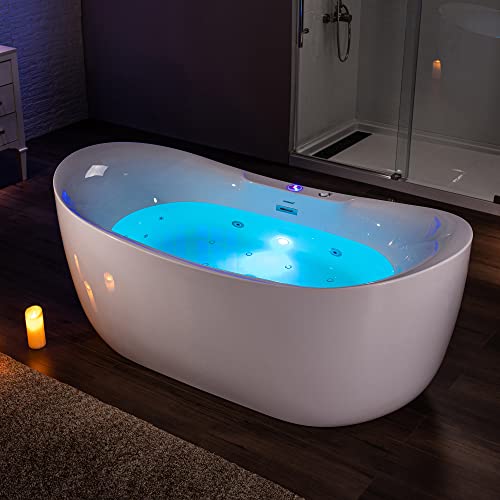
Acrylic is vacuum-formed over a mold and reinforced from behind, which lets manufacturers create curved, freestanding shapes as easily as boxy alcove ones. It's light enough for one or two people to carry, holds heat reasonably well, and resists chipping better than you might expect. Acrylic sits in the budget-to-mid price tier and is the most common material for both replacement and new-construction tubs.
Cast Iron
Cast iron is steel poured into a mold and finished with a baked-on enamel coating. It holds heat longer than almost any other material, so your water stays warm through a long soak. The tradeoff is weight; a standard cast iron tub can weigh 300 to 500 pounds, so your floor framing needs to support it. It sits at the higher end of the price tier but can last many decades with basic care.
Fiberglass
Fiberglass, sometimes called gelcoat, is the lightest and least expensive option on the market. It's a reasonable choice for a rental property, guest bath, or any alcove installation where budget matters more than long-term durability. The gelcoat surface can dull and scratch faster than acrylic, and repairs tend to be more visible over time.
Stone Resin
Stone resin blends crushed natural stone with resin binders to create a dense, matte-finished material often used for freestanding soaking tubs. It holds heat well, feels solid underfoot, and minor surface damage can usually be sanded out rather than replaced. It's the priciest common option, and because it's heavy, the same floor-support questions that apply to cast iron apply here too.
Matching the Tub Style to Your Bathroom Layout
Tub shape is really about how your bathroom is already built, and changing shapes often means changing plumbing too.
Alcove
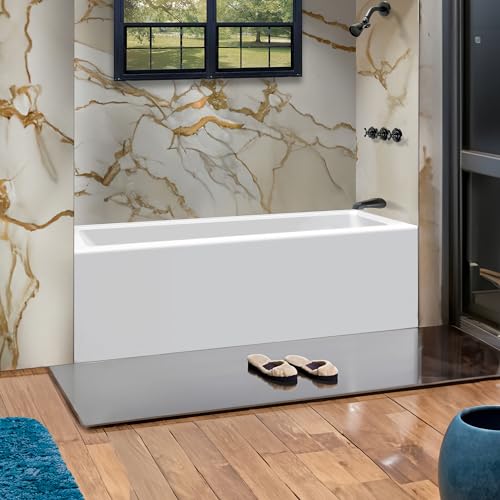
An alcove tub sits against three walls and is the standard in most US homes, usually around 60 inches long, with a finished apron on the open side. Because it shares plumbing with an existing shower, swapping one alcove tub for another is usually the simplest and least expensive project.
Freestanding
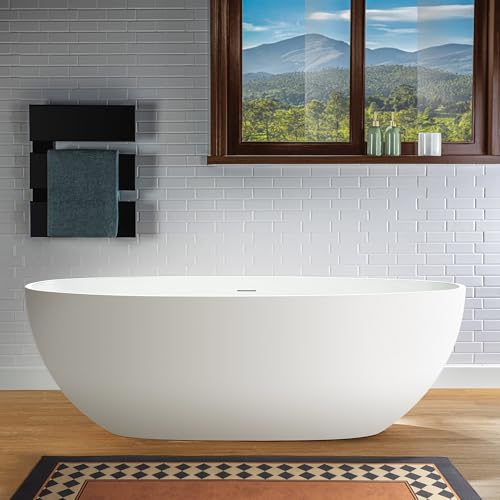
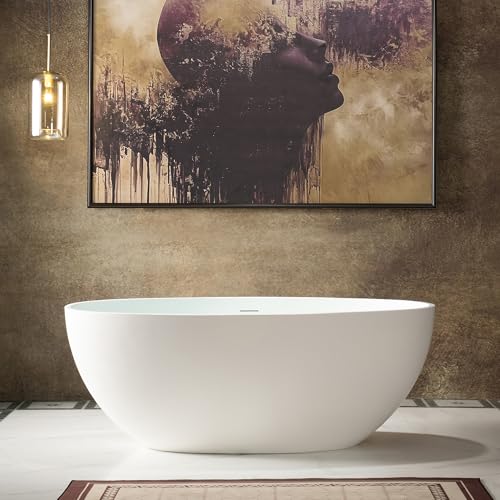
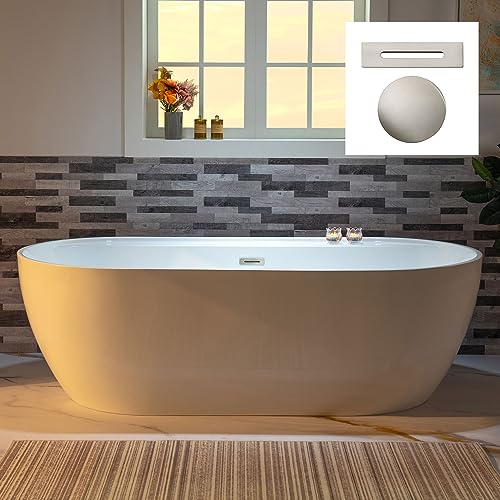
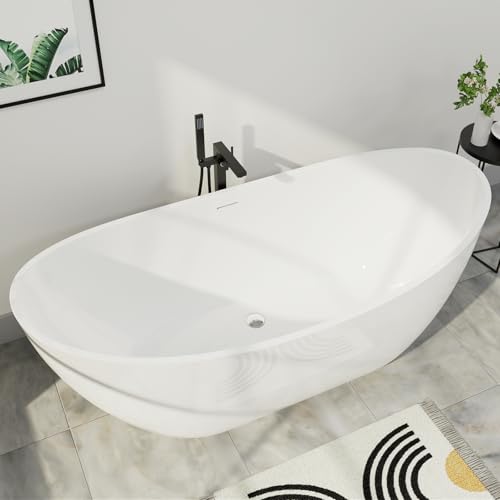
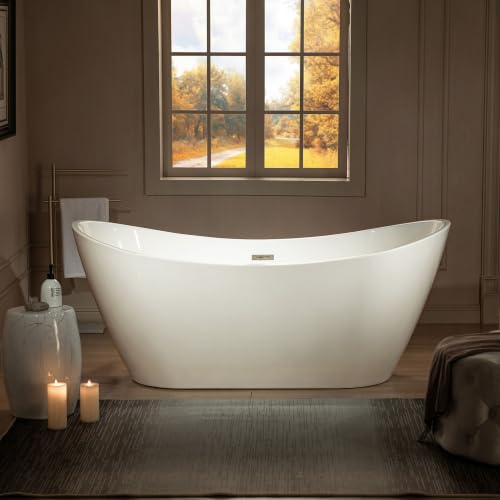
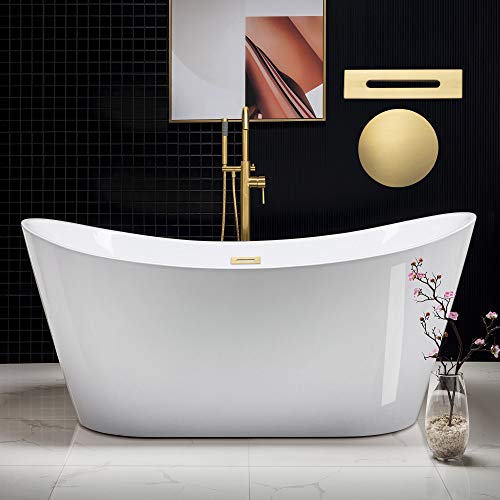
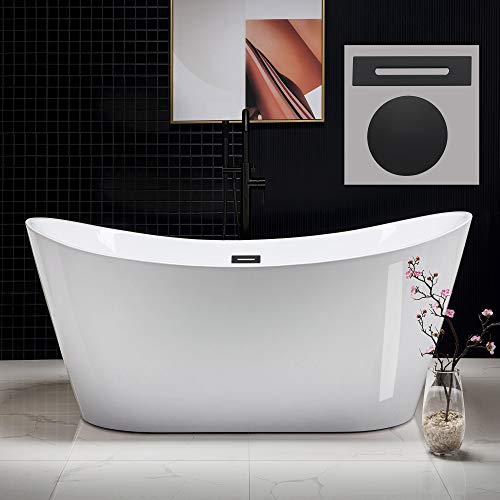
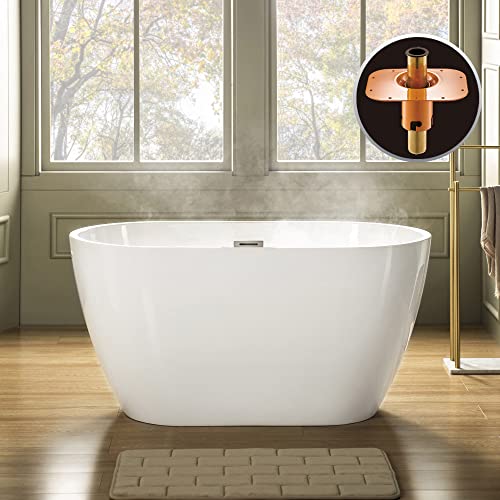
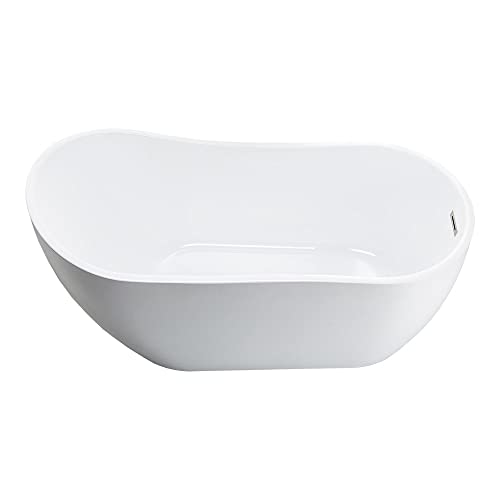
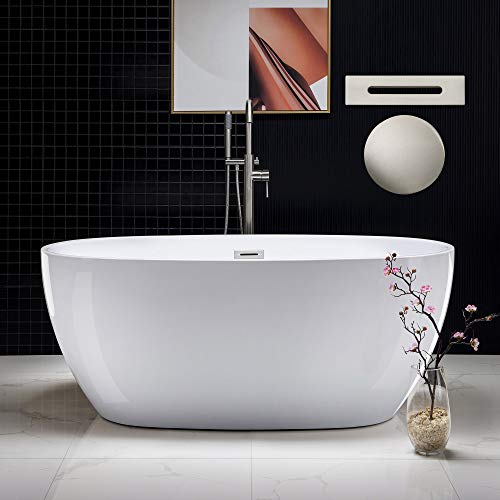
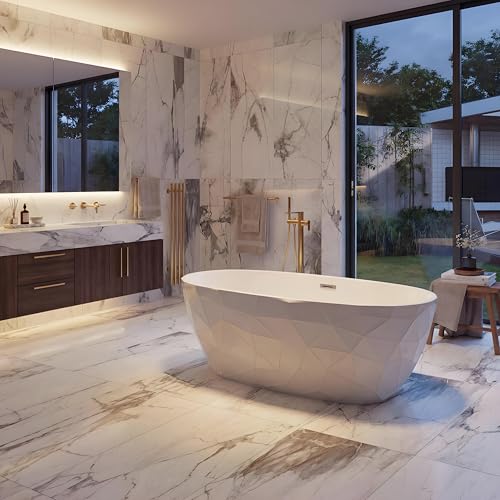
A freestanding tub stands on its own, unattached to any wall, and works well as a visual centerpiece in primary suites with enough floor space. Supply and drain lines typically run from the floor rather than a wall, which can mean new rough-in plumbing if you're converting from an alcove. Because supply lines often run from the floor, freestanding installations also call for specific floor-mounted faucet hardware rather than a standard wall-mounted spout.
Drop-In
A drop-in tub is a shell that sets into a framed deck you or a contractor build around it, giving you control over the surrounding tile, ledge width, and overall footprint. It costs more in labor than an alcove swap because someone has to build and waterproof the deck itself.
Corner
A corner tub tucks into an unused corner and can free up floor space in an oddly shaped bathroom, though it usually needs more square footage than a standard alcove tub to feel comfortable rather than cramped.
Measuring Your Space Before You Shop
Before you fall in love with a tub online, measure the opening you're working with. For an alcove replacement, note the length, width, and height of the existing tub, plus the rough-in distance from the wall to the drain. Standard alcove tubs run close to 60 inches long and 30 to 32 inches wide, and matching those dimensions closely will save you from cutting into tile or subfloor. The best bathtubs for a small bathroom are usually simple alcove replacements that use the footprint you already have.
If you're considering cast iron or stone resin, ask about weight before you order. A filled cast iron tub with someone soaking in it can easily exceed 700 pounds concentrated in one spot on the floor. Older homes, upper-floor bathrooms, or additions with wider joist spacing may need a contractor or structural engineer to confirm the floor can carry that load, or to add blocking between joists. Acrylic and fiberglass rarely raise this concern because they weigh a fraction as much even when full.
What Installation Actually Involves
Swapping an alcove tub for a similarly sized alcove tub is the most DIY-friendly upgrade, though it still involves cutting out old caulk and possibly tile, disconnecting the drain and overflow, and resealing everything against water intrusion with the right bathtub caulk. Many homeowners handle this with a helper, though a plumber is worth hiring if the drain or trap needs any adjustment.
Switching tub styles is a bigger project. Moving from an alcove to a freestanding tub usually means relocating supply lines and drain plumbing to a new spot on the floor, which involves opening the subfloor and sometimes the ceiling below. A drop-in tub adds carpentry, since someone needs to frame and waterproof the deck it sits in. In both cases, budget for a licensed plumber and, if walls or framing are involved, a general contractor, rather than treating it as a weekend swap.
Picking the Right Tub for Small Bathrooms, Primary Suites, and Aging in Place
A small guest bath usually calls for a standard alcove tub, since it uses the existing footprint and keeps costs down. A primary suite with more square footage can support a freestanding or drop-in tub as a design feature, especially if the room already has floor-mounted plumbing or is being remodeled from scratch.
Soaking depth matters more than length for comfort. A standard tub holds water to about 14 to 16 inches, while a true soaking tub is built deeper, often 17 to 22 inches, so water covers your shoulders while seated. If the tub is for an older adult or anyone with mobility concerns, look at entry height and consider a lower-threshold style, since climbing over a tall tub wall is one of the more common causes of bathroom falls.
Frequently Asked Questions
How long do bathtubs typically last?
Acrylic and fiberglass tubs generally last 10 to 15 years with normal care, while cast iron and stone resin can last several decades. Resurfacing can extend the life of any material once the finish starts to dull or chip.
Can I install a heavier tub like cast iron on any floor?
Not always. Older floors or upper-story bathrooms may need reinforcement before a cast iron or stone resin tub can be installed safely. Have a contractor check joist spacing and support before you order one.
Do freestanding tubs need different plumbing?
Usually, yes. Freestanding tubs typically draw supply and drain lines from the floor rather than a wall, so converting from an alcove tub often means new rough-in plumbing work.
What's the easiest tub material to keep clean?
Acrylic and stone resin both resist staining and are simple to wipe down with a non-abrasive cleaner. Cast iron's enamel coating is also easy to clean but can chip if you drop something heavy on it.
Is a deeper tub always better for soaking?
Not necessarily. A deeper tub holds more water and covers more of your body, but it also takes longer to fill and uses more hot water. Match depth to your water heater capacity and how you actually bathe.
How much space do I need for a freestanding tub?
Plan for clearance on at least three sides, generally 4 to 6 inches from walls and enough open floor space to walk around it comfortably. Most freestanding tubs need a larger footprint than an alcove tub of the same length.
Should I hire a plumber for a simple tub swap?
If you're replacing an alcove tub with one of the same size in the same spot, an experienced DIYer can often manage it. Any change to the drain location, trap, or tub style is worth handing to a licensed plumber.
Where to Go From Here
Start with your floor plan and plumbing, not the tub photos you like best online. Once you know your material budget, your available footprint, and whether you're keeping the same plumbing layout, the options narrow quickly. The best bathtubs are the ones matched to your space and how your household actually bathes, not necessarily the largest or most expensive model in the showroom.