Best Bathroom Vanity With Sink: Types and Buying Tips (2026)
Disclosure: We may earn a commission when you buy through links on this page, at no extra cost to you. As an Amazon Associate I earn from qualifying purchases. Learn more

Measure your wall and plumbing first, then compare materials and storage to find the best bathroom vanity with sink for your room.
A vanity with the sink included sounds simple, but the details decide whether the unit fits your plumbing, your storage needs, and the space on your bathroom floor. Choosing the best bathroom vanity with sink means matching the cabinet size to your room, the sink style to how you use water each morning, and the materials to the moisture in the room. The comparison table below lines up the main types side by side so you can spot the differences that matter before you order.
This guide walks through the three vanity types most buyers compare, the sizes and materials that hold up in a wet room, and the measurements to take before you buy. If you want the broader category view first, our guide to the best bathroom vanity covers cabinets sold with and without a sink.

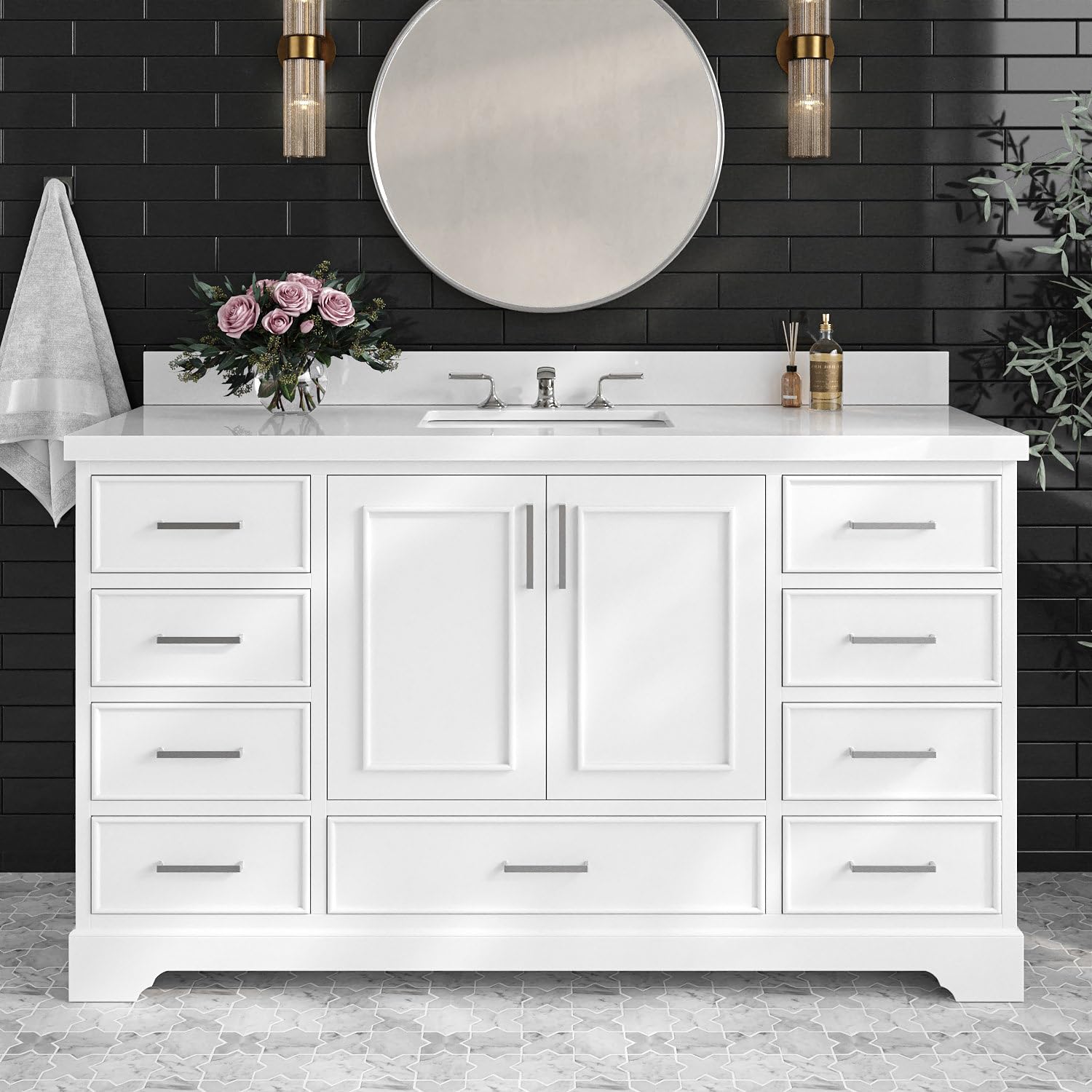
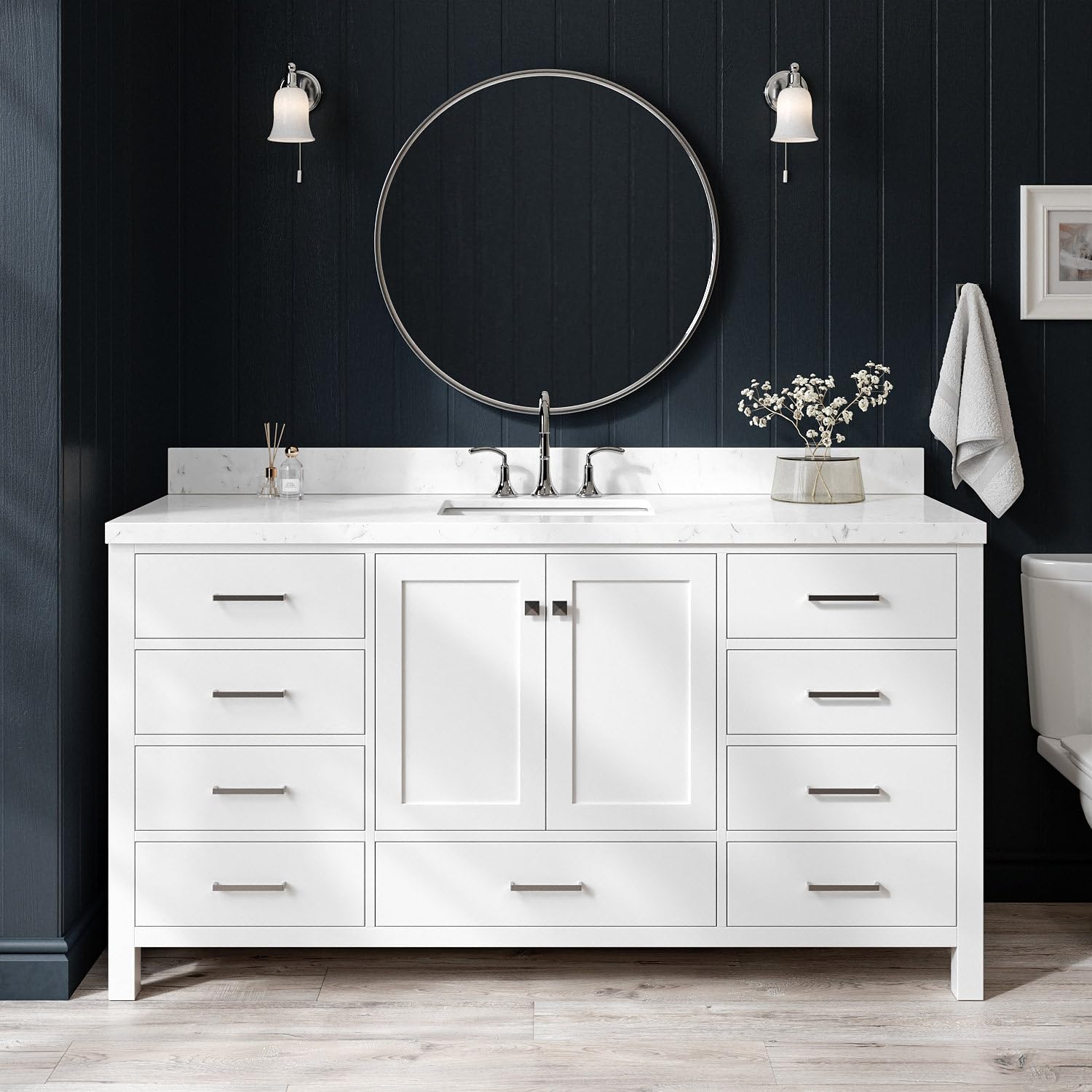
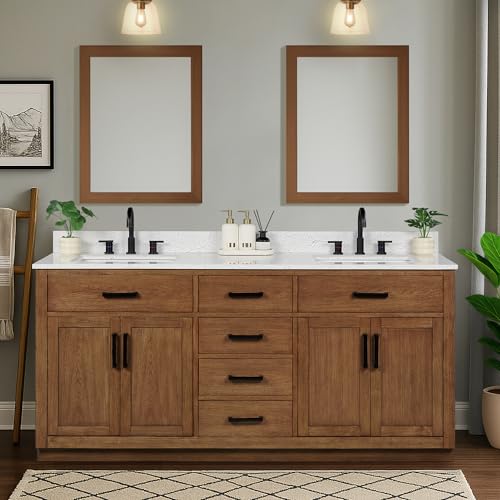


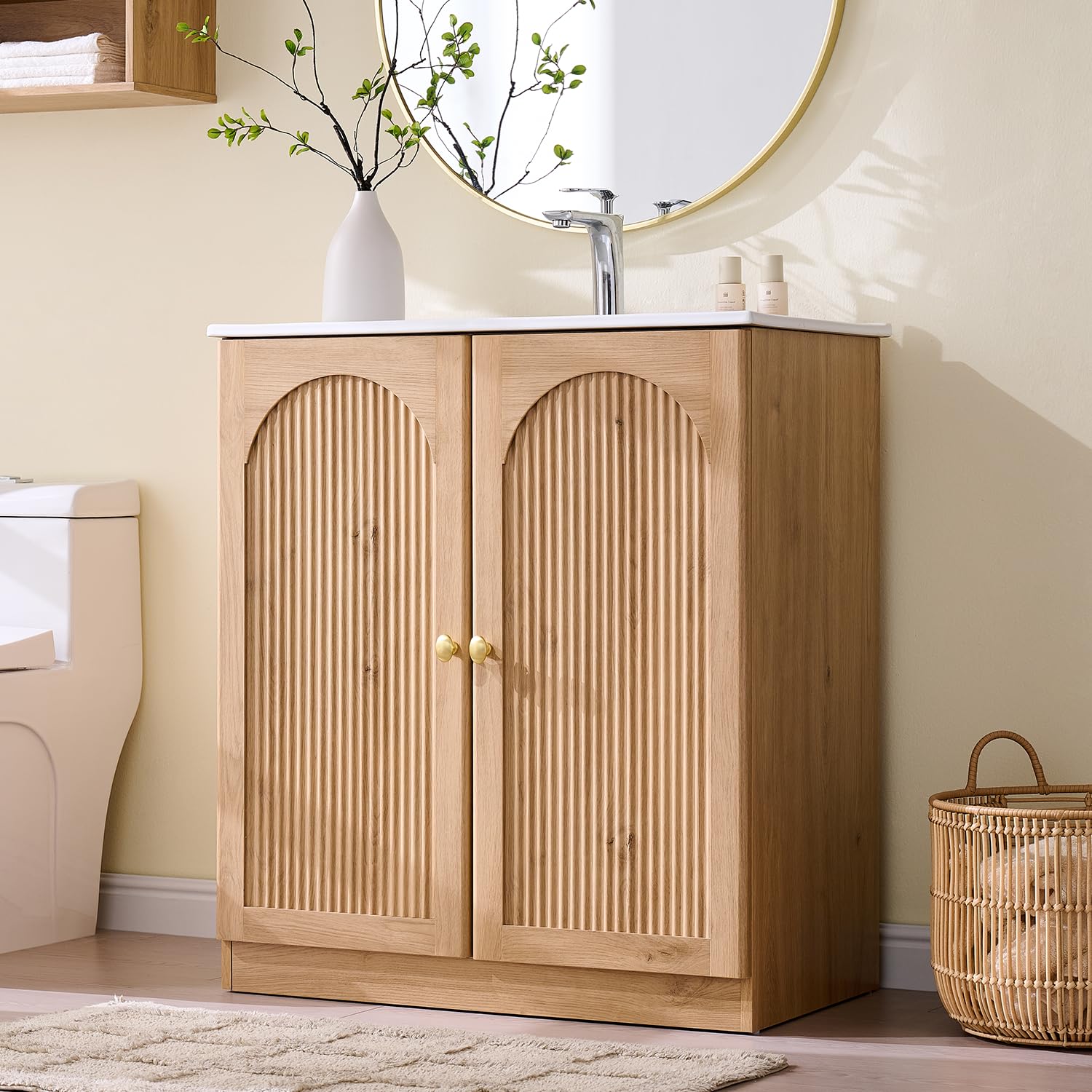
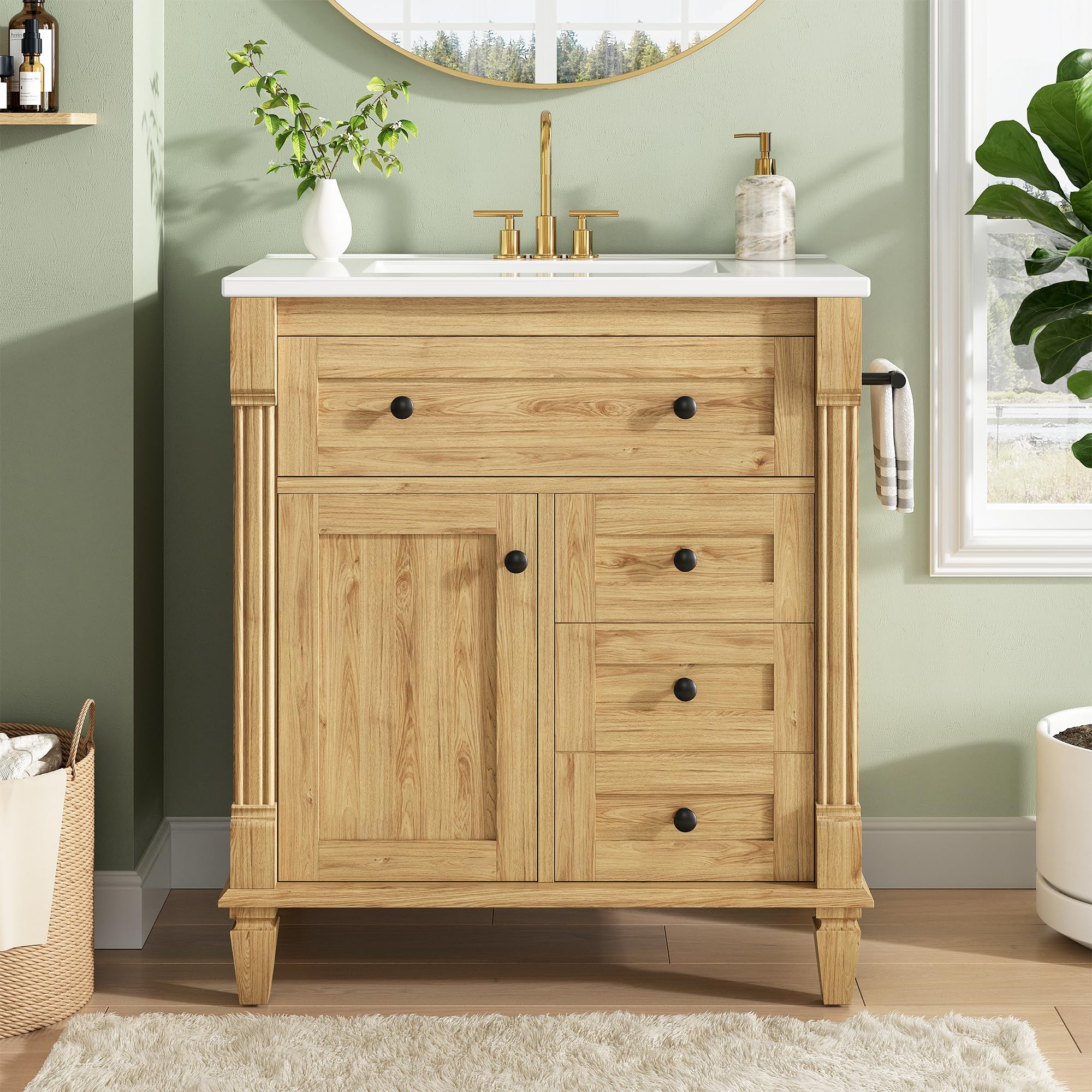

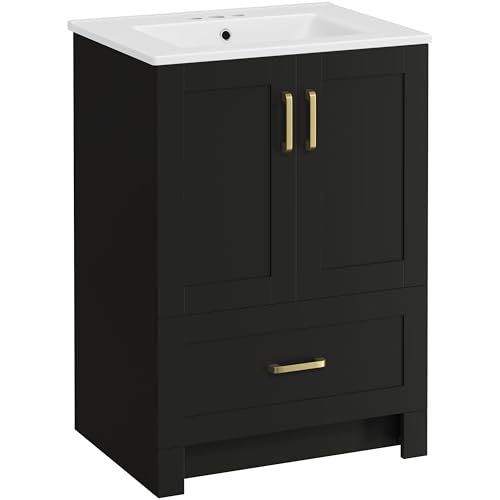
Vanity Types to Compare at a Glance
Most vanities with a sink fall into three groups. A freestanding cabinet sits on the floor and hides plumbing behind doors or drawers. A floating unit mounts to the wall and leaves the floor visible, which makes a small room feel larger. A double sink unit stretches wider and gives two people separate basins. All three can arrive with the sink and countertop already joined, which saves you a separate countertop order and a second delivery.
Three Vanity Types Worth Comparing
Freestanding Cabinet With an Integrated Top for Most Homes
A freestanding cabinet with the sink molded into the countertop suits most family bathrooms. The cabinet rests on the floor, so it carries heavy loads well and needs no wall studs for support. Doors and drawers hide cleaning supplies and spare towels, and the single piece top has no seam between sink and counter where water can sit. Choose this type when you want the easiest install, the most storage, and a look that works in both classic and modern rooms.
Compact Single Sink Vanity for Small Budgets and Spaces
A compact single sink vanity, often 24 to 30 inches wide, is the type to compare when cost and space both matter. It arrives as one unit, so you avoid paying for a separate sink, countertop, and faucet mounting work. Storage is smaller, usually one cabinet or a short stack of drawers, but that is enough for a powder room or a guest bath. This type keeps the total project cost down because the plumbing hookup stays simple and the unit is light enough for one person to move into place.
Double Sink Vanity With Stone Top for Shared Bathrooms
A double sink vanity, usually 60 to 72 inches wide, gives two basins set into a stone or quartz top. Each person gets a sink, a faucet, and drawer space on their own side, which ends the morning fight for the mirror. The cabinet is larger and heavier, so the floor must be level and the doorway wide enough to bring it in. Choose this type for a main bathroom shared by two people who get ready at the same time each day.
How We Chose the Criteria for This Guide
The criteria below come from manufacturer spec sheets and the questions buyers ask most often: cabinet size and sink capacity, build quality and materials, how the unit assembles, and what the warranty covers. Comfort matters too, so counter height and knee space count as part of the decision. This guide gives you the checks to run on any listing so you can judge the options in the product table above.
How to Choose the Right Bathroom Vanity
Work through the factors in this section in order: size first, then type, then features, then materials and cost. Our bathroom vanity buying guide gives the same process in a shorter checklist form if you want a quick version beside you while you shop.
Size and Form Factor
Measure the wall space in inches, then leave room for the door swing and any trim. Common widths are 24, 30, 36, 48, 60, and 72 inches. A 24 or 30 inch unit fits a powder room, while a 48 inch unit gives a single user real counter space. The best 36 inch bathroom vanity options suit the middle case, a full bath used by one person or by children. For tight rooms, the best small bathroom vanity listings show how much storage a compact cabinet can still hold. Depth matters as well: most cabinets run about 21 inches deep, and a shallower 18 inch cabinet helps when the door opens close to the vanity.
Type: Floating, Freestanding, or Corner
A freestanding vanity stands on legs or a solid base and is the easiest to install because the floor carries the weight. A floating vanity mounts to wall studs and leaves open floor below, which makes cleaning simple and gives a modern look, but the wall must be strong enough to hold the loaded cabinet. A corner vanity fits a triangular cabinet into an unused corner and can rescue a very small room, though the sink is usually small as well. Double sink units need a wide wall and two sets of plumbing connections, so confirm both drain positions before you choose one.
Features Worth Paying For
An integrated sink top removes the seam where a separate sink meets the counter, and that seam is where grime builds up. Soft close drawers and doors are worth paying for because they stop slamming in a room with hard echoing surfaces. Drawers with a cutout shaped around the drain pipes give you more usable storage than a plain open cabinet. A backsplash strip protects the wall from splashes. Skip extras you will not use, such as a matching mirror you already own or lighting built into the cabinet when your room lighting is already good.
Cabinet Size and Load Capacity
The countertop carries the sink, the faucet, and whatever you set down each day, so the cabinet below must support that load without flexing. Solid framed cabinets and thick side panels handle weight better than thin flat packed panels. Stone tops add a lot of weight, so check that the cabinet is rated for the top material you choose. If two adults will lean on the counter while using the mirror, a floor standing cabinet spreads that force to the floor, while a floating unit sends it to the wall mounts, which makes stud placement critical.
Height and Adjustability
Standard vanity height is about 32 inches, while comfort height models run about 36 inches and suit taller users who bend less at the sink. Floating vanities offer the most flexibility because you set the mounting height during install, within the limits of your drain position. Some freestanding cabinets have adjustable feet, which help you level the unit on an uneven floor and fine tune the height by a small amount. Pick a height that lets you wash your hands with your forearms roughly level, since a sink set too low strains your back during daily use.
Materials and Durability
Cabinets come in solid wood, plywood, and engineered wood panels. Solid wood and plywood handle bathroom humidity better over time, while lower grade panels can swell if water reaches an unsealed edge. If you like a natural finish, the best wood bathroom vanity options show the species and finishes used most often. For the top, ceramic and cultured marble resist stains and need little care, while natural stone looks richer but needs sealing to stop water marks. Check that the sink surface has a glazed or sealed finish and that the cabinet interior has a water resistant coating, because drips inside the cabinet are common.
Assembly and Warranty
Some vanities arrive fully assembled with the top attached, while others need the cabinet built, the top set, and the sink sealed in place. Read what the listing includes: faucet and drain parts are often sold separately, and a mirror may be shown in photos but not included. Allow time for silicone sealing and a full day for it to cure before you run water. Warranty terms vary, so look for coverage on the cabinet finish and on the sink against cracks, and keep the paperwork with your plumbing receipts.
How Much Should You Spend?
Compact single sink vanities often cost about $200 to $500. Mid size units with better drawer hardware and thicker tops run about $500 to $1000. Large double sink vanities with stone tops can cost about $1000 to $2000 or more. Higher prices usually buy stronger cabinet materials, smoother drawers, and a more durable top, not a better sink shape. Set your budget after measuring, because paying for the right size beats paying for features on a unit that does not fit the room.
Do You Really Need a Bathroom Vanity With Sink?
You need this combined unit when your current vanity is damaged, when you are remodeling and the old sink and cabinet are both worn, or when you want one delivery and one install instead of matching separate parts. Buying the sink and cabinet together also guarantees the sink fits the cabinet cutout, which removes a common sizing mistake. The alternative is a separate cabinet, countertop, and sink, which gives more design freedom but more chances for parts that do not line up. If your cabinet is sound and only the sink is cracked or stained, replacing just the sink and top costs less and creates less waste.
One more check matters in older homes: the new vanity must line up with the drain and supply line positions, or you will pay a plumber to move them.
FAQ
What is the best bathroom vanity with sink?
For most homes, a freestanding cabinet with an integrated top in the width that fits your wall is the safest choice, because it installs easily and stores the most. The right pick changes with your room: a floating unit suits a small modern bath, and a double sink unit suits a shared main bath. Match the type to your space and plumbing first, then compare materials and drawer layout within that type.
Is a bathroom vanity with sink worth it?
Yes, when both your cabinet and sink need replacing, because the combined unit removes the risk of a sink that does not fit the cabinet cutout. It also shortens the install, since the top and sink arrive as one piece. It is less worth it when your cabinet is in good shape, because then a new top and sink alone can refresh the room for less money and less work.
How long does a bathroom vanity last?
A well built vanity often lasts about 10 to 20 years, and the cabinet usually wears out before the ceramic sink does. Water is the main threat: a slow drip under the sink can soften the cabinet floor within a few seasons if it goes unnoticed. Check under the sink every few months, fix drips fast, and keep the cabinet interior dry to reach the long end of that range.
How do you clean a bathroom vanity?
Wipe the countertop and sink daily with a soft cloth and mild cleaner, and dry the surface so water does not sit on seams or edges. Avoid harsh scouring powders on stone and cultured marble, since they can dull the finish. Our full routine for how to clean a bathroom vanity covers cabinet doors, drawer fronts, and the area around the faucet where buildup forms fastest.
What is the most reliable bathroom vanity brand?
Reliability depends more on construction than on the name on the box. Look for plywood or solid wood cabinet sides, dovetail or metal bracket drawer joints, and a sink with an even glaze and no thin spots. Read the warranty length and what it covers, and check recent buyer reviews for repeated reports of swelling, peeling finish, or cracked tops. A brand that sells replacement parts and publishes clear spec sheets is a safer long term bet.
Final Thoughts
Start with your measurements, pick the type that fits your room and plumbing, then compare materials and storage within that type. For most buyers, the best bathroom vanity with sink is a freestanding unit with an integrated top, soft close drawers, and a cabinet built from plywood or solid wood. Use the product table above to compare the options against the checks in this guide, and confirm the faucet, drain parts, and delivery weight before you order.