Best Bucket Towel Warmers in 2026: Buying Guide by Load and Style
Disclosure: We may earn a commission when you buy through links on this page, at no extra cost to you. As an Amazon Associate I earn from qualifying purchases. Learn more
Pick the best bucket towel warmer by load size, heating evenness and controls, with placement, safety and care tips for robes, blankets and towels.
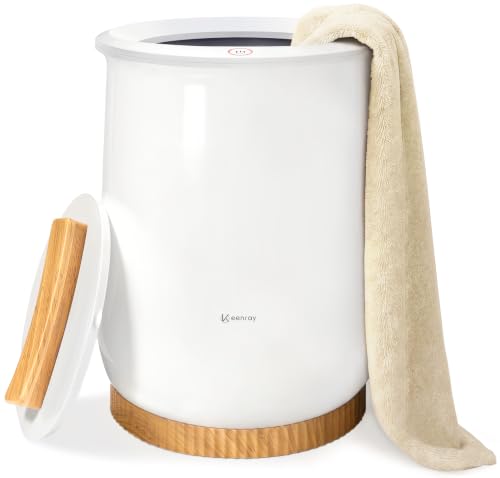
A cold bathroom can make even a thick towel feel like a poor finish to a warm shower. A bucket warmer solves that in a simple way, since you drop towels in, close the lid, and let the enclosed heat build. Choosing the best bucket towel warmer comes down to load size, heating evenness, controls, and where the unit will sit.
Bucket models enclose fabric instead of draping it over bars, so they suit robes, blankets, and pajamas as well as towels, and they need no mounting. Use the comparison table below to compare styles by capacity and features, and see our guide to the best towel warmer for the wider category view.




Who Should Buy a Bucket Towel Warmer?
Families Who Warm Several Towels Each Morning
If two or more people shower in the same hour, a larger bucket keeps the routine simple. You load towels for the whole group at once instead of warming one item at a time on a narrow rack. Capacity matters more than extra features here, since a load that fits without force heats more evenly. Look for a wide interior and a lid that closes fully.
People Who Love Warm Robes, Blankets, and Pajamas
A bucket is the natural shape for soft items that do not hang well. Robes fold in easily, blankets warm up for the sofa, and pajamas feel inviting on cold nights. Judge models by interior depth rather than towel count alone, since bulky items need room for heat to circulate. A roomy cavity with simple controls serves this use better than a compact unit with fancy settings.
Renters and Hosts Who Cannot Mount Hardware
You may want warm towels but have no permission to drill into tile, or you may host guests only a few times a year. A bucket warmer plugs in, works the same day it arrives, and moves to a closet when needed. That freedom is its biggest advantage. Measure your storage spot first, since a large empty bucket still takes real floor space between uses.
Bucket Styles Compared
Matching the style to your load matters more than chasing the longest feature list.
Compact Buckets for One or Two Towels
Compact buckets suit single users, couples, and small bathrooms where floor space is tight. They hold a small load and store easily in a vanity gap or linen closet. The trade off is flexibility, since one thick robe may fill the cavity. Choose this style if your routine is small and you value floor space more than blanket warming.
Large Buckets for Family Loads and Bulky Items
Large buckets hold several bath towels at once, or one bulky item such as a robe or a throw blanket. They fit shared bathrooms, pool towels in summer, and homes with big soft loads. The trade off is footprint, since the unit needs a clear spot near an outlet and room for the lid to open. Choose this style when load size, not storage, is your main concern.
Deluxe Buckets With Added Controls
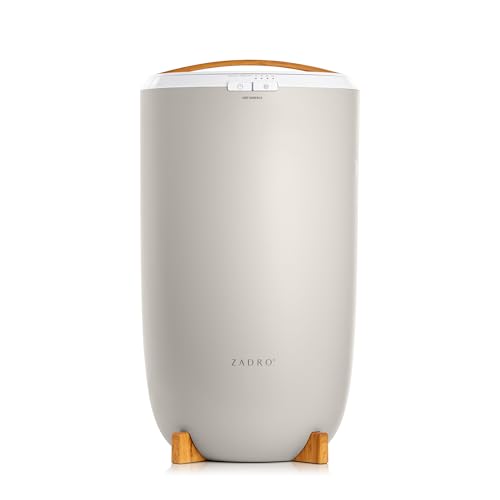
Deluxe buckets add controls such as a timer dial, a delay start, or a fragrance disc holder near the lid. These extras help when you want towels ready at a set time, or a light scent on warmed fabric. They cost more, and each added control is one more thing to learn. Choose this style if timing and scent genuinely fit your routine, not because the panel looks impressive in photos.
Key Features to Compare
Capacity and Interior Shape
Capacity is stated as towel count, but your real load decides what fits. Count the items you plan to warm at once, and favor makers that give interior dimensions, not just a towel number. A tall cavity suits robes, while a wider one suits folded blankets. Leave breathing room in the load, since packed fabric traps cool air in the center. If your household mixes bath sheets with hand towels, size for the largest regular load.
Heating Evenness and Warm Up Time
All bucket warmers heat an enclosed space, yet results vary with element placement and insulation. Models that surround the load tend to warm the middle better than units that heat only from the base. Warm up time also depends on load size and fabric thickness, so a thin hand towel and a dense robe never finish together. Plan around the thickest item, start the cycle before your shower, and check the stated cycle length before you buy.
Timer and Auto Shutoff Controls
A timer lets you set how long the cycle runs, and auto shutoff ends it without you standing by. Fixed cycle models are simple, since one press starts a preset run, while adjustable timers suit mixed loads. A delay start can have towels ready when you wake, though you should use it only with dry fabric and exactly as the manual directs. Clear markings matter too, since you often set controls with damp hands and low morning light.
Build Quality, Lid Design, and Finish
The body should feel rigid, with a lid that sits flush and a handle that opens without wobbling. A loose lid lets heat escape at the rim, which wastes energy and leaves the top towel cooler than the rest. Inside, look for smooth surfaces with no sharp seams that could snag cotton or fleece. Pick a finish you are happy to see daily, since most owners leave the unit out.
Measurements and Compatibility With Your Setup
Start with the spot where the warmer will live. Measure the floor or counter space, then check that the lid opens fully without hitting a shelf or towel bar. Add clearance on every side, since the outer walls grow warm during a cycle and need air around them.
Next, check the outlet. Bathrooms often have only one, already shared with a hair dryer or toothbrush charger. Note the cord length the maker lists and picture the cord path, since a cord across a wet floor is both a trip risk and a splash risk. If you are planning the whole room, our guide to the best towel warmer for bathroom covers layout choices.
Bucket vs Other Towel Warmers: Pros and Cons
A bucket warms loose items inside a closed container, while a rack warms towels draped over heated bars. For a direct discussion of the two shapes, read our comparison of towel warmer bucket vs rack.
- Bucket strengths: no mounting, works for robes and blankets, portable between rooms, and simple for guests to use.
- Bucket limits: takes floor space, warms a batch rather than drying towels all day, and must be loaded and unloaded each time.
- Rack strengths: doubles as towel storage, helps damp towels dry between uses, and stays fixed in place.
- Rack limits: only suits items that drape, and fixed models may need wall work or wiring.
If wall space is plentiful and drying matters most, the best wall mounted towel warmer options deserve a look. If you prefer a permanent result and accept wiring work, the best hardwired towel warmer category is the fixed alternative. Choose the bucket when flexibility and bulky loads matter more.
Certifications, Installation, and Budget
Safety Listings to Look For
Because this is an electrical heating appliance used near water, look for a recognized safety listing such as UL or ETL on the exact model you buy. The mark should appear on the product label and in the manual, not only in marketing copy. Follow the manual placement rules, keep the unit away from water spray, and never handle the plug with wet hands.
Plug In Simplicity vs Fixed Installation
A bucket warmer needs no installation beyond a level surface and a plug, so setup cost is usually zero. A fixed rack is different, since wiring and mounting may call for an electrician. The only bucket cost surprise is work you choose yourself, such as adding an outlet in a better spot, and that job belongs to a licensed electrician.
How Much Should You Spend?
Small basic buckets often cost under $50 and cover a single user with a simple fixed cycle. Most family size models fall at about $50 to $100, adding capacity and a timer. Larger or deluxe designs run about $100 to $200, where you pay for volume, delay start, and nicer finishes rather than hotter heat. Set your budget after picking a size class.
Common Mistakes to Avoid
- Overfilling the bucket so the lid cannot close, which lets heat escape and leaves the center of the load cool.
- Loading soaking wet towels, which slows warming and can leave a stale smell, since a bucket warms fabric rather than drying it.
- Pushing the unit tight against soft furnishings or walls, which traps heat around the outer surface during the cycle.
- Choosing by bathroom footprint alone, which ignores the towel and robe sizes you actually need to fit inside.
- Storing damp towels inside the closed bucket between uses, which invites mildew odor in the fabric and the cavity.
How to Clean and Care for Your Bucket Towel Warmer
Unplug the unit and let it cool fully before cleaning. Wipe the interior with a soft, slightly damp cloth, using mild soap only if the manual allows it, then wipe again to remove residue. Dry the cavity with the lid open so no moisture lingers in the base or around the rim.
Wipe the exterior and lid the same gentle way, keeping water out of the control panel. Check the cord and plug now and then, and stop using the unit if you find cuts or a loose plug. For care guidance covering racks as well, see how to clean a towel warmer. Store the bucket dry, with the lid ajar.
FAQ
What is the best bucket towel warmer?
The right choice is the one whose interior fits your largest regular load with room to spare, and whose controls match your routine. Count the towels and robes in one typical morning, then shop that size class first. A model that fits your load and sits safely near your outlet will please you more than a long feature list on a unit that crowds your bathroom.
Are bucket towel warmers worth it?
They are worth it if warm fabric is part of your daily comfort, since the cost spreads across hundreds of small uses each year. They are harder to justify if your bathroom is already warm, or if you shower at varied times and would rarely start a cycle in advance. Renters often get the most value, because the comfort arrives without any change to the room.
How long does a bucket towel warmer take to warm a thick robe?
A thick robe takes longer than a thin towel because dense cotton holds more air and moisture in its fibers. Room temperature plays a part too, since a cold bathroom slows the start. Load the robe before your shower, loosely folded rather than rolled tight, then check it at the end of the stated cycle and add a few minutes if the inner folds still feel cool.
Can a bucket towel warmer warm blankets and pajamas safely?
Yes, for most sturdy cotton and fleece items, as long as you follow the manual and the fabric care label. Avoid items with plastic prints, glued decorations, or elastic that the label says to keep from heat. Load one bulky blanket at a time so air can move around it, and stay nearby during the cycle rather than leaving the house with the warmer running.
Can you leave towels inside a bucket towel warmer overnight?
Leaving dry towels inside overnight with the power off is fine, and many people stage the morning load that way. Running a cycle unattended for hours is different, and you should use a delay start only as the manual permits. Never stage damp towels in a closed bucket overnight, because trapped moisture turns stale quickly and the smell can transfer to the next clean load.
Final Thoughts
A bucket warmer has a focused job: warm, comfortable fabric without wall work or plumbing changes. Pick the size class that fits your real load, confirm the safety listing, and let controls and finish settle the choice. Match those basics to your routine, and the best bucket towel warmer for your home is easy to spot. Use the product table above to compare styles before you order.