Best Calcium Remover for Toilets in 2026: Which Type Is Right for You?
Disclosure: We may earn a commission when you buy through links on this page, at no extra cost to you. As an Amazon Associate I earn from qualifying purchases. Learn more

The best calcium remover for toilets depends on deposit thickness, surface, and plumbing. Compare gentle and strong acid types first.
Shelves carry powders, gels, liquids, and tablets that all promise to erase the white crust in a toilet bowl, and the labels rarely say which deposit each one actually dissolves. The best calcium remover for toilets for your home depends on the deposit you have, the surfaces around your bowl, and how your plumbing handles acids.
This guide compares each remover type side by side, then shows how to match strength to the job. The comparison table below sums up the classes at a glance, and the sections after it explain where each class earns its place.




Types of Calcium Removers Compared
One safety rule comes before every type in this guide. A calcium remover is an acid product, and acid products are never mixed with bleach or with any other cleaner, because the mix can release harmful gas. Read the label before any use, flush the bowl first so no earlier cleaner remains, wear gloves, and open a window or run the fan.
| Type | Best For | Pros | Cons | Typical Price |
|---|---|---|---|---|
| Citric acid powder | Light rings and regular upkeep | Gentle on finishes, low fumes | Slow on thick crust | about $5 to $10 |
| Strong acid gel | Thick crust and blocked rim jets | Clings under the rim, works fast | Harsh fumes, needs care | about $6 to $12 |
| Everyday liquid cleaner | Weekly hard water marks | Easy to aim, low cost per use | Weak on old scale | about $4 to $8 |
| In tank tablet | Slowing new rings between cleans | Works without effort | Cannot strip existing crust | about $8 to $15 |
Calcium is only one half of the crust problem. The other half is the mixed mineral film covered in our guide to best limescale remover for toilets, and most bowls carry both at once, which is why the classes below are grouped by acid strength and form rather than by brand claims.
Gentle Plant Based Cleaners
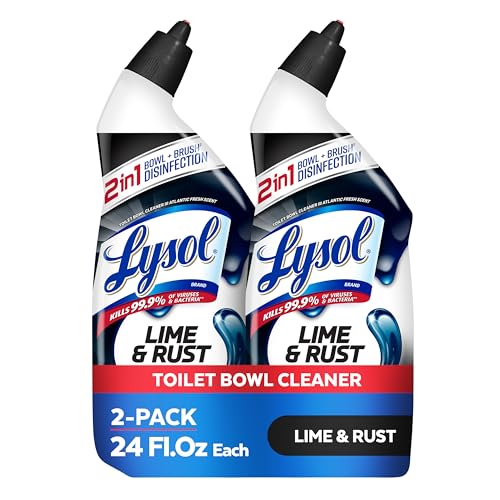
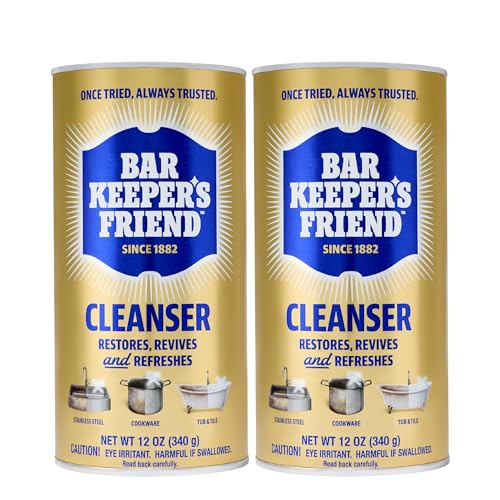
Plant based cleaners rely on citric acid, a mild acid that dissolves calcium slowly through repeated contact: you apply the powder or liquid to the damp crust, wait, and brush. The class is kind to finishes, produces little fume, and suits bowls cleaned on a regular cycle. Its limit is patience: a ring built over a year of neglect may need several applications. Choose this class when the deposit is thin, the room is small or poorly vented, or the bowl sits near finishes you cannot risk.
Strong Acid Gels and Concentrated Liquids
Strong acid products use mineral acids, and the gel form matters as much as the chemistry, because a gel clings to vertical porcelain and under the rim instead of sliding into the water. That dwell is what clears thick scale and reopens rim jets choked with mineral. The trade is care: fumes are sharp, splashes must stay off skin, metal fittings, and stone floors, and the label sets the maximum contact time. Choose this class for old, hard crust that gentle products have failed to move.
Everyday Liquids and In Tank Tablets
Everyday liquids are mild cleaners with a small acid content, built for the weekly wipe that stops marks becoming crust, while in tank tablets dose each flush with a light cleaning action that slows new rings between cleans. Neither class strips an established deposit, and treating them as if they could is the most common buying error in this category. Choose them as upkeep for a clean bowl, or as the whole routine in soft water homes where marks stay faint.
Gentle Cleaners vs Strong Acid Cleaners: Which Should You Choose?
Judge the two classes on five points. On speed, strong acids win by hours, while on surface safety gentle cleaners win outright, because they leave chrome, plastic seats, and nearby stone alone. On fumes and handling, gentle cleaners are the calmer choice.
On crust thickness, only the strong class moves old scale in one session, and on cost per clean the gentle class usually wins, since a bag of powder covers many applications. Start gentle when the ring is new or the room is delicate, and reserve the strong class for crust that has survived a few patient attempts.
How to Choose the Right Calcium Remover
Tell Calcium Apart From Stains and Rust
Calcium crust is white or grey, chalky, and rough to a fingertip, building where water stands or evaporates. Orange or reddish marks point to iron instead, and the products in our guide to best rust remover for toilets use different chemistry aimed at that deposit. Dark marks that sit on the surface rather than crusting are a stain problem, handled by the classes in our guide to best stain remover for toilets. Naming the deposit first prevents wasted scrubbing.
Match Acid Strength to Deposit Thickness
Run a fingertip over the ring: a film you can barely feel needs only the gentle class or an everyday liquid and a brush. A crust with a raised edge calls for a mid strength product and a long dwell, while a crust that catches a fingernail needs the strong gel class. Buying one step stronger than the deposit wastes money and adds fumes, while buying one step weaker wastes weekends, so let thickness, not label promises, set the strength.
Check the Surface Before the Strength
Surface classes decide the product class, because glazed porcelain takes the full range of remover classes without harm. Some finish classes cannot: chrome and other metal fittings pit under strong acids, natural stone floors and surrounds stain on contact, and plastic seats can craze or cloud. Check what surrounds your bowl before you check the strength column, because a splash travels further than the crust. If delicate finishes sit within reach, the gentle class is the right purchase.
Dwell Time, Form, and Coverage
Every acid in this category works by contact time, so the form that keeps product on the crust wins: gels grip under the rim and on vertical walls, liquids suit flat waterline rings where they can pool, and powders mixed to a paste coat a stubborn patch and stay put. Plan the dwell the label allows and brush only after the dwell ends. Expect the thickest crust to need a second round rather than a stronger first one.
Septic Systems and Older Plumbing
Homes on septic systems should look for label wording that states the product is safe for septic use at the stated dose, and should space treatments out. Older plumbing with metal waste pipes argues for the gentle class and shorter dwells. When the label is silent about your setup, treat that silence as a no and pick a product that answers the question in print.
Best Calcium Removers for Specific Needs
Some bowls fight one deposit harder than the other. Lime heavy water lays down a fast returning film, and the focused classes in our guide to best lime remover for toilets suit homes where that film reappears within weeks of a clean.
best lime and calcium remover for toilets
Shoppers comparing the best lime and calcium remover for toilets usually face both deposits at once, so the combined classes matter most. Look for a mid strength acid blend in a gel form, which covers mixed crust without jumping straight to the harshest chemistry, and for a product rated for weekly use at a lower dose, because mixed deposits return steadily and reward routine over rescue.
Tips to Get the Most From Your Calcium Remover
- Lower the water line first. Turning off the supply and flushing leaves the ring exposed, so the product touches crust instead of diluting.
- Brush after the dwell, never before. Acid loosens the crust bond, and brushing early only spreads weakened product around.
- Repeat gentle rounds instead of escalating fast. Three calm applications of a mild class often clear what one harsh session splashes everywhere.
- Keep remover and blockage jobs apart. A remover is not a drain tool, and slow flushing is a blockage problem addressed by the classes in our guide to best clog remover for toilets; no acid in this guide clears a clog.
Finally, plan for return, because deposits come back with the water that carries them: a remover treats the crust in the bowl while the water supply stays the cause. Homes with very hard water either clean on a shorter cycle or treat the water itself, since letting months pass between cleans is what turns an easy film into a crust that needs the strongest class.
Frequently Asked Questions
What features matter most in a calcium remover for toilets?
The features that matter most are the acid class, the form, and the cost per application. An angled neck on a gel bottle reaches under the rim without a second tool, which saves more effort than any label claim. Read the dose per clean on the back panel and divide the price by it, because a cheap bottle with a heavy dose can cost more per clean than a concentrated one.
How long should a calcium remover stay in the toilet bowl?
Most calcium removers work within the dwell window printed on the label, commonly tens of minutes for liquids and gels. For a thick, old ring, a strong gel can be left for several hours or overnight with the lid down, which keeps pets and children away, with the room ventilated. If the crust survives a full dwell and a brushing unchanged, the deposit is thicker than the class you chose, and stepping up one strength level beats repeating a failing round.
Can a calcium remover harm septic systems or household pipes?
A single normal application, diluted by the flush water that follows it, is a small dose for a septic tank or household pipes. The risk grows with frequency and stacking, because several strong treatments in one day can strain the bacteria a septic system depends on. Space treatments out, follow the stated dose, and let the label septic wording settle whether a given product belongs in your home.
How often should a hard water home use a calcium remover?
A hard water home does best on a light monthly cycle with a gentle or everyday class, which keeps film from hardening into crust, so the strong gel class may never be needed. Watch the waterline after each clean: if a faint ring shows again inside two weeks, shorten the cycle rather than raising the strength. Consistency, not intensity, is what keeps a bowl clear in hard water country.
Are gentle removers worth trying on an old, thick ring?
Yes, gentle removers are worth a staged attempt even on an old ring, because they cost little and risk nothing around the bowl. Give the crust three applications across several days, brushing after each dwell, and judge by whether the edge of the ring thins. If the ring softens and shrinks, patience will finish the job, but if nothing changes after the third round, the crust has hardened past what mild acid moves, and a strong gel session is the honest next step.
The Bottom Line
Three decisions carry this purchase: name the deposit correctly, match acid strength to its thickness, and pick the form that holds the product against the crust. Get those right and the classes in the product table above sort themselves by price. The best calcium remover for toilets for your home is the weakest class that still clears your ring, so start gentle, dwell patiently, and escalate only when the crust proves it needs more.