Best Bathroom Mop for 2026: Matching the Right Model to Your Routine
Disclosure: We may earn a commission when you buy through links on this page, at no extra cost to you. As an Amazon Associate I earn from qualifying purchases. Learn more

Pick the best bathroom mop for your floor, bathroom size, and routine, from mop types and wringing to handles, pads, and upkeep costs.
No single mop suits every bathroom, because floor type, bathroom size, and cleaning habits all change what works best. Choosing the best bathroom mop means matching the mop to your routine, not buying the largest or most featured model on the shelf. The product table can help you sort mop types by floor fit, wringing, and upkeep before you buy.
A small bathroom with tile and a tight space around the toilet needs a nimble mop with a small head and good edge reach. A larger bathroom with stone or textured tile may need a sturdier mop that holds more water and covers ground faster. This guide groups buyers by routine, explains the features that matter for bathroom floors, and flags common buying mistakes.




Who Should Buy Which Bathroom Mops?
Bathroom cleaning routines differ more than bathroom sizes do. Some people mop quickly after a shower, others do a deep clean once a week, and some need a mop that guests or family members can use without a learning curve.
For Gift Shoppers
Gift buyers should choose a simple, widely useful mop with clear instructions and a sturdy build. A flat mop with washable pads or a spin mop with a compact bucket suits most bathrooms without special setup. Look for a solid warranty, spare pads that are easy to find, and a design that works on tile without scratching grout.
For Value Seekers
Value seekers should balance purchase price with pad, refill, and replacement costs over a year. A mop with washable pads often costs more at first but less over time than a mop that needs disposable pads for every clean. Check handle strength, wringer durability, and whether spare heads are sold separately.
For First Time Buyers
First time buyers need a mop that is simple to wring, easy to store, and forgiving on tile and grout. A flat mop or a string mop with a simple wringer suits a first purchase, because both are easy to rinse and control. Choose a handle length that lets you clean without bending deeply, and a head that fits beside the toilet and under a vanity.
For People Who Want the Best Performance
Performance focused buyers should look for strong water control, good edge cleaning, and a head that holds contact with textured tile. A steam mop can suit sealed tile and grout when the maker allows steam on your floor, while a high quality flat mop with microfiber pads suits daily damp mopping.
Key Features to Compare
Bathroom floors are small, wet, and full of corners, so mop features that matter in a large kitchen may matter less here. Focus on head size, water control, handle comfort, and how easy the mop is to rinse, wring, and store. The factors below are written for bathroom tile, grout, and tight spaces rather than for whole house cleaning.
Mop Type
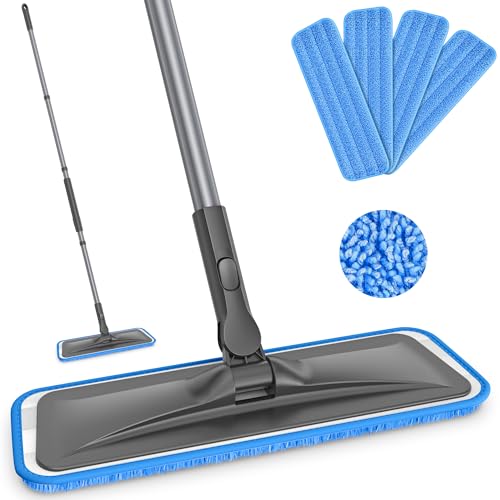
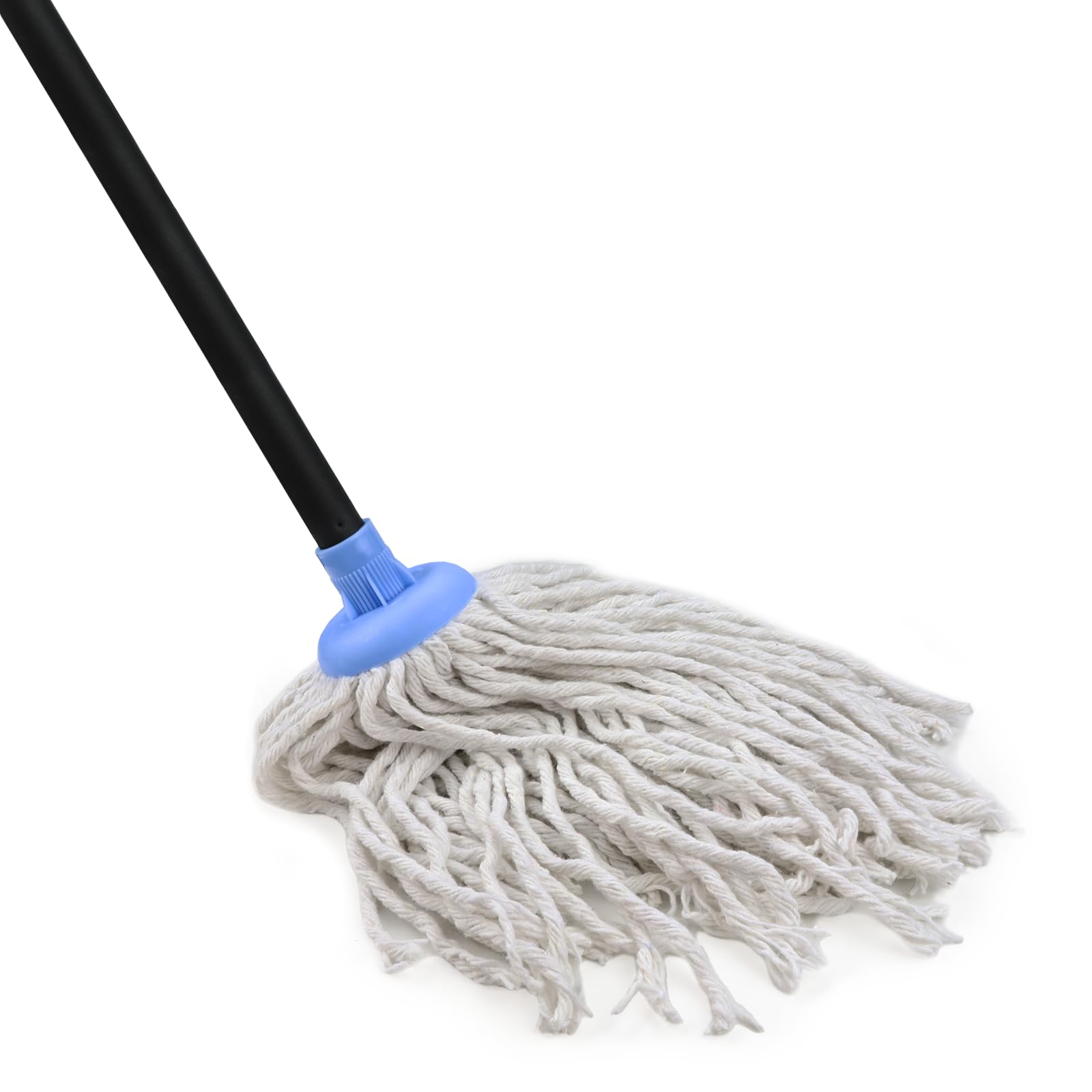
Flat mops suit daily damp cleaning and tight bathrooms, because their slim heads slide under vanities and along baseboards. String mops hold more water and suit larger bathrooms or textured tile, but they need more wringing control to avoid puddles. Spin mops pair a round head with a bucket wringer, which helps control water, while steam mops suit sealed tile when the floor maker allows steam. For a related cleaning option, see our guide to best robot vacuums and mops if you want automated help between manual mops.
Head Size and Shape
Head size controls speed and reach in a small room. A wide head covers open tile fast but struggles beside a toilet base and in a shower corner. A narrow or triangular head reaches edges and grout lines better, but takes more passes across open floor.
Wringing and Water Control
Water control matters most on tile and grout, because excess water pools in corners and seeps into grout lines. A built in wringer, a spin bucket, or a squeeze mechanism lets you control dampness without touching a wet pad. Check how easy the wringer is to use with one hand, and whether the mop drips on the way from bucket to floor.
Handle Length and Comfort
Handle length should let you mop without hunching over the toilet or vanity. A handle that adjusts to your height helps different household members share one mop, while a fixed handle suits a single user with a known height. Look for a comfortable grip that stays secure when wet, and a handle that does not flex under pressure on textured tile.
Pads, Refills, and Long Term Cost
Pad type drives long term cost and cleaning feel. Washable microfiber pads suit frequent use and reduce waste, but they need regular washing and drying to avoid odor. Disposable pads suit quick cleans and shared bathrooms, but their cost adds up over a year. Check pad availability and price per pack before you buy.
Floor Fit and Grout Care
Tile, grout, vinyl, and sealed stone each respond differently to water and scrubbing. Smooth tile suits most flat mops, while textured tile and wide grout lines need a pad or string head that reaches into grooves. Avoid abrasive pads on glossy tile or sealed stone unless the floor maker allows them.
Common Mistakes to Avoid When Buying Bathroom Mops
- Choosing by price alone and ignoring pad cost, wringer quality, and handle strength.
- Buying a head that is too wide for the space beside the toilet and under the vanity.
- Using a steam mop on a floor whose maker does not allow steam.
- Skipping a wringer and leaving excess water on grout and baseboards.
- Ignoring warranty and spare part availability for pads and wringers.
Tips to Get the Most From Your Bathroom Mop
Rinse the mop head thoroughly after each use, and wring it well before storage so it dries without odor. Wash reusable pads on a regular schedule, and replace pads when fibers flatten or stop picking up dirt. Keep cleaners and small mop parts away from children, and follow the manufacturer's instructions for storage.
Pairing your mop with the right bathroom supplies makes routine cleaning easier. See our guide to best bathroom towels when you choose towels that dry floors and hands without shedding lint. For general bathroom cleaning, our guide to best bathroom cleaner covers cleaners matched to tile, grout, and fixtures. If you also need a powered option for larger floors, our guide to best mop vacuums compares machines that vacuum and mop in one pass.
FAQs
Is a HEPA filter necessary for a bathroom mop?
A HEPA filter is not necessary for a standard bathroom mop, because mops clean by contact rather than by filtering air. Filtration matters for vacuums that exhaust air while they collect dust, not for a mop head that picks up dirt with water and pads. For a bathroom, water control, pad quality, and grout reach matter far more than air filtration. If dust is a concern, sweep or vacuum before mopping.
What type of bathroom mop is best for my home?
The best type depends on your floor, bathroom size, and cleaning routine rather than on one universal design. A flat mop suits small bathrooms and daily damp cleaning, while a string or spin mop suits larger bathrooms and textured tile. A steam mop suits sealed tile only when the floor maker allows steam. Choose the smallest head that still covers open tile well, and pick a wringing method you can use comfortably every time.
Can I mop a bathroom rug or bath mat?
No, a mop is made for hard tile and grout, not for rugs or bath mats. Shake rugs outside or vacuum them with a compact vacuum before mopping the floor, and wash bath mats following the care label. Do not use a mop on any rug or carpet that the maker says should stay dry.
How often should I replace a mop pad?
Replace a washable mop pad when fibers flatten, tear, or stop picking up dirt even after washing, which often happens after many months of regular use. Disposable pads are single use and should be thrown away after each clean. Rinse pads after each use and let them dry fully, because damp storage shortens pad life and causes odor.
How do I keep bathroom grout clean with a mop?
Keep grout clean by mopping with fresh water, wringing well, and avoiding puddles that sit in grout lines. Rinse the mop often during a clean so dirty water does not spread back across the floor. For stained grout, use a cleaner the grout and tile makers allow, apply it to a small hidden area first, and scrub gently with a soft brush.
Final Thoughts
Match the mop to your floor, bathroom size, and routine, and prioritize head fit, water control, and pad cost over extra features. A simple mop that you use often will keep a bathroom cleaner than a complex mop that stays in a closet. Check the product table above, compare the types in this guide, and choose the best bathroom mop for the way you clean.