
Best Bathroom Cleaner: What Actually Matters Before You Buy
Disclosure: We may earn a commission when you buy through links on this page, at no extra cost to you. As an Amazon Associate I earn from qualifying purchases. Learn more

The best bathroom cleaner checklist: cleaning power, surfaces, ingredients and value, plus three picks for every home.
Bathrooms collect a unique mix of grime: soap scum on the tub, hard water spots on fixtures, toothpaste on the sink, mildew in grout lines and germs everywhere. A good bathroom cleaner handles most of that in one bottle, while the wrong one leaves streaks, smells harsh in a small room or dulls surfaces over time. This guide to the best bathroom cleaner walks through the checklist we use to judge cleaners, so you can choose one that suits your bathroom, your surfaces and your household.
We cover our evaluation criteria, three picks that pass, a quick buyer checklist, red flags, tips for better results and answers to common questions. Every product in the table above is sold new on Amazon US. Always follow label directions, ventilate while cleaning and never mix cleaning products.





How We Evaluate Bathroom Cleaners
We judge bathroom cleaners on six points: cleaning power on typical bathroom messes, cost per use, surface compatibility, ingredients and safety, format and packaging. A cleaner that removes soap scum and grime with little scrubbing, suits common bathroom surfaces and is safe when used as directed passes; one that streaks, damages finishes or needs heavy scrubbing fails.
Picking the best bathroom cleaner for your home comes down to the messes you see most often and the surfaces in your bathroom, so we weigh those criteria most heavily.
Effectiveness on the Specific Mess
Bathroom messes include soap scum, body oils, limescale and hard water spots, mildew stains, toothpaste splatter and germs. Good: a cleaner that cuts soap scum and grime in seconds and rinses clean, like foaming bathroom sprays that cling to vertical surfaces. Poor: a product that needs heavy scrubbing for everyday dirt.
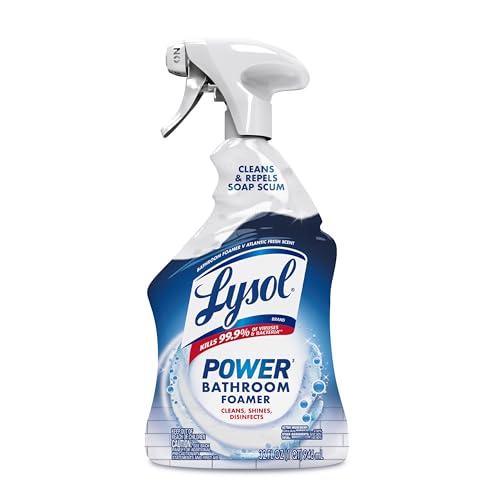
Lysol says its Power Foaming Bathroom Cleaner fights soap scum, limescale, mold, mildew and grime and sanitizes in 30 seconds when used as directed. Limescale specific sprays, like Lysol Power Limescale Remover, target mineral deposits on fixtures and glass.
Match the cleaner to your main problem: soap scum and grime need foaming surfactant cleaners, minerals need acidic formulas and mildew stains need dedicated stain removers or bleach based sprays.
Grout lines deserve special attention. Porous grout absorbs grime and mildew, so a cleaner that clings, like a foam or gel, and a small stiff brush work better than wiping. Sealing grout after a deep clean makes future cleaning much easier.
Cost per Use and Value
Bathroom sprays range from around $4 for a 32 ounce bottle to around $23 for a plant based two pack. Good: a cleaner that covers the whole bathroom with a few sprays and comes in refillable or bulk formats. Poor: small bottles that run out after a few cleanings.
Refill bundles, like the Mr. Clean Clean Freak starter kit with three refill bottles, lower the cost per use and reduce plastic. Divide the price by the number of cleanings you get for a fair comparison.
Multi surface bathroom sprays can replace separate glass, tile and fixture cleaners, which saves money and cabinet space. A single good spray plus a toilet bowl cleaner covers most bathrooms.
Surface Compatibility
Bathrooms mix glazed porcelain, ceramic tile, grout, glass, chrome, stainless steel, acrylic, fiberglass and sometimes natural stone. Good: a cleaner labeled for most common bathroom surfaces, like Lysol's foaming cleaner for glazed porcelain, ceramic tile, stainless steel fixtures, laminated plastic and linoleum. Poor: harsh acids or abrasives used on stone, acrylic or specialty finishes.
Natural stone like marble and travertine needs pH neutral cleaners, since acids can etch it. Always check the label and try a small hidden area first.
Chrome and brushed nickel fixtures show water spots easily; a quick wipe with a dry microfiber cloth after cleaning keeps them shiny. Avoid abrasive pads on plated finishes, which can scratch through the coating.
Ingredients and Safety
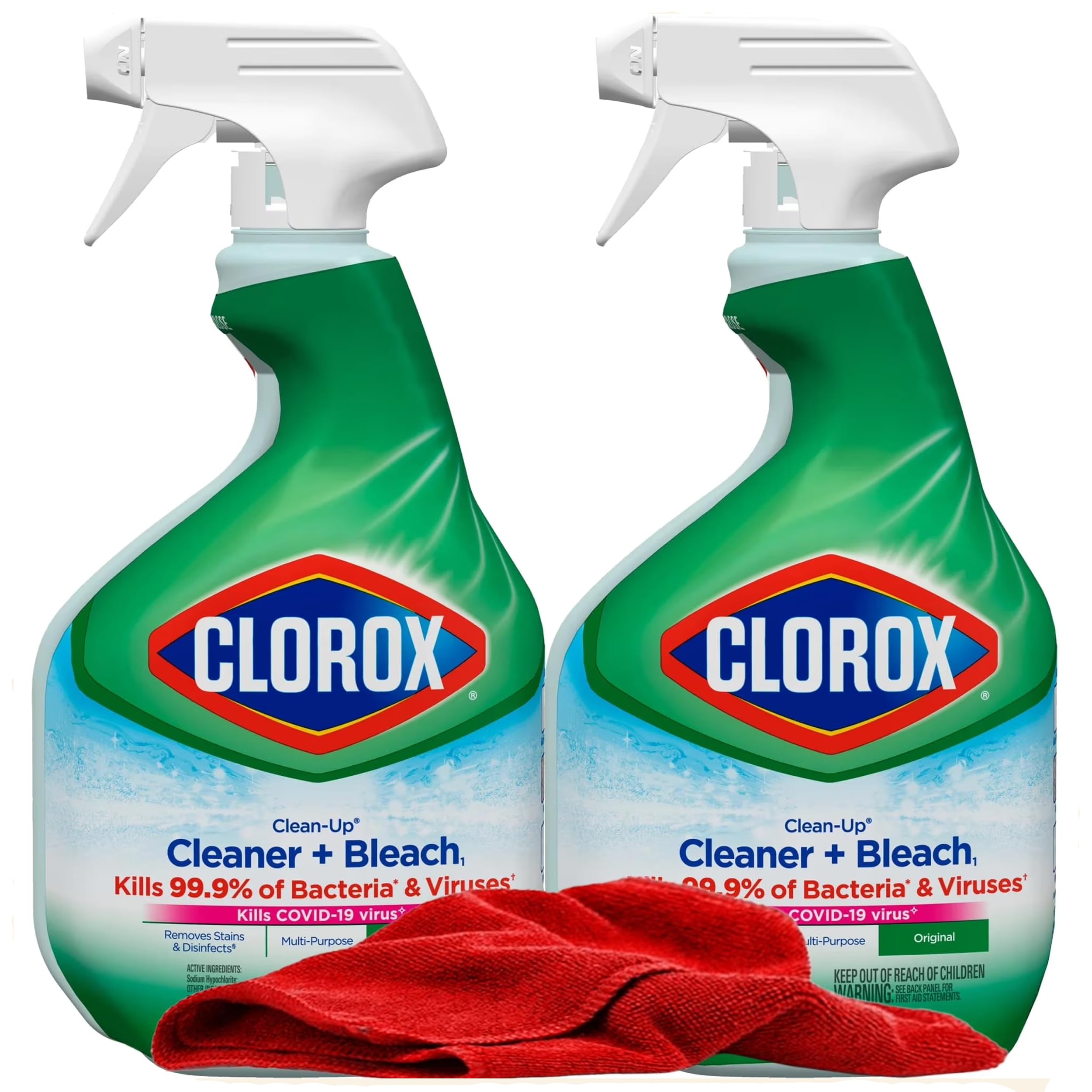
Disinfecting cleaners use ingredients that kill germs when used as directed, while plant based cleaners, like Better Life's tea tree formula, rely on gentler surfactants. Bleach based sprays, like Clorox Clean-Up, whiten and disinfect but need ventilation. Lysol notes its Power Foaming Bathroom Cleaner contains 0 percent bleach and is septic safe.
Good: clear labels, safety directions and options without bleach or harsh fumes. Poor: vague claims and no usage directions. Look for EPA Safer Choice labels if you prefer safer ingredient lists.
Contact time matters for disinfecting claims. Labels list how long surfaces must stay wet to sanitize or disinfect, often 30 seconds to several minutes. Wiping too soon cleans but may not disinfect.
Format (Spray, Gel, Pods, Wipes, Concentrate)
Foaming sprays cling to walls and tubs, trigger sprays cover wide areas, gels stay on grout and caulk and wipes handle quick touch ups. Concentrates and refills reduce waste and cost. Mr. Clean's power nozzle starter kit delivers foam that cuts through soap scum with less scrubbing, according to the maker.
Good: a format that suits how you clean. Poor: thin sprays that run off vertical surfaces before working.
Disinfecting wipes are handy for toilet seats, handles and light switches between deep cleans, while sprays cover larger surfaces more economically.
Eco Friendly Packaging
Eco friendly options include refill bottles, concentrates, recyclable packaging and plant based formulas. Better Life and ATTITUDE focus on plant derived ingredients, and ATTITUDE lists EWG Verified on its shower and tile cleaner.
Good: refills, recyclable bottles and clear ingredient disclosure. Poor: single use small bottles with no refill option.
Microfiber cloths and reusable scrub brushes cut down on paper towels and disposable wipes, which reduces waste further.
3 Picks That Pass Our Checklist
Our picks are the Mr. Clean Clean Freak foaming bathroom kit for most people, the Lysol Power Foaming Bathroom Cleaner for value and Better Life's tea tree bathroom cleaner as a premium plant based option. Each cleans common bathroom messes and suits a different household.
Best Overall: Mr. Clean Clean Freak Foaming Bathroom Surface Cleaner Kit
The Mr. Clean Clean Freak kit suits households that want strong foam and less waste, at around $20 for a 16 ounce starter bottle with power nozzle and three 16 ounce refills, 64 ounces total. The maker says its foaming power cuts through soap scum with less scrubbing and leaves a streak free shine on tiles and glass.
Two strengths stand out: the power nozzle delivers foam that clings to shower walls, and the refill bundle lowers cost per use and plastic waste. A grapefruit scent keeps the room smelling fresh. The limitation is scent, since some people prefer fragrance free products in small bathrooms. Skip it if you are sensitive to fragrances.

Best Value: Lysol Power Foaming Bathroom Cleaner
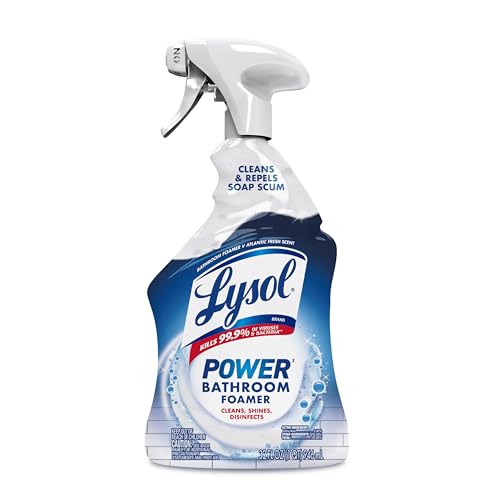
The Lysol Power Foaming Bathroom Cleaner is for anyone who wants an effective, disinfecting bathroom spray for very little money, at around $4 for 32 ounces. Lysol says it eliminates soap scum, limescale and everyday grime with no scrubbing and kills 99.9 percent of bathroom bacteria and viruses when used as directed.
Its strengths are price and versatility: it works on glazed porcelain, ceramic tile, stainless steel fixtures, laminated plastic and linoleum, and it contains no bleach and is septic safe. The trade off is fragrance and chemical disinfectants, which some households avoid. Skip it if you prefer plant based cleaners.
Best Premium Pick: Better Life Tea Tree Bathroom Cleaner
Better Life's bathroom cleaner suits households that prefer plant derived cleaners, at around $23 for a two pack of 32 ounce bottles. It is a foaming tea tree formula for bathtubs, showers, glass and tile, and the maker says it works on hard water stains and mold and mildew.
The appeal is a gentler ingredient approach for homes with kids and pets, plus foam that clings to tile and glass. The limitation is cost per bottle and potentially more scrubbing for heavy buildup than strong chemical cleaners. Skip it if you need a disinfectant claim or tackle neglected bathrooms.

Quick Buyer Checklist
- Does it target your main mess: soap scum, limescale or mildew?
- Is it labeled safe for your bathroom surfaces?
- Does it cling to vertical surfaces?
- Do you need disinfecting, or general cleaning?
- Is it bleach free or plant based if that matters to you?
- Are refills or bulk sizes available?
- Is the scent comfortable in a small room?
If a cleaner checks most of these boxes, it is likely a good fit. Keep a small backup bottle of a stronger product for occasional deep cleans.
Red Flags to Watch For
- No surface guidance. Labels should list safe and unsafe surfaces.
- Vague safety directions. Look for clear instructions and precautions.
- Harsh fumes in small spaces. Strong odors signal a need for ventilation or a gentler product.
- Abrasive powders on glossy finishes. They can scratch acrylic and fixtures.
- Unverified disinfecting claims. Disinfectant claims should include usage directions and contact times.
Also be cautious of homemade mixes shared online that combine bleach, vinegar or ammonia. These combinations can release dangerous gases and should never be used.
Tips to Get the Most From Your Bathroom Cleaner
Spray, then wait. Most cleaners work better with a minute or two of contact time before wiping. Work from top to bottom, starting with mirrors and counters and finishing with floors and the toilet. Use separate cloths for the toilet and other surfaces, and rinse foaming cleaners from shower floors to avoid slippery residue.
Run the exhaust fan during and after showers to reduce moisture, which slows mildew growth and soap scum buildup. A quick squeegee of shower glass and a wipe of the sink each day keep weekly cleaning fast.
Microfiber cloths trap grime better than cotton rags and leave fewer streaks on mirrors and fixtures. Wash them separately without fabric softener so they keep their cleaning power.
Frequently Asked Questions
What should never be mixed together?
Never mix bleach with ammonia, vinegar or acidic cleaners, since these combinations release toxic gases. Do not combine different bathroom cleaners or use them back to back without rinsing. Use one product at a time and ventilate the room.
If you accidentally mix products and notice a strong smell, leave the room, ventilate and seek fresh air; call poison control if anyone feels unwell.
Is it safe to use around kids and pets?
Bathroom cleaners are safe when used as directed and stored out of reach. Keep kids and pets out of the bathroom while cleaning and until surfaces are rinsed and dry. Choose plant based or bleach free formulas for gentler cleaning around children and pets.
Store cleaners in their original containers with labels intact, so anyone can check instructions or call poison control quickly if needed.
How often should I use it?
Clean high use bathrooms weekly with a general bathroom cleaner, and wipe sinks and counters every few days. Use limescale or mildew removers as needed. Regular light cleaning prevents heavy buildup and reduces the need for strong products.
Guest bathrooms used less often can be cleaned every two weeks, though a quick wipe before visitors arrive keeps them fresh.
Families with young children may need to clean toilets and floors more often than once a week.
Are natural cleaners as effective?
Natural cleaners work well for routine cleaning and light soap scum but may need more scrubbing for heavy buildup. Disinfecting claims usually require registered disinfectants. Many people use natural cleaners weekly and a stronger product occasionally.
For mildew prone bathrooms, improving ventilation often matters more than switching cleaners.
Our Verdict
The best bathroom cleaner tackles your main bathroom mess, suits your surfaces and fits your household. The Mr. Clean Clean Freak kit is our best overall pick for clinging foam and refills, Lysol Power Foaming Bathroom Cleaner offers outstanding value with disinfecting power and Better Life's tea tree cleaner is a premium plant based choice. Follow labels, ventilate and never mix products.
For more cleaning guides, see the best shower cleaner, the best toilet bowl cleaners, the best bathroom towels and the best toilet plungers. Then compare current prices in the product table above.


