Best Bathtub Doors for 2026: Types Compared and How to Choose
Disclosure: We may earn a commission when you buy through links on this page, at no extra cost to you. As an Amazon Associate I earn from qualifying purchases. Learn more
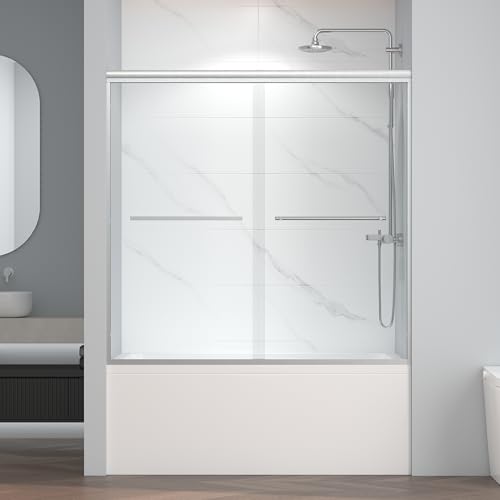
Compare the best bathtub doors by glass, framing, and track style to fit your tub, budget, and bathroom layout, with sizing and care tips.
Choosing the best bathtub doors can feel confusing when every style looks similar in a photo yet behaves very differently in a real bathroom. The right door should fit your tub opening, suit the way you shower, and stay easy to clean for years. Use the product table to narrow the field before you compare prices or finishes.
A door that is too wide, too heavy, or poorly sealed can leak, stick, or make a small bathroom feel cramped. Start with measurements and the layout of your tub, then weigh glass thickness, frame style, and track design. This guide walks through each choice in plain terms so you can match a door type to your space and budget.

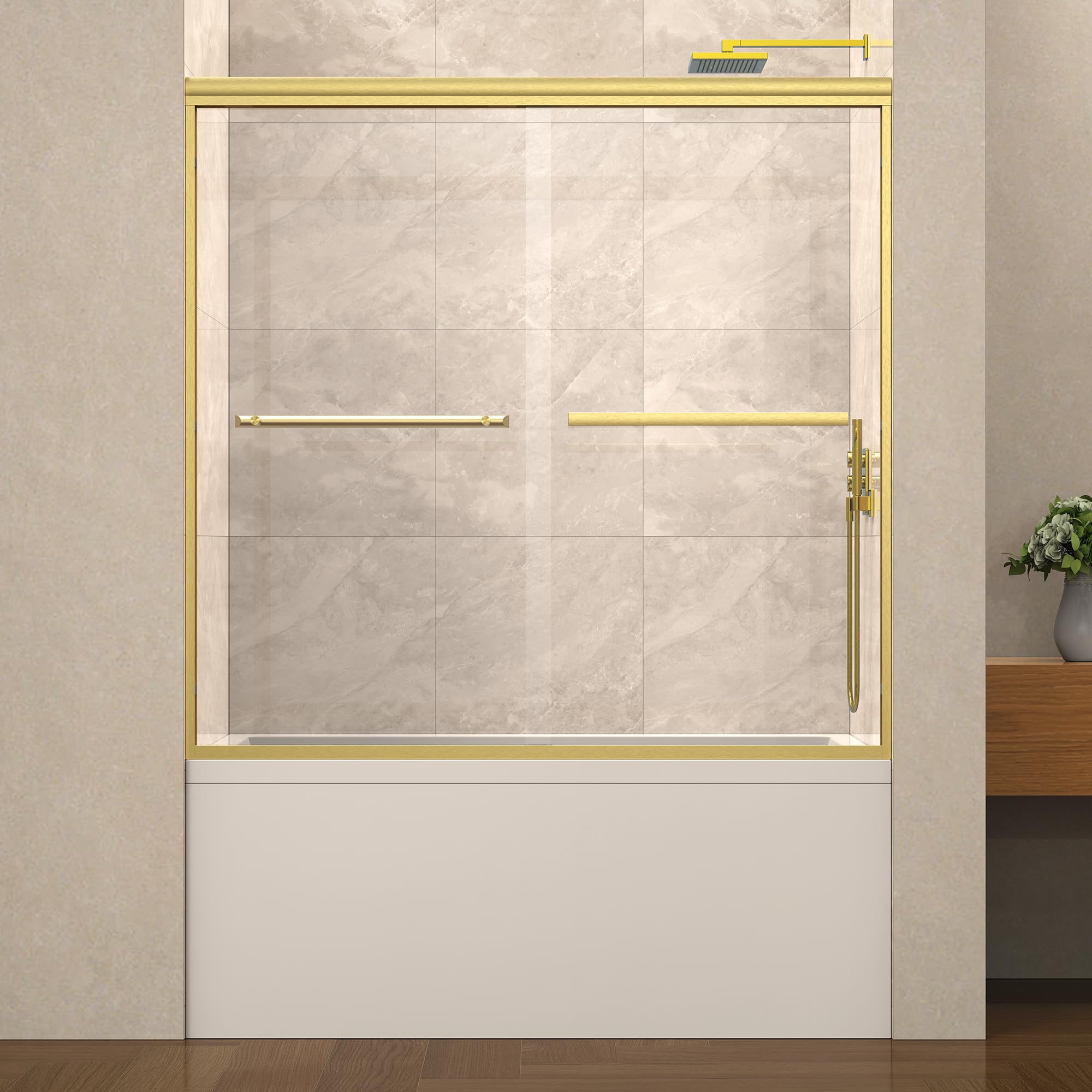
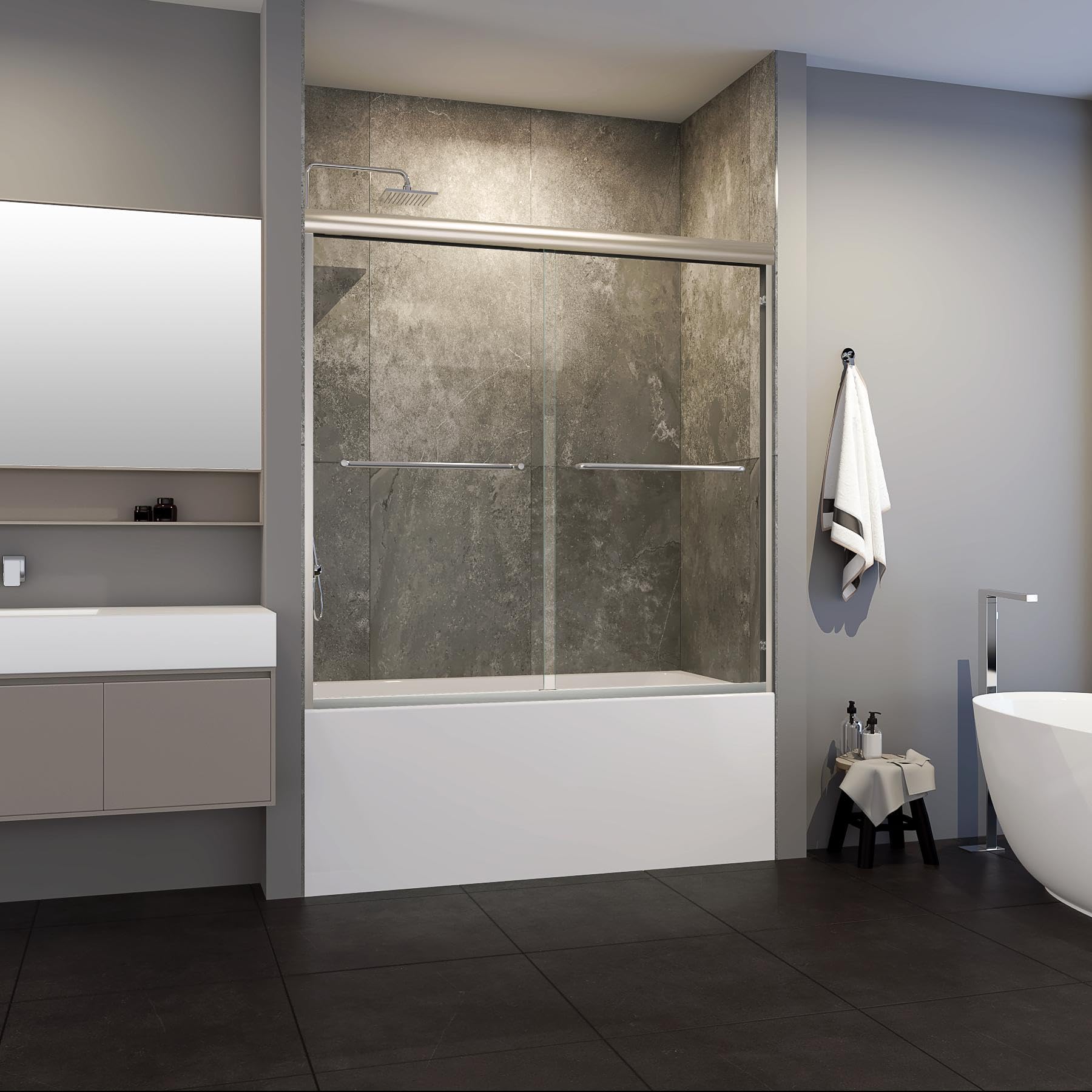
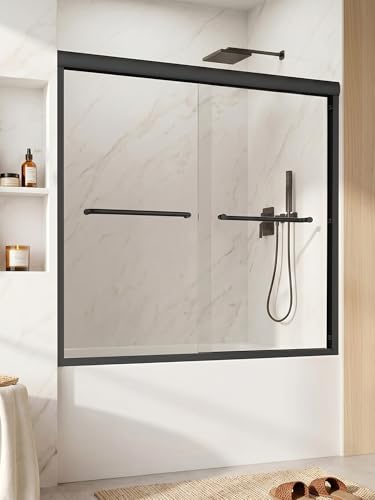
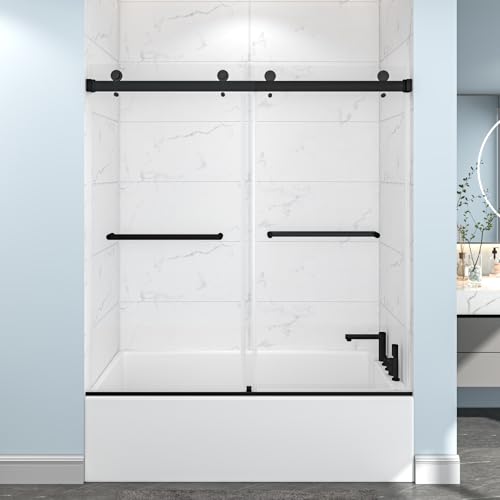
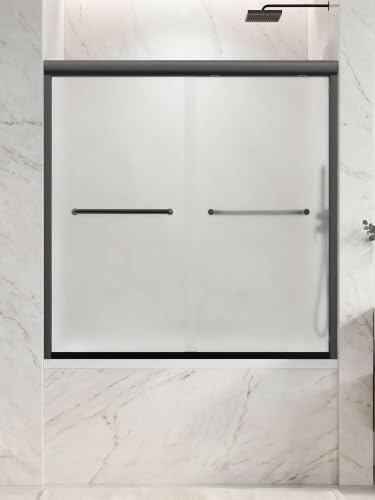
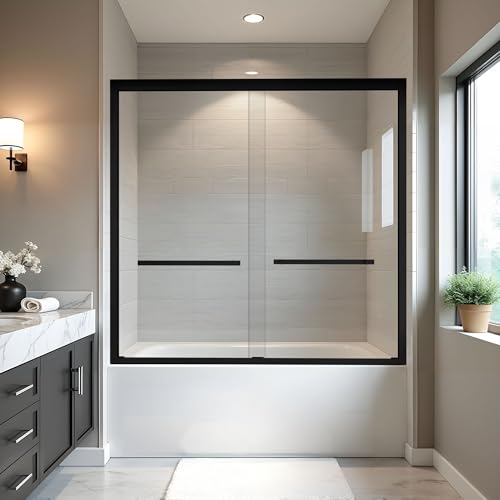

Types of Bathtub Doors Compared
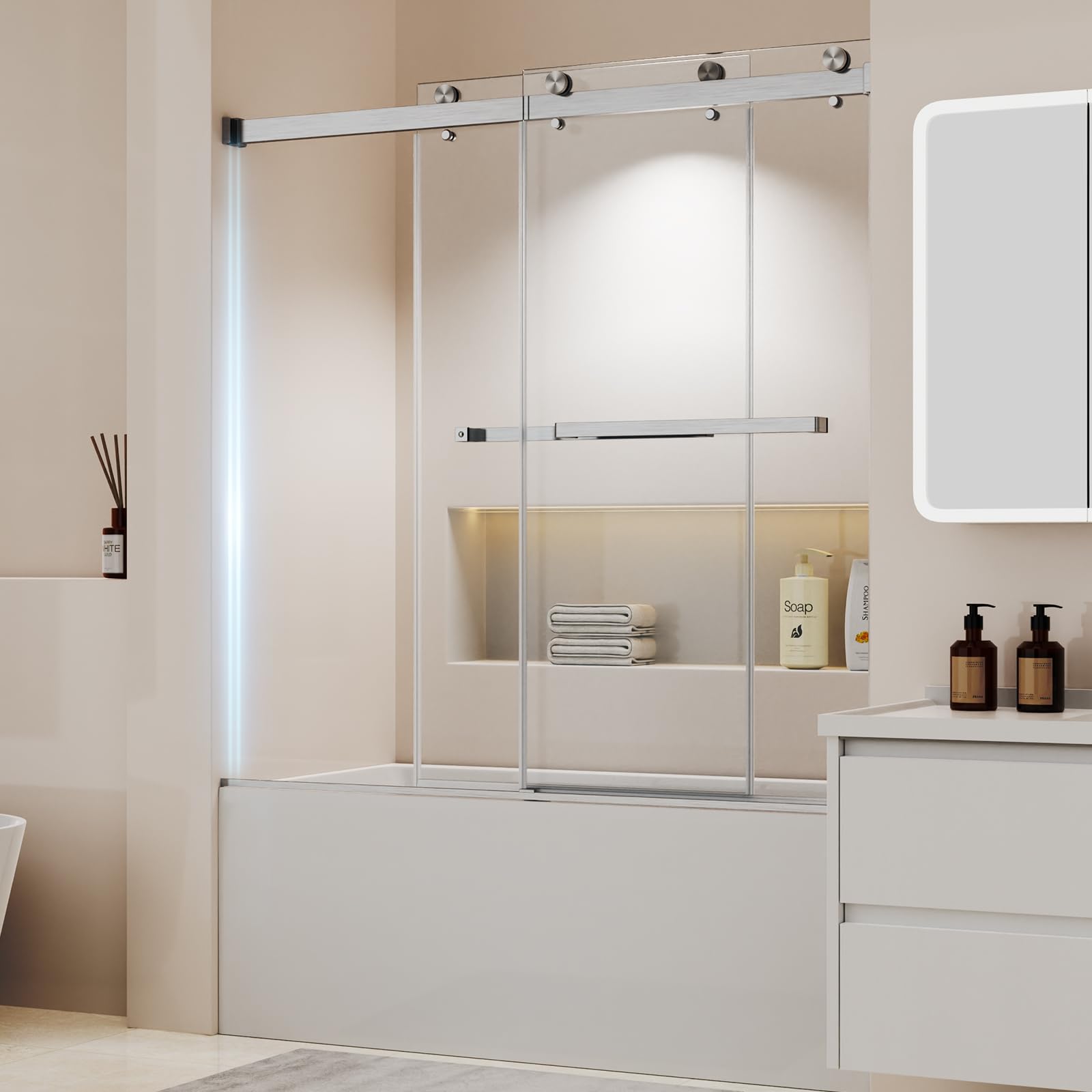
The main types differ in how they open, how much clearance they need, and how easy they are to keep clean. Sliding doors move along a track and suit tight bathrooms. Hinged doors swing open and give a wider entry, but they need clear floor space in front of the tub. Frameless doors use thick glass and minimal hardware for a clean look, while framed doors use metal around each panel for added support at a lower cost.
| Type | Best For | Pros | Cons | Typical Price |
|---|---|---|---|---|
| Sliding doors | Small bathrooms | Save floor space and are simple to operate | Tracks need regular cleaning | around $200 |
| Hinged doors | Wide entries | Open fully for easy access | Need swing clearance | around $300 |
| Frameless doors | A clean modern look | Easy to wipe and show off tile | Cost more and need precise fitting | around $500 |
| Framed doors | Tight budgets | Sturdy and widely available | More edges to clean | around $180 |
Sliding and Bypass Doors
Sliding doors use two panels that pass each other on a track, so nothing swings into the room. This design works well when a toilet, vanity, or wall sits close to the tub. Check that both panels glide smoothly and that the track drains toward the tub rather than pooling water on the bathroom floor.
The main drawback is cleaning. Soap film and mineral deposits can collect in the track, and the overlap between panels can hide grime. Look for a track that lifts out or has a simple profile, and plan on a quick wipe each week. If you dislike track upkeep, a hinged door may suit you better.
Hinged and Swing Doors
A hinged door opens like a regular door and gives a wide, unobstructed entry to the tub. This is helpful for bathing children, washing pets, or cleaning the tub itself. Measure the swing arc carefully, and confirm that the door will not hit a towel bar, toilet, or vanity when fully open.
Hinged doors usually seal well because the door closes against a fixed panel or wall jamb. They also tend to have fewer track parts than sliding doors, which can mean less hidden grime. The trade off is space, so this style fits best in bathrooms with clear floor area in front of the tub.
Framed and Frameless Glass
Framed doors surround the glass with metal, which adds rigidity and can lower the price. The frame also hides small fitting gaps, which can help in older bathrooms where walls are not perfectly square. The downside is that every frame edge creates a seam where soap and water can collect.
Frameless doors use thicker glass and small clips or hinges instead of a full frame. They look lighter, show tile work, and are simpler to wipe down. They usually cost more and demand accurate measurements, since there is less hardware to mask an uneven wall. For a rental or a tight budget, a framed door often makes more sense.
Mid Range Options Compared With Budget Options
Budget doors, at about $150 to $250, usually use thinner glass and a full frame. They work well when the tub is standard size and the bathroom layout is simple. You still get a functional door, but expect more visible hardware and more time spent cleaning tracks and seals.
Mid range doors, at about $250 to $450, often add thicker glass, smoother rollers, and better seals. These upgrades matter most in daily use, since a smoother glide and a tighter seal reduce leaks and rattling. Premium doors, at about $450 to $800, add frameless glass, coated surfaces that resist water spots, and heavier hardware that feels solid when opened.
Choose a budget door when the fit is standard and you are comfortable with regular cleaning. Step up to mid range when you want quieter operation, a cleaner look, and a door that will be opened several times a day. Premium doors suit a remodel where the door is a visible feature and the budget allows precise installation.
How to Choose the Right Bathtub Door
Intended Use and Who It Is For
Think about who uses the tub most. Families with young children may value a wide hinged opening and a door that is easy to open with wet hands. Older adults may prefer a sliding door that needs no swing space and a handle that is easy to grip. If the tub is used mainly as a shower, a tight seal and good water containment matter more than a wide entry.
Build Quality and Materials
Glass thickness affects both feel and safety. Thicker tempered glass feels steadier and is less likely to flex when the door closes. Check the frame or hinge material as well, since coated aluminum resists corrosion better than bare steel in a humid bathroom. Ask whether seals and rollers can be replaced, because these small parts often wear out before the glass does.
For a related look at nearby fixtures, see our guide to best quality bathtubs when you are planning a wider bathroom update. A tub with a level rim and sound walls makes any door easier to fit and seal.
Safety and Certifications
Look for tempered safety glass, which is made to break into small rounded pieces rather than sharp shards. Check that hinges, handles, and mounting hardware are suited to the weight of the glass panel. Follow the manufacturer's instructions closely, and keep small parts and packaging away from children during installation. If you are unsure about drilling into tile or anchoring into a stud, hire a qualified installer rather than guessing.
Warranty and Customer Support
A clear warranty matters because seals, rollers, and finishes wear with daily use. Read what the warranty covers, how long it lasts, and whether it covers parts only or parts and labor. Keep the model details and purchase record in a safe place so a claim is simple later. Good support also means you can order a replacement seal or roller without replacing the whole door.
Setup and Care Tips
Read the manual before first use, and confirm every measurement before drilling. Clean and inspect the door regularly, paying attention to seals, rollers, and the bottom track. Store spare seals in a dry place, and wipe glass after showers to reduce water spots. When you refresh sealant around the tub, see our guide to best caulk for bathtubs for a compatible choice, since fresh sealant helps keep water inside the tub where it belongs.
For a door that opens over a tub used as a shower, see our guide to best shower doors for bathtubs to compare shower focused styles and seals. That comparison can help if your main concern is splash control rather than a wide bath entry.
Bathtub Doors: Your Questions Answered
How long does a bathtub door last?
A bathtub door can last about 10 to 20 years with regular cleaning and occasional seal or roller replacement. Glass and metal frames usually outlast the moving parts, so a door that sticks or leaks often needs a new seal rather than a full replacement. Hard water, harsh cleaners, and a track that stays wet can shorten that life. Wiping the door after use and fixing a worn seal early are the simplest ways to extend its service life.
Are expensive bathtub doors worth it?
Expensive doors are worth it when the extra cost buys thicker glass, smoother hardware, and coatings that reduce cleaning time. These benefits show up every day, especially in a main bathroom used by several people. They are less important in a guest bathroom that sees light use, where a sound budget door can serve well for years. Weigh how often the door is used against the price gap before deciding.
What features matter most when buying bathtub doors?
Fit, glass thickness, seal quality, and ease of cleaning matter most. A door that fits the opening without forcing will seal better and last longer than a stylish door that needs awkward shims. After fit, look at the handle, the roller or hinge action, and whether seals are easy to replace. A finish that matches your fixtures is nice, but it should not outrank a solid seal or a smooth glide.
How do I maintain a bathtub door?
Wipe the glass and frame after showers, and clean the track or hinges weekly with a mild cleaner. Inspect seals for cracks, mold, or gaps, and replace a worn seal before water starts to escape. Avoid abrasive pads on coated glass, since scratches can make water spots harder to remove. A short weekly routine keeps the door looking clear and prevents small problems from becoming leaks.
How much should I spend on a bathtub door?
Most buyers spend about $200 to $450 for a sound door that fits a standard tub. Budget doors below that range can work in simple layouts, while premium doors above that range suit remodels and frameless designs. Add installation cost to your total if you plan to hire help, since tile drilling and leveling can add to the bill. Set your budget after measuring, so you are paying for fit and quality rather than guesswork.
Our Verdict
Start with fit and layout, then choose a door type that suits your space and cleaning habits. Sliding doors save room, hinged doors give wide access, and frameless glass offers a clean look at a higher price. For most homes, a mid range door with thick glass and replaceable seals offers the best balance of cost and daily ease. Review the product table, compare the best bathtub doors by type rather than by looks alone, and choose the door that seals well, opens smoothly, and fits your tub without compromise.