Best Bathtub Drain Buying Guide for 2026
Disclosure: We may earn a commission when you buy through links on this page, at no extra cost to you. As an Amazon Associate I earn from qualifying purchases. Learn more
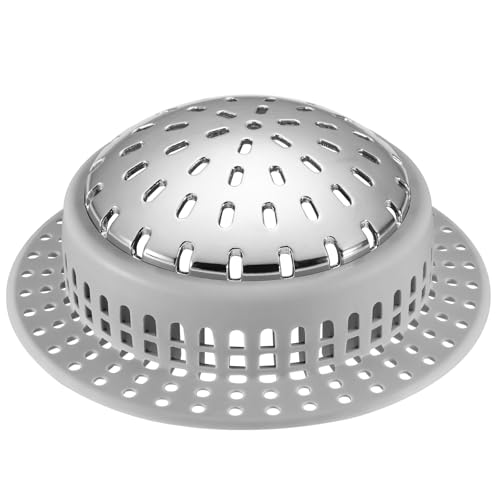
Match the best bathtub drain to your tub opening and overflow with this guide to types, sizes, finishes, prices and care.
A slow or leaking tub drain can turn a relaxing bath into a daily annoyance, and replacing the drain is often simpler than replacing the whole tub. The best bathtub drain for your home is the one that matches your tub opening, your overflow setup, and the way your household uses the bath. This guide compares types, sizes, and finishes, so you can choose with confidence using the product table.
Start by measuring what you already have, because drain parts are not one size fits all. Check the drain opening diameter, the stopper style you prefer, and whether your tub has an overflow plate. Once those details are clear, the rest comes down to material, finish, ease of cleaning, and budget.
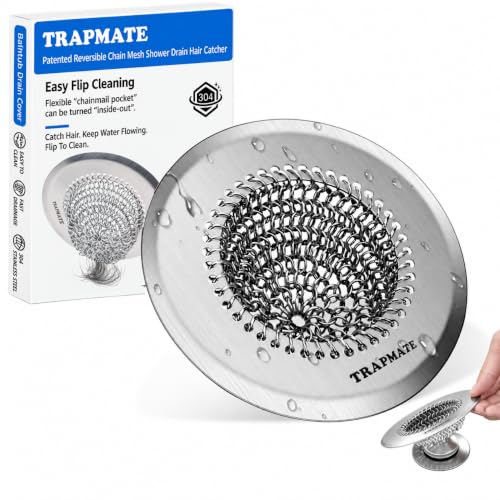
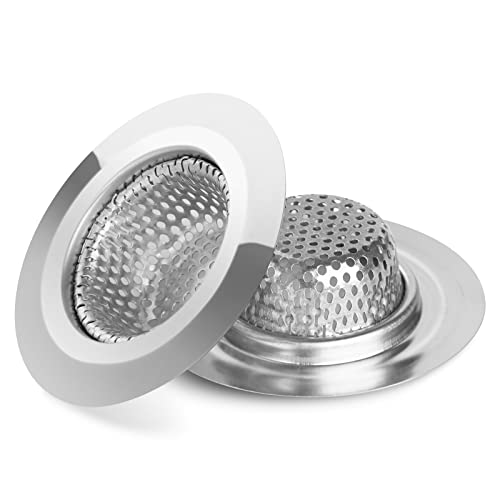
Spending Levels at a Glance
Price is a useful starting point, but it should not be the only factor. A low cost drain can serve a rarely used guest tub very well, while a busy family bathroom may justify spending more on a sturdier finish and a smoother stopper mechanism.
Lower Cost Options
Lower cost drains, usually about $15 to $40, tend to use simpler stopper designs and thinner metal parts. They suit rental units, guest bathrooms, and tubs that see light use. Look for a complete kit with the drain body, stopper, and gaskets, so you do not have to buy extra parts.
Middle Price Options
Middle price drains, usually about $40 to $90, often bring thicker metal, a more reliable stopper action, and a wider choice of finishes. This range suits most family bathrooms, where the drain gets daily use and must keep sealing well over time, and it offers a wider choice of finishes to match your faucet and overflow plate.
Higher Price Options
Higher price drains, usually about $90 to $200, typically offer solid brass construction, premium finishes, and refined stopper mechanisms that feel smooth after years of use. They make sense for a main bathroom remodel or a tub you plan to keep for a long time, though fit still matters more than price, so confirm size and overflow style before you spend.
How to Choose the Best Bathtub Drain
Intended Use and Who It Is For
Think about who uses the tub and how often. A household with children may want a stopper that is easy to open and close and has no small parts that can come loose. A tub used mainly for quick showers needs a drain that clears water fast, while a soaking tub needs a stopper that holds a full bath without slow seepage.
Safety and Certifications
Check that the drain meets the plumbing standards used in your area and that its materials are rated for contact with bath water. Follow the maker guidance on installation torque and sealant, and check local plumbing rules if you are changing the drain type or overflow arrangement. If you are unsure about the assembly behind the tub, ask a licensed plumber rather than forcing parts to fit.
Warranty and Customer Support
A clear warranty tells you how long the maker stands behind the finish and the moving parts. Look for terms that cover the finish against flaking and the stopper against failure in normal use, and keep your receipt and part numbers.
Price vs Value
Value means getting the fit, material, and stopper action you need without paying for features you will never use. A budget drain with the right size beats a premium drain with the wrong thread or overflow style every time. Compare kit contents too, since a slightly higher price that includes gaskets, an overflow plate, and a removal tool can cost less overall than a bare drain plus separate parts.
Maintenance and Long Term Costs
Most of the long term cost comes from cleaning and from replacing worn seals or stoppers, not from the first purchase. Choose a design whose stopper you can lift out and clean without special tools, and check whether replacement seals are sold separately.
Ease of Use and Setup
Setup difficulty depends on whether you are replacing only the visible drain and stopper or the full waste and overflow assembly behind the tub. A simple drain and stopper swap is a common do it yourself job with basic tools, while work behind the tub wall usually calls for a plumber. Check the stopper action before you finish, and look for slow leaks after the first few uses.
Size, Weight, and Fit for Your Space
Measure the drain opening and note whether your tub uses a standard size or a less common one. Also check the overflow: some tubs use a trip lever on the overflow plate, while others use a separate stopper in the drain itself, and the two systems are not interchangeable. For a freestanding tub, the visible drain finish matters more, since the plumbing is on show, and our guide to best freestanding bathtubs shows how tub style affects drain choice.
Types of Bathtub Drains
Lift and Turn Drains
Lift and turn drains use a small knob on the stopper that you lift and twist to open or close the drain. They are simple and easy to remove for cleaning. Their drawback is that the knob can be stiff for small hands, and the seal can wear over time.
Trip Lever Drains
Trip lever drains use a lever on the overflow plate to raise and lower a plunger in the drain pipe. They keep the drain opening clear of a visible stopper, which suits households that want an uncluttered tub floor. The linkage behind the tub can need adjustment after installation, so try the lever several times before closing access panels.
Toe Touch Drains
Toe touch drains open and close with a light press of your toe, which makes them convenient in the shower. They suit tubs used mainly for showering, since there is no lever or knob to reach. Hair can collect around the spring mechanism, so lift the stopper out and clean it regularly.
Push and Pull Drains
Push and pull drains work by pushing the stopper down to close it and pulling it up to open it. They are easy to understand and simple to remove for cleaning. They can be slower to operate than a toe touch design when your hands are wet, but their simplicity makes them dependable for many bathrooms.
Care and Maintenance Tips
Use these habits from the start:
- Read the maker manual before first use, so you know how the stopper removes and how the seals should sit.
- Clean and inspect regularly, lifting out the stopper to remove hair and soap buildup before it slows drainage.
- Store spare seals in a dry place, away from heat and cleaning chemicals, so they stay flexible until you need them.
- Check the sealant around the drain body once a year, and reseal promptly if you see gaps or water stains below the tub.
When a drain starts running slowly, a cleaner made for tub drains can help, and our guide to best bathtub drain cleaner explains what to look for. If slow drainage returns quickly after cleaning, the problem may sit deeper in the waste pipe, and a plumber can check it.
Frequently Asked Questions
How do I maintain a bathtub drain?
Maintain a bathtub drain by lifting out the stopper every few weeks and clearing hair and soap residue before it builds up. Rinse the parts, check the seal for cracks or flattening, and reseat everything firmly so the stopper closes evenly. Wipe the visible finish with a soft cloth and a mild cleaner, and avoid harsh abrasives that can wear the finish.
How much should I spend on a bathtub drain?
Most buyers spend about $40 to $90 for a well made drain with a reliable stopper and a finish that matches the rest of the bathroom. Budget options around $15 to $40 suit guest tubs and light use, while premium drains around $90 to $200 suit remodels and heavy daily use.
Are expensive bathtub drains worth it?
Expensive bathtub drains are worth it when the extra cost buys solid brass construction, a smoother stopper action, and a finish that holds up to daily cleaning. They are less worthwhile when the price only buys a fashion finish on the same basic mechanism. Compare the stopper design, gaskets, and warranty, and choose premium only when those details are clearly better.
What features matter most when buying bathtub drains?
The features that matter most are correct size, the right overflow style, a stopper that is easy to operate and clean, and a durable finish. Material comes next, since solid brass resists corrosion better than thin plated parts. Also check that replacement seals are available and that the kit includes everything needed for installation.
How long does a bathtub drain last?
A well made bathtub drain often lasts 10 to 20 years, with seals and stoppers needing replacement sooner than the drain body itself. Hard water, harsh cleaners, and heavy daily use can shorten that life, while regular cleaning and gentle products help it last longer. Replace the drain when the finish flakes, the stopper no longer seals, or corrosion appears.
The Bottom Line
Choose by fit first, then by stopper style, material, and finish. Measure your drain opening, confirm your overflow setup, and pick a stopper your household can operate and clean easily. Compare the picks in the product table against those three checks. If your tub surround also needs attention, our guide to best caulk for bathtubs covers sealants that pair well with a new drain, and the best bathtub drain for you is the one that fits, seals, and keeps draining well year after year.