Best Bathroom Floor Rugs: A Buying Guide for 2026
Disclosure: We may earn a commission when you buy through links on this page, at no extra cost to you. As an Amazon Associate I earn from qualifying purchases. Learn more

Choose the best bathroom floor rugs by material, backing, size, and care needs, with simple guidance on absorbency, grip, and lasting comfort.
A bathroom rug has a harder job than most textiles in your home. It must catch water from wet feet, stay put on smooth flooring, dry before mildew starts, and still feel kind underfoot first thing in the morning. The best bathroom floor rugs manage all four jobs at once, and the difference usually comes down to material, backing, and size rather than price alone.
This guide explains how to judge each of those factors, what the main rug types do well, and how to care for your choice so it lasts. Start with the comparison table below, then use the sections that follow to match a rug to your floor and your routine.


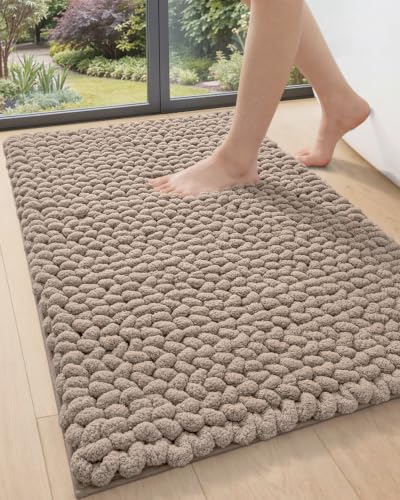
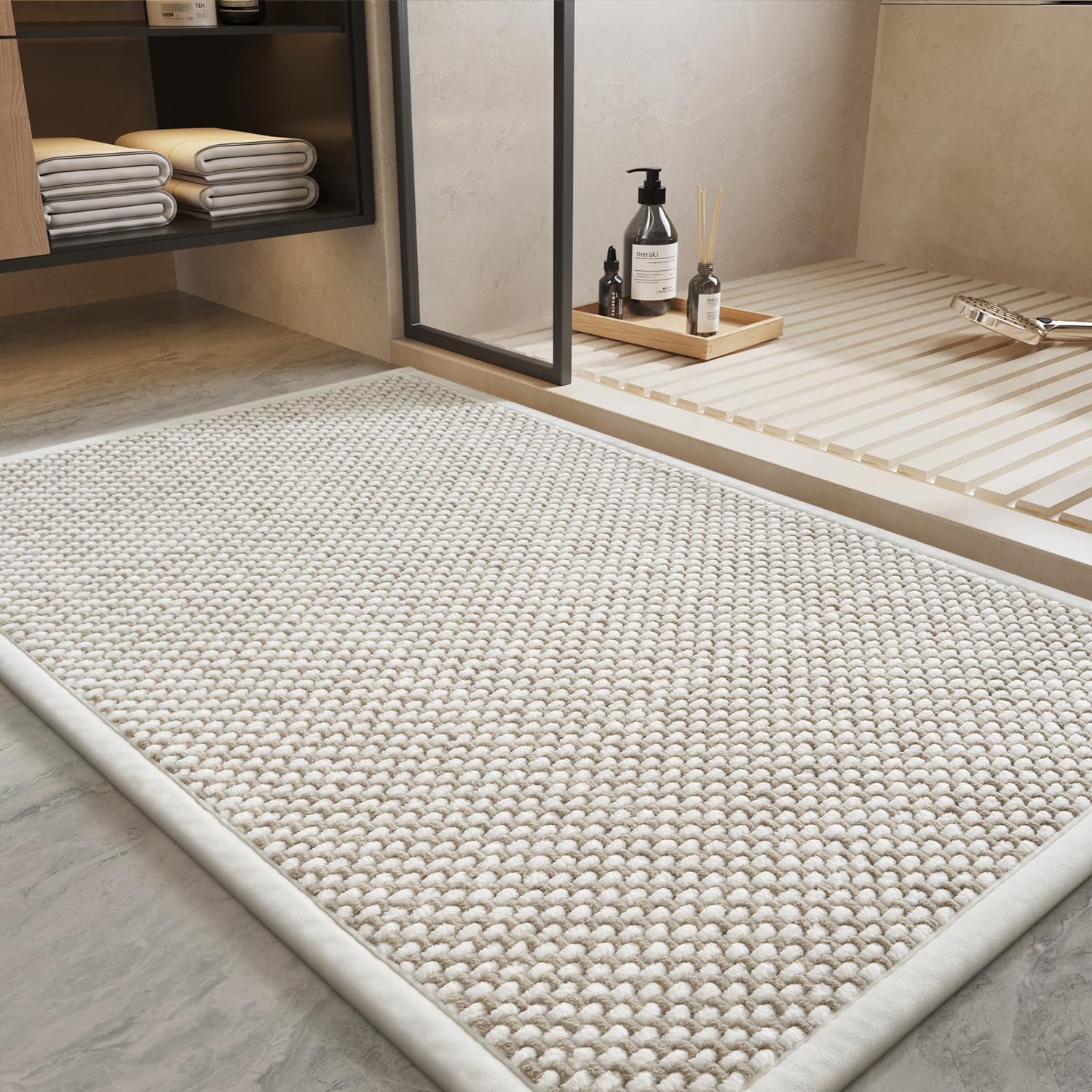


Three Rug Profiles Worth Shortlisting
The All Around Profile
The all around profile suits most bathrooms: a medium pile cotton or microfiber rug with a full nonslip backing, sized to cover the step out zone in front of the tub or shower. It absorbs well, washes in a home machine, and dries within a day on a rack. Expect to pay about $25 to $45 for this class. Its main limit is that very plush versions dry slowly in humid rooms without good airflow.
The Budget Profile
The value profile is a thinner, lighter rug, often microfiber or a cotton blend, sold singly or in pairs for under about $20. It works well in guest baths and rental units where easy washing matters more than cushion. The trade offs are less absorbency per step and a backing that may wear sooner with weekly washing. Buying two lets you rotate one while the other is in the laundry, which extends the life of both.
The Upgrade Profile
The upgrade profile adds a thick memory foam core or dense woven cotton, a stronger grip backing, and sturdier edge binding, usually around $45 to $80. It suits main bathrooms used several times a day, where comfort and durability repay the extra cost. Check the care label before buying, because some foam core rugs should not go in a dryer. The extra thickness can also block doors with low clearance, so measure that gap first.
How to Choose Bathroom Floor Rugs: A Buying Guide
Material and Absorbency
Cotton absorbs a lot of water and feels natural, but it dries slowly and gets heavy when soaked. Microfiber absorbs quickly for its weight and dries faster, which helps in bathrooms with weak ventilation. Memory foam cores add cushion and soak up water through a microfiber surface, though the foam itself should stay as dry as possible. Bamboo fiber and chenille blends sit between the extremes. Match the material to your climate and laundry habits first, because a rug that stays damp will smell long before it wears out.
Pile Height and Comfort
Pile height shapes both comfort and drying time. Low pile rugs, roughly under half an inch, dry fast and let doors swing freely. Medium pile balances softness and practicality for most homes. High pile feels luxurious but traps more water and needs more air to dry fully. Press the rug with your palm in the store if you can: good cushion springs back, while thin padding over hard backing feels flat right away and will feel flatter in a month.
Grip and Backing Safety
On smooth tile, stone, or vinyl, the backing is a safety feature, not a detail. Full latex or rubber style backings grip best but can crack after repeated hot washing and may discolor some vinyl floors over time. Silicone dot and textured gel backings grip well and tolerate washing better. Rugs with no backing need a separate nonslip pad underneath. Check any new rug by stepping and twisting gently on your own floor before the household relies on it.
Durability and Care
Look for tight stitching at the edges, even pile with no bare patches, and a care label that allows machine washing, since bathroom rugs need frequent cleaning. Shake the rug outdoors weekly to remove grit that grinds fibers down. Wash in cold or warm water and dry fully before putting it back, because a damp rug returned to the floor is where odor starts. OEKO TEX certified textiles have been checked for harmful substances, a useful screen for items your bare feet touch daily.
Size and Placement
Measure the floor before you shop. A rug in front of a tub usually runs about 20 by 32 inches, while a long runner of about 24 by 60 inches suits a double vanity. Leave a border of bare floor around the rug so edges lie flat and drying air can circulate. For shaped spaces, contour rugs fit around a toilet base, though many households prefer a simple rectangle that is easier to wash and reposition. If your floor is tile specifically, our guide to the best bathroom rugs for tile floors goes deeper on grip.
Moisture, Drying, and Odor Control
A rug that dries between uses resists mildew and smells far longer. Hang the rug over the tub edge or a rack after the morning rush if your bathroom lacks a fan, and run the exhaust fan for twenty minutes after showers. In very humid homes, two lighter rugs rotated daily beat one thick rug that never fully dries. Some rugs add antimicrobial treatments, but airflow and full drying do more for freshness than any treatment.
Types of Bathroom Floor Rugs
Cotton Rugs
Woven or tufted cotton rugs absorb generously and feel soft without synthetic sheen. They suit households that wash rugs often and have a sunny or airy place to dry them. Their weakness is slow drying in steamy rooms. If that is your situation, compare options in our guide to the best quality bathroom rugs, where drying speed is weighed alongside build quality.
Microfiber and Chenille Rugs
Microfiber rugs use fine synthetic strands to pull in water fast, and chenille versions add a nubby texture that feels warm and hides damp patches visually. They dry quicker than cotton and cost less, though they can feel less substantial underfoot. These are a smart default for busy family bathrooms and for homes without a dryer, since they air dry reliably overnight in most conditions.
Memory Foam Rugs
Memory foam rugs cushion standing tasks like shaving and tooth brushing, which your knees and back notice in a main bath. The foam core needs a waterproof style surface and should be aired often, because trapped moisture shortens its life. They are best in bathrooms with good ventilation. For heated flooring, check heat limits first using our guide to the best bathroom rugs for heated floors before placing any thick foam rug.
Quick Dry and Stone Style Mats
Some mats use fast wicking fabrics or absorbent stone surfaces that pull water from feet and evaporate it quickly. They feel firmer than textile rugs and suit modern bathrooms and small spaces where a hanging rug is impractical. They hold less total water than a thick cotton rug, so very splash heavy showers may still need a textile rug beside the tub.
Care and Maintenance Tips
- Shake the rug outside two or three times a week to release grit and hair before they work into the pile.
- Wash every one to two weeks in a busy bathroom, using cold or warm water and a mild detergent.
- Dry the rug completely, on a rack or line when the label allows low heat only, before returning it to the floor.
- Rotate two rugs if your bathroom stays humid, so each one gets a full rest day to dry.
- Clean the floor under the rug weekly, since trapped moisture and soap film can damage some finishes and make floors slippery.
- Replace the rug when the backing cracks, the edges curl, or grip fades, because a sliding rug is a fall risk.
Beyond the bathroom, the same backing and pile logic applies to other rooms, and our guide to the best floor rugs covers larger sizes. For matching pieces sold together, see the best bath rugs for bathroom guide on coordinated sets.
FAQs
How do I wash bathroom floor rugs safely?
Shake out loose grit first, then wash in cold or warm water on a gentle cycle with mild detergent, and skip fabric softener, which coats fibers and cuts absorbency. Dry fully before reuse. One point many labels omit: wash rugs with rubber style backing less often in hot water, because heat ages the backing, and spot clean between full washes to stretch its life.
What size rug is best in front of a bathtub?
A rug about 20 by 32 inches suits most tubs, giving you a full step out zone without bunching at the wall. For a shower and tub side by side, a runner covers both exits with one piece. Measure the door swing as well, since a thick rug that blocks the door will get kicked into a heap. Leave at least an inch of clearance under the door.
How often should I replace my bathroom floor rug?
Most bathroom rugs last one to two years with regular washing. Replace yours sooner if the backing flakes, the rug slides despite a clean floor, or odors return right after washing, which signals mildew deep in the pile. A simple test: if the rug still feels damp twelve hours after a shower in a ventilated room, its absorbent core has likely broken down.
Are memory foam bathroom rugs a good choice?
They are a good choice if your bathroom has decent airflow and you stand at the vanity for long stretches, because the cushion reduces foot fatigue. They are a weaker choice in small, steamy bathrooms where the core stays damp. If you pick foam, lift and air the rug daily. That single habit matters more than the brand or price tier for how long it stays fresh.
Can I use a bathroom rug on a heated floor?
Yes, but choose a thinner rug and confirm both the rug and the flooring maker allow coverage, since a thick rug insulates the floor and traps heat underneath. Natural backings and low pile cotton handle warmth better than thick foam. Set the floor thermostat conservatively at first and check the rug underside after a day of use for any softening or odor.
The Bottom Line
Judge a rug by drying speed, backing grip, and a size that fits your step out zone, and the comfort will follow. The best bathroom floor rugs for your home are the ones that stay dry, stay put, and survive weekly washing. Compare your finalists in the product table above and pick the profile that matches your floor and routine.