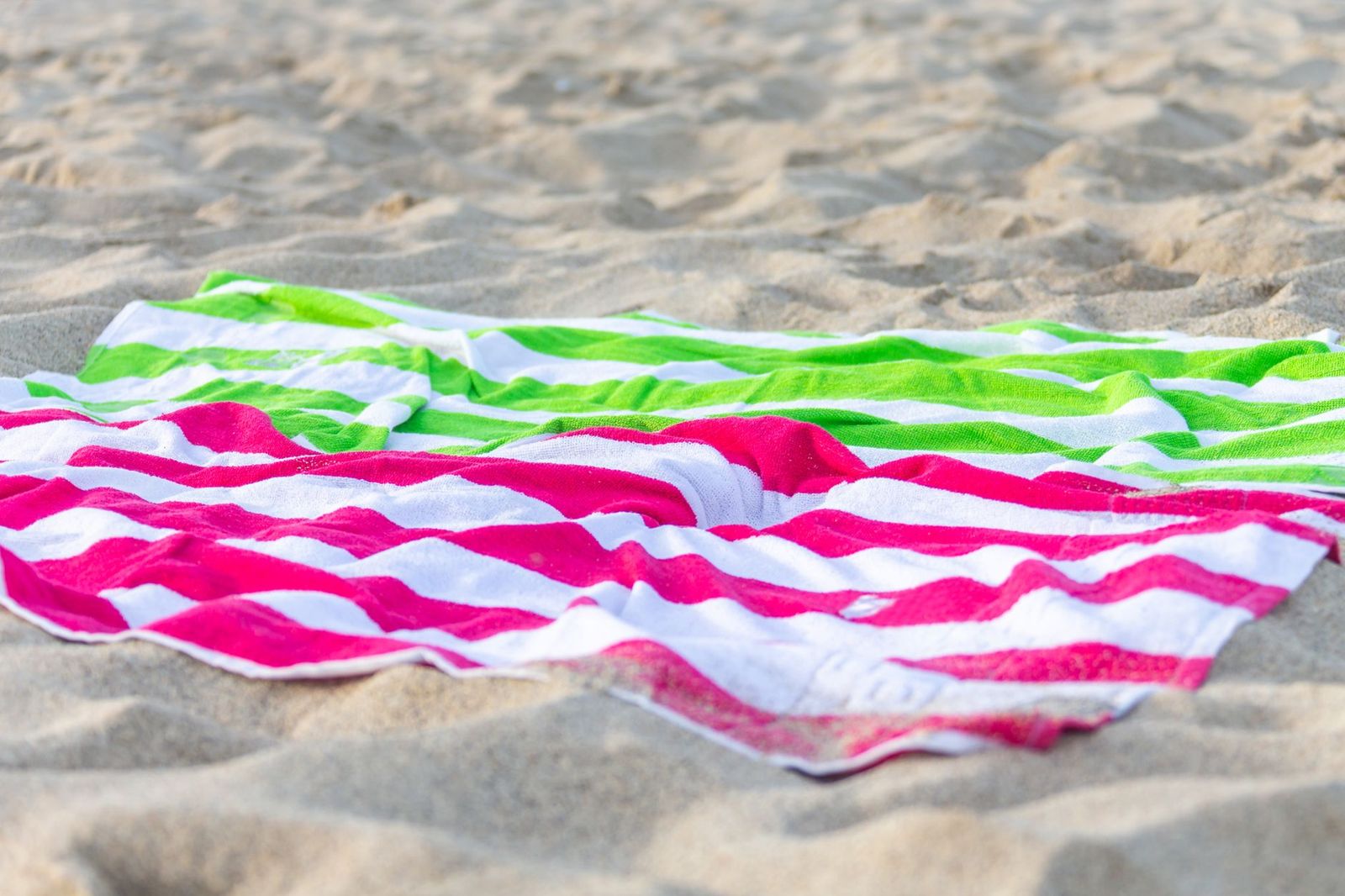
Best Beach Towels That Repel Sand of 2026: Complete Buying Guide
Disclosure: We may earn a commission when you buy through links on this page, at no extra cost to you. As an Amazon Associate I earn from qualifying purchases. Learn more

Best beach towels that repel sand: fiber, weave, GSM, size and drying speed explained so your towel shakes clean.
Sand that rides home in your car, bag and laundry is the part of a beach day nobody plans for. The best beach towels that repel sand solve that problem at the surface, using smooth fibers and flat weaves that let dry grains fall away with a shake instead of clinging in deep loops. Use the product table below to match fiber, size and weight to your trips.
Start with how you actually use a towel. You may need fast drying for daily swims, full coverage for reading, or a light pack for a flight. The sections below explain each trade off, so you can choose coverage and absorbency without giving up easy sand release.


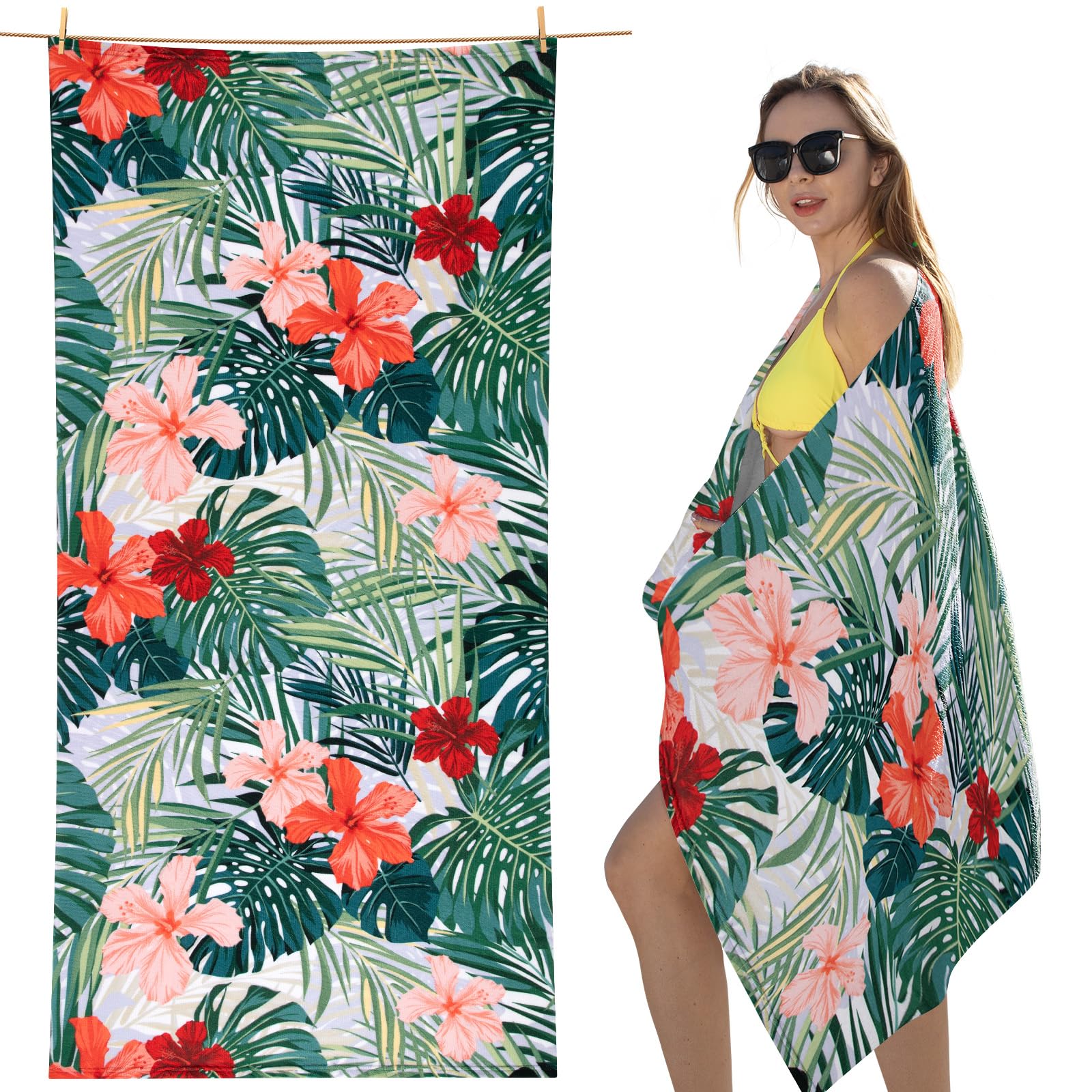


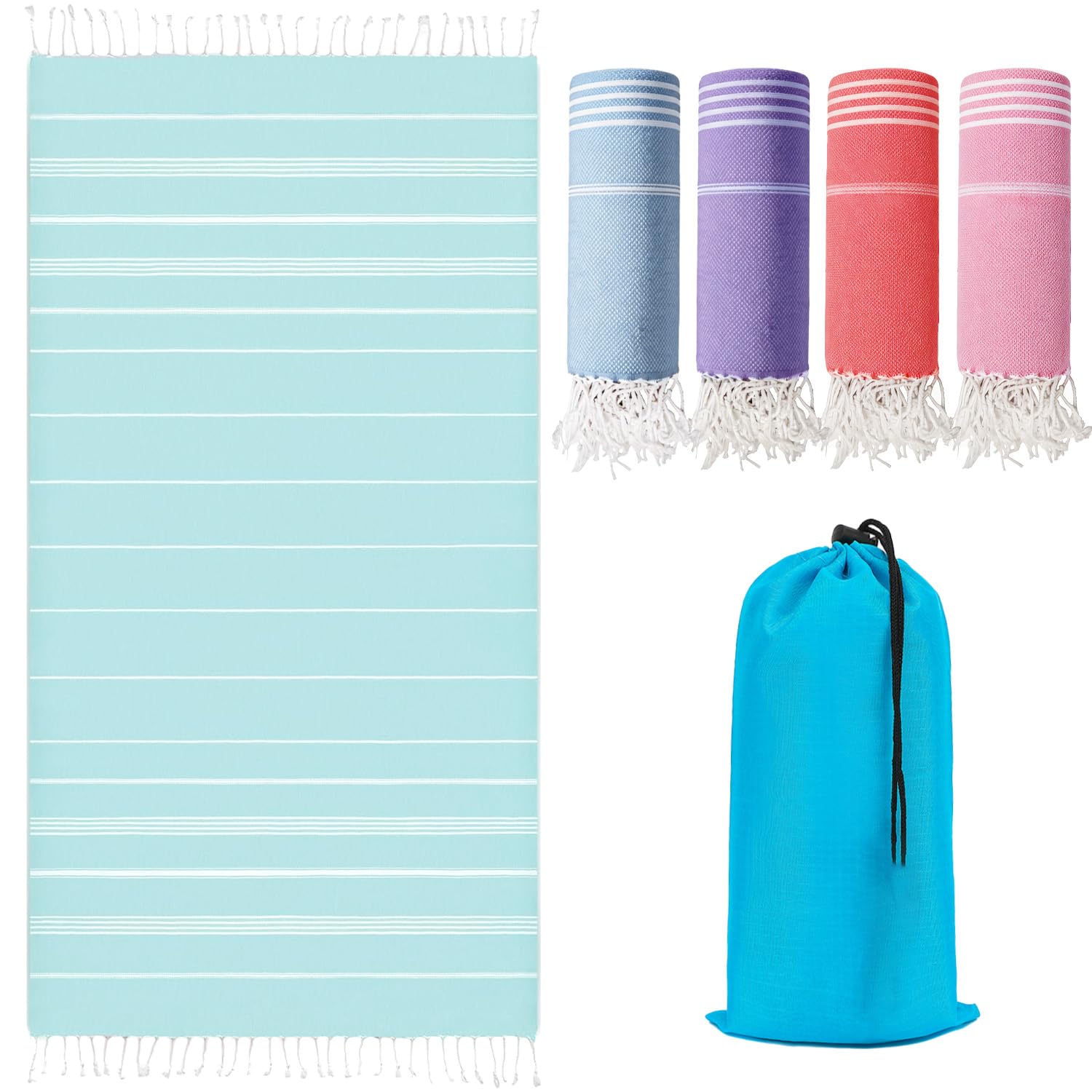

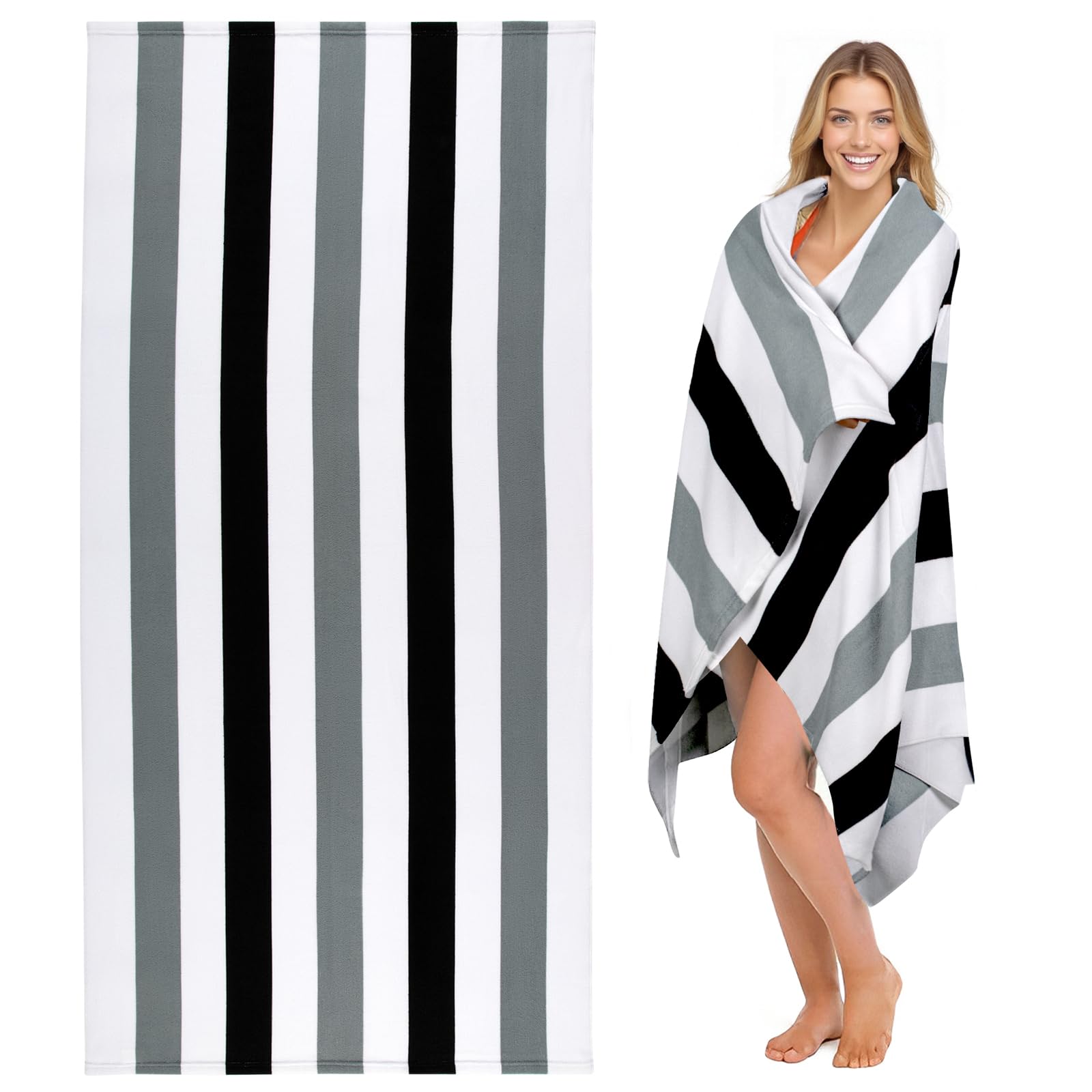
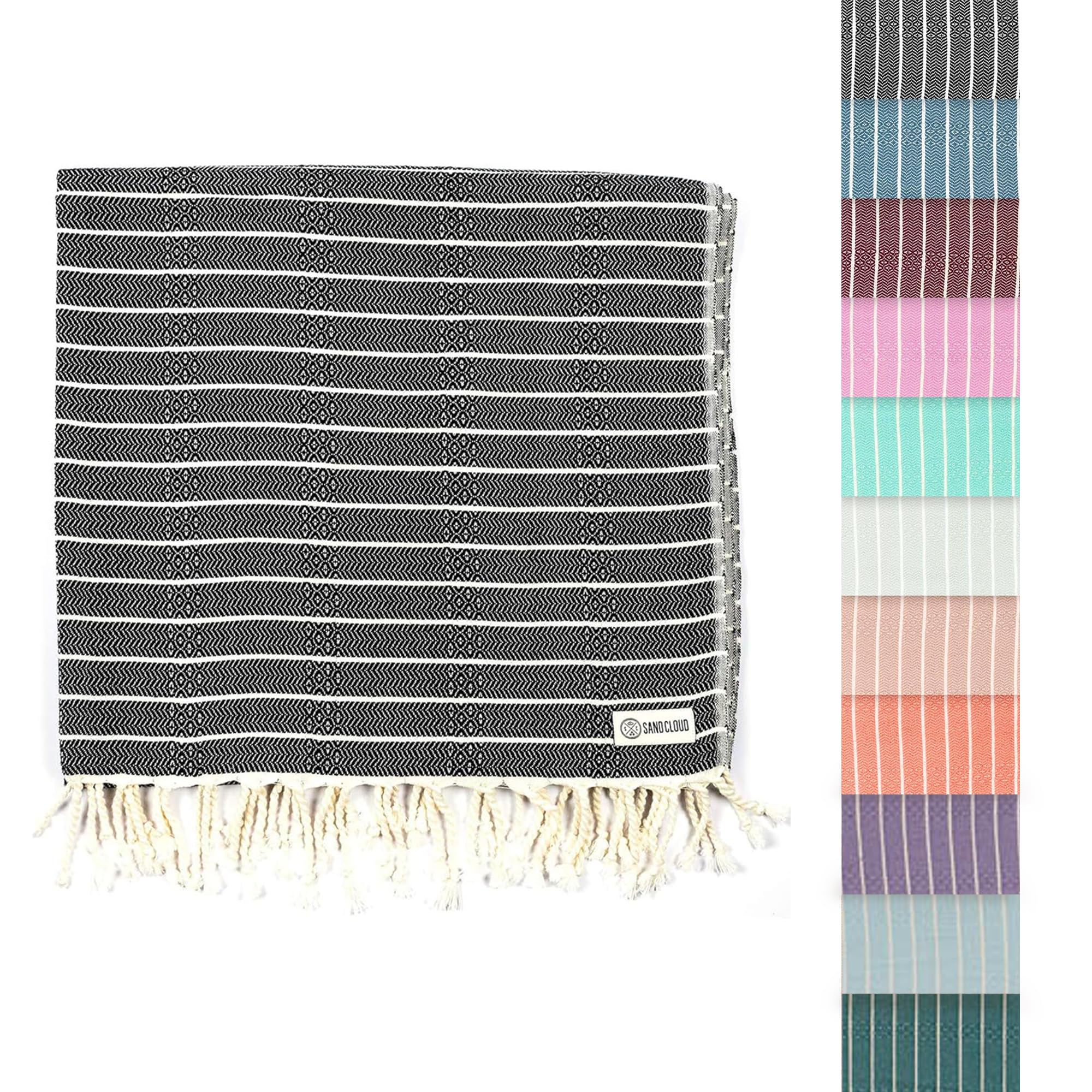
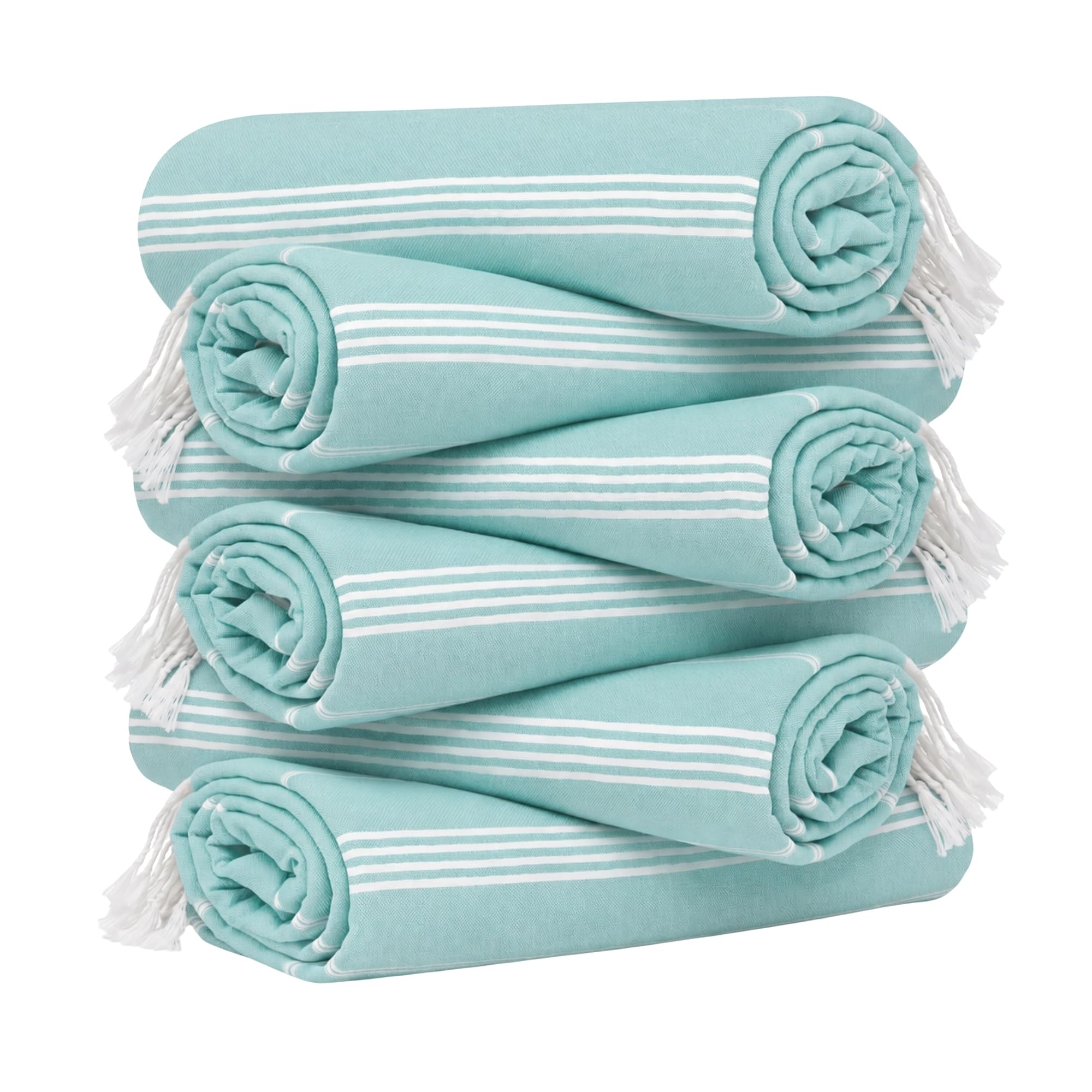
Who Should Buy Which Beach Towels That Shed Sand?
Pick by the outing you repeat most often, because a travel towel packs very differently from one built for long afternoons in one spot. Carry distance and drying time matter as much as softness.
Frequent Swimmers Who Dry Off Often
You swim, dry, and swim again through the day, so drying speed matters more than plush thickness. Choose a flat weave microfiber towel that feels smooth and releases sand after one firm shake. It feels less cushioned than cotton, but it dries between dips and leaves far less grit in a shared beach bag.
Readers and Sunbathers Who Stay in One Spot
You spread a towel, settle in, and stay for an hour or more, so coverage and comfort come first. Choose an oversized towel long enough to keep your head and heels off the sand at the same time. A heavier cotton blend can feel softer for reading, as long as the surface stays fairly smooth.
Travelers Who Pack Light for Beach Trips
You carry everything in one bag or suitcase, so folded size and weight shape your choice. Choose a thin microfiber towel that folds to about the size of a paperback book and dries overnight on a balcony rail. If your trips center on the shore, see our guide to the best sand towels for compact options.
Key Features to Compare
Compare these factors in the same order each time. That balance is what separates the best beach towels that repel sand from a plain bath towel taken to the shore.
Fiber and Weave Decide Sand Release
Fiber and weave do most of the work. Microfiber woven flat has a smooth face with almost no loops, so dry sand sits on top and slides off when you shake the towel outdoors. Turkish cotton feels softer, but its loops can hold grains until the towel dries fully. If cotton comfort matters most, see our guide to the best turkish beach towels and choose a low loop weave with a smooth finish.
GSM, Weight and Absorbency
GSM tells you how much fabric sits in each square meter, and it predicts feel and drying time. Microfiber towels around 200 to 350 GSM feel light and dry fast, while cotton towels around 400 to 600 GSM feel plusher and hold more water. Higher GSM does not mean better sand release, so match weight to how far you walk.
How Fast a Towel Dries Between Swims
Drying speed depends on fiber, thickness and air flow where you hang the towel. Microfiber often feels dry within an hour in sun and breeze, while thick cotton can stay damp for several hours. A towel that dries fast also sheds sand sooner, because wet grains cling far more than dry ones. Choose the faster fabric if you swim often each day.
Size and Coverage on the Sand
Standard beach towels measure about 30 by 60 inches, while oversized styles reach about 36 by 72 inches or more. Extra length keeps your whole body on fabric when you lie down, and extra width gives room to roll over without reaching bare sand. Check size against your height, and remember that a larger towel folds bigger and weighs more.
Packed Size, Weight and Useful Extras
A travel towel may weigh under one pound and fold flat, while a large cotton towel can weigh two pounds or more and fill half a tote. Extras should earn their space. A hanging loop helps a towel dry on a hook, a zip pocket keeps a phone off the sand, and corner pockets can hold sand to anchor the edges.
Certifications and Skin Feel
Look for OEKO TEX certification when you want fabric checked for substances that can irritate skin, because a beach towel touches wet skin and faces for hours. The label does not prove sand release, so treat it as a safety check alongside weave and fiber. Also feel the face of the towel. A smooth face usually sheds grains better than a brushed or heavily textured face.
Types of Beach Towels That Shed Sand
Most sand shedding towels fall into three broad types. The right one depends on whether you value softness, pack size or lower impact materials most.
Flat Weave Microfiber Towels for Easy Shaking
These towels use a smooth, tight surface that gives sand very little to grip. They absorb less water per pass than thick cotton, so you may pat dry twice, but they rinse clean, dry fast and pack small. If easy shaking is your top priority, see our guide to the best beach towels for sand for more on this style.
Turkish Cotton Towels for Softness First
Turkish cotton uses long staple fibers that feel soft and stay strong through many washes. The trade off is slower drying and more care to shake grains from the loops once the towel is dry. These towels suit readers and families who stay in one spot and value comfort over pack size, and they often cost about $25 to $45.
Eco Friendly and Premium Towels for Longer Service
Eco friendly picks may use recycled microfiber or cotton grown with fewer chemical inputs, and they suit buyers who keep one towel for many seasons. Premium and luxury picks add denser weaving, stronger edge stitching and larger sizes, often about $40 to $70. Pay more for build quality and coverage, not for a decorative border that adds weight without helping sand release.
Common Mistakes to Avoid
These errors are easy to make on a first purchase and hard to fix once you own the towel.
- Choosing a thick bath towel for the beach traps damp sand in its loops and leaves grit in your car and laundry.
- Judging sand release while a towel is still wet makes almost every fabric look poor and can lead you to return a towel that sheds well when dry.
- Buying a towel that is too short leaves your head or heels on bare sand and defeats the point of full coverage.
- Using fabric softener on microfiber coats the fibers, cuts absorbency and makes grains cling instead of sliding off.
- Packing a damp towel in a closed bag for the drive home locks in odor and keeps sand stuck to the wet surface.
Care and Maintenance for Beach Towels That Shed Sand
Wash a new towel before first use to remove loose fibers from weaving, and wash beach towels apart from clothes with hooks or rough zips that can snag a flat weave. Use warm water, mild detergent, and no fabric softener on microfiber. Shake each towel hard outdoors before washing, so loose sand falls outside.
Rinse salt water and pool water from the fabric after your swim day, because dried salt can stiffen fibers and make the surface feel harsh. Dry the towel fully before you fold it, and store it dry. Check edges each season, and repair a loose stitch early before a small tear spreads.
FAQ
How often should I replace a beach towel that repels sand?
Replace a beach towel that repels sand when it stays slick after washing, sheds fibers, or no longer absorbs water in a quick pour test at the sink. Most well made towels serve three to five seasons of regular beach use. A towel used daily at a pool may wear sooner along the edges where it folds.
Are premium beach towels that repel sand worth the extra cost?
Premium beach towels that repel sand can be worth the cost if you go often and keep them for years. The gain is usually larger coverage, sturdier edges and a smoother weave, not a magic fiber. A towel at about $50 used for forty beach days costs a little over a dollar per day. If you visit twice a summer, a simpler towel makes better sense.
How do I keep a beach towel that repels sand fresh for longer between washes?
Air the towel on a rail or line after every beach day, even when you do not wash it. Sun and moving air between uses slow odor, and a brief rinse of the section that touched sunscreen removes oils that trap smells. Wash after two or three uses, sooner after heavy sunscreen or spilled drinks.
What GSM is best for a sand shedding beach towel used by swimmers?
For swimmers who dry off many times a day, about 250 to 350 GSM in flat weave microfiber usually balances absorbency with fast drying. Try this check before a trip. Wet the towel at home, hang it where you normally dry gear, and note how long it takes to feel dry. If it stays damp, choose a lighter towel for swim days.
Does sunscreen change how well a beach towel that repels sand works?
Sunscreen can make a beach towel that repels sand work less well until you wash it. Oils give dry grains something to stick to, so a towel that shook clean in the morning may hold sand by late afternoon. Rinse the oily area with warm water and a drop of dish soap at home, then wash as usual.
Our Verdict
Start with fiber and weave, then check GSM against how far you walk and how fast you need the towel to dry. Size comes next, because full coverage keeps you off bare sand. Use the product table above to compare those points before you decide.
When you choose best beach towels that repel sand with those checks in mind, one firm shake can leave most of the beach behind. Pick the simplest towel that fits your trips and enjoy a cleaner ride home.