Best Area Rugs for Tile Floors for 2026: Complete Buying Guide
Disclosure: We may earn a commission when you buy through links on this page, at no extra cost to you. As an Amazon Associate I earn from qualifying purchases. Learn more

Use this guide to the best area rugs for tile floors to compare backing, pad, pile and size so your rug stays put and feels warm underfoot daily.
Tile is durable and easy to clean, but it is also cold, hard and slippery under a rug that was not chosen for it. A rug that works on wood can slide on glazed tile, feel thin over grout lines and bunch at the edges. This guide to the best area rugs for tile floors shows you how to pick a rug and pad combination that grips, cushions and stays flat.
Below you will find three buying profiles instead of named products, the features that matter most on tile, and care tips that protect both the rug and the floor. The comparison table below is a quick way to compare sizes and materials once you know what to look for.


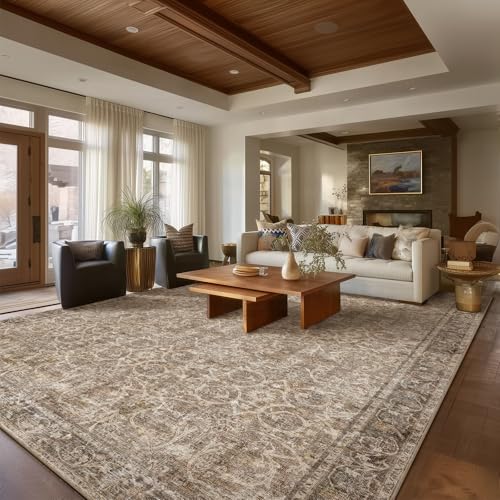
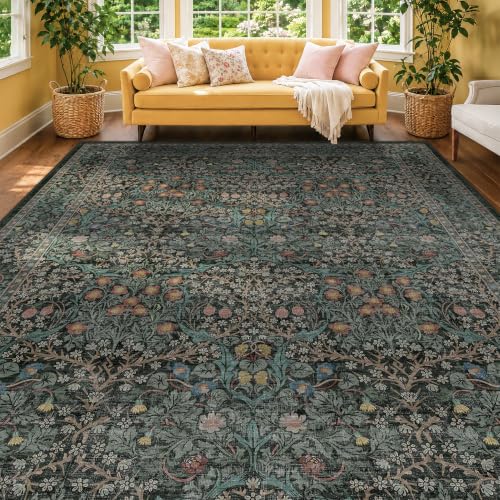
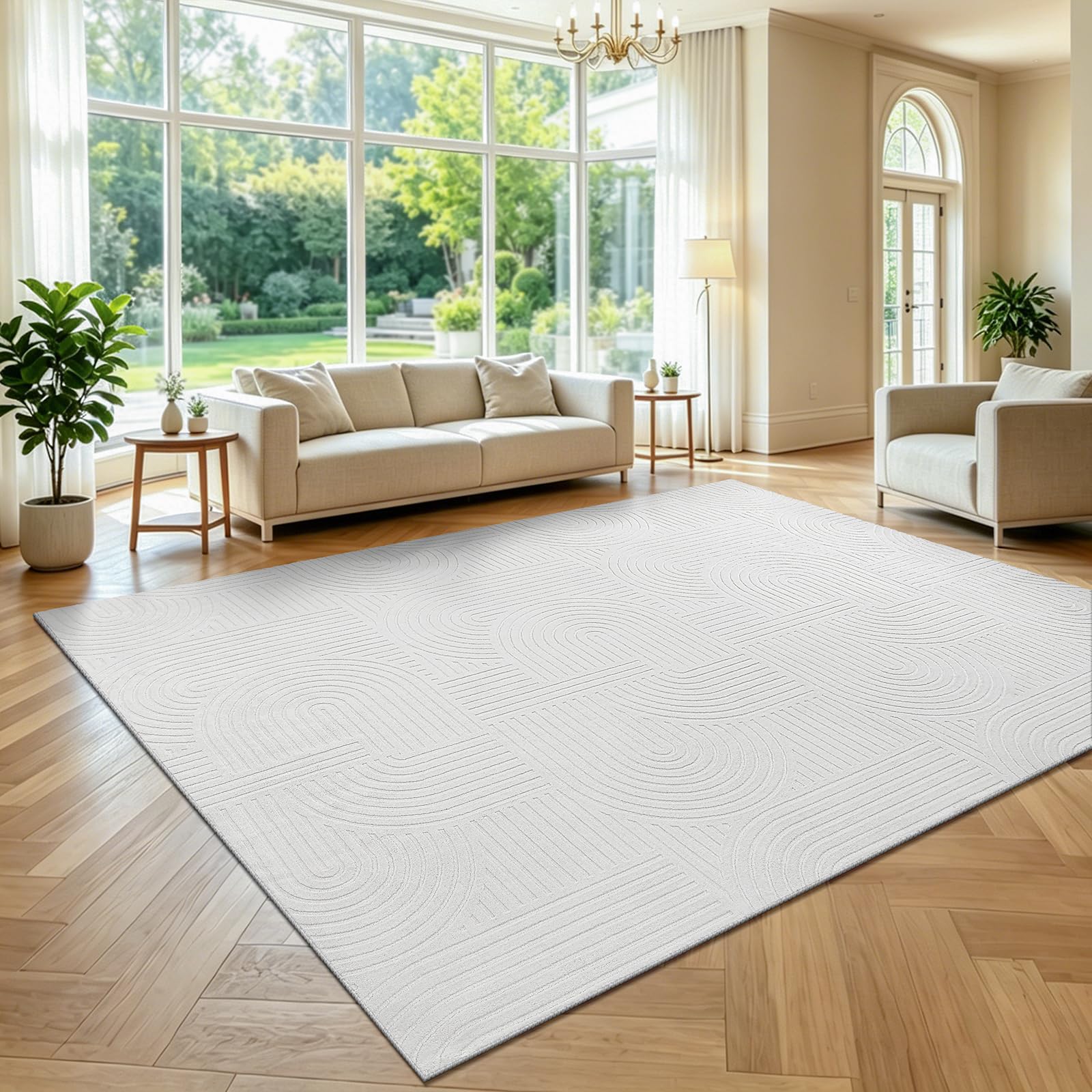


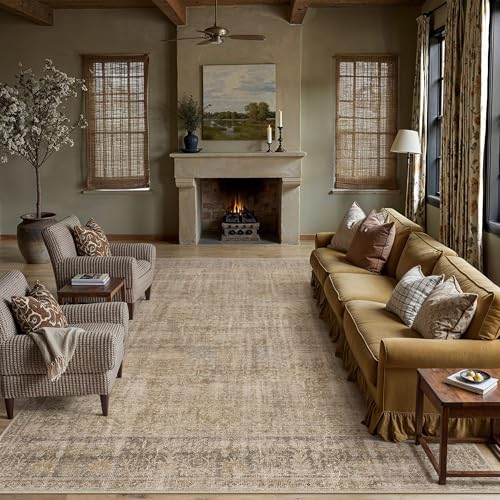
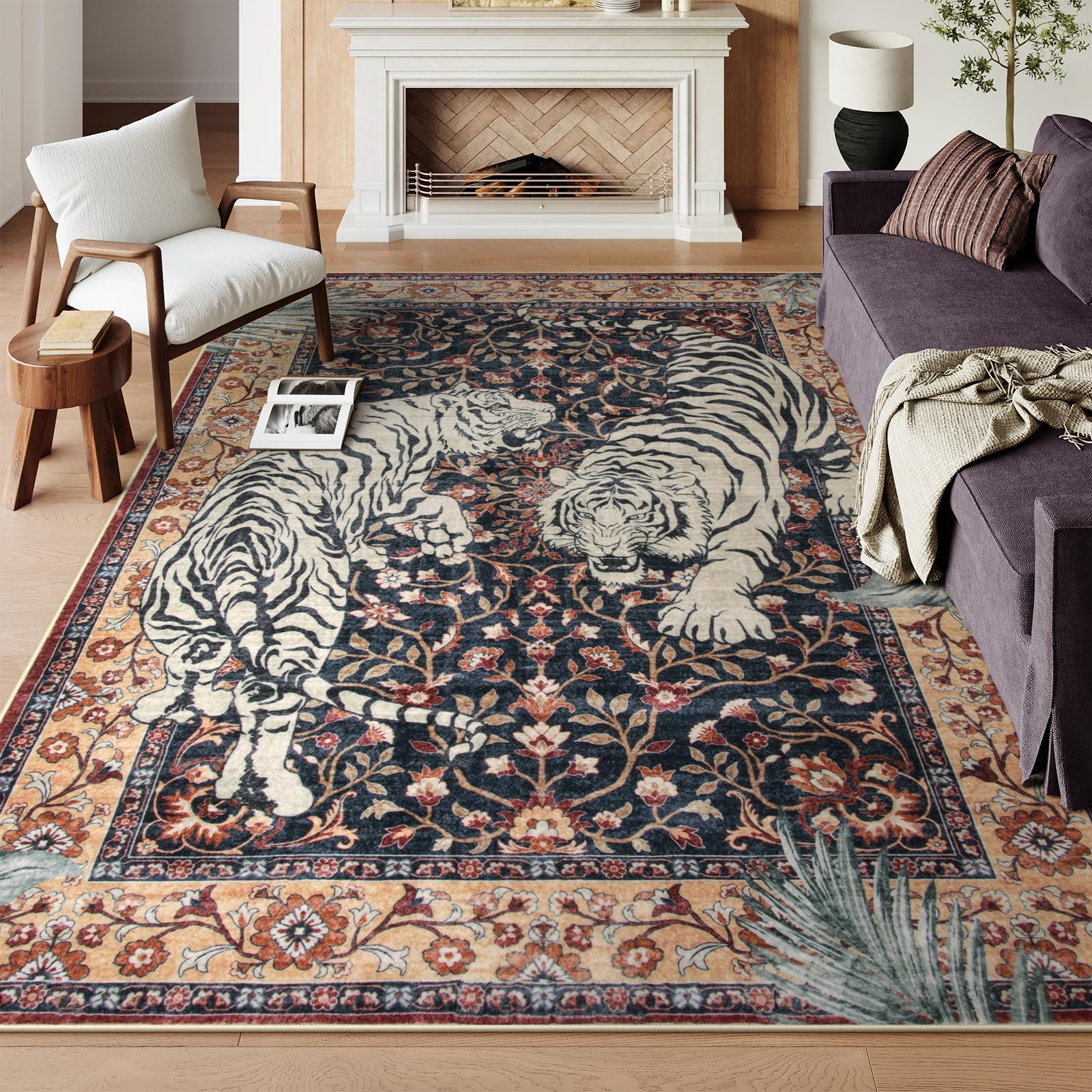
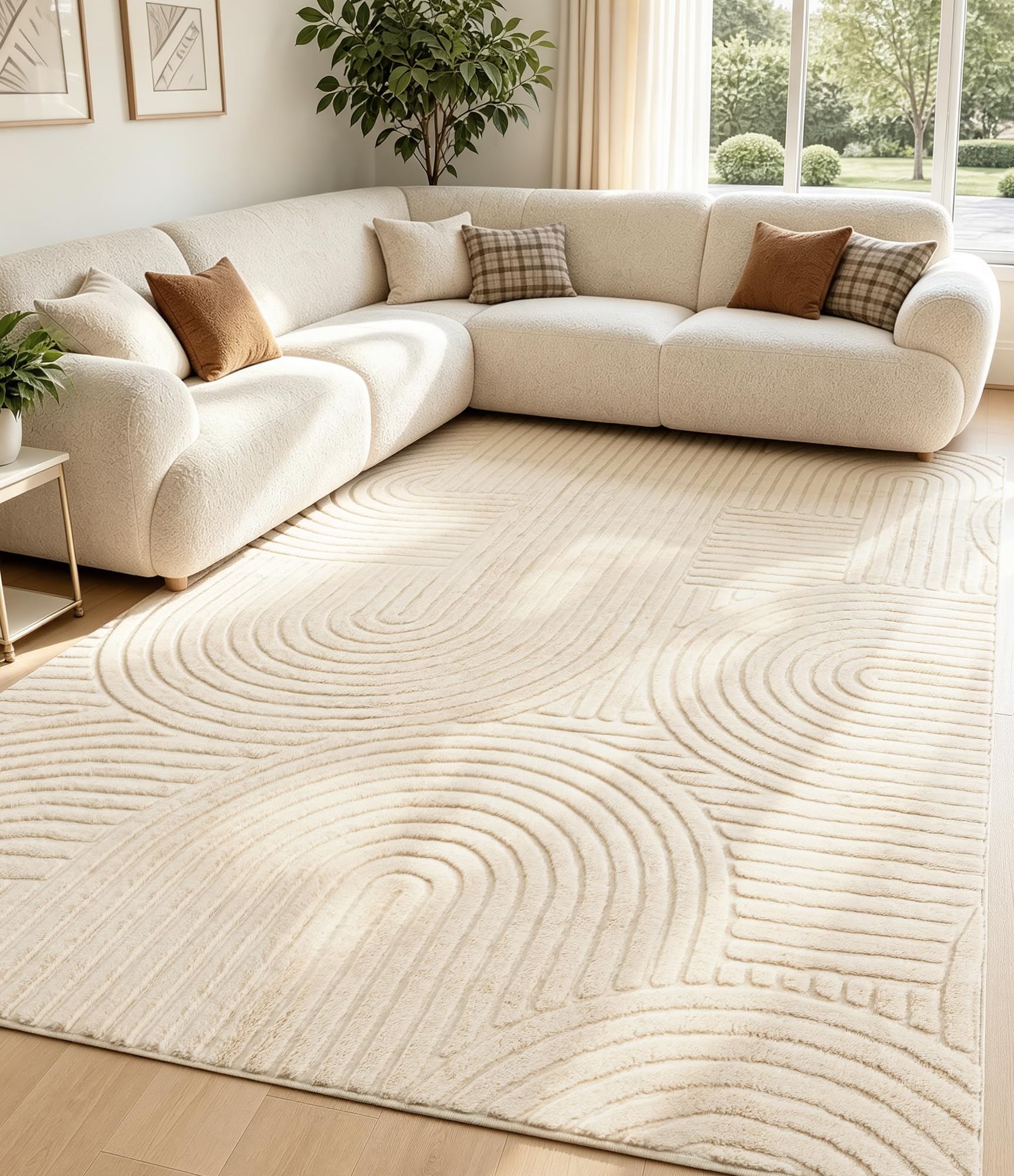
Three Buying Profiles at a Glance
The All Around Profile
The all around choice is a medium pile rug with a dense weave over a rubber and felt pad. This stack grips glazed and matte tile, hides grout lines so the surface feels even, and adds real warmth in living rooms and bedrooms. Expect to pay about $100 to $250 for a large living room size. The main limit is thickness at doors, so check clearance before you commit. This profile suits most homes that want one rug to solve sliding, cold and echo at the same time.
The Value Profile
The value route is a flat to low pile synthetic rug with a separate nonslip pad, usually about $50 to $120 for a midsize room. Synthetic fibers handle tracked in dirt and spills well, and a low pile vacuums easily. You give up some cushion and warmth compared with thicker options, and very light rugs may still curl at the corners until the pad settles. This profile fits rentals, playrooms and kitchens where easy cleaning matters more than plush feel and where budgets need to stretch across several rooms.
The Upgrade Profile
The upgrade choice is a wool or wool blend rug with a thick felt and rubber pad, often about $250 to $500 or more for large sizes. Wool brings natural resilience, a richer look and better insulation over cold tile, and it hides footprints and minor soiling between cleanings. The trade off is care, since wool needs gentler cleaning and costs more up front. Choose this profile for a main living room or primary bedroom where the rug will stay for years and comfort is a daily priority.
How to Choose the Best Area Rugs: Buying Guide
Features That Matter for Tile Floors
Tile creates three problems a rug must solve. First, smooth tile offers little friction, so grip comes from the pad, not the rug alone. Second, grout lines telegraph through thin rugs, making the surface feel lumpy. Third, tile conducts cold, so insulation matters. Look for a rug at least a quarter inch thick over a pad, and choose a pad with a rubber side facing the tile. When you shop for the best area rugs for tile floors, treat rug and pad as one purchase, not two separate ones.
Material
For rugs, material means fiber and construction. Polypropylene and polyester resist moisture and stains, which suits tile in kitchens, entries and bathrooms where water is common. Wool costs more but insulates better and springs back after furniture sits on it. A woven rug lies flatter and slides less than a very soft tufted rug of the same weight. Avoid foam backed rugs on tile that gets wet often, because trapped moisture under foam can smell and can mark some tile glazes over time.
Durability and Care
Tile rooms tend to be busy rooms, so favor tight weaves and color patterns that hide grit tracked in from outside. Check whether the rug can be vacuumed with a beater bar, spot cleaned, or machine washed if it is a smaller washable style. Read the return policy as your trial period, because only walking on the rug at home tells you whether it grips and whether grout lines show through. Keep the packaging until you are sure, and photograph the rug in daylight to judge the true color.
Cleaning gear matters on tile too, and our guide to the best vacuum for tile floors and area rugs covers suction settings that work across both surfaces without scattering grit.
Noise and Chair Movement
On tile, noise means chair legs, pet nails and dropped items ringing off a hard surface. A rug plus pad absorbs that impact and also stops the small shifting movements that make rugs creep. If a dining set sits on the rug, choose a low dense pile so chairs slide without catching, and extend the rug at least 24 inches beyond the table on each side. Felt pads damp sound best, while rubber layers stop movement, so a combined pad handles both jobs.
Safety Labels
Labels such as OEKO TEX tell you a rug was screened for certain harmful substances, which is useful for floors where babies crawl and pets nap. For pads, look for low odor claims backed by a certification rather than marketing words alone. Certifications do not tell you about grip or durability, so treat them as a safety check after the practical features pass. If anyone in the home has asthma or strong chemical sensitivity, air a new rug in a ventilated room for a day before regular use.
Size and Fit
Measure the tile area and decide how much border you want to show. In living rooms, a rug that holds at least the front legs of seating looks settled and moves less than a small floating rug. In halls, leave a few inches of tile visible on each side and use a long pad cut to match. For kitchens, runners between the sink and stove protect the spots where you stand longest. Always measure doors that swing over the rug, because tile rooms often have tight thresholds.
For more tile specific sizing ideas, see our guide to the best rugs for tile floors, which covers runners and entry sizes in more detail.
Standing Comfort and Edges
A medium pile over a dense pad relieves pressure on heels and knees when you stand at a counter or fold laundry on the floor. Very thick piles feel soft but can make ankles work harder and can trip older adults. Edges should lie flat without curling, and a pad slightly smaller than the rug helps the edge taper to the tile. Tape is a short term fix only, since residue can mark tile and grout.
Types of Area Rugs
Woven Flat Weave Rugs
Flat weave rugs are thin, firm and easy to slide under doors, and they vacuum well. They suit kitchens and dining areas on tile where chairs move often and spills happen. They offer the least cushion and grout line coverage, so pair them with a thicker pad if comfort matters. Patterns hide crumbs and pet hair nicely between cleanings.
Tufted and Plush Rugs
Tufted rugs have a softer, thicker feel that warms tile in bedrooms and living rooms. They hide grout lines well and quiet a room, but they need a strong pad to stop sliding and they take longer to dry after cleaning. Choose a dense tuft rather than a tall loose shag if furniture will sit on the rug, because dense piles recover better from leg marks.
Washable Rugs
Washable rugs are usually low pile synthetic rugs designed to go in a home machine, sometimes with a separate grip layer. They are practical on kitchen and entry tile where mud and spills are routine. The trade off is feel, since they are thinner and less cushioned. Check your machine capacity before buying a large size, and confirm the grip layer is safe for your tile finish.
Homes often mix floor types, so if the next room is wood, our guide to the best area rugs for wood floors explains pad differences, and our guide to the best area rugs for hardwood floors covers finishes that need extra care.
Tips to Get the Most From Area Rugs on Tile
- Use the right pad. Rubber facing the tile stops sliding, felt facing the rug adds cushion.
- Let it settle. Unroll and weight the corners for a day or two before judging flatness.
- Vacuum grit often. Sand on tile acts like sandpaper under a rug, so lift and sweep beneath monthly.
- Rotate twice a year. Even wear keeps one doorway path from flattening early.
- Dry spills fully. Lift a wet rug off tile until both sides are dry to prevent odor.
Kitchen tile needs extra spill planning, and our guide to the best kitchen rugs for tile floors focuses on runners and mats for cooking zones.
Frequently Asked Questions
What features matter most in area rugs for tile floors?
Grip, thickness over grout lines and insulation matter most. Choose a rug with enough body to feel smooth over grout, and always pair it with a rubber and felt pad that is cut slightly smaller than the rug. That combination stops sliding, softens the cold surface and reduces noise from chairs and footsteps in one step.
How do I judge rug quality on tile?
Judge density and pile height. A tight weave or dense pile resists wear and covers grout better than a loose tall pile. If a listing gives weight for the rug size, a heavier rug of the same size usually means denser material and better durability.
How do I wash area rugs safely?
Follow the care label, since wool and natural fiber rugs often need spot cleaning only. Many synthetic rugs can be hosed and scrubbed gently outdoors, then dried flat with air on both sides. Never put a wet rug back on tile, because trapped moisture can feed mildew and make the pad slip. Test any cleaner on a corner first.
Will a rug make tile feel warmer?
Tile feels cool, so thickness matters. In a hot climate, a flat weave rug adds color and grip without much insulation, so floors stay cooler underfoot. In a cold climate, that same thin rug is a poor choice, and a thicker pile earns its cost. Match pile height to your climate rather than to a cooling label.
What pile is best for standing on tile?
A firm low pile over a dense pad gives stable footing for standing tasks, which many people find easier than wobbling on thick shag. Keep edges flat to avoid trips. If standing is uncomfortable for you, ask your doctor and consider supportive footwear indoors as well.
How often should I replace my area rug?
Replace it when edges curl despite a good pad, the backing flakes, or the pile stays flat and dingy after a deep clean. Busy tile entries may wear a rug in three to five years, while a bedroom wool rug can last a decade. Pads usually wear out sooner, so replace the pad first if sliding returns.
Our Verdict
On tile, success is a system: a rug with enough body, a rubber and felt pad, and a size that anchors the room. Decide by room job first, cooking and entry rugs need grip and easy cleaning, living and bedroom rugs need warmth and cushion. Check the product table above against those needs, and the best area rugs for tile floors for your home will be the pairing that stays flat, feels even over grout and makes the room warmer to live in.