Best Bathroom Rugs for Tile Floors: Budget, Midrange, and Premium Tiers for 2026
Disclosure: We may earn a commission when you buy through links on this page, at no extra cost to you. As an Amazon Associate I earn from qualifying purchases. Learn more

Compare the best bathroom rugs for tile floors by price tier, grip, and material, so you spend on traction and drying speed, not decoration.
Tile is beautiful, durable, and genuinely slippery when wet, which makes the rug in front of your tub a piece of safety equipment as much as a comfort item. Prices for bathroom rugs range from under $15 to well over $80, and the gap is not always obvious from a photo. The best bathroom rugs for tile floors earn their price through grip, absorbency, and backing that survives washing, not through pattern alone.
This guide is organized by budget, so you can see what each tier actually delivers on tile, which upgrades matter, and where you can safely save. Use the comparison table below for a quick scan, then read the tier sections before you spend.
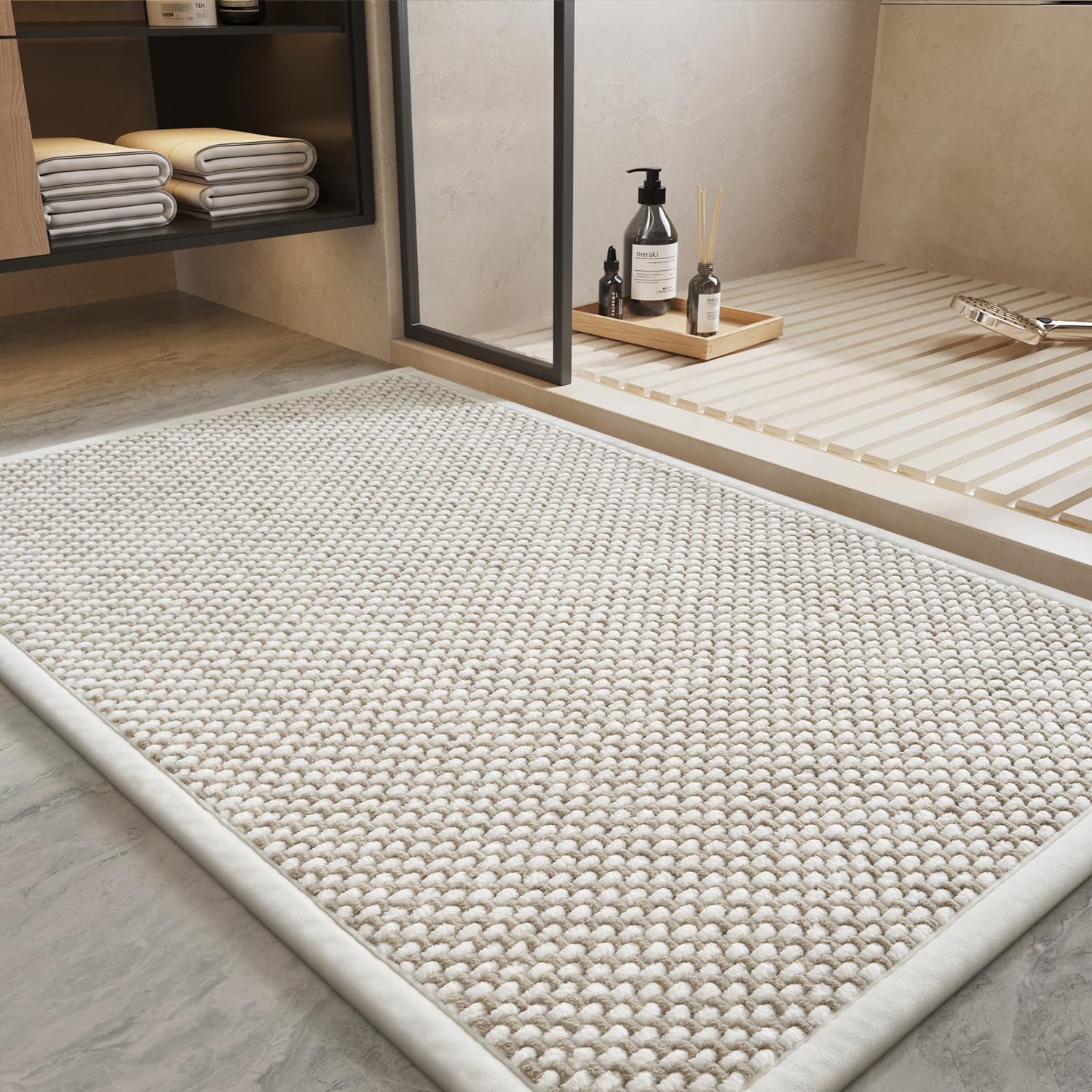
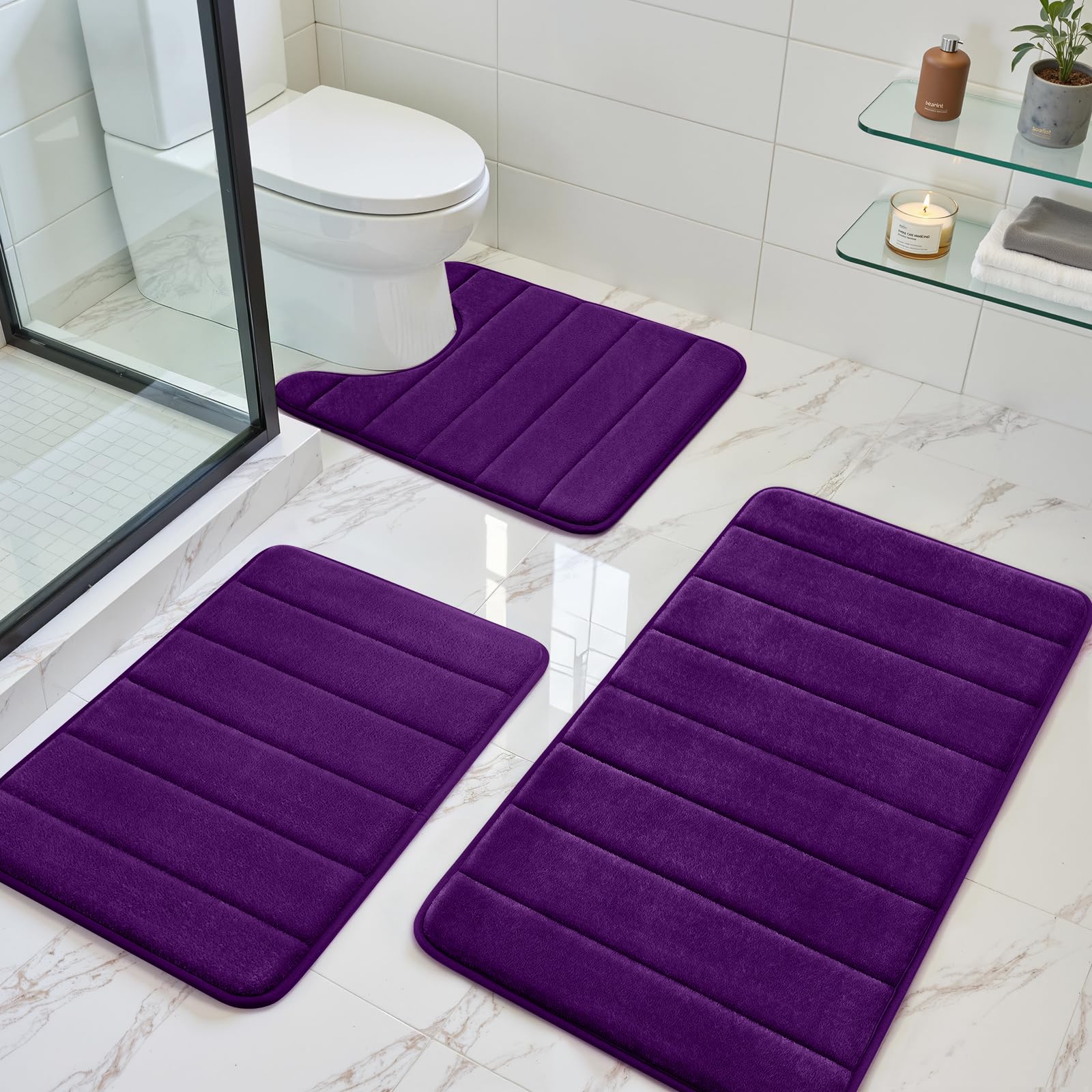


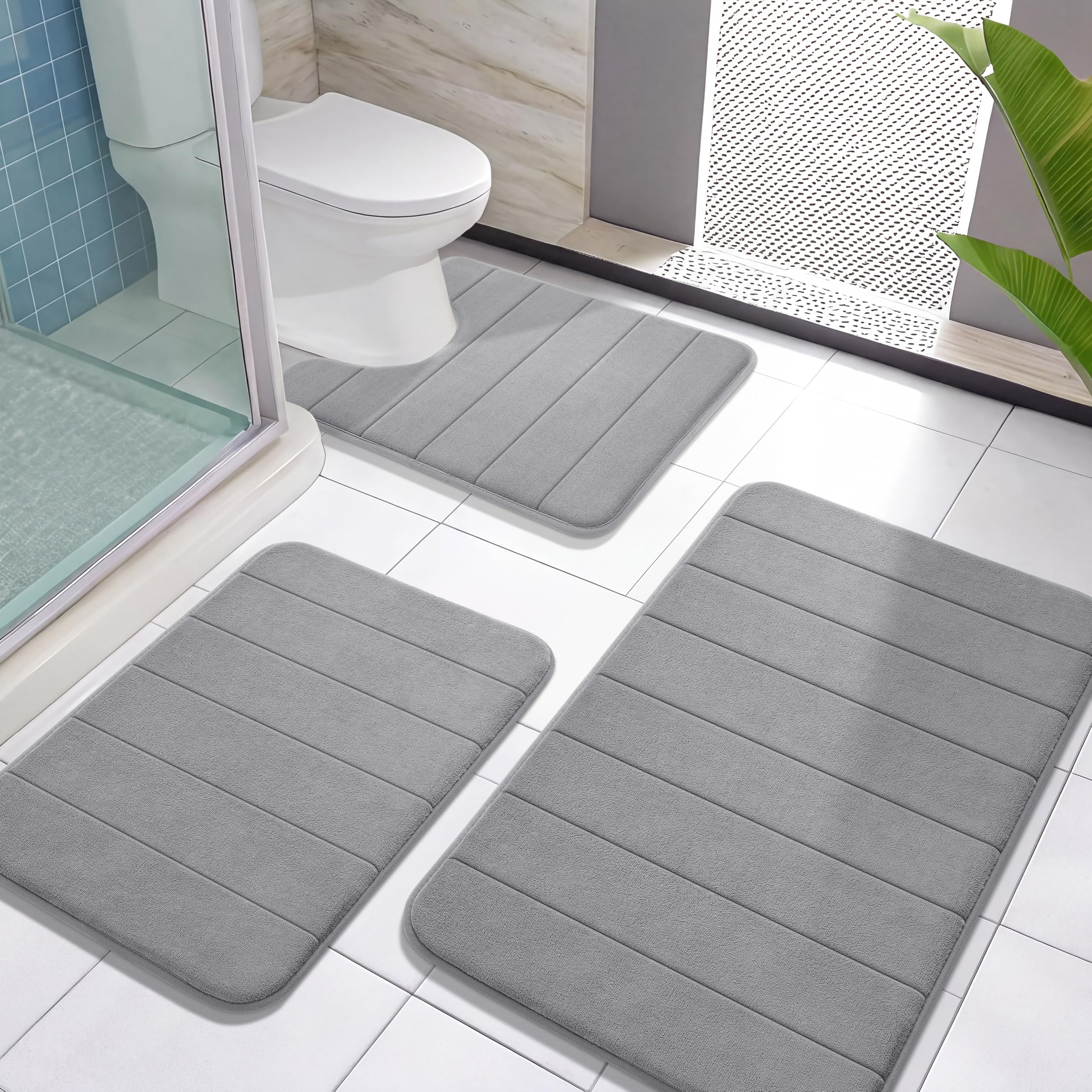
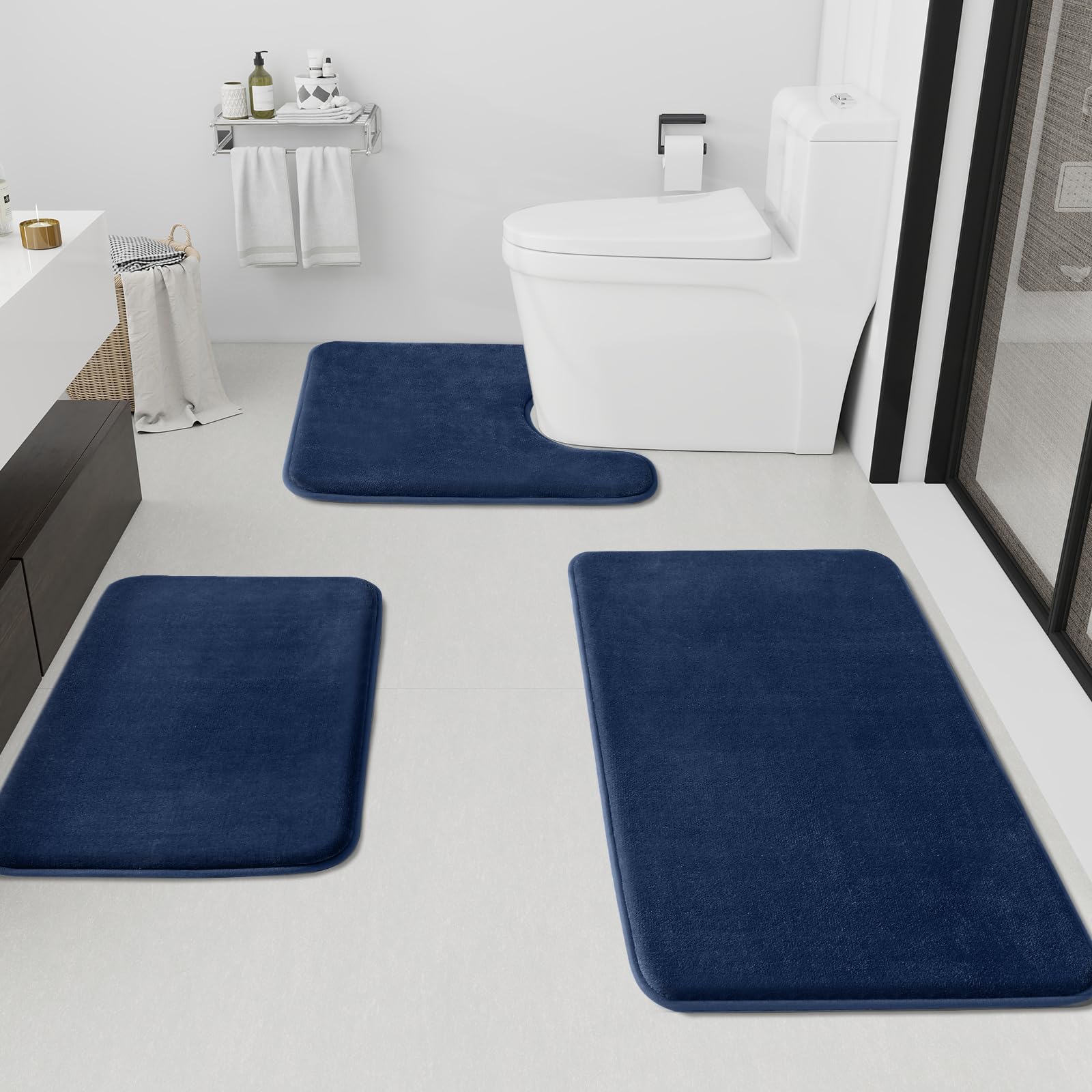


Three Budget Tiers at a Glance
Budget Tier Profile
Budget rugs, usually under about $20, are thin microfiber or light cotton with a sprayed latex style grip layer. On tile they work acceptably when new, and they suit guest baths, dorms, and rentals. The limits show up with weekly washing: grip fades sooner, edges may curl, and absorbency is modest, so a heavy splash overflows onto the tile. Plan to replace these about once a year and treat the low price as part of the deal.
Midrange Tier Profile
Midrange rugs, about $25 to $45, add denser pile, a full patterned backing with stronger bite on glazed tile, and bound edges that stay flat. This is the tier where a rug starts to feel secure during a real step out with wet feet and a moving child or pet nearby. Absorbency roughly doubles compared with thin budget mats, and most survive a year or two of weekly washing. For most tile bathrooms, this tier is the sensible default.
Premium Tier Profile
Premium rugs, about $50 to $85, use heavy woven cotton, thick memory foam with a robust grip base, or dense chenille with reinforced backing. They stay planted on polished tile, absorb a full shower exit without soaking through, and keep their shape after many washes. The trade offs are slower drying and a higher replacement cost when the backing eventually ages. Buy this tier for a main bathroom used by several people every day.
What Your Money Gets You at Each Price Tier
Budget Tier: What to Expect
Expect light weight, quick drying, and simple care. Budget rugs are easy to shake out and wash, and buying two for rotation is painless at this price. What you give up is staying power: backing compounds are thinner, so grip declines with heat and detergent exposure. On very smooth glazed tile, test a budget rug carefully during the return window, because that surface is where weak backings reveal themselves first.
Midrange Tier: The Sweet Spot for Most Buyers
Midrange money buys the features that matter on tile: a continuous grip backing rather than sparse dots, enough pile to hold water off the floor, and stitching that keeps corners down. These rugs also tend to come in true standard sizes, so a 20 by 32 inch mat actually covers the tub exit. If you read general rug guidance such as our overview of the best rugs for bathroom floor, you will notice most recommended specs describe this tier.
Premium Tier: When Spending More Pays Off
Spending more pays off when the floor is polished stone or large format glossy tile, the slipperiest surfaces in a home. Premium backings are formulated to bite on those finishes, and heavy construction keeps the rug from creeping as you step and turn. Premium cotton also dries more evenly because the weave is uniform. If your tile is matte and textured, though, premium grip buys you little, and midrange money is better spent on a second rug for rotation.
Features Worth Paying For (and Ones to Skip)
Durability and Care
Pay for bound or serged edges and a backing rated for repeated washing, because bathroom rugs are laundered more than any other rug in the house. Skip delicate care rugs in a family bath, no matter how soft they feel. A rug that can go through a warm wash weekly and come out flat will outlast a luxurious rug that slowly curls and slides. Care labels that permit machine drying on low also save real time in winter.
Material and Absorbency
Cotton holds the most water, microfiber absorbs fastest for its weight, and memory foam adds cushion under a microfiber face. On tile, absorbency protects the grout as much as your feet, since water that sits on grout lines feeds mildew. Pay for density you can feel when you squeeze the pile. Skip ultra plush decorative rugs with almost no backing contact, because loft without grip is exactly the combination that slides on tile.
Size and Fit
Correct size is free safety. A rug should cover the full step out zone and lie flat with all edges down, so measure before ordering and do not assume product photos match your tub length. Runners of about 24 by 60 inches serve double vanities well. For general floor rug sizing in other rooms, our guide to the best rugs for tile floors extends the same measuring method beyond the bathroom.
Features That Matter for Tile Floors
Tile demands three specifics: a backing that grips glazed surfaces, enough absorbency to keep water off grout, and edges that stay flat so toes do not catch. Test grip by placing the rug, stepping on it with wet feet, and twisting gently; any movement means a stronger backing or a separate nonslip pad is needed. The same traction logic applies in kitchens, as our guide to the best kitchen rugs for tile floors shows for standing zones by the sink.
Backing Types and Floor Compatibility
Latex and rubber style backings grip tile well but can occasionally react with certain sealed or vinyl adjacent surfaces, so check the label if your bathroom mixes materials. TPR and gel style backings grip nearly as well and tend to tolerate washing better. Unbacked woven rugs are the easiest to launder and work on tile when paired with a quality pad. If you also have radiant heat, confirm heat suitability with our guide to the best bathroom rugs for heated floors.
Long Term Costs to Factor In
The purchase price is only part of the cost. Budget rugs replaced yearly can cost more over three years than one midrange rug, and a separate nonslip pad adds about $10 to $15 to unbacked styles. Washing costs are small but real, and a rug that needs special care adds time. Wide area coverage costs more too, so compare like for like sizes when judging value. Our guide to the best area rugs for tile floors helps if your project extends to larger tiled rooms.
Frequently Asked Questions
What features matter most in bathroom rugs for tile floors?
Grip on glazed tile matters most, followed by absorbency and flat lying edges. A rug that slides is a hazard no matter how soft it feels. One detail buyers miss: backing coverage should reach near the edges of the rug, because sparse center only grip lets corners lift and slide first, which is where most slips begin.
How often should I replace my bathroom rug on tile?
Replace it when grip fades, the backing cracks or flakes, or edges curl despite washing, typically every one to two years. On tile you can test backing health directly: if the rug moves when you push it with one foot on a dry floor, its best traction is gone. Do not wait for a slip to make the decision for you.
How do I wash bathroom rugs safely?
Shake out grit first, wash in cold or warm water with mild detergent, and skip fabric softener, which leaves a film that reduces both absorbency and grip. That film point matters doubly on tile, because residue transferred from a softener coated rug can make the floor itself slicker. Dry fully before replacing the rug on the floor.
Do I need a rug pad under a bathroom rug on tile?
You need one only if the rug lacks a full grip backing or slides in your twist test. A thin nonslip pad adds security without much height, and it also protects delicate backings from direct grout abrasion. Cut the pad slightly smaller than the rug so it stays hidden and does not itself peek out and get wet.
Are thicker rugs always safer on tile?
No, thickness and safety are different things. A thick rug with a weak backing slides more readily than a thin rug with strong grip, because your weight shifts on the loft. Choose grip first, then moderate thickness for comfort. Around half an inch of pile over a full backing is a practical ceiling for most tile bathrooms, and it also keeps door clearance problems away.
The Bottom Line
On tile, spend first on backing grip, then on absorbency, then on looks. Most households land happily in the midrange, where the best bathroom rugs for tile floors stay planted, wash well, and keep grout drier. Check your finalists in the product table above, run the twist test during the return window, and your floor will feel safer every single morning.