Best Bathroom Rugs for Heated Floors: Everything to Know Before Your First Purchase for 2026
Disclosure: We may earn a commission when you buy through links on this page, at no extra cost to you. As an Amazon Associate I earn from qualifying purchases. Learn more

First time shopping for the best bathroom rugs for heated floors? Learn which materials, backings, and thicknesses are safe over radiant heat.
Radiant heat under a bathroom floor is a comfort you feel the moment you step out of the shower, but it changes what a rug must do. A thick, heavily insulated rug traps warmth underneath, works the heating system harder, and can age its own backing faster. The best bathroom rugs for heated floors let heat pass through while still catching water and keeping your footing secure.
If this is your first heated floor, do not worry. This guide starts with the basics, explains each key term in plain language, and ends with a simple starter routine. Check the comparison table below as you read, and note which materials and thicknesses keep appearing.


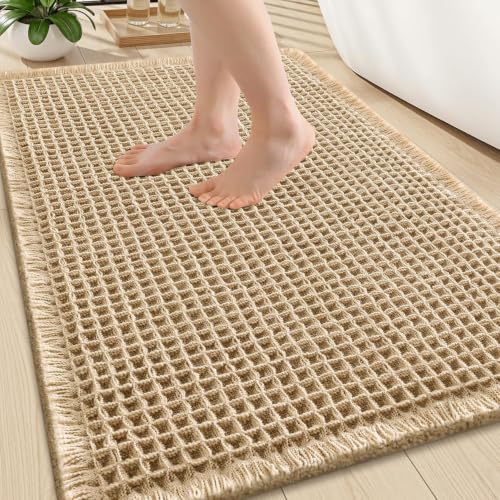

Bathroom Rugs 101: The Basics
A bathroom rug sits where you step with wet feet, mainly in front of the tub, the shower, and the vanity. Its jobs are to absorb water, prevent slips, and protect the floor from drips. Over radiant heat, it gains a fourth job: it must not block the warmth you are paying to generate. Heat rises through the rug by conduction, so thin, dense materials pass it well, while thick foam and heavy rubber layers resist it.
Two terms will help you shop. Thermal resistance describes how much a material slows heat flow, and lower is better here. Backing is the underside layer that grips the floor, and its heat tolerance matters because it sits closest to the warm surface all day. For a broader view of rug options beyond heated rooms, our guide to the best rugs for bathroom floor covers general sizing and placement.
Key Specs Explained in Plain English
Features That Matter for Heated Floors
Heated floors reward rugs that are thin, breathable, and stable at warm temperatures. Aim for a total thickness under about half an inch so warmth reaches your feet instead of pooling beneath the rug. Look for wording that the rug is suitable for radiant heat, and check the maximum temperature guidance from your flooring maker, since many systems run surface temperatures around 80 to 85 degrees Fahrenheit. A rug that covers only the step out zone, rather than most of the room, also leaves more heated area exposed.
Material and Pile
Low pile cotton is a friendly first choice because it absorbs well, tolerates warmth, and washes easily. Microfiber dries faster and stays light, which helps heat pass through. Memory foam is the material to treat with care: thick foam insulates strongly and some foams soften or degrade with constant warmth, so choose only thin versions rated for heated use. Wool is naturally resilient and handles moderate heat, though it costs more and needs gentler washing. Whatever you pick, thinner and denser beats thick and lofty over radiant systems.
Size and Fit
Standard sizes work fine over heated floors, but placement strategy changes. Cover the spots where wet feet land, about 20 by 32 inches at the tub, and leave the rest of the floor open so the room still feels warm. Runners suit double vanities, yet a long runner blocks a long strip of heat, so consider two smaller rugs instead. Keep rugs a few inches from walls and fixtures so warm air and cleaning tools can pass.
Backing and Heat Behavior
The backing touches the warm floor all day, so its composition matters. Natural latex backings grip well but can break down faster under constant heat and may leave residue on some floors over time. Woven cotton rugs with no applied backing, used over a thin heat safe nonslip pad, avoid that problem and wash more easily. Avoid thick solid rubber mats that were designed for cold floors, because they insulate strongly. Our guide to the best rugs for heated floors compares backing types across room types.
Durability and Care
Warmth plus moisture is a demanding mix, so care habits decide how long the rug lasts. Wash in cold or warm water, never hot, to protect both fibers and backing, and dry on a rack rather than leaving the rug to bake dry on the warm floor, which can stiffen some backings. Shake the rug out weekly. Expect a well chosen cotton rug to serve about two years in a main bathroom, and rotate two rugs if the room is used heavily.
Thickness and Door Clearance
Measure the gap under your bathroom door before buying, because a rug that the door drags across will bunch and become a trip hazard. Low profile rugs around a quarter to half an inch thick clear most doors and, conveniently, are also the ones that pass heat best. If your door gap is generous, resist the urge to go plush anyway. Over radiant heat, extra loft buys insulation you do not want, not comfort you can feel.
Rookie Mistakes to Avoid
- Buying the thickest memory foam rug in the store, which blocks heat and can soften or crack under constant warmth.
- Covering most of the floor with one large rug, leaving the heating system working harder for a cooler feeling room.
- Ignoring the flooring maker temperature limits and the rug care label, the two documents that actually govern safe use.
- Leaving a wet rug flat on the warm floor all day, which traps moisture against both the backing and the grout.
- Using a rug with a degrading latex backing that sticks to warm tile and leaves marks that are hard to remove.
If tile is your surface, the pairing of grip and heat deserves extra care, and our guide to the best bathroom rugs for tile floors explains traction on smooth stone and ceramic in detail.
Getting Started: Setup and First Use
Start by washing the new rug once to remove loose fibers, then dry it fully on a rack. Place it only in the step out zone and walk on it with damp feet to confirm it does not slide. Run the floor heat at your normal setting for a day, then lift the rug and check the underside for softening, sticking, or odor. Build a daily habit of hanging the rug over the tub edge after the last shower so it dries instead of sitting warm and damp. In the first week, check under the rug each evening until you trust the routine.
Quality signals are consistent across price tiers, and our guide to the best quality bathroom rugs shows what better construction looks like up close. If you later add rugs to unheated rooms, the sizing and pile advice in our guide to the best floor rugs transfers well.
Frequently Asked Questions
What features matter most in bathroom rugs for heated floors?
Low thickness, a heat tolerant backing, and a size that covers only where you step matter most. Together they let warmth reach your feet while the rug still absorbs water and stays put. One extra check: confirm the rug maker states the product suits radiant heat, because that single line of wording reflects a check that a generic bath rug may never have had.
How often should I replace my bathroom rug on a heated floor?
Plan on about one to two years in a main bathroom. Heat ages backings faster than in an unheated room, so replace the rug when the underside feels tacky, cracks appear, or grip fades even on a clean floor. A useful habit is to inspect the backing each time you deep clean the bathroom, roughly monthly, so you catch breakdown before residue transfers to the tile.
Can a rug damage a heated floor or the heating system?
A suitable rug will not damage the system, but a very thick rug can make the thermostat cycle longer because heat escapes more slowly into the room. Follow the flooring maker guidance on floor coverings and surface temperature. If a spot under a rug ever feels much hotter than the surrounding floor, remove the rug and lower the setting until you find the cause.
Are memory foam rugs safe on heated floors?
Thin memory foam rugs rated by their maker for radiant heat are generally fine, while thick unrated foam is a poor match. Foam insulates, so even a safe foam rug will feel cooler on top than cotton. If cushion is your priority, place the foam rug at the vanity only, where you stand longest, and use a thin cotton rug at the shower exit where heat and water matter most.
How do I wash bathroom rugs used on heated floors?
Wash in cold or warm water with mild detergent on a gentle cycle, and skip fabric softener because it coats fibers and reduces absorbency. Air dry on a rack instead of returning the rug wet to the warm floor, which can set odors into the backing. Washing every one to two weeks keeps grit from grinding into both the pile and your grout lines.
Wrapping Up
Keep it thin, keep it heat tolerant, and cover only where you step. With those three rules, the best bathroom rugs for heated floors feel warm, dry fast, and keep their grip season after season. Compare the options in the product table above against your flooring maker temperature guidance, and your first purchase should serve you well.