Best Bathroom Exhaust Fan With Humidity Sensor: Types and Tips (2026)
Disclosure: We may earn a commission when you buy through links on this page, at no extra cost to you. As an Amazon Associate I earn from qualifying purchases. Learn more

A sensor starts the fan for you. Compare CFM, sones and duct fit to find the best bathroom exhaust fan with humidity sensor for your bathroom.
A regular exhaust fan only helps if someone remembers to run it after a shower. In many homes that step gets skipped, so steam lingers on mirrors, paint, and grout. A best bathroom exhaust fan with humidity sensor solves that gap by starting on its own when moisture rises and stopping once the air clears. This guide compares the main types by airflow, sound, fit, and features, and the comparison table below sums up the key differences.
If you are still weighing sensor models against standard models, start with our guide to the best bathroom exhaust fan for the broader picture. Then use the sensor specific details below, including settings, duct fit, and what each price level buys you.


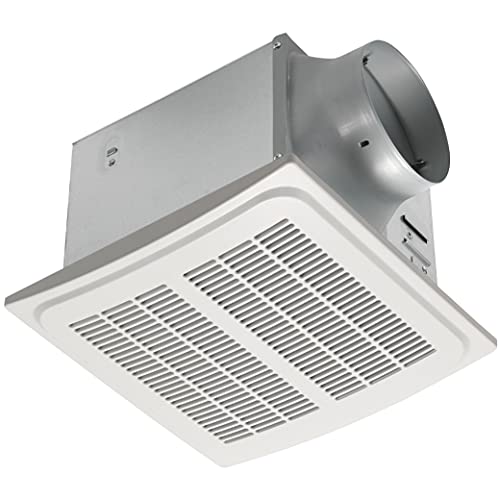
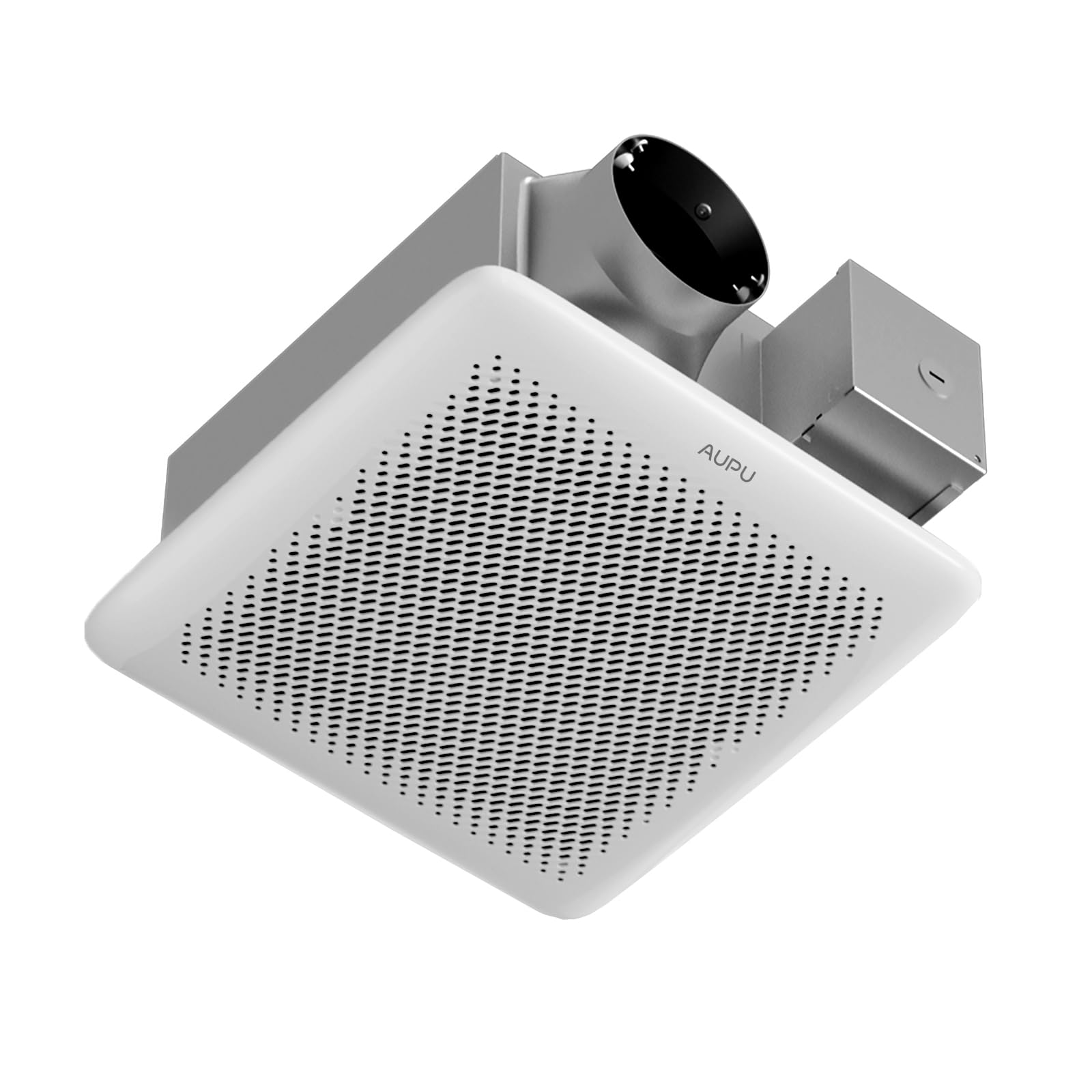

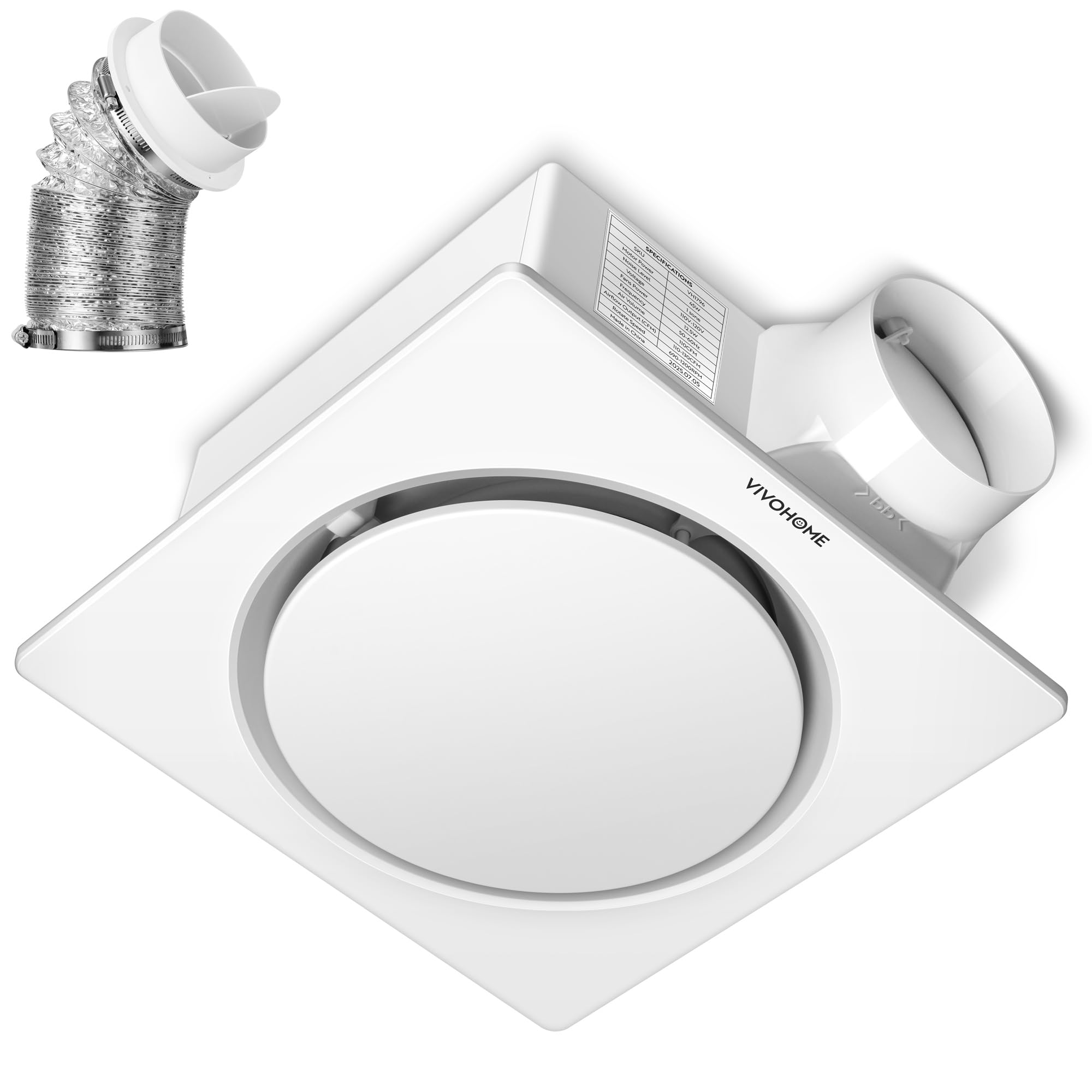
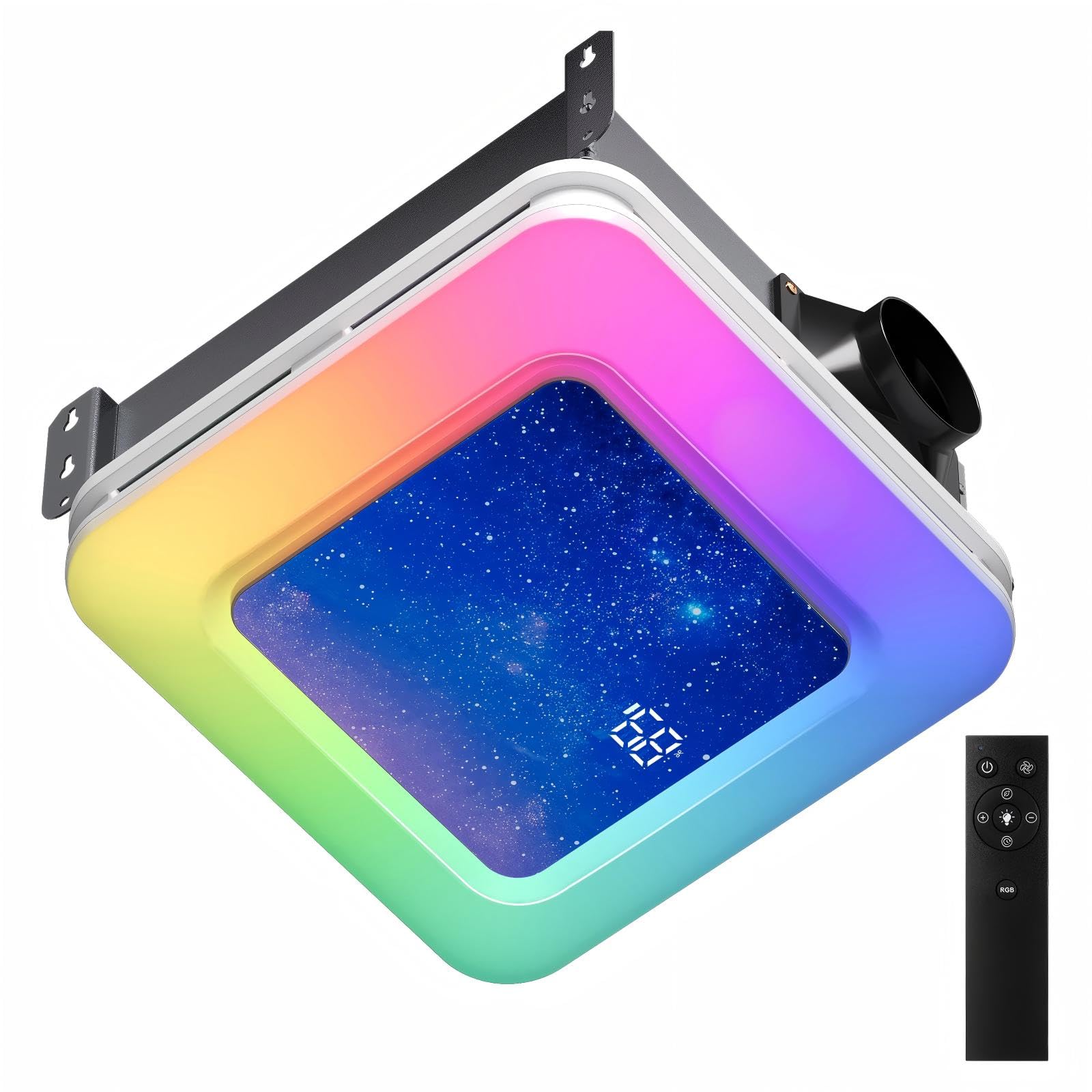

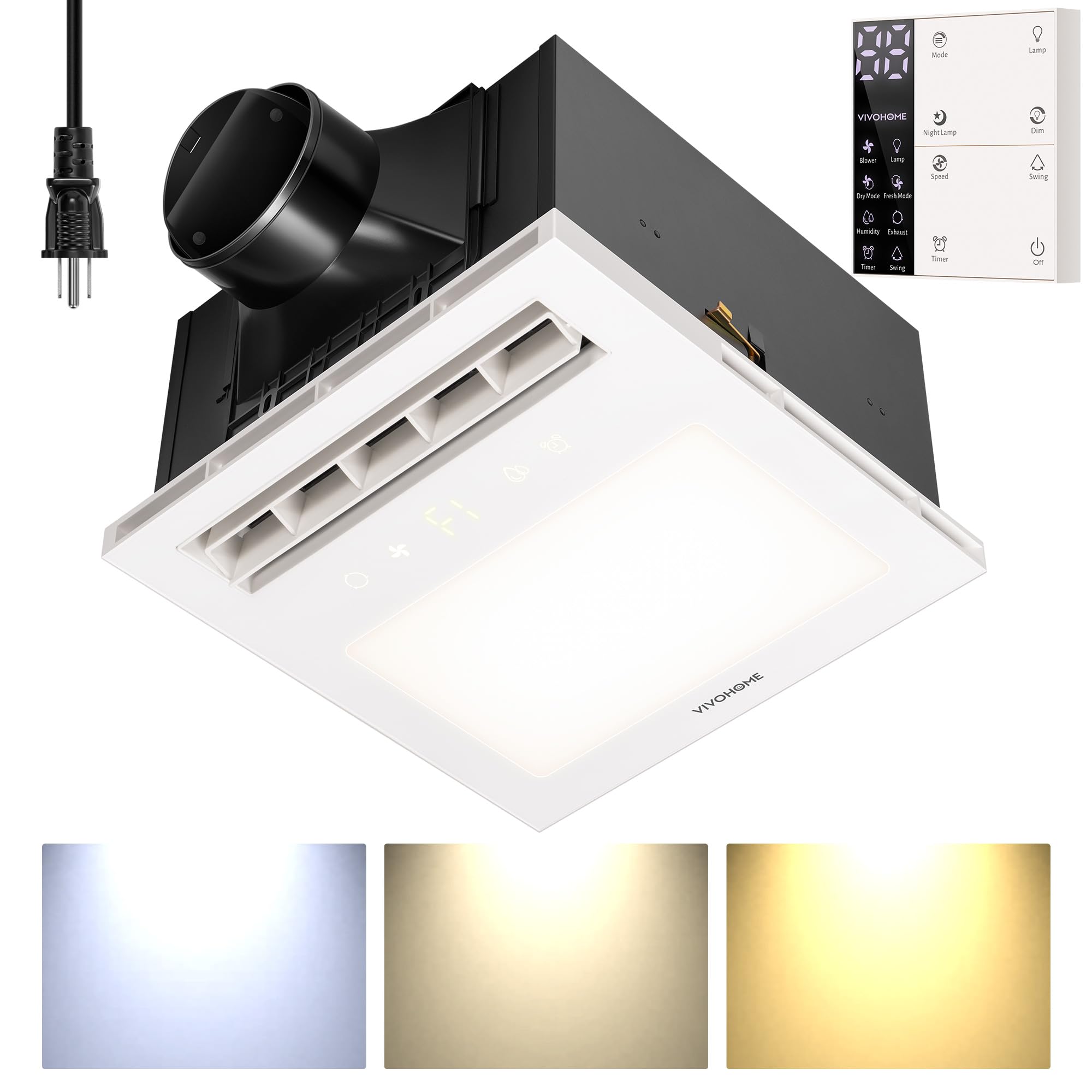
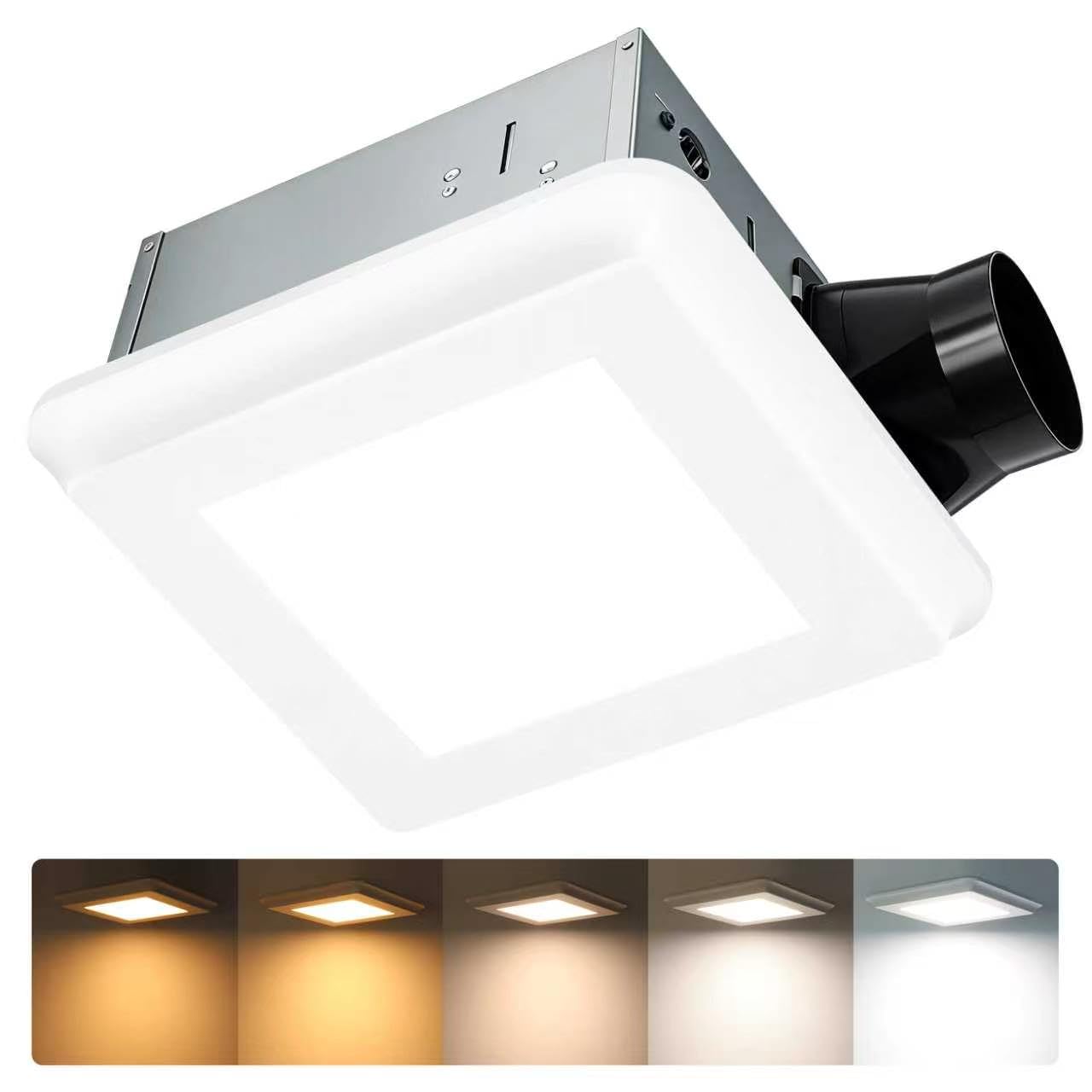
Main Types Compared at a Glance
Sensor fans fall into three broad types, and the right one depends more on your room and ceiling than on any single spec. All three use a sensor that reads relative humidity near the ceiling and runs the fan until that reading falls back to the level you set.
Standard Ceiling Sensor Fans for Most Bathrooms
This is the type most homes need. It mounts in the ceiling, vents through a duct to the outside, and covers small to midsize bathrooms with a tub or a shower. The sensor handles daily showers without any switch routine from you. Choose this type if your current fan already vents through the ceiling and you mainly want the same job done automatically, with a housing size close to the one you are replacing.
Sensor Fans With Built In Light for Darker Rooms
Some bathrooms have one ceiling opening and poor lighting over the shower or tub, and a combined unit puts the fan and the light in that single spot. The light and the fan can often run on separate switches, while the sensor still controls the fan on its own. If that layout fits your room, our guide to the best bathroom exhaust fan with light covers the lighting side in more depth. Check that the light output suits a shower area and that the lens resists moisture.
Stronger and Quieter Sensor Fans for Large Suites
Primary suites with a separate tub, a walk in shower, and a closed toilet area move more moist air than a compact bath, so they suit higher airflow models or remote inline fans. Inline designs place the motor in the attic space along the duct, which keeps sound in the bathroom itself very low. This type costs more and takes more installation work, but it is the better match when one fan must serve a large layout or when several showers happen back to back each morning.
How Your Options Were Evaluated
Each type above was judged on the same points you will use in the store. Installation and compatibility came first, covering housing size, duct size, and wiring needs. Build quality and finish came next, including housing material, grille fit, and how solid the damper feels. Features, certifications, and warranty length rounded out the comparison. The notes rely on maker specifications and on patterns in verified buyer feedback about noise, sensor response, and fit.
How to Choose the Right Bathroom Exhaust Fan
The steps below move from room size to budget, in the order that rules options out fastest.
Size and Airflow in CFM
Airflow is measured in CFM, or cubic feet per minute, and it must match the room. A common guide for bathrooms up to 100 square feet is about 1 CFM for each square foot of floor, so a 70 square foot room calls for a fan near 70 CFM. Common sizes run from 50 CFM for a small powder room up to 80 CFM, 110 CFM, and 150 CFM for larger spaces. For rooms over 100 square feet, add about 50 CFM for each tub, shower, and toilet instead. A fan that is too small leaves steam behind even if the sensor works perfectly.
Type and Placement
Ceiling mount is the standard choice because warm moist air rises, and most existing fans already sit there. Wall mount models suit rooms with no attic access above, and they vent straight through an exterior wall. Inline models, described in the suite section above, move the motor away from the room. Confirm that your chosen type can vent fully outdoors, since a fan that dumps moist air into an attic trades a bathroom moisture problem for a hidden one above the ceiling.
Sound Level in Sones
Sound is rated in sones, and lower is quieter. A rating near 0.3 sones is barely noticeable, around 1.0 sone sounds like a soft hum you can talk over, and ratings near 3.0 sones are clearly loud. That matters here because sensor fans run on their own schedule, even while you sleep nearby. If a quiet room is a priority, our guide to the best quiet bathroom exhaust fan explains sone ratings across standard models as well. A crushed or undersized duct can also make a quiet rated fan sound rough once installed.
Features Worth Paying For
The sensor itself is the core feature, and adjustability is what separates good units from frustrating ones. Look for a humidity setting you can change, often across a wide range of relative humidity, plus an adjustable run time so the fan can finish clearing the room after levels drop. A built in light or a soft night light helps in the combined type covered earlier. Heat is a different need altogether, and readers who want warm air after a shower should see our guide to the best bathroom exhaust fan with heater instead of expecting a sensor fan alone to warm the room. Bluetooth speakers and color changing lights add cost, and most buyers can skip them without losing moisture control.
Measurements and Compatibility With Your Setup
Measure before you order. Note the size of your current housing or ceiling cutout and the duct diameter, which is commonly 4 inches or 6 inches. A new housing larger than the old cutout means ceiling patching, while a smaller one may need a frame to cover gaps. Check your wiring too, because sensor models need constant power at the fan so the sensor can stay alert even when the wall switch is off. When the swap itself is your main concern, our guide on how to replace a bathroom exhaust fan walks through the removal and fitting steps in order.
Certifications and Safety Marks
Look for three marks on the box and the spec sheet. An Energy Star label means the fan meets federal efficiency guidance for airflow per watt. HVI certification means an independent body verified the stated airflow and sone ratings, so numbers on different brands can be compared fairly. A UL or ETL listing means the unit passed electrical safety checks, and models rated for use over a tub or shower must connect to a GFCI protected circuit. Treat any fan with no verified airflow rating as a guess, no matter how strong the box claims it feels.
Budget, Installation Cost, and Doing It Yourself
Straightforward swaps, where the new housing matches the old opening and the duct and wiring stay in place, suit a confident homeowner with basic tools and the power off at the breaker. New duct runs, added sensor wiring, or ceiling work point toward hiring an electrician or a remodeler. Fan prices alone run from under $100 for basic sensor models to about $100 to $200 for quieter midrange units, with premium inline or combined units reaching about $200 to $300. Professional labor often adds a similar amount again, and our breakdown of bathroom exhaust fan installation cost shows how that figure changes by region and job scope. Paying more mainly buys lower sound, stronger verified airflow, and a wider range of sensor settings.
Do You Really Need a Humidity Sensor?
For a bathroom with a shower or tub that sees daily use, the honest answer is usually yes. The most common cause of peeling paint, tired grout, and spots on ceilings is not a weak fan but a fan that nobody leaves running long enough after bathing. A sensor removes that human step. It starts during the shower, when steam builds fastest, and it keeps working after you leave the room, which is exactly when a manual fan tends to get switched off too soon.
Households with kids, guests, or renters gain the most, because you cannot rely on every person to follow a switch routine. Windowless bathrooms gain as well, since the fan is their only path for moist air. You can reasonably skip the sensor in a powder room with no bathing, where a simple fan covers the small load. A timer switch costs less, but it runs on a fixed schedule and cannot extend itself after an extra long shower.
FAQ
What is the best bathroom exhaust fan with humidity sensor?
There is no single winner for every room, because the right choice follows your bathroom size, duct, and sound tolerance. For most full bathrooms, a ceiling sensor fan with verified airflow near the room square footage, a rating at or below 1.0 sone, and an adjustable humidity setting covers the need well. Larger suites do better with stronger or inline types. Use the product table above to compare types against those three points first.
Is a bathroom exhaust fan with humidity sensor worth it?
Yes, in a bathroom used for daily showers, because the sensor fixes the most common failure point, which is the fan being switched off too early or never switched on. The added cost over a standard fan is modest compared with repainting, regrouting, or repairing moisture damage later. It is less worthwhile in a powder room with no tub or shower, where humidity rarely rises enough to trigger it.
How long does a bathroom exhaust fan last?
Most quality fans last about 10 years or more in normal home use, and the motor often outlasts the grille and the sensor. Warning signs that a unit is near the end include rattling, a grinding sound at startup, and a fan that runs but leaves the mirror fogged far longer than it once did. Dust buildup can mimic those signs, so clean the grille and housing first before you assume the motor has failed.
Is a bathroom exhaust fan worth it in a room with a window?
Yes, in most climates, because a window only helps when someone opens it and when outdoor air is dry enough to accept moisture. In cold or humid weather an open window may add as much moisture as it removes, and few people open one during a winter shower. A fan gives steady, controlled venting in every season, while a window is backup only.
How do you clean a bathroom exhaust fan?
Turn the power off at the breaker, pull the grille down, and wash it with warm soapy water. Vacuum dust from the housing and the blower wheel with a brush attachment, and wipe the sensor lens gently with a dry cloth, since a dusty sensor can read the room poorly and run at odd times. Clean the grille about twice a year, and check that the outside vent flap opens freely while you are at it.
What is the most reliable bathroom exhaust fan brand?
No single brand earns that title for every install, and reliability depends as much on correct sizing and venting as on the maker. Better signals are HVI verified ratings, a warranty of several years on the motor, a metal housing that resists rust, and ready access to replacement motors and sensors.
Final Thoughts
Start with your room size, confirm your duct and cutout, and then choose the type that fits both. For most homes that means a ceiling sensor model with verified airflow, low sones, and settings you can adjust, and the product table above pulls those points together for a quick final check. Pick the best bathroom exhaust fan with humidity sensor for the way your household actually showers, and the fan will quietly handle the routine that manual switches so often miss.