Best Bath Towels with Hanging Loops: The Buyer Checklist We Use for 2026
Disclosure: We may earn a commission when you buy through links on this page, at no extra cost to you. As an Amazon Associate I earn from qualifying purchases. Learn more

A practical checklist for choosing the best bath towels with hanging loops: loop strength, fabric, GSM, size and care.
A hanging loop is a small detail that changes how a towel works in a real bathroom. Instead of bunching on a hook or sliding off a rail, the towel hangs by its loop, spreads out, and dries faster. This guide gives you a simple checklist for judging loops, fabric, and size, and it points you to the product table for a side by side look at the main towel types.
The best bath towels with hanging loops combine a strong, well placed loop with a towel you already like. A sturdy loop on a thin, scratchy towel is no bargain, and a lovely towel with a weak loop will frustrate you every morning. Use the checklist below to judge both parts together before you buy.



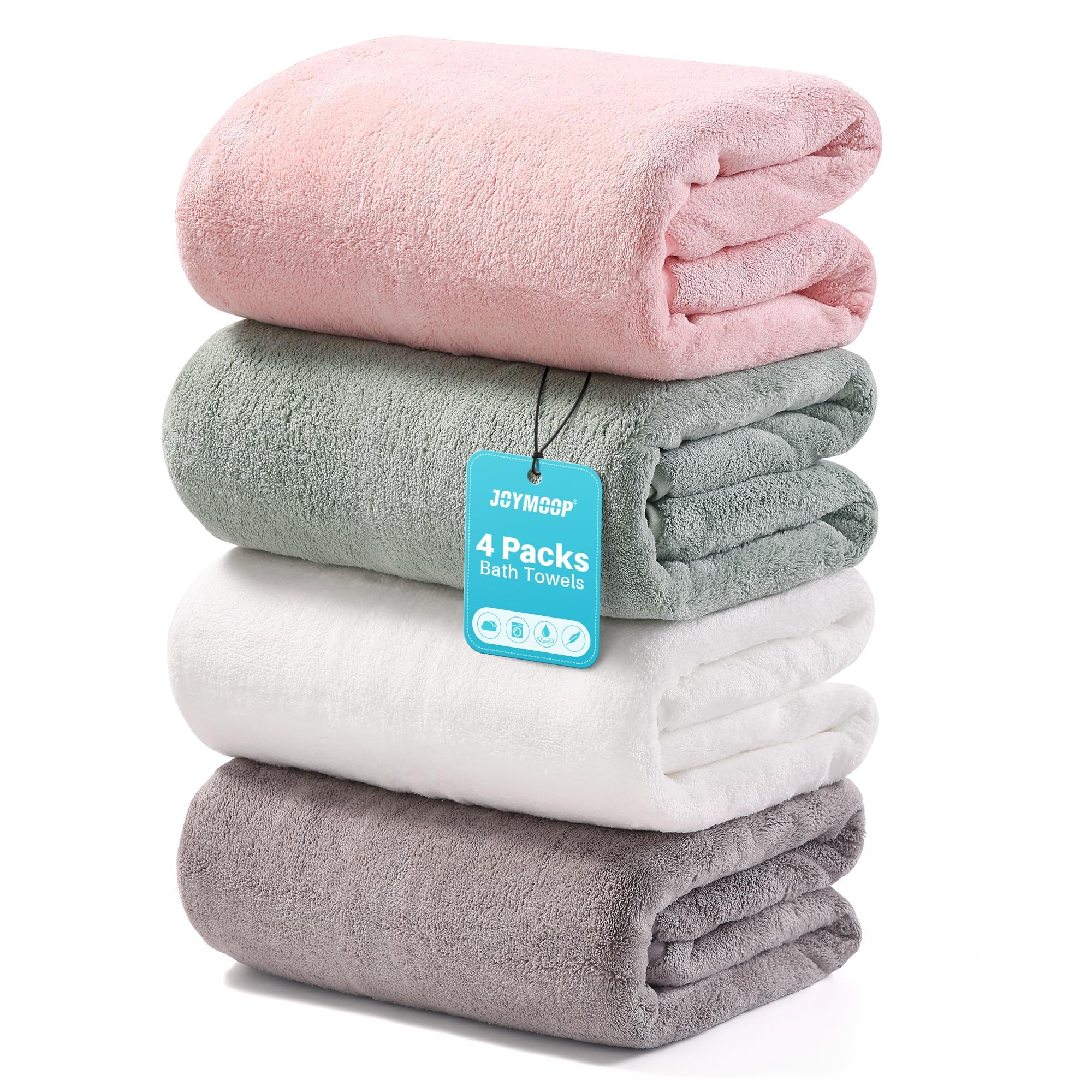

Key Features of the Best Bath Towels with Hanging Loops
Use these features as a checklist when you compare towels. Each one has a clear good sign and a clear warning sign, so you can spot a well made towel without relying on marketing words. Work through the list in order, and give the loop itself as much attention as the fabric.
Why Choose a Bath Towel With Hanging Loops
A hanging loop helps a towel dry faster because the towel hangs open instead of folded in a bunch. That matters in a small bathroom or a shared bathroom where rail space is short. A loop also keeps the towel off the floor and off a damp counter, which helps it stay fresher.
The trade off is that a loop adds a stress point, so a poorly stitched loop can tear. Look for a loop that is part of the towel edge, not just tacked on with a few stitches.
Material and Construction
Material decides how the towel absorbs and how it feels. Turkish cotton and Egyptian cotton both use long fibers that make a smooth, absorbent towel with less shedding. A dense terry weave with even loops absorbs well and holds up in the wash.
Check that the loop fabric matches the towel fabric, since a thin ribbon loop on a heavy towel is more likely to fail. Edges should be stitched firmly, and the loop base should sit inside a reinforced seam.
Comfort and Feel
Comfort comes from weight, softness, and how the towel drapes. Everyday towels often fall between 300 and 500 GSM, plush towels between 500 and 700 GSM, and very heavy towels above 700 GSM. A medium weight towel usually offers the best balance for a loop towel, since a very heavy towel puts more strain on the loop and takes longer to dry. Run your hand across the surface and look for an even pile with no rough patches or thin spots.
Style and Color Options
Style choices for loop towels are the same as for plain towels, with one extra check: make sure the loop looks tidy and matches the towel. A loop in a contrasting color can look playful in a kids bathroom but messy in a calm, neutral bathroom. Solid colors are the easiest to match across a set, and white towels can be washed hot. If you buy several towels, choose one color family so the loops and hems look consistent on the rail.
Certifications
OEKO TEX certification means the finished fabric was screened for harmful substances, which is reassuring for a towel used against skin every day. Some listings also mention WaterSense, but that program certifies water using fixtures such as taps and showerheads, not towels, so it should not sway a towel choice. Judge a towel by its fiber, GSM, and stitching first, and treat a genuine fabric certification as a useful bonus rather than a deciding factor.
Size and Fit
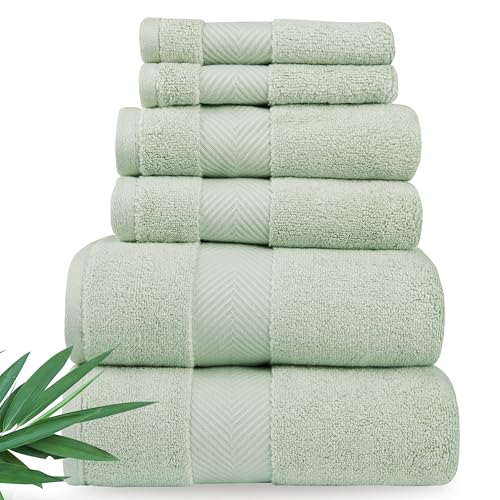
Size affects how well a loop works. A standard bath towel of about 27 by 52 inches hangs neatly from a single hook and dries well. A larger bath sheet of about 35 by 60 inches gives more coverage but weighs more when wet, which puts extra strain on the loop.
Measure your hooks and rails before you buy, and check that the loop opening fits your hooks. A loop that is too small will not hang properly, and a loop that is too large may slip off.
Spending Levels Explained
Price tiers for loop towels follow the same pattern as other towels: you pay more for denser cotton, tighter stitching, and a better finished loop. The tiers below describe what each level usually offers, so you can match your budget to your bathroom rather than chasing a label.
Everyday Value Level
Everyday value towels use standard cotton with a simple loop stitched into the hem. They absorb well enough for daily use and are easy to replace, which suits a busy family bathroom or a rental. Check that the loop is stitched through the hem rather than glued or tacked on, since that small detail decides whether the loop survives regular washing. Prices often sit at about $10 to $25 per towel.
Middle Range Comfort Level
Middle range towels usually use longer fiber cotton, a denser weave, and a reinforced loop. They feel softer, absorb more per pass, and hold their shape longer in the wash. This level suits a main bathroom where towels are used daily and washed often.
Look for a GSM in the middle to plush range and a loop made from the same fabric as the towel. Prices often sit at about $25 to $50 per towel.
Higher End Luxury Level
Higher end towels offer the densest weave, the softest hand feel, and the most careful loop finishing, often with a double stitched loop base. They suit a primary bathroom where you want a plush feel and you have room for towels to dry fully. The extra cost is hardest to justify in a damp bathroom, where a heavy towel may stay wet and strain its loop. Prices often sit at about $50 to $90 per towel.
Quick Buyer Checklist
- Is the loop stitched into a reinforced seam, not just tacked on?
- Does the loop opening fit your hooks and rails?
- Is the cotton long fiber, with even loops and no bare patches?
- Does the GSM suit your bathroom airflow and drying space?
- Is the size right for the person who will use it?
- Are the hems straight and firmly stitched?
- Can you wash the towel without fabric softener, as the maker directs?
- Does the color fit the rest of your bathroom set?
Red Flags to Watch For
Watch for vague details, such as a listing that calls a towel premium without stating fiber content or GSM. A loop made from thin ribbon on a heavy towel is another warning sign, since the loop is likely to tear under wet weight. Unusually low prices for a very thick towel can mean short fiber cotton that sheds and wears thin.
Missing care instructions, loose hems, and loops placed off center also suggest rushed finishing. If several reviews mention loops tearing early, treat that as a pattern, not a one off flaw.
For a broader view of towel types, compare loop towels with plain options in our guide to the best towels with hanging loops and our guide to the best quality bath towels, which cover similar cotton and GSM points. If plushness is your priority, our guide to the best luxury bath towels is useful, and for absorbency first, see our guide to the best absorbent bath towels. Material questions are covered in our guide to the best material for bath towels.
Care and Maintenance Tips
Wash new towels before first use to remove lint and improve absorbency, and skip fabric softener on towels since it coats fibers and reduces absorbency. Hang each towel by its loop with the fabric spread out, so air reaches both sides and the loop dries fully. Avoid yanking a wet towel off its hook by the loop, since repeated tugging weakens the stitching.
Check loops now and then, and restitch a loose loop early before it tears. A towel care routine like this keeps both the towel and its loop in good shape for years.
Frequently Asked Questions
How often should I replace bath towels with hanging loops?
You should replace bath towels with hanging loops when the towel stops absorbing well or the loop itself weakens, frays, or tears. For most households that point arrives after about two to three years of regular use, though guest towels last longer. A loop that pulls away from the seam is a clear replacement sign, since restitching a torn loop rarely holds as well as the original seam. Keep a worn towel for cleaning and replace the set so sizes and colors stay matched.
Are luxury bath towels with hanging loops worth it?
Luxury bath towels with hanging loops are worth it when you want a denser, softer towel and your bathroom has room for it to dry fully. They usually combine longer fiber cotton with a reinforced loop, so both the towel and the loop last longer. They are less worth it in a small, damp bathroom, where a heavy towel may stay wet and strain its loop. A middle range towel often gives most of the comfort at a lower price, so weigh drying space before you spend more.
How do I keep bath towels with hanging loops fresh longer?
You keep bath towels with hanging loops fresh longer by hanging each towel open by its loop, washing in warm water, and skipping fabric softener. Airflow is the key, since a towel bunched on a hook stays damp and develops odor. Wash towels separately from items with zippers or hooks that can snag loops. Every few months, run a hot wash with a cup of white vinegar instead of detergent to clear buildup, then follow with a normal wash and full drying.
What GSM is best for bath towels with hanging loops?
A GSM between 400 and 600 suits most bath towels with hanging loops, since it balances absorbency, softness, and loop strain. Towels below 300 GSM feel light and dry fast but may feel thin. Towels above 700 GSM feel very plush yet weigh more when wet, which puts extra strain on the loop and slows drying.
If your bathroom has good airflow, you can go heavier. If it stays damp, stay near the middle of the range for the best balance.
Can I add a hanging loop to a bath towel that lacks one?
You can add a hanging loop to a bath towel that lacks one by sewing a fabric loop into a reinforced corner seam, but the result rarely matches a factory loop. A home sewn loop needs strong thread and several passes through the hem to hold wet weight, and it may look uneven. If you need loops on many towels, buying towels made with loops is simpler and more reliable. For a single favorite towel, a careful repair with matching fabric is a reasonable short term fix.
The Bottom Line
Judge the loop and the towel together. A reinforced loop, long fiber cotton, a GSM that suits your bathroom, and a size that fits your hooks will give you a towel that hangs well, dries well, and lasts. Check the product table once more against the checklist, and choose the towel that fits your bathroom and your laundry routine. The best bath towels with hanging loops are the ones that stay on the hook, dry fully between uses, and still feel good wash after wash.