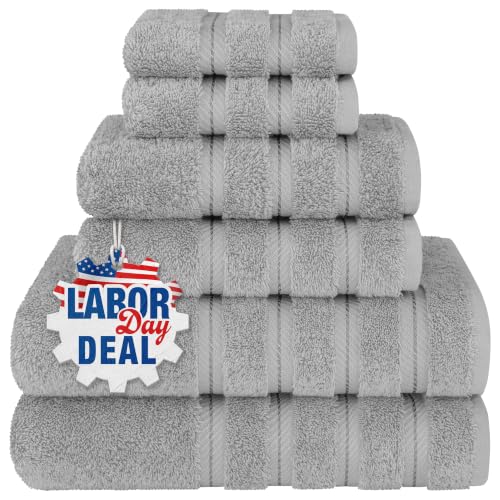
Best Absorbent Bath Towels Made Simple: A Clear Buying Guide for 2026
Disclosure: We may earn a commission when you buy through links on this page, at no extra cost to you. As an Amazon Associate I earn from qualifying purchases. Learn more

A clear first buyer guide to the best absorbent bath towels: fiber, weave and weight in plain English, plus the washing habits that keep towels drinking.
Buying towels sounds simple until you stand in front of a wall of folded cotton with no idea why one costs three times more than its neighbor. This guide keeps it plain: the best absorbent bath towels are not the fluffiest on the shelf or the heaviest in the stack, and once you know how fiber and weave work, the labels stop being mysterious.
We will start with what absorbency actually is, then walk through the few specs that matter, the mistakes first time buyers make and the first wash that sets a towel up for years of use. The product table shows the picks side by side, so keep it in mind as the terms in this guide appear.

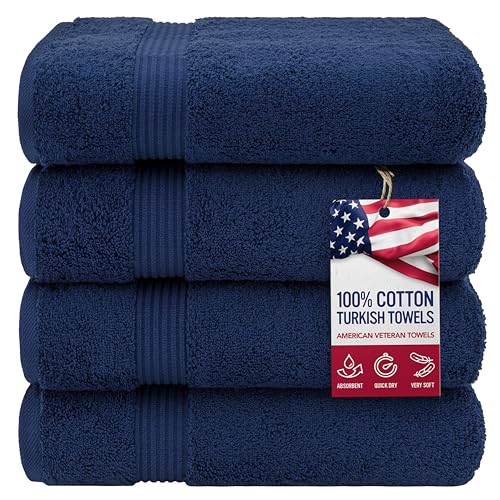
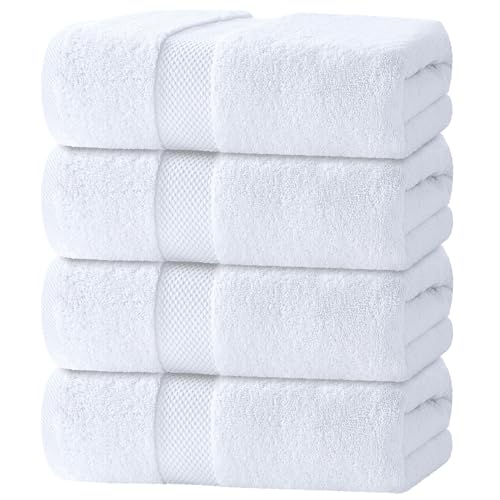
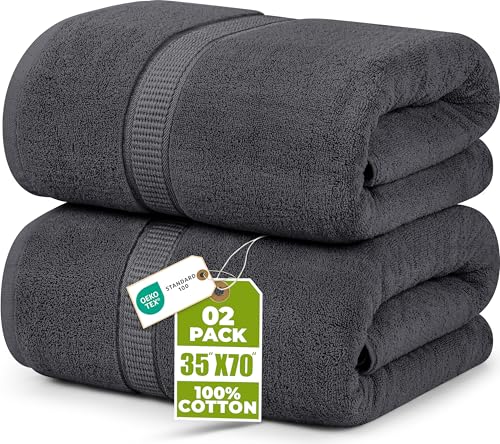
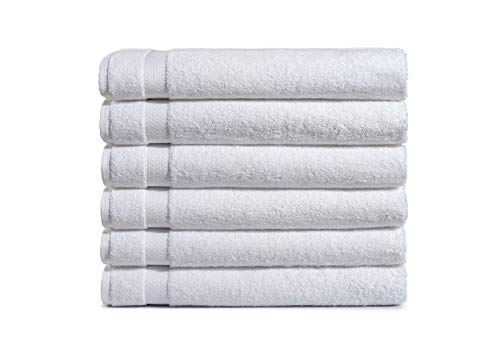


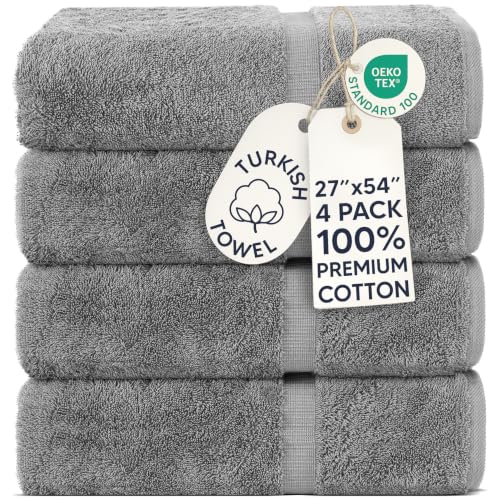
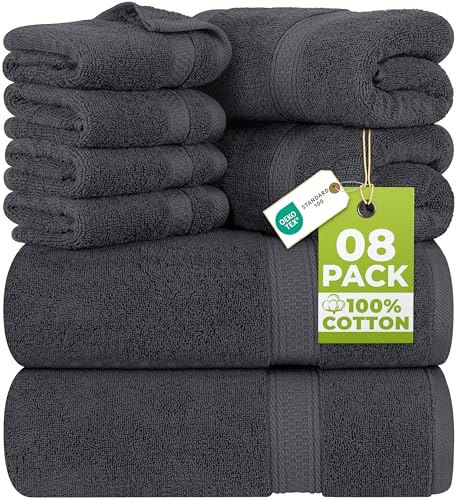


Best Absorbent Bath Towels 101: The Basics
An absorbent towel does one job: it pulls water off your skin and holds that water in its fibers instead of pushing it around. Cotton does this through tiny hollow fibers and through the loops of terry cloth, which multiply the surface area that touches water. The more working surface a towel offers, the faster it drinks, and that single idea explains nearly every spec on the label.
Two towels of the same size can behave very differently, because loft is not the same as absorbency. A very plush towel can feel luxurious yet skate across wet skin if its loops are long, loose and coated in softening finish from the factory. The best absorbent bath towels in this guide combine thirsty fiber, a dense loop structure and a finish that washes away to reveal the real surface underneath.
Key Specs Explained in Plain English
Material and Construction: Fiber Decides First
Fiber is the first box to check, because absorbency starts inside the cotton itself. Long staple cotton, sold under names such as Turkish or Egyptian cotton, spins into smoother, stronger yarn with more thirsty fiber in every loop, while standard short staple cotton works well at lower prices but pills sooner. If you want the classic all cotton choice, the best absorbent cotton bath towels category is the place to compare constructions, from ring spun yarn to low twist yarn that trades a little strength for softness.
Construction is the other half. Terry weave, with loops on both faces, is the absorbent standard; a woven or waffle face looks neat in a guest bathroom but holds far less water. Microfiber towels absorb impressively for their weight and suit travel or the gym, yet many people find the feel on skin less pleasant than cotton. Blends sit between the two, pairing cotton loops with a share of synthetic fiber for faster drying.
Thickness and Drying Time: The Thin Versus Thick Trade
Thickness cuts both ways, and this is the trade most first time buyers miss. A thick towel holds more water in a single pass, which feels generous after a shower, but it also holds that water afterwards, drying slowly on the rail and staying damp in a steamy or poorly ventilated bathroom. A towel that never fully dries between uses turns musty, and a musty towel gets replaced long before it wears out.
That is why the best thin absorbent bath towels earn their following in small bathrooms and humid climates: they dry fast, wash in smaller loads and still drink well because the fiber does the work. At the other end, the best thick absorbent bath towels suit a heated bathroom with room to air them. Travelers and anyone drying towels indoors often land on the best lightweight absorbent bath towels, which split the difference. Match the thickness to your drying space, not to the hotel look.
Weight Figures and What GSM Really Tells You
GSM means grams per square meter, and it is simply how much a towel weighs for its size. As a rough map, about 300 to 500 GSM covers lighter, quicker drying towels, about 500 to 700 GSM is the middle ground most households live in, and about 700 to 900 GSM is heavy, slow drying territory. Treat GSM as a class figure that describes weight, never as an absorbency promise, because it says nothing about the fiber inside the yarn.
Two towels at the same GSM can drink very differently. One packs its weight into long staple cotton loops, the other into short fiber bulk with a soft factory finish, and the first will out absorb and outlast the second by years. Use GSM to predict drying time and laundry load, then judge absorbency by fiber, weave and how the towel is finished.
Sizes: Bath Towel Versus Bath Sheet
Size is the last plain spec worth knowing. A standard bath towel is roughly 27 by 54 inches, enough to wrap most adults with a modest overlap, while a bath sheet runs larger, around 35 by 70 inches, and wraps fully with length to spare.
The bigger sheet holds more water across a single use and feels generous, but it also takes more rail space and more laundry room. Neither size absorbs better per square inch, because that is fiber and weave again, so choose size for coverage and drying space rather than for thirst.
Certifications in Plain English
Labels help, as long as you read them for what they actually cover. OEKO TEX certification means the finished textile has been checked for substances known to irritate skin, which is a sensible comfort for something pressed against your whole body, but it says nothing at all about how well the towel absorbs. Treat it as a skin contact label, useful and worth having, filed away from performance.
Other labels you will see near towels belong to different products. WaterSense, for example, rates showerheads and faucets for water use and has nothing to do with fabric, so ignore it on a towel listing. The honest rule is simple: a certification only counts for the thing it covers, and no label replaces checking the fiber and weave yourself.
Comfort and Feel: Soft Is Not the Same as Thirsty
Feel matters, because a towel you dislike using will be replaced whatever its specs say. The best soft and absorbent bath towels manage both by pairing long fibers with a balanced loop height, so the surface feels kind without skating over water. Judge feel after washing, not in the store: factory softeners make almost every towel feel silky on the shelf, and that coating is exactly what the first washes are meant to remove.
Rookie Mistakes to Avoid
- Judging by shelf softness. The silky feel in the store is usually a coating that blocks absorbency until it washes out, so the softest towel on display can be the worst drinker at home.
- Using fabric softener from day one. Softener coats the fibers and cuts absorbency a little more with every wash, quietly undoing the quality you paid for.
- Buying single towels instead of a set. One towel per person means daily washing and no rotation, so the towel ages fast and never fully dries between uses.
- Chasing the highest GSM for a humid bathroom. A heavy towel that stays damp smells musty within weeks, whatever its fiber quality.
- Skipping the first wash. New towels carry lint and factory finish, so using one straight from the packet guarantees a disappointing first week.
Getting Started: Setup and First Use
Wash new towels before the first use, on their own or with similar colors, in warm water with a normal dose of detergent. Expect loose lint in the first few washes, because new terry sheds surface fibers as the loops settle; this is normal for cotton and fades quickly. The wash also strips the factory finish, so the towel you judge after washing is the towel you actually bought.
Skip fabric softener on towels entirely, and skip dryer sheets as well. Softener works by coating fibers, and coated fibers repel the water you want them to drink, which is why a towel can feel softer each month while drying you worse. If towels already feel coated, a wash cycle or two without softener usually restores the surface. Between uses, hang each towel fully open over a rail so air reaches both faces, since a towel bunched on a hook stays damp at the fold.
Finally, buy for rotation from the start. A working set means at least two, ideally three, bath towels per person, so one is in use, one is drying properly and one is clean in reserve. Rotation is the quiet secret behind towels that stay fresh for years, and it costs less than replacing a single overworked premium towel again and again.
Absorbent Bath Towels: Your Questions Answered
Are luxury bath towels worth the extra money?
Luxury towels are worth it when the premium buys fiber, not fragrance or packaging. Higher prices, often about $60 to $120 for a set, should mean long staple cotton, careful finishing and loops that keep their spring after years of washing. What the money does not buy is a shortcut around care: a luxury towel ruined by softener absorbs no better than a cheap one, so judge the fiber content first and the brand story last.
What GSM is best for absorbent bath towels?
The best GSM is the one your bathroom can dry, which for most homes lands around 500 to 700. Below that range towels feel thin to some users even when the fiber drinks well, and above it drying time and laundry loads climb steeply. Rather than chasing a number, hold GSM next to your rail space and climate: a middle weight towel that dries fully every day beats a heavy towel that stays damp, every single week.
How do I keep absorbent bath towels fresh for longer?
Airflow is what keeps towels fresh, so spread each towel wide on its rail after every use and let it dry completely before the next shower. Wash towels after about three uses, in hot enough water for your detergent to work, and dry them fully before folding, because folding in hidden damp is how musty smells start. A bathroom door left open or a fan running after showers quietly does more for freshness than any scented product.
How often should absorbent bath towels be replaced?
Replace a towel when it starts pushing water around instead of drinking it, which you can check in seconds after a shower. Other end of life signs are loops pulled flat or threadbare in the middle, edges fraying and a sour smell that survives a proper hot wash. With rotation and softener free washing, good cotton towels commonly serve for years, so judge by performance in your hands rather than by any calendar.
Final Thoughts
Three checks carry most of the decision. Fiber and weave decide absorbency, thickness must match the drying space your bathroom actually offers, and a rotating set protects the towels you buy. The picks in the product table give you a starting point, and if you remember that the best absorbent bath towels are the ones that drink well and dry fully in your own home, you will choose better than any label can choose for you.