Best Bath Towels That Don T Shed: Matching the Right Model to Your Routine in 2026
Disclosure: We may earn a commission when you buy through links on this page, at no extra cost to you. As an Amazon Associate I earn from qualifying purchases. Learn more
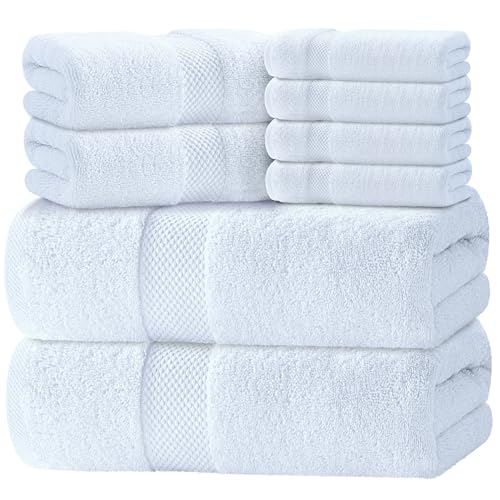
Low lint towels come down to fiber, weave and wash habits. Here is how to pick the best bath towels that don t shed for your routine.
There is no single best towel for every bathroom. A towel that feels perfect in a guest bath may leave lint across a dark floor for months, while a plain workhorse towel dries a family of five without complaint. If low lint is your priority, the best bath towels that don t shed are chosen by fiber and construction rather than by brand name, and the product table lays out the main options side by side.
Shedding comes mostly from short fibers working loose from the loops, so the fix starts with how the yarn is spun and woven. Your routine matters just as much: how often you wash, what you wash towels with, and how fast they dry all change which towel makes sense. This guide matches towel types to real routines first, then covers the features that keep lint down.

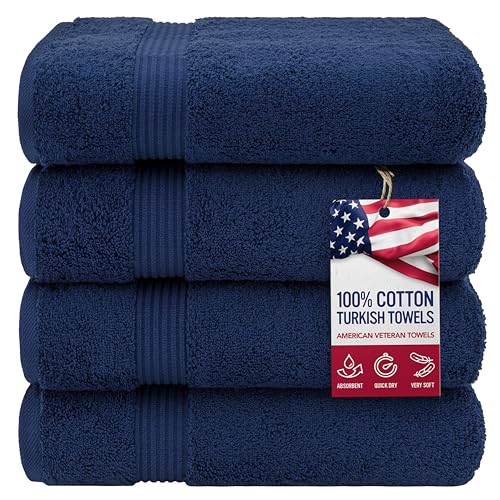
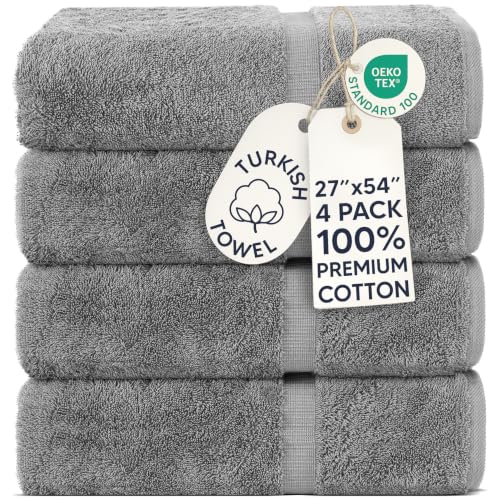
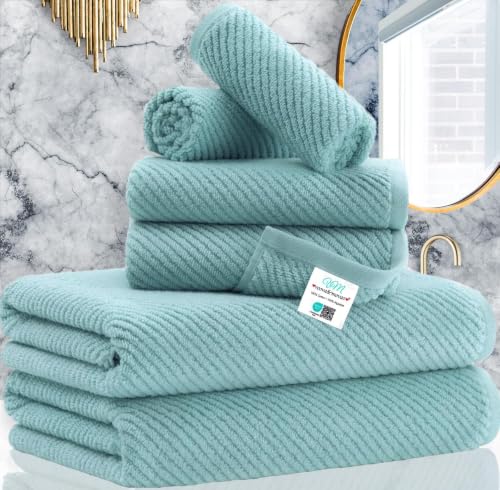
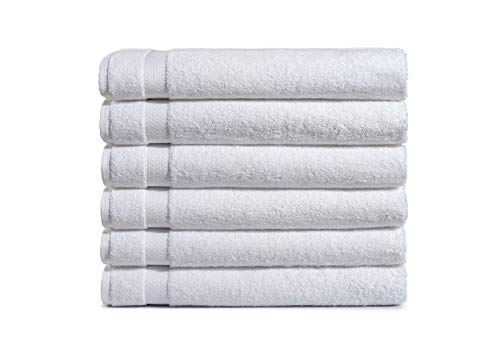


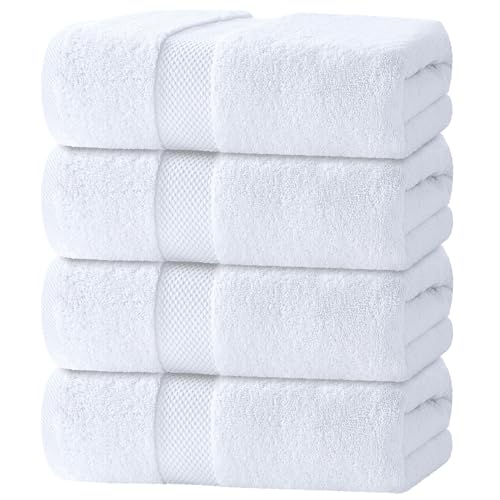
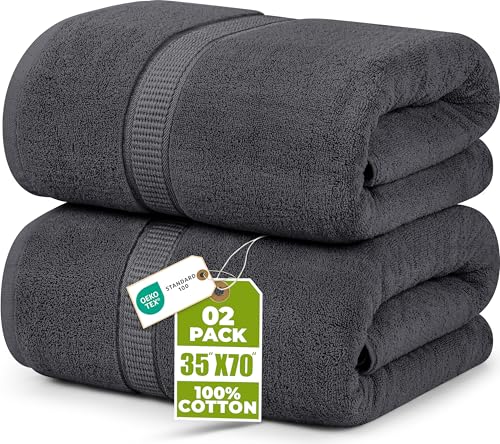
Best Bath Towels That Don t Shed: Who Should Buy Which?
For Value Seekers
Value here means low cost per year, not the lowest shelf price. Combed cotton towels at about 400 to 550 GSM with tightly twisted loops shed little once the first washes pass, and they commonly cost about $8 to $15 per towel. They dry at a reasonable speed, stand up to weekly washing, and come in sets that keep the price per towel down. For a busy household replacing towels on a budget, this is the sensible middle ground.
For First Time Buyers
Start small. Buy two towels, wash them three or four times, and check how much lint they leave on a dark shirt or the dryer filter before you commit to a full set. Choose simple features: combed long staple cotton, medium weight, and a mid tone color that hides both lint and fading while you learn your routine. This trial costs little and tells you more than any label claim about low shedding.
For People Who Want the Best Performance
Premium towels earn their price through fiber length and weave density. Long staple Turkish cotton with a dense, even weave sheds the least and absorbs the most, at about 600 to 800 GSM and roughly $20 to $40 per towel. The trade off is drying time: thick towels can take two dryer cycles or a long air dry. Choose this tier if you want a plush feel and minimal lint and you can give the towels time to dry fully.
Key Features to Compare
Material and Construction
Fiber length is the single biggest factor in shedding. Long staple cotton, including Turkish and Egyptian types, makes stronger yarn with fewer loose ends, while short staple cotton releases fibers for months. Combing removes the shortest fibers before spinning, and tightly twisted loop yarns hold together far better than soft zero twist yarns, which trade durability for plushness. Our guide to best towels that don t shed applies the same construction rules to hand and kitchen towels.
Absorbency and Weight
GSM, grams per square meter, describes how much cotton is packed into the towel. About 400 to 600 GSM covers most daily use, absorbing well and drying within a normal laundry cycle. Heavier towels up to about 800 GSM feel luxurious and absorb more per pass, but deep pile also traps loosened fibers and releases them slowly over many washes. For low lint with good absorbency, a dense weave at a moderate weight usually beats a very thick, loose weave.
Certifications and Labels
An OEKO TEX label means the finished towel was screened for substances harmful to skin, which is useful if you have sensitive skin or a baby at home. It says nothing about lint, though, and neither does an organic label, which covers how the cotton was grown. Treat front of pack claims like lint free with caution: every cotton towel releases some fiber in its early washes, and honest listings talk about low lint instead of none.
Style and Color Options
Color changes how visible shedding is. Light lint shows sharply on dark towels, and dark fibers stand out on white laundry washed in the same load. Mid tone colors hide both lint and early fading, which makes them forgiving for family bathrooms. Also check the decorative band near each end: tightly woven bands resist fraying, while loosely stitched edges are often where a towel starts to unravel and add to the lint problem.
Durability and Care
How you wash a towel decides much of its shedding life. Washing towels separately from clothing keeps lint from migrating onto garments, and skipping fabric softener matters because it coats the loops, cuts absorbency, and can loosen fibers over time. Tumble drying pulls released fiber into the lint filter where it belongs. Freshness is part of care too, and our guide to best bath towels that don t smell covers odor control in depth.
Common Mistakes to Avoid
- Judging a towel by store softness, because soft finishes wash out within weeks and the loose loops under them shed heavily.
- Choosing zero twist towels for a plush feel when low lint is the goal, since untwisted yarn releases fibers the fastest.
- Washing brand new towels with clothing, because the first loads release the most lint and it lands on everything else in the drum.
- Using fabric softener or dryer sheets on towels, which coat the fibers, reduce absorbency, and make loops slip loose sooner.
- Buying a full matching set before trying one or two towels from the same line.
Tips to Get the Most From Your Bath Towels
- Wash towels on their own for the first three or four washes, while loose fiber output is at its peak.
- Shake each towel out before drying to open the loops and release loose fiber before it reaches your clothes.
- Clean the dryer lint filter partway through the cycle during the first few washes of a new set.
- Dry towels fully before folding them away, because trapped moisture is what makes towels smell stale; our guide to best towels that don t smell explains the routine in full.
- Rotate two sets if you can, so each towel rests a day between uses and wears more evenly.
Bath Towels: Your Questions Answered
Why do new bath towels shed so much lint?
Cutting and sewing leave thousands of short fiber ends sitting loose in the loops, and the first washes flush them out, so heavy lint early on is normal even for good towels. The amount should drop sharply after about five washes. If a towel still sheds heavily after ten or more washes, the yarn itself is likely made from short staple cotton, and no washing routine will fully fix that.
What GSM is best for bath towels that shed less?
A dense towel at about 500 to 650 GSM is a practical sweet spot, heavy enough for strong absorbency but not so deep in pile that fibers keep working loose for months. GSM alone does not decide shedding, though. Hold the towel up to the light: an even weave with no thin patches sheds less than a heavier towel with a loose, uneven weave at the same weight.
Are premium low lint bath towels worth the price?
They can be, if you keep them long enough. A towel at about $30 that stays absorbent and tidy for three years costs less per year than a $10 towel replaced annually because it thins and sheds. The math flips if your household is hard on towels or you like changing colors often. For most homes, one premium set for the main bathroom and value towels for guests balance cost and performance well.
How do I keep bath towels fresh for longer?
Hang each towel spread out on a wide bar after use rather than bunched on a hook, because airflow between the layers is what dries the pile fully. Wash towels about every three to four uses in warm water, and never leave damp towels sealed in a hamper or gym bag overnight. Storing only fully dry towels in the cabinet keeps the stale smell from setting into the fibers.
How often should I replace bath towels?
Most bath towels earn replacement after about two to three years of regular use, when absorbency fades, the loops flatten, and edges start to fray. Heavy shedding that returns after a quiet period is another sign the yarn is breaking down. Old towels still work well as cleaning rags or pet towels, so a fresh set for the bathroom does not mean the worn set goes straight to the trash.
Wrapping Up
Low shedding comes from three things working together: long staple fiber, a twisted and densely woven loop, and a wash routine that clears loose fibers early instead of coating them. Match the weight to your routine, value sets for busy households, denser towels where you can allow drying time, and the lint problem mostly takes care of itself. The best bath towels that don t shed for your home are among the picks in the product table, so compare fiber type and GSM there before you order.