Best Bath Mats for Elderly in 2026: Which Type Is Right for You?
Disclosure: We may earn a commission when you buy through links on this page, at no extra cost to you. As an Amazon Associate I earn from qualifying purchases. Learn more

Compare the best bath mats for elderly by type, backing, thickness, and drying speed, with safety notes on grip, edges, and easy care for senior bathrooms.
Stepping out of a bath or shower onto a cold, wet floor is awkward at any age, and it gets harder with stiff joints or unsteady balance. The best bath mats for elderly users give a dry, steady place to stand while toweling off and reaching for a robe. Types differ a lot in thickness, grip, and care, so the right pick depends on the person using it.
This guide compares four main types side by side, then covers backing, edge height, absorbency, and washing. The comparison table below puts the key differences in one place, so you can shortlist a style before reading the detail.
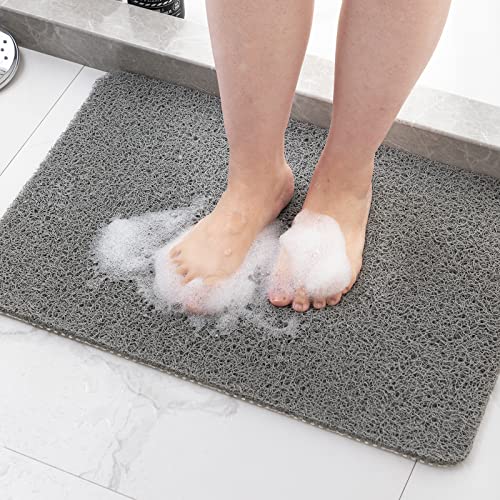

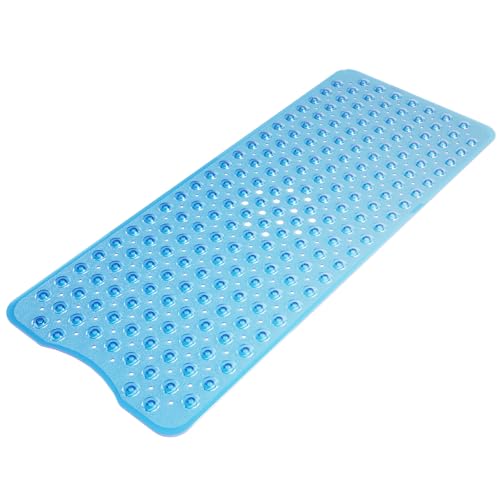


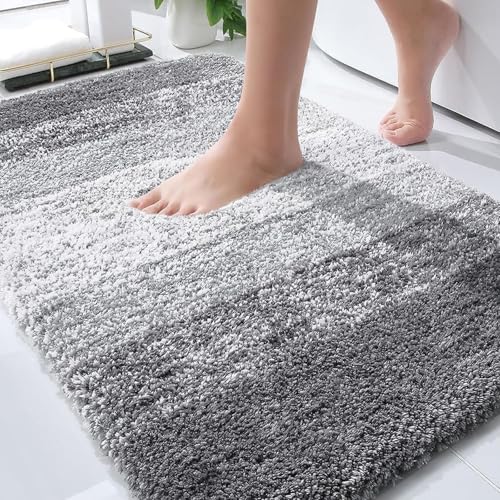


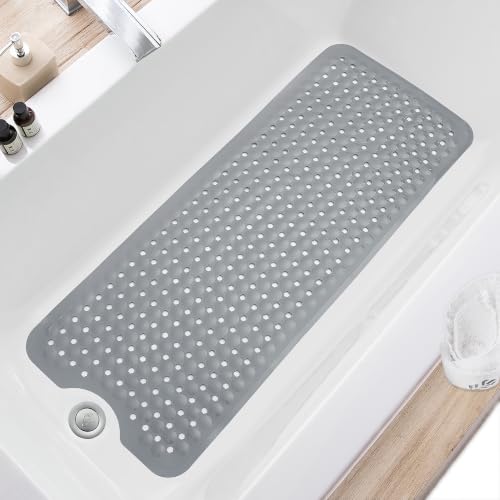

Types of Bath Mats for Elderly Users Compared
Every type below can work in a senior bathroom, but each trades comfort, stability, and upkeep differently. Read the type notes with your own balance and laundry habits in mind.
| Type | Best For | Pros | Cons | Typical Price |
|---|---|---|---|---|
| Memory foam | Cushioned comfort for sore feet | Soft thick padding, soaks up splashes well | Slow to dry, raised edge, can feel spongy underfoot | about $20 to $40 |
| Cotton with rubber backing | Everyday family bathrooms | Machine washable, lies flat, familiar feel | Backing cracks with age, needs full drying | about $15 to $35 |
| Chenille microfiber | Fast absorbency beside the tub | Drinks water quickly, many sizes and colors | Nubs flatten with age, backing quality varies | about $12 to $30 |
| Stone | Small bathrooms, quick drying | Dries in minutes, firm flat surface, easy to wipe | Hard and cold underfoot, can crack if dropped | about $30 to $60 |
Memory Foam Mats
A foam core gives these mats a soft, cushioned step that sore or sensitive feet often love. The pile on top soaks up splashes, and the mat feels warm compared with tile. The drawbacks matter for unsteady users: the thick pad has a raised edge and a spongy feel that can shift underfoot. Foam also dries slowly, so it needs airing between showers. It suits confident steppers who prize comfort most.
Cotton Mats with Rubber Backing
This is the classic flat mat: woven or looped cotton on top and a rubber layer beneath that grips smooth floors. It lies low, washes in a machine, and feels familiar to anyone who has used a bath mat for years. The rubber backing is the wear point, since it cracks and flakes as it ages and loses grip. For most elderly users who want simple care and a low profile, this type is the safe starting point.
Chenille and Microfiber Mats
Rows of soft nubs give chenille mats a large surface area, so they drink water off wet feet faster than flat cotton. They come in many sizes and colors and feel gentle on thin skin. Quality varies widely, though: cheap versions have thin backing that slides, and the nubs flatten after months of washing. Check that the backing covers the full underside, and dry the mat fully after each wash day.
Stone Mats
Stone mats are rigid slabs of compressed mineral that pull water off feet and dry within minutes, so there is nothing to launder. The surface is firm and completely flat, which some users find steadier than any padded mat. The trade offs are a hard, cold step and a slab that can crack if dropped on tile. They suit seniors who dislike laundry and have steady balance, but not those who need softness underfoot.
Memory Foam vs Cotton with Rubber Backing: Which Should You Choose?
On comfort, memory foam wins easily, with padding that eases sore feet and chilly floors. On stability feel, flat cotton wins, since it has no spongy give and its edge sits close to the floor. On drying, cotton can be hung up and washed clean, while foam must air dry slowly and cannot be wrung out. On price, the two overlap, though well made cotton usually outlasts budget foam. Choose foam for a steady user who wants cushioning, and choose flat cotton when balance is the main concern.
How to Choose the Best Bath Mats for Elderly Bathrooms
Size and Placement
Measure the side of the tub or the shower door swing first, then pick a mat that covers the full step out zone with a little room on each side. About 20 by 32 inches fits most tubs; longer runners suit wide shower doors. A mat that is too small leaves wet tile at the edges where feet land. If you also want a mat by the sink, coordinated best bath mat sets keep sizes matched across the room.
Backing and Edge Profile
A full rubber backing grips smooth tile and vinyl better than small dots or patches of grip material. Just as important is the edge: a low, tapered edge lets a foot slide onto the mat, while a tall, curled edge can catch a toe. Press the corners down before buying if you can, and avoid mats that arrive rolled and never flatten. Our guide to best non slip bath mats for elderly goes deeper on backing styles for senior bathrooms.
Absorbency and Drying Speed
A mat has two jobs: catch the water off your feet and then dry before the next shower. Cotton and chenille absorb the most, stone mats shed water fastest, and foam holds moisture longest inside its core. In a humid bathroom with no fan, a slow drying mat can smell musty within weeks. Hang fabric mats over the tub edge after use so air reaches both sides.
Material and Construction
Look for tight, even stitching, a backing bonded across the whole underside, and fibers that feel dense rather than sparse when you press them apart. Cotton loops give a classic feel, microfiber dries faster, and foam cores vary in firmness. The construction checks in our guide to best quality bath mats help you spot mats that will stay flat and grippy. Thin, shiny backing that cracks when folded is a warning sign.
What Seniors Should Look For
Beyond the basics, older users benefit from a mat that is light enough to lift with arthritic hands, a color that contrasts with the floor so weak eyes can see the edge, and care simple enough to keep up weekly. Be clear eyed about limits: no mat can prevent falls, and grip helps only when the mat is clean, dry underneath, and lying flat. If balance problems are growing, talk with a doctor or an occupational therapist about the whole bathroom setup, and never leave an unsteady person alone in the bath.
Care and Maintenance Tips
Wash fabric mats about once a week in warm water, and shake them out between washes to lift dust and hair. Hang every mat to dry fully after washing, since a damp mat left on the floor grows mildew and loses grip. Check rubber backing monthly for cracks or flaking, and wipe stone mats with a damp cloth, then stand them on edge to dry. Retire any mat that slides, curls at the corners, or smells sour after a wash.
Bath Mat Questions Answered
What makes bath mats for elderly users different from regular mats?
The differences are a lower edge, a backing that grips across the whole underside, and a weight light enough to lift for weekly washing. Many senior friendly mats also use colors that stand out against pale tile, which helps users with weak vision place their feet with confidence. Regular mats are often sold on softness or looks alone. A mat for an older user should be judged first on flatness, grip, and easy care.
Are memory foam bath mats a good choice for unsteady seniors?
Usually not, because thick foam can compress unevenly and feel like stepping onto a soft slope. A flat cotton mat with full rubber backing gives a steadier feel for someone whose balance is poor. If a foam mat is already in the home, try it while holding a fixed support and keep sessions supervised until you trust it. When in doubt, ask an occupational therapist to look at the setup.
How thick should a bath mat be for an older adult?
For fabric mats, a pile around half an inch or less keeps the step up small while still catching water. Very thick mats raise the foot higher off the floor and add a spongy layer that can unsettle weak ankles. Stone mats sit almost flush, which suits users who shuffle rather than step. Whatever the thickness, the edge should taper or lie flat so toes and walking aids do not catch on it.
How often should a bath mat be replaced?
Replace a fabric mat when the backing cracks or flakes, the corners curl up after washing, or a sour smell returns right after a clean wash. For most homes that means about every one to two years, sooner in a steamy bathroom with daily showers. Stone mats last longer but should be replaced if they crack or develop deep stains that will not sand out. A worn mat is a poor trade against a fall.
Can a bath mat go in the washing machine?
Cotton and chenille mats with rubber backing usually can, on a gentle warm cycle, as long as the care label allows it. Wash the mat alone so the backing is not twisted by heavy loads, and skip fabric softener, which leaves a film that weakens grip. Foam mats and stone mats should never go in a machine; wipe or air them instead. Always dry a washed mat fully before putting it back on the floor.
The Bottom Line
For most elderly users, a flat cotton or chenille mat with a full rubber backing, a low edge, and simple weekly washing is the soundest choice. Pick foam only for steady users who want cushion, and stone only where fast drying matters more than softness. The best bath mats for elderly households are the ones that stay flat, dry, and grippy week after week. Compare the picks in the product table, and for personal mobility questions, an occupational therapist can advise on your exact bathroom.