Best Bass Tower Speakers by Budget: Smart Picks for 2026
Disclosure: We may earn a commission when you buy through links on this page, at no extra cost to you. As an Amazon Associate I earn from qualifying purchases. Learn more

A budget first buying guide to the best bass tower speakers, with clear price tier guidance, driver and placement tips, and the extra costs to plan for.
Tower speakers can cost a few hundred dollars or several thousand, and the price gap does not always match the bass gap. A tall cabinet, a large woofer, and a bold spec sheet can still leave you with boomy, unclear low notes in your actual room. The best bass tower speakers for you are the ones whose drivers, cabinet, and power handling fit your room size and your listening distance, at a tier you can support with a suitable receiver or amplifier.
This guide works by budget first. You will see what each tier usually delivers, which features deserve your money, and which extras you can skip, so you can shortlist from the comparison table below with clear expectations.

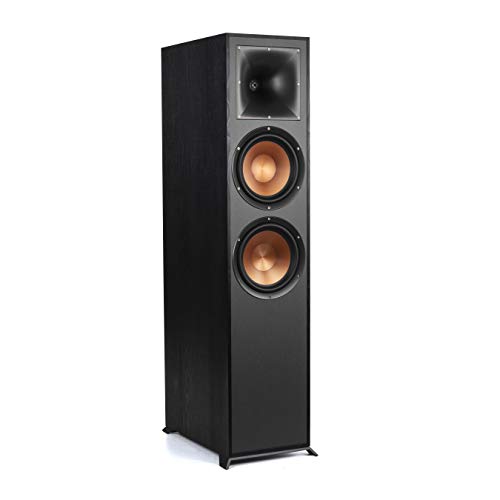


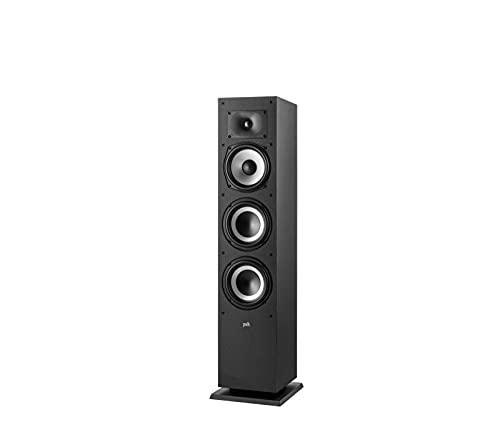


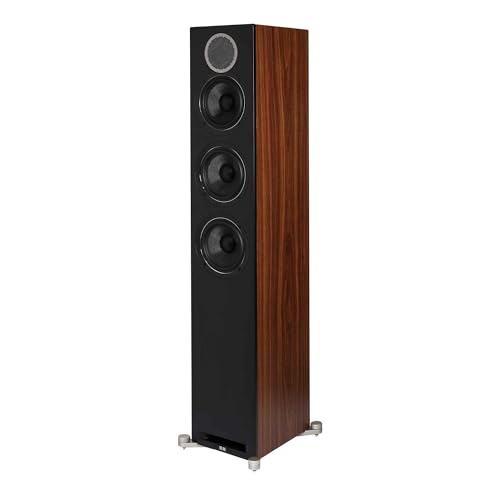
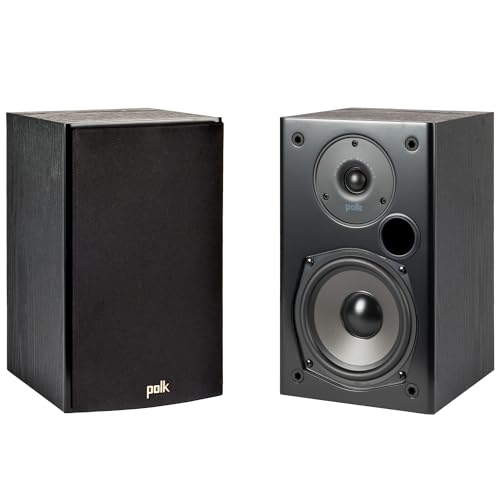
Choosing by Budget: Three Buyer Profiles
Instead of chasing a single winner, match yourself to one of these three profiles. Each profile describes the listener it suits, the strengths you should look for on the spec sheet, and the compromise you accept at that spend level.
Budget Profile
This profile suits a first tower setup in a small to medium room, or a listener who mostly watches films and plays music at moderate volume. Look for a cabinet with at least two woofers or one woofer of about 6.5 inches, plus a separate midrange driver so voices stay clear when bass rises. Sensitivity around 87 dB or higher helps a modest receiver reach satisfying volume without strain. The compromise is depth: expect useful bass to about 45 to 55 Hz rather than true subwoofer territory, and expect simpler cabinet finishes and fewer connection options.
Midrange Profile
This profile suits most buyers who listen daily and want bass they can feel during films without adding a separate subwoofer right away. Look for larger or multiple woofers, a sturdier cabinet with internal bracing, and a frequency response that reaches into the high 30s or low 40s in hertz. Ports tuned well and binding posts that accept thicker cable are small signs of care. The compromise is that you still share power with the rest of your system, so very large rooms may need a subwoofer later for the lowest effects.
Premium Profile
This profile suits a dedicated listening room, a large open plan space, or a listener who values control and texture in bass as much as depth. Look for three way designs with dedicated bass drivers, heavy braced cabinets, and wide, even dispersion so the sweet spot is not a single chair. Premium tiers often add better crossovers, which keep kick drums tight instead of smeared. The compromise is total system cost: these speakers ask for a stronger amplifier, careful placement, and enough floor space to breathe, so budget for the whole chain and not just the cabinets.
What Your Money Gets You at Each Price Tier
Price tiers in this category are wide, but the pattern is consistent. Spending more mainly buys lower extension, cleaner output at high volume, and cabinets that add less color of their own. Here is how the tiers usually break down on the United States market.
Budget Tier: What to Expect
Budget towers often sit around $150 to $400 per pair, though sales move prices a lot. You typically get two way designs, vinyl wrapped cabinets, and spring clip or basic binding post terminals. Bass can be lively and fun for pop, games, and films, but it may turn loose or boomy when you push volume or place the towers tight against a wall. For a bedroom, den, or first living room system, that trade is often fine, especially if your receiver offers basic bass and treble controls or room correction to tame peaks.
Midrange Tier: The Sweet Spot for Most Buyers
Midrange towers often run about $400 to $1,200 per pair. This is where driver quality, cabinet bracing, and crossover parts improve together, so bass gets both deeper and tidier. Many models add dual woofers, rear or front ports with better tuning, and finishes that look like real furniture. If you are also weighing a simpler two channel setup, our guide to the best tower speakers covers general tower buying in more depth. For most living rooms, this tier delivers the strongest value per dollar.
Premium Tier: When Spending More Pays Off
Premium towers often start around $1,200 per pair and climb well past $3,000. The gains are real but narrower: deeper extension without strain, lower distortion at high volume, and imaging that stays stable across the couch. You may also get heavier cabinets, outrigger feet, and better internal wiring. Spending more pays off when your room is large, your amplifier is up to the task, and you listen closely enough to hear texture in bass guitars and acoustic drums. If you mostly listen at low volume in a small room, much of this tier goes unused.
Features Worth Paying For, and Ones to Skip
Spec sheets for tower speakers mix meaningful numbers with marketing. Focus on the four areas below, and treat flashy extras with suspicion until the basics are strong.
Placement and Room Size
Placement shapes bass more than almost any spec. Towers need space behind them when the port faces the rear, often about 12 to 24 inches, so low notes do not swell against the wall. In a small room, a front ported or sealed design is easier to place near furniture. Match size to space: a compact tower in a small room usually sounds tighter than a huge tower squeezed into a corner. Before you buy, measure your space, mark the footprint with tape, and check that doors, vents, and walkways stay clear.
Cabinet Build and Finish
Most tower speakers are indoor products, so keep them away from steamy kitchens, bathrooms, and damp rooms. Durability means solid braced cabinets, secure grilles, and feet that keep the speaker stable around kids and pets. For outdoor use, choose speakers made for it, such as in our guide to the best bass wireless speakers.
Sound Quality and Tuning
Driver size, frequency response, and cabinet tuning decide whether bass feels deep, tight, or muddy. A response figure means little without a tolerance, so a claim of 35 Hz with a plus or minus 3 dB range tells you far more than a bare low number. Larger woofers move more air, but two smaller woofers in a well tuned cabinet can sound cleaner. If deep, focused low end is your main goal across formats, our guide to the best bass speakers explains how different speaker types approach it. Listen for tuning words like sealed, ported, and passive radiator, since each shapes how bass rolls off.
Passive or Powered Towers
Powered towers and towers with built in streaming add app control, EQ presets, and firmware updates, which help you trim a bass peak from your couch. Passive towers work with almost any receiver and age gracefully, but they give you no built in EQ beyond what the receiver offers. If you love to tweak, powered earns its cost; if you want set and forget simplicity, choose passive.
Long Term Costs to Factor In
The speakers are only part of the bill. A passive tower setup needs a receiver or amplifier with enough power, speaker cable of suitable gauge, and possibly banana plugs or spade connectors for a tidy install. Powered towers may need longer power cords or a surge protector with enough outlets. Add the cost of a subwoofer later if your room or taste demands deeper bass, and factor in stands or isolation pads if your floor transmits vibration to neighbors. Warranty length varies from about one year to five years or more, and longer coverage on drivers is worth noting. Electricity costs stay modest for most systems, but large amplifiers left on around the clock add up over a year.
FAQs
Do I need a subwoofer with tower speakers?
Not always. Towers with dual woofers reach into the high 30s or low 40s in hertz, which is enough for most music. Add a subwoofer later if you want the deepest film effects or if your room is large.
How much power do tower speakers need?
Match the receiver's output to the speaker's rated power range, and check sensitivity. A speaker rated at 87 dB or higher plays loudly from a modest receiver, while a lower sensitivity model needs a stronger amplifier.
Where should I place tower speakers?
Keep towers 12 to 24 inches from the rear wall when ports face the back, and angle them slightly toward your seat. Move them in small steps while a familiar bass heavy track plays.
Wired or wireless towers: which sounds better?
Wired passive towers sound more consistent and let you upgrade the amplifier later. Wireless powered towers win on convenience and fewer cables, and suit casual listening and films.
How long do tower speakers last?
Well made towers last ten to twenty years or more. Surrounds and port foam can age, but drivers are often replaceable. Keep them dry and avoid driving a small amplifier into distortion.
The Bottom Line
Start with your room and your budget tier, then check driver setup, honest frequency response, and placement needs before you fall for extras. Midrange towers give most listeners deep, tidy bass without overspending, while premium models reward large rooms and careful setups. Compare the product table above against those three checks, and the best bass tower speakers for your space should stand out clearly.