Best Bass Speakers under 500: Buyer Checklist for 2026
Disclosure: We may earn a commission when you buy through links on this page, at no extra cost to you. As an Amazon Associate I earn from qualifying purchases. Learn more

Use this buyer checklist for the best bass speakers under 500, covering sound tuning, app features, durability, battery life, and the red flags to avoid.
A budget of $500 opens the door to serious bass: larger drivers, weighty cabinets, and tuning that stays composed when the music gets loud. The best bass speakers under 500 are not found by chasing the longest spec sheet, though. They are found by checking the few things that actually decide low end performance.
This guide lays out a checklist to evaluate speakers in this range, criterion by criterion, with the thresholds that separate a strong buy from a dressed up one. Work through it with the comparison table below open, and score each candidate as you go.

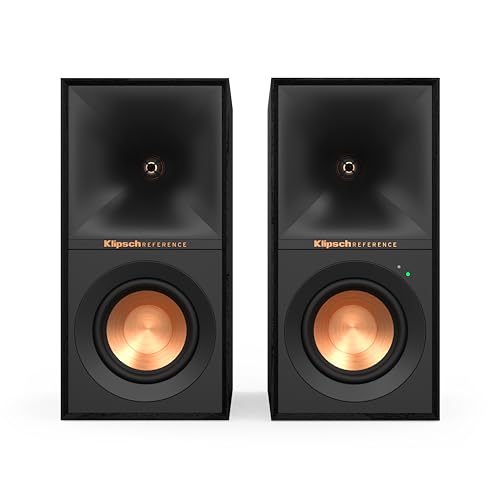

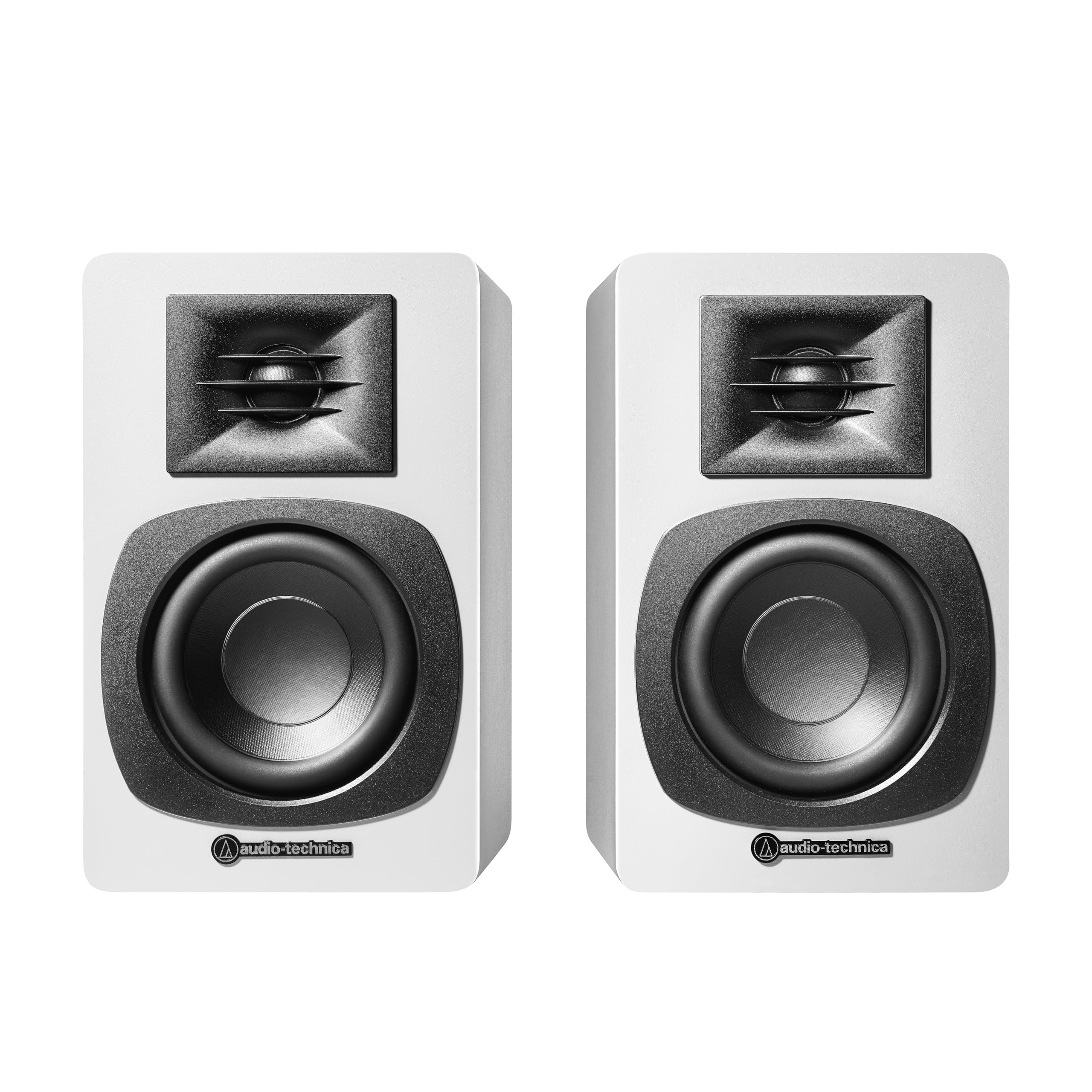

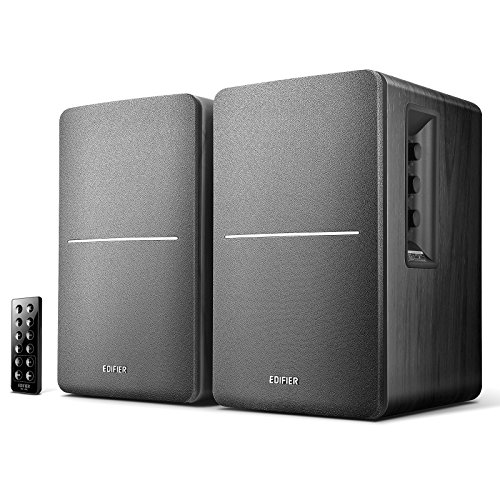
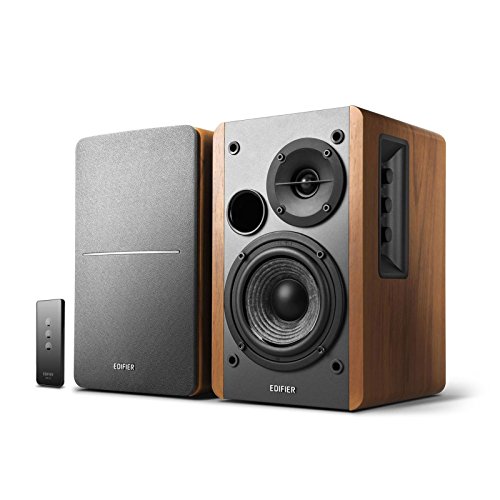


What to Check in Bass Speakers
What You Can Realistically Get Under $500
Under $500 you can realistically expect bass that reaches low enough to give music real foundation, output that fills a medium to large room, and build quality that lasts for years. Bookshelf pairs, floor standing bargains, powered monitors, and premium portables all compete here. What still gets cut at this level is the very lowest sub bass in a single box and exotic cabinet materials. If a listing promises studio reference quality, outdoor ruggedness, and cinema depth all at once around $150, something in that promise is inflated.
Sound Quality and Tuning
Sound quality is the first checklist item and the heaviest weighted. Look for a low frequency rating quoted with a tolerance, since an honest figure tells you the maker measured carefully. Driver size matters: woofers around 5 to 8 inches in this class move enough air for convincing bass without strain. Tuning should favor control over boom, because a speaker that emphasizes impact for one demo track will fatigue you across an album. Adjustable EQ or bass controls earn bonus points for taming room corners.
Ecosystem and App Features
App features separate modern speakers from older designs at this price. A good app gives you EQ adjustment, firmware updates, stereo pairing, and input switching without hunting for a remote. Multipoint Bluetooth lets a phone and a laptop share one speaker cleanly. Check the app store rating and recent update history before you buy, since an abandoned app slowly strands features as phones evolve. Ecosystem lock in is the trade off: speakers that pair only within one brand family limit your future mixing.
Durability and Water Resistance (IP Rating)
Durability checks depend on the speaker type. For home models, cabinet density, grille quality, and connector solidity predict longevity better than any rating. For portable and outdoor models in this range, IP67 is the benchmark worth seeking, meaning full dust resistance and survival of a short dunk. Confirm that the stated rating covers the whole unit and that port covers seal firmly. A long warranty, two years or more, is itself a durability signal at this price.
Battery Life and Charging
For the portable models in this range, battery life should clear about 15 to 20 hours at moderate volume, with fast charging over USB C that restores hours of play from a short plug in. Home speakers skip batteries entirely and draw steady mains power, which is one less aging part to manage. Either way, check replacement and service options before you buy. A premium portable whose battery cannot be serviced has a built in expiry date that should factor into its value.
Three Paths That Pass the Checklist
Path One: Powered Speakers With Real Woofers
The path that passes the most checklist items for most rooms is a powered speaker set with woofers around 5 to 6.5 inches, honest ratings, and app or remote EQ, often around $300 to $500. You skip a separate amplifier, gain tidy cabling, and get tuning tools that help in real rooms. This path suits a main living space used for music and TV. Its limit is upgrade flexibility, since the amplifier is built in and cannot be swapped later.
Path Two: Passive Speakers Plus a Modest Amplifier
Strong value hides in passive speakers around $200 to $350 paired with a compact amplifier around $80 to $150. Separating the boxes means each part does one job well, and you can upgrade either piece later. Bass quality at this combined spend often beats similarly priced powered sets, because speaker makers compete fiercely in this bracket. The trade off is more cables and shelf space. If you enjoy building a system piece by piece, this is your path.
Path Three: Rugged or Studio Grade Builds
For heavy use, whether that means a busy household, a workshop, or daily transport, prioritize build: metal grilles, dense cabinets, sealed outdoor rated designs for portables, or studio monitors built for long sessions at a desk. Expect to pay around $350 to $500 for this sturdiness with sound to match. These models score lower on smart extras and higher on everything structural. If your last speaker died from a knock, a spill, or a worn battery, this path fixes the actual problem.
Quick Buyer Checklist
- Is the low frequency rating published with a tolerance you can trust?
- Are the woofers large enough, around 5 inches or more, for your room size?
- Does the cabinet feel dense and quiet when you knock on its side?
- Can you adjust bass or EQ to suit a corner or near wall placement?
- Is the app, if any, recently updated with a healthy store rating?
- Does the warranty run at least two years with reachable support?
- For portables, does battery life clear about 15 hours with fast charging?
- Do the connections match your sources, from TV to turntable to phone?
Red Flags to Watch For
Be wary of watt figures with no driver sizes or frequency tolerance beside them, since serious makers publish all three. Bass extension claims that defy the cabinet size are another warning: small boxes cannot reach the lowest notes at useful volume, whatever the listing says. Short warranties under a year at this price, apps untouched for years, and comment sections full of near identical praise all suggest corners cut where you cannot see them. Finally, note any model with no bass adjustment at all, because few rooms are neutral enough to forgive that.
Setup and Care Tips
Keep firmware updated through the maker app, since updates often improve pairing stability and EQ behavior. Place speakers on solid stands or a dense surface, a short distance from the wall, and experiment in small steps: moving a speaker even a few inches changes the bass balance in most rooms. Store a portable in a case to protect its drivers, and wipe grilles with a dry cloth rather than household sprays. For home models exploring a bigger system later, our guide to the best bookshelf speakers under 500 is a natural companion read, as is our guide to the best speakers under 500.
FAQs
Can you get a good bass speaker under $500?
Yes, and this is the budget where bass turns genuinely authoritative for home listening. Woofers get larger, cabinets get stiffer, and tuning stays composed at real volume. Judge candidates with the checklist above rather than by price alone, because a well chosen setup around $300 can outplay a flashy one at $500. The step up from under $200 is the largest quality jump most listeners will ever hear.
Wired or wireless: which sounds better?
Wired holds a small edge in purity, since it avoids Bluetooth compression and any chance of dropouts. Modern wireless links with quality codecs sound close enough that most listeners cannot separate them in casual listening, and the convenience is substantial. Many models in this range offer both, so you can stream all week and plug in for focused listening. Choose by habit, not by fear of a large quality gap.
How long does the battery last?
Portable speakers in this class typically run about 15 to 24 hours at moderate volume, less when bass heavy playlists play loud. Home models have no battery at all, which removes one aging component. For portables, fast charging softens any shortfall, and storing the battery partly charged during long idle stretches slows its aging. Check whether the maker offers battery service before treating a portable as a long term purchase.
Do I need a special codec?
No, a special codec is not required for strong bass, since low frequencies survive standard Bluetooth compression intact. Higher quality codecs refine detail and can reduce delay, which helps with video, but they do not deepen the low end. Driver size, cabinet stiffness, and placement each matter more. Treat codec support as a pleasant extra on a speaker that already passes the sound checklist, never as the headline reason to buy.
What IP rating do I need for outdoor use?
Choose IP67 if the speaker will live outdoors or travel to pools and beaches, since it covers dust completely and survives brief immersion in shallow water. IPX4 or IPX5 is enough for a covered patio and light rain. Home only speakers need no rating at all, and paying for one wastes budget that could buy a larger woofer. Always confirm port covers are closed before trusting any rating in wet conditions.
Do monitor speakers work for music?
Yes. Studio monitors give flat, accurate bass and suit desks and small rooms, though they often lack the warm tuning of home speakers. See our guide to the best monitor speakers under 500 if you work at a desk.
Our Verdict
Score every candidate on honest bass ratings, woofer size, cabinet build, and adjustability, and let flashy extras earn nothing. That discipline is how you find the best bass speakers under 500 for your room instead of the best marketed ones. Compare your shortlist in the product table above, and for wireless first options see our guide to the best wireless speakers under 500.