Best Bass Speakers for DJ: Everything to Know Before Your First Purchase in 2026
Disclosure: We may earn a commission when you buy through links on this page, at no extra cost to you. As an Amazon Associate I earn from qualifying purchases. Learn more

Shopping for the best bass speakers for dj for the first time? Learn the terms, compare options, and avoid rookie mistakes with this easy guide.
Buying your first DJ sound system is exciting and confusing in equal measure. The listings throw around watts, inches, and decibels, yet none of that tells you whether the dance floor will feel the kick drum or just hear a muddy thump. The good news is that a few core ideas explain almost every buying decision you will make.
This guide starts with the basics, translates the key specs into plain English, and shows the mistakes first time buyers make most often. By the end you will know how to choose the best bass speakers for dj work at your venue sizes, and the comparison table below will make much more sense when you check sizes and prices.



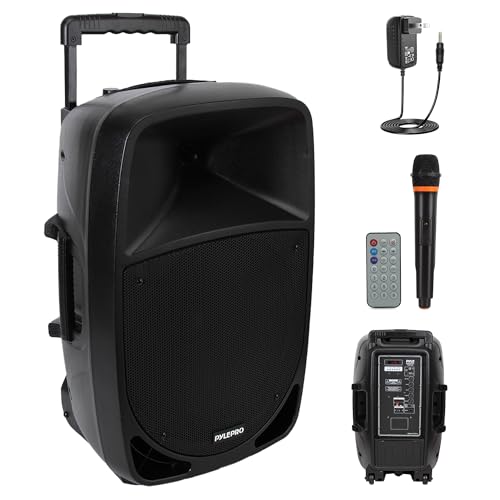
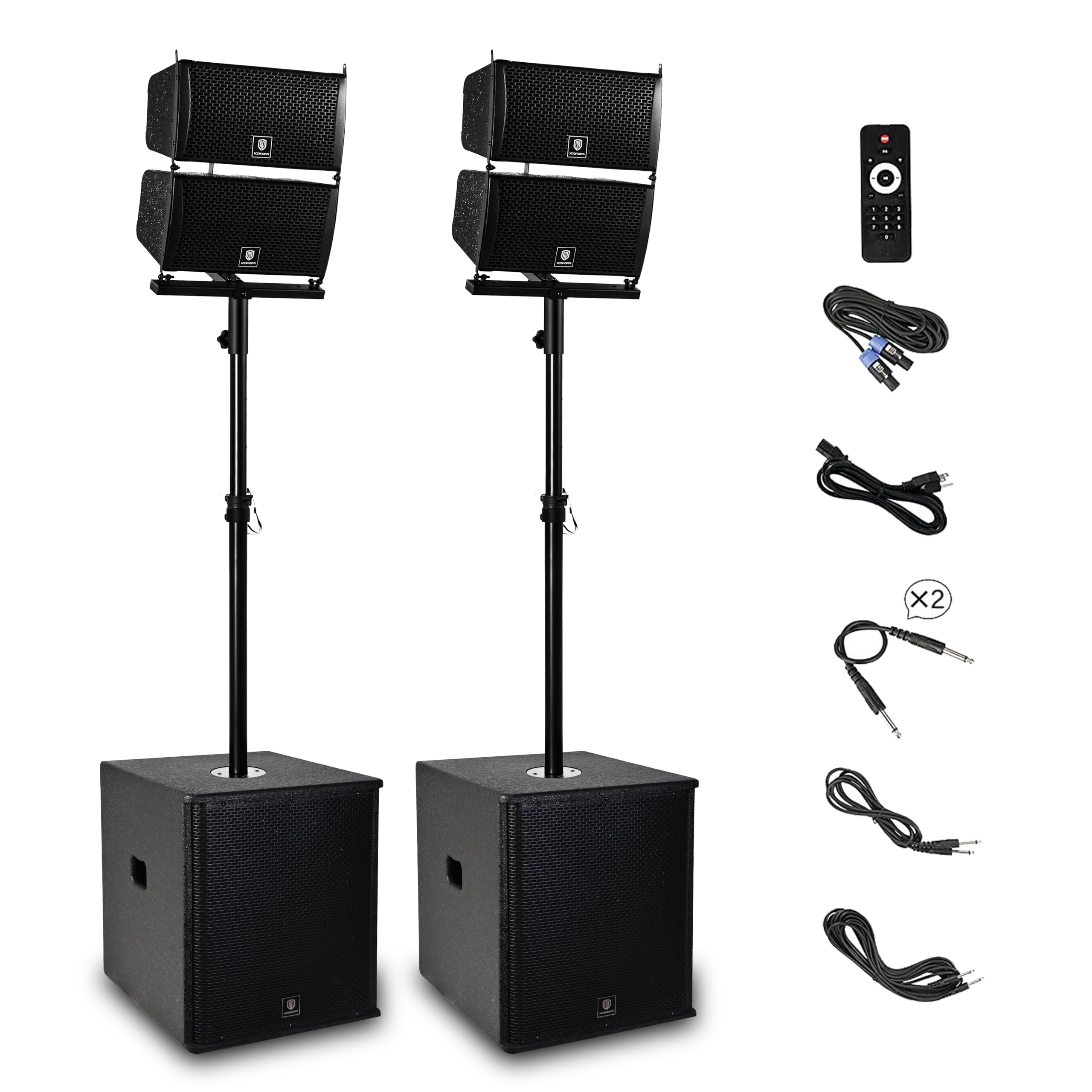
Bass Speakers 101: The Basics
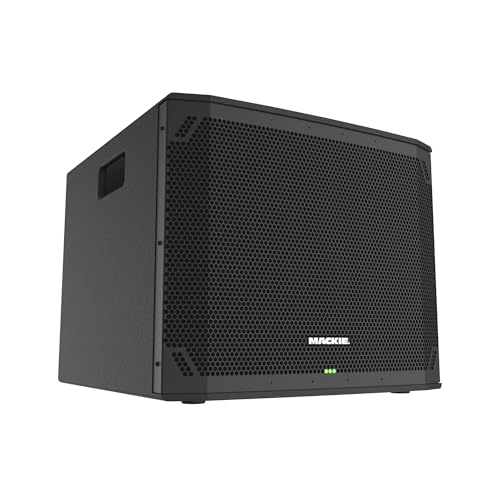
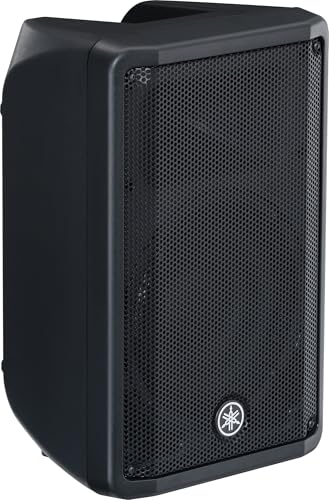
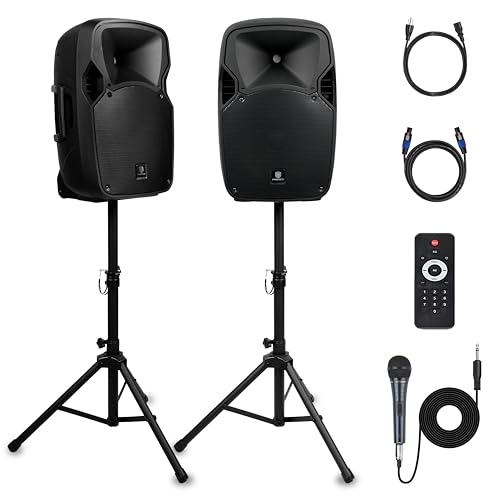
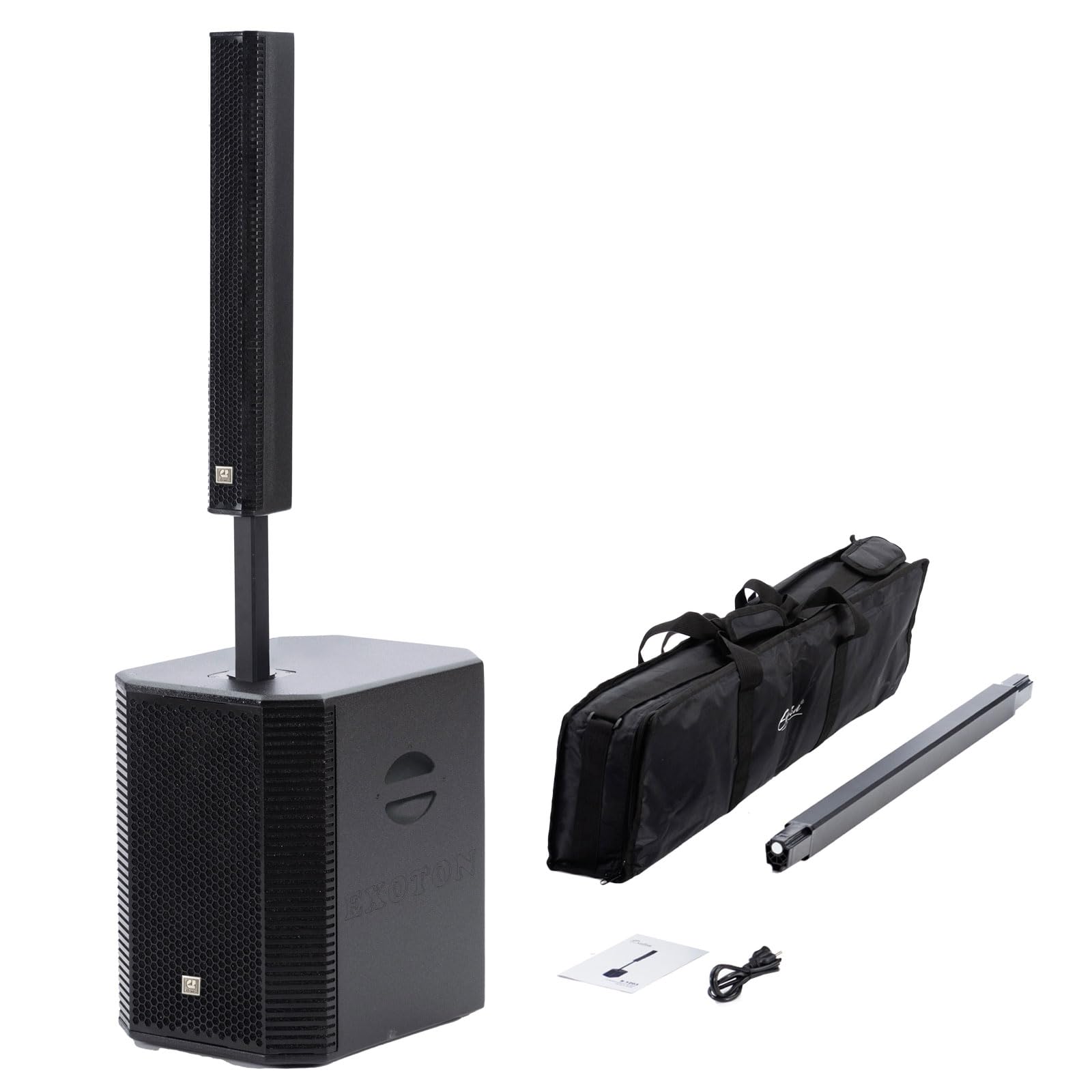
A DJ system splits the music between two jobs. Top speakers, usually with 10, 12, or 15 inch drivers plus a small horn, handle vocals, melodies, and most of what the crowd hears as detail. A subwoofer, a large speaker in its own box, handles only the lowest notes, roughly below 100 Hz, which is the part of the music people feel in their chest.
Bass speakers for DJ use almost always means that subwoofer, plus tops that can keep up with it. Low notes need far more power and cone movement than high notes, which is why a system without a subwoofer sounds thin when you raise the volume, no matter how loudly the tops play. A crossover is the traffic controller that sends lows to the subwoofer and everything else to the tops. Most powered subwoofers include one, so setup stays simple. Once you picture the system as tops for clarity and a subwoofer for weight, every spec that follows has a place to land.
Key Specs Explained in Plain English
Features That Matter for DJ
DJ work punishes speakers in ways home listening never does: long nights at high volume, constant transport, and rooms that change every weekend. Prioritize honest output figures, sturdy cabinets with proper handles, and inputs that match your controller or mixer, usually XLR or RCA connections. A subwoofer with a built in crossover and outputs for your tops saves buying a separate processor. Pole sockets on tops and a pole mount on the subwoofer keep your setup tidy and safe. Our guide to the best dj speakers shows how full systems come together once the bass side is sorted.
Sound Quality and Tuning
For DJ bass, tight and controlled beats loud and loose. A well tuned subwoofer starts and stops with the kick drum, so fast tracks stay punchy instead of smearing into one long rumble. Look at frequency response figures and treat the low number, such as 35 Hz or 40 Hz, as a guide to depth rather than a promise. Driver size matters less than design: a strong 15 inch subwoofer often plays cleaner than a weak 18 inch one. If a listing leads with a giant peak watt figure and hides the frequency range, read that as a warning sign and move on.
Noise Control and Isolation
Speakers do not offer noise cancellation, but placement gives you control over noise where it matters. Keep the subwoofer on the floor for maximum output, and avoid corners in small rooms if the bass turns boomy. In apartment practice setups, a foam isolation pad under a small subwoofer reduces vibration through the floor and keeps neighbors calmer. In the booth, position your monitor or tops so you hear the mix clearly at moderate volume, which protects your hearing over a long night. Clear hearing at lower volume is a genuine performance feature, since tired ears make poor mixing choices.
Battery Life and Charging
Most serious DJ systems plug into wall power, and for good reason: moving air for a crowd takes far more energy than a battery can supply for long. Battery powered speakers exist and suit ceremonies, cocktail hours, small garden parties, and busking, where outlets are scarce and volume stays modest. Expect a few hours of strong output rather than a full night, and expect bass to be the first thing the system limits as the battery drains. If your bookings include venues without power, treat a battery model as a specialist tool beside your main system, not as a replacement for it.
Weight, Handles, and Transport
You will move this gear more than you play it, so weight deserves the same respect as sound. A subwoofer in the range of about 50 to 80 lb is a realistic two hand lift for one person, and casters or a hand truck quickly become essential rather than optional. Check handle placement and whether the cabinet has feet and stacking points that keep it stable in a vehicle. Padded covers protect corners and grilles, and they cost little compared with a repair. Buy for the car, the stairs, and the loading door you actually have, not the ones you wish you had.
Rookie Mistakes to Avoid
- Buying tops only and expecting bass. Small tops cannot move enough air for dance floor lows, so the system sounds harsh when pushed. Budget for a subwoofer from the start.
- Chasing peak watts. Peak figures can be several times the continuous rating. Compare continuous or RMS power and maximum output in decibels instead.
- Oversizing for your rooms. A huge subwoofer in a small bar gets turned down, annoys staff, and still cost you money and carrying pain. Match the system to your largest regular venue, and rent extra for rare big nights.
- Ignoring cables and stands. A system without proper speaker stands, balanced cables, and a spare of each is not finished. Set aside part of the budget for these from day one.
- Running everything at maximum. Clipping, the harsh distortion from an overdriven mixer or amp, damages speakers faster than honest volume does. Leave headroom and watch your mixer meters.
Getting Started: Setup and First Use
Set up in this order and your first night will go smoothly. Place the subwoofer on the floor near the center of the dance floor edge when you can, since central placement evens out bass across the room. Mount the tops on stands at about head height, angled slightly toward the crowd, and keep them ahead of your DJ position to reduce feedback risk with a microphone.
Connect the mixer to the subwoofer first when it has a built in crossover, then run cables from the subwoofer outputs to the tops. Start with all gains low, play a track you know well, and raise levels slowly until the room feels full, then back off a touch. That small margin is your headroom for the loudest moment of the night. Store cables coiled loosely, keep firmware on any smart powered speakers updated through the maker app, and wipe grilles after events, because dust and drink splashes age finishes quickly. For smaller social events where a full rig is overkill, our guide to the best party speakers with bass covers simpler all in one options.
Frequently Asked Questions
What features matter most in bass speakers for dj use?
Honest output, a built in crossover, sturdy transport friendly construction, and inputs that match your mixer matter most. Together they decide whether the system fills your rooms cleanly for a whole night. One feature beginners underrate is a variable low pass control on the subwoofer, which lets you blend the subwoofer with different tops and rooms instead of accepting a fixed crossover point that may overlap or leave a gap.
What size subwoofer does a DJ need for a typical venue?
A single 15 inch or 18 inch powered subwoofer covers most weddings, bars, and halls up to a few hundred guests when paired with capable tops. Smaller rooms and crowds under about 100 people can sound great with a strong 12 inch model. Judge by the largest room you play monthly, not the largest you can imagine. Renting a second subwoofer for one huge annual event costs far less than owning and hauling it all year.
Powered or passive speakers: which is better for a first DJ setup?
Powered speakers are the easier first purchase for most DJs. The amplifier inside is matched to the drivers, protection limiters are built in, and setup is just signal cables and power cords. Passive systems with separate amps can scale and repair in pieces, but they ask more knowledge about power matching and add rack weight. Start powered, learn your rooms and your crowd sizes, and your second system, if you ever need one, will be a much smarter buy.
How loud does a DJ system need to be?
Loud enough that the dance floor feels energetic while guests at the back can still talk without shouting. In practice, a system that can deliver strong, clean output with headroom to spare beats a louder system running at its ragged edge. Watch for distortion rather than a number: if vocals turn harsh or the kick loses shape, you are past the clean limit. Turning down slightly and letting the subwoofer do the heavy lifting usually restores clarity at once.
Does a DJ need two subwoofers or is one enough?
One subwoofer is enough for most first systems, and placing it centrally gives smooth coverage for the dance floor. Two subwoofers add output and can even out bass in wide or awkward rooms, and stacking them together adds a useful boost. Splitting a pair far apart, though, can create zones where bass cancels or doubles. Until you need the extra output for larger crowds, spend the second subwoofer money on better tops, lighting, or backup gear.
How do I connect a subwoofer to my controller and tops?
Run balanced cables from your controller or mixer main outputs into the subwoofer inputs, then run cables from the subwoofer high pass outputs to your tops. Set the subwoofer crossover near 80 to 100 Hz as a starting point and adjust by ear with a familiar track. Keep signal cables away from power cables where you can, since crossing them at right angles reduces hum. Label both ends of every cable, and changeovers between DJs become calm instead of frantic. Our guide to the best bass speakers covers connection basics for other system types as well.
Our Verdict
Build your first system around a capable subwoofer, honest output figures, and gear you can move without dread. Tops give you clarity, the subwoofer gives you the feeling, and sensible levels keep both alive for years. Start with your regular venue sizes, compare your shortlist in the product table above, and the best bass speakers for dj work will stop feeling like a gamble and start feeling like a plan.