
Best Basketballs under 50 of 2026: Complete Buying Guide
Disclosure: We may earn a commission when you buy through links on this page, at no extra cost to you. As an Amazon Associate I earn from qualifying purchases. Learn more

Compare best basketballs under 50 by cover material, ball size and court surface, with clear notes on grip, air retention and what the price cap rules out.
A firm price limit changes what a basketball can be, and it helps to know where that limit bites before you shop. The best basketballs under 50 dollars are not simply cheaper versions of premium game balls, because the cap decides the cover material, and the cover decides where the ball belongs. This guide covers the price bands, the sizes set by league play, and the grip and air questions that separate a smart buy from a wasted one. The comparison table below gathers the current options in one place.
Start with the court you actually use. A ball that feels perfect on a polished gym floor can wear smooth in a single season on driveway concrete, so the surface you play on should drive every choice that follows.

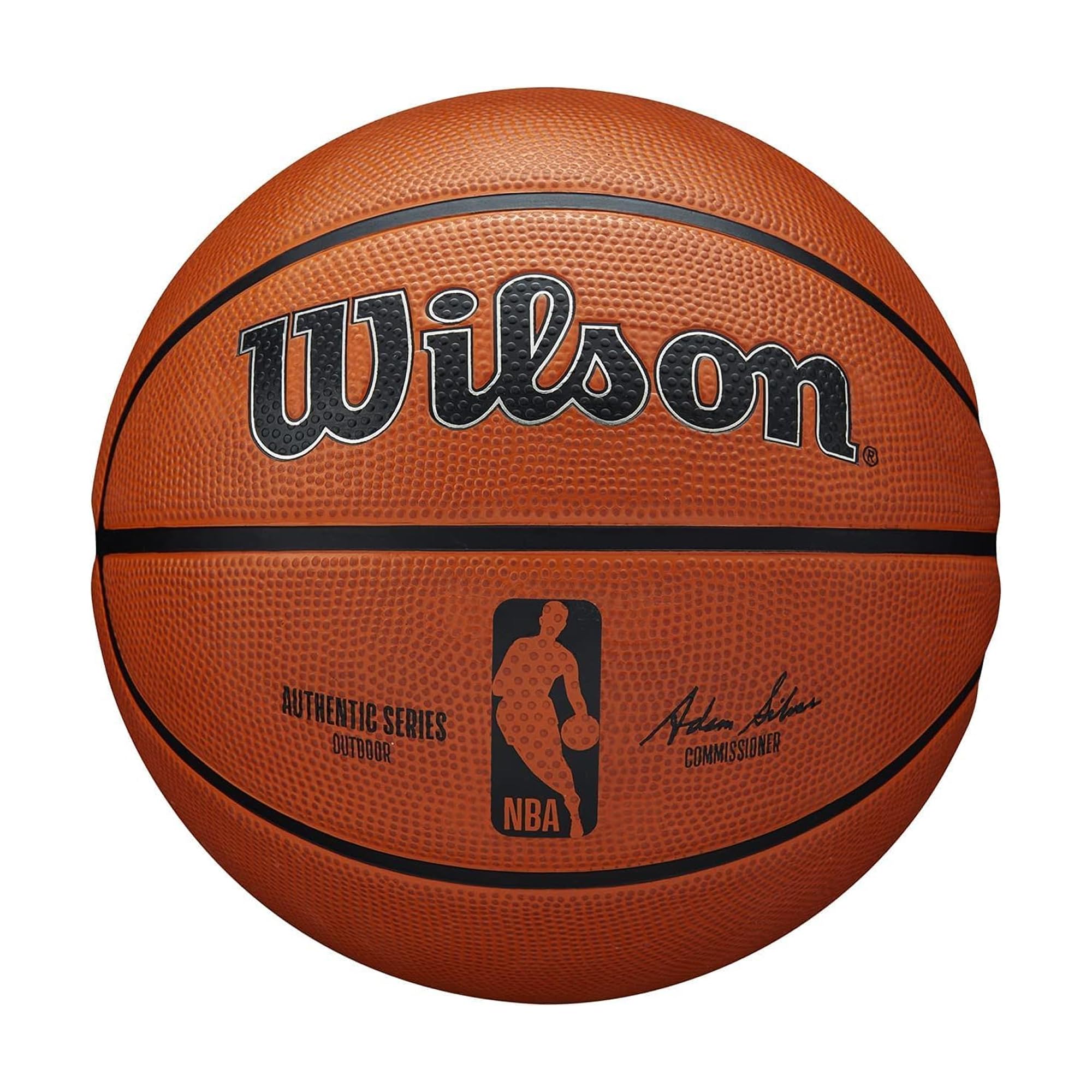
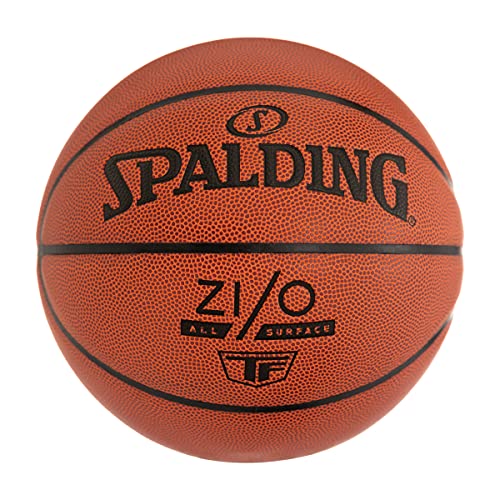


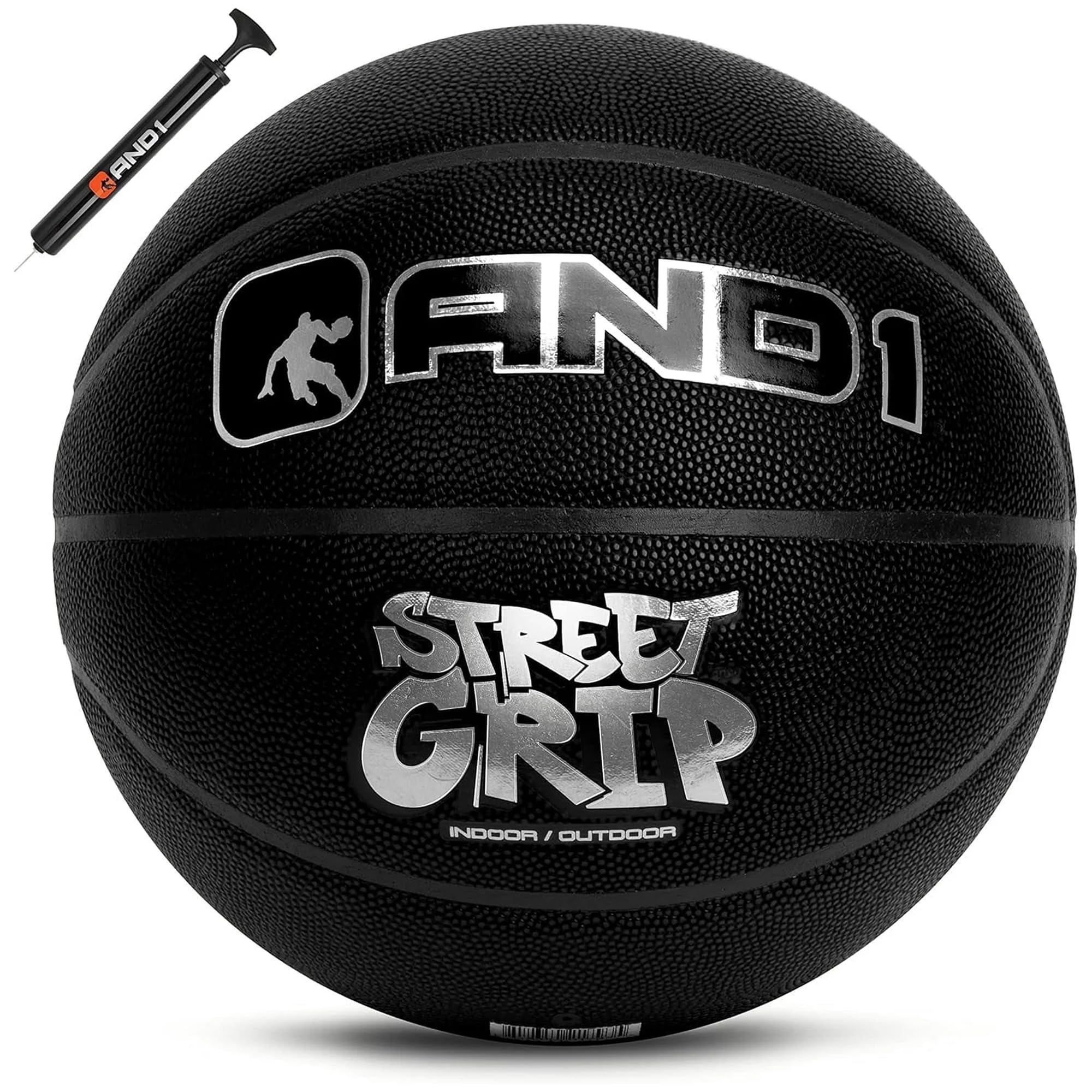


What the Cap Buys: Three Price Bands
At this price, the cap governs the cover before anything else. A rubber cover is the outdoor class, since it shrugs off rough concrete, dust, and moisture and keeps its grip when the court is less than clean. A composite cover is the indoor class, since it feels softer in the hand, holds a truer grip on clean hardwood, and wears down fast when dragged across asphalt. Decide your surface first and let the cover follow.
The Entry Band, Under $25
Balls in this band are almost always rubber, built for driveways, schoolyards, and park courts. Expect a deep channel design that stays grippy as the surface roughens, and expect the feel to be firm rather than cushioned. For a spare ball that lives in a car trunk or takes daily outdoor abuse, this band is honest value at around $15 to $25. Many players pair a ball from this band with low cost court footwear, and our guide to best basketball shoes under 50 shows what the same budget buys for your feet.
The Middle Band, About $25 to $40
This band buys tougher rubber and the first composite covers rated for both settings. A composite ball built for indoor and outdoor play gives a softer touch while still tolerating a paved court, though it will age faster outside than a pure rubber ball. Grip improves as well, with deeper channels and a more even pebble texture across the panel. For most casual players, this is the band where one ball can honestly serve a weekly gym run and a weekend driveway game.
The Top of the Cap, About $40 to $50
Near the cap you find game style composite covers that sit closer to an official game ball in feel. The touch is softer, the channels are deeper, and the bounce stays more consistent from panel to panel. The gain is control rather than toughness, because these covers still wear faster on rough concrete than rubber does. Spend here if most of your minutes are indoors.
How to Choose the Right Basketball
Comparing the best basketballs under 50 as a group comes down to five checks. Work through them in order and the right ball usually picks itself.
What You Can Realistically Expect
Under the cap, give up genuine leather and the advanced moisture control panels found on premium game balls. What you should never give up is a true round shape, an even bounce, and channels deep enough for your fingertips to settle into. A ball that fails those basics is not a bargain at any price.
Size Is Set by the League
Size is read from the league class, not from personal preference. Size 5, about 27 to 28 inches around, serves youth players roughly ages 9 to 11, and size 6, about 28 to 29 inches, is the standard for girls and women from age 12 up and for boys ages 12 to 14. Size 7, about 29 to 30 inches, is the full size for boys and men from age 15, and buying that league size keeps shooting form honest as skills grow.
Indoor Courts and Outdoor Concrete
Concrete eats covers, so the court surface should settle the material question on its own. A ball that lives outside belongs in rubber, since dust and grit grind a composite surface smooth within months. Indoor balls stay cleaner and keep their grip far longer, which is why a composite ball can feel new after a full season of gym use. If you split time between both, the outdoor hours set the lifespan.
Grip, Channels, and Feel
Grip comes from the channel depth and the pebble texture molded into the cover. Deep channels let your fingertips seat during a shot, which steadies release and backspin. A fine, even pebble grain keeps the ball from sliding when your palms sweat. Note that a brand new ball can feel slightly slick for the first few sessions, until handling and court dust break the surface in.
Air Retention and Bounce
Air retention governs the bounce more than any other single trait. A sound bladder and a well seated valve hold pressure for weeks, so the ball responds the same late in a game as it did in warmups. A ball that needs air before every session usually has a slow valve leak rather than a cover problem. Inflate to the pressure printed near the valve, commonly about 7 to 9 psi, then judge the bounce with a drop test: from shoulder height, a properly filled ball returns to about your waist.
Skill Level and Playing Frequency
New players benefit from a forgiving rubber or soft composite ball that stays grippy while they learn handling. Players who train several times a week should weight durability higher, since a worn smooth ball teaches bad habits. If you are building a full court kit on a budget, footwear matters as much as the ball, and our guide to best basketball shoes explains how court shoes differ by surface.
Types of Basketballs
Beginner Options
Beginner balls favor grip and forgiveness over fine touch. A rubber or basic composite cover in the middle band gives new players a ball that is easy to palm, easy to control, and cheap to replace.
Kids and Youth Options
Youth balls are smaller and lighter so young hands can shoot with real form instead of heaving the ball. A size 5 rubber ball suits driveway and schoolyard play, while a size 5 composite suits indoor leagues. Bright color panels are a genuine help at this level, since they make spin visible while a child learns.
Advanced and Performance Options
Performance options near the cap use game style composite covers with deeper channels and a softer touch. They serve players who train indoors and want practice to feel like competition. The honest limit is toughness, because these covers are the fastest to wear when they meet rough outdoor concrete.
Tips to Get the Most From Your Basketball
- Store the ball away from direct sun and trunk heat, which age the cover and can warp the shape over time.
- Wipe dust and grit off after outdoor play so the pebble grain keeps its bite on the next session.
- Check pressure before each session and add air with a moistened needle, which protects the valve from tearing.
- Keep the ball dry between sessions, since a damp cover stored in a closed bag turns slick and musty.
- Retire a ball from serious practice once smooth bald patches appear, and keep it as a casual shooting ball instead.
Frequently Asked Questions
Can you get a good basketball under $50?
Yes, you can get a genuinely good basketball under $50, as long as good means the right cover for your court, the correct league size, and a ball that holds air well. The cap removes genuine leather and the finest game ball touch, not everyday quality. One point the spec sheet cannot settle is grip feel, which is personal, so buy from a seller with easy returns and handle the ball at home first.
Does it matter whether a basketball is made for indoor or outdoor play?
Yes, it matters because the cover is built for one surface family or the other, and concrete quietly destroys indoor covers. If you play in both settings, keep one low cost rubber ball for concrete and save your better composite ball for the gym. That two ball habit costs less over a few seasons than replacing one worn out game style ball again and again.
How long does a basketball under $50 last?
A basketball under $50 usually lasts one to three seasons of regular play, with indoor composite balls at the long end and outdoor rubber balls at the short end. Frequency matters more than price, since daily concrete use can smooth a cover in one summer. Watch for bald patches that stay slick after cleaning, because that loss of texture is the real signal that the ball is done.
What size basketball should I buy for a child?
Buy the size your child league plays with, which is size 5 for most players ages 9 to 11 and size 6 for many players ages 12 to 14. If a child falls between sizes, keep the smaller ball while shooting form is still forming. An oversized ball teaches a pushing motion from the chest, and that habit is far harder to fix later than a simple size upgrade.
Is a premium basketball worth it for a beginner?
Usually not, because a beginner cannot yet feel the fine touch differences that the top of the cap buys. Your money does more work elsewhere at this stage, such as a second ball for outdoor play or better court shoes. Move up to a game style composite once your form is settled and most of your play happens indoors.
The Bottom Line
Match the cover to your court, buy the size your league plays, and judge the bounce by how well the ball holds air. Do those three things and the best basketballs under 50 will serve you well across seasons of regular play. Look back at the product table above to compare the bands side by side before you order.


