
Best Battery Mountain Bike for Every Need: How to Pick the Right One for 2026
Disclosure: We may earn a commission when you buy through links on this page, at no extra cost to you. As an Amazon Associate I earn from qualifying purchases. Learn more

Discover the best battery mountain bike for your needs. We match features to real use cases so you avoid overpaying and get the right fit the first time.
There is no single model that suits every rider, trail, and budget. A bike that feels perfect for smooth forest paths can feel slow and heavy on steep rocky climbs, while a powerful bike built for rough descents may be far more than you need for weekend rides. Choosing a best battery mountain bike starts with your own rides, not with the longest spec list.
This guide sorts riders by use case first, then explains the features that matter for each one. Use the product table to see how battery size, motor type, and frame style line up, then read on to match those details to the way you actually ride.
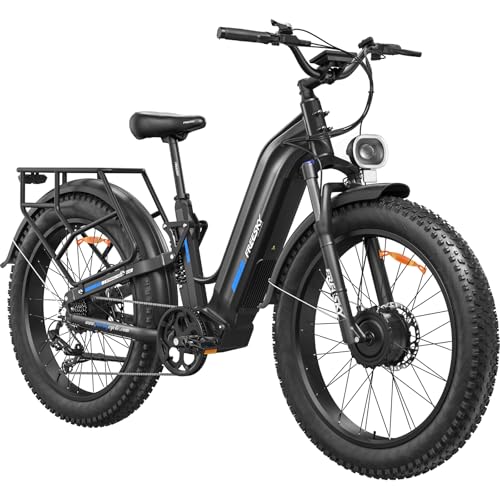

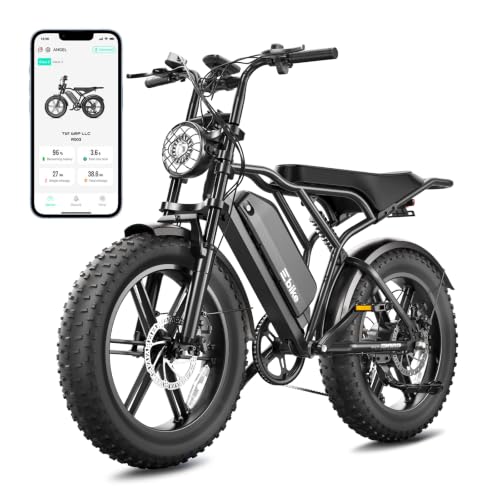
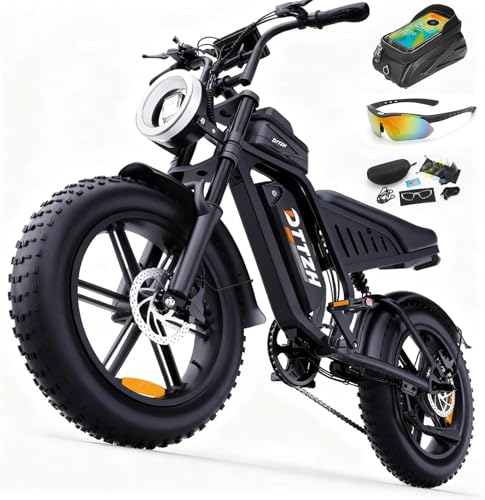
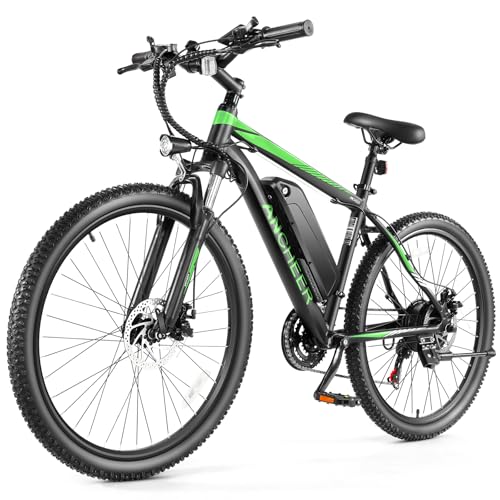
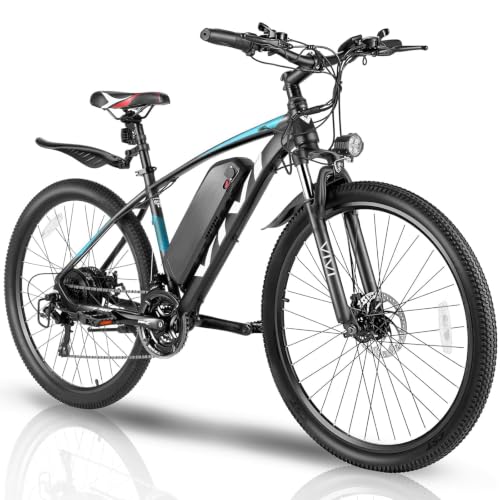


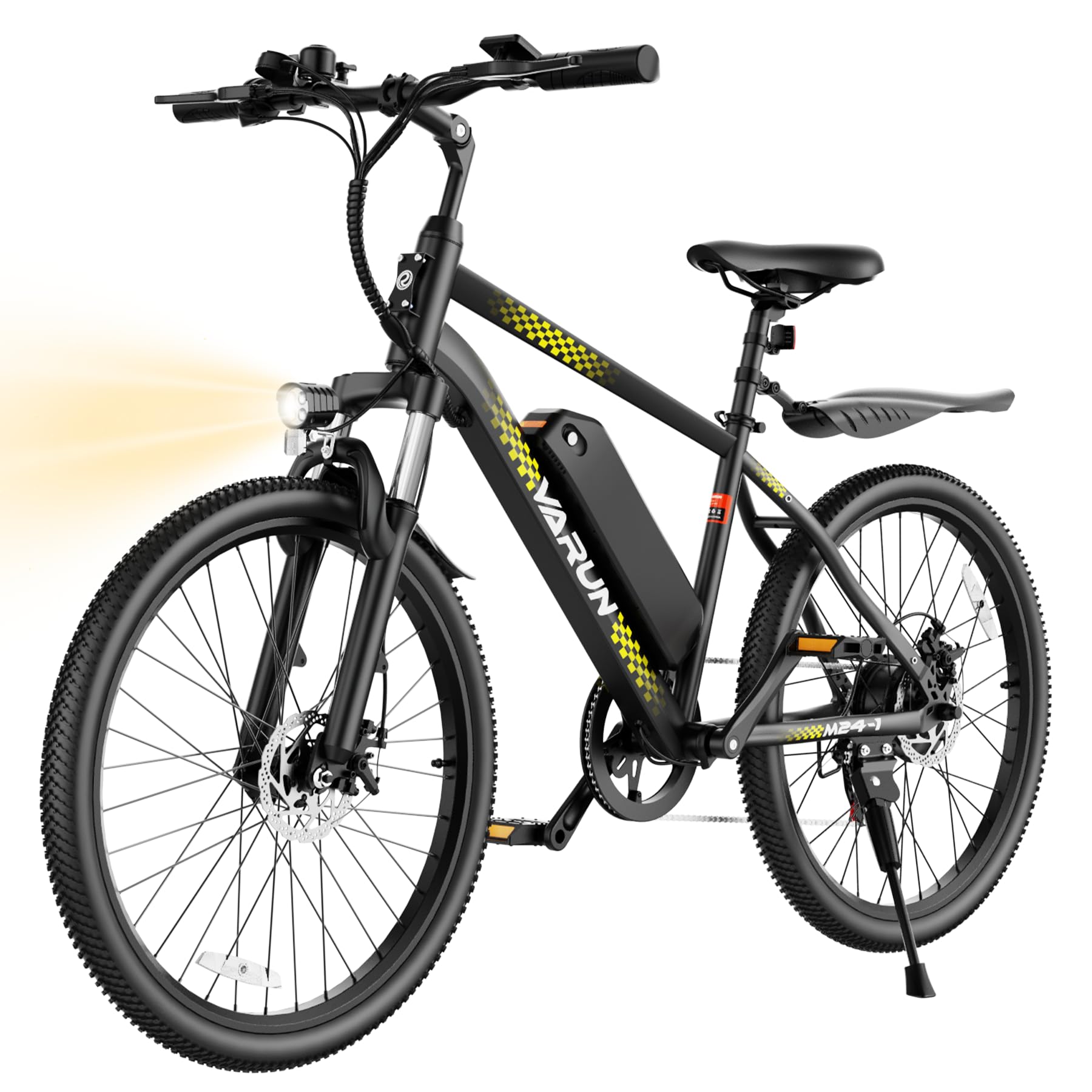
Who Should Buy Which Battery Mountain Bikes?
Riders tend to fall into a few clear groups, and each group values different things. A daily trail rider cares about durability and service support. A rider with a small apartment cares about weight and storage. Finding your group first keeps you from paying for power or travel you will never use, and it points you toward the right battery size and frame from the start.
For Frequent or Serious Users
If you ride several times a week or tackle long climbs, prioritize a larger Wh battery, a mid drive motor, and hydraulic disc brakes that stay consistent on long descents. A mid drive motor uses the bike gears to help on steep ground, so it climbs more efficiently than a basic hub motor. Look for a strong warranty on the motor and battery, replaceable parts, and a drivetrain built for frequent shifting under load. Durability matters more than saving a little weight, because worn parts and a fading battery will cost you more over two or three seasons than a stronger build costs today.
For Small Spaces and Easy Storage
If you store your bike in an apartment, a hallway, or a car trunk, size and weight shape your whole decision. A lighter hardtail with a removable battery is far easier to carry up stairs and charge indoors. Measure your storage spot and your doorway before you shop, and check the total bike weight with the battery fitted, since listings sometimes quote weight without it. A removable battery also helps in cold weather, because you can store the battery indoors at room temperature while the frame stays in a garage. Compact geometry and narrower bars make tight turns in hallways and elevators much simpler.
For Bad Weather and Tough Conditions
Wet trails, mud, and grit punish weak seals and cheap bearings. Look for a battery and motor with a solid water resistance rating, sealed cable ports, and tires with real tread that clear mud instead of packing up. Tubeless tires help here because you can run slightly lower pressure for grip and the sealant closes small punctures from thorns and sharp stones. Choose hydraulic disc brakes over mechanical ones for wet riding, since they keep strong stopping power when rims and rotors are soaked. After wet rides, dry the chain, wipe the battery contacts, and store the bike where air can circulate.
For Weekend Beginners
If you ride once a week on easy trails, you need comfort and simple controls more than maximum power. A hardtail with a moderate battery, a single chainring drivetrain, and an upright position is easy to learn on and costs less to maintain. Simple gearing means fewer mistakes on climbs, and a smaller battery keeps the bike lighter and easier to handle at low speed. Spend part of your budget on a good helmet, gloves, and a basic repair kit instead of stretching for the biggest battery. You can always ride more often later and upgrade parts as your skills grow.
Key Features to Compare
Once you know your rider group, compare the features below in that order. Start with bike type and fit, because no battery can fix a bike that feels wrong. Then look at gearing and components. If you are still comparing styles, see our guide to the best battery powered mountain bike for a closer look at how powered models differ by price tier.
Bike Type and Riding Style
Bike type decides how the bike behaves before the motor even starts. Cross country bikes are light and efficient for smooth trails and long distances. Trail bikes balance climbing and descending and suit most riders best. Enduro bikes add travel and slacker angles for rough descents, but they weigh more and need more battery on climbs. Think about your real trails: if most of your riding is on gravel paths and gentle singletrack, a trail hardtail will feel lively and simple. Riders who also commute during the week should note that a commuter e bike setup with lights and a rack rarely matches a true mountain bike on rough ground, so choose based on your main use.
Frame Material and Geometry
Aluminum frames offer the best balance of strength, weight, and price for most riders, and they handle trail knocks well. Carbon frames are lighter and can feel smoother, but they cost more and need careful checks after a hard crash. Steel is tough and comfortable but heavy, which matters when a battery and motor already add weight. Geometry shapes handling: a slacker head angle feels stable at speed and on descents, while a steeper angle steers faster on tight flat trails. Reach, the horizontal distance from the bottom bracket to the head tube, affects how roomy the bike feels when you stand on the pedals.
Drivetrain and Gearing
A 1x drivetrain uses one chainring at the front and a wide range cassette at the back. It is simple, quiet, and less likely to drop the chain on rough ground, which is why most modern mountain bikes use it. A 2x setup gives smaller steps between gears and can suit riders who mix road and trail, but it adds a front shifter and more parts to maintain. For battery bikes, wide low gearing matters because it lets the mid drive motor work efficiently on steep climbs instead of straining. Check that the lowest gear feels easy enough for your steepest regular hill.
Sizing and Fit
Correct frame size matters more than any single component. Use the maker height chart as a start, then check standover height: you should be able to stand over the top tube with a little clearance. Reach should let you bend your elbows slightly while holding the bars, without feeling stretched or cramped. If you fall between sizes, riders who like calm handling often size up, while riders who like quick steering often size down. A short test ride tells you more than any chart, so try to sit on the bike and ride around a parking area before you commit.
Common Mistakes to Avoid When Buying Battery Mountain Bikes
- Choosing by price alone: the cheapest bike often has a small battery, weak brakes, and parts that wear fast, so the savings disappear in repairs.
- Ignoring bike type and riding style: an enduro bike on flat paths feels sluggish, and a light cross country bike on rocky descents feels nervous and harsh.
- Buying the wrong size: a frame that is too large strains your back and wrists, while one that is too small feels twitchy and cramped on climbs.
- Skipping the warranty check: battery and motor coverage varies a lot, so confirm how many years are covered and where service is done.
- Forgetting the total weight: a heavy bike is hard to lift onto a car rack or carry up stairs, no matter how strong the motor is.
Tips to Get the Most From Your Battery Mountain Bike
Check tire pressure before every ride, because soft tires waste battery and risk pinch damage on rocks, while very hard tires lose grip on loose ground. Clean and lube the chain every 100 to 200 miles, and sooner after wet or dusty rides, to protect the drivetrain from fast wear under motor power. Charge the battery indoors, let it cool after a ride before charging, and avoid storing it fully charged or fully empty for long periods. Have a professional tune up yearly to check brake pads, spokes, and firmware. Riders new to the sport can also read our overview of the best bike for mountain biking to build basic trail skills alongside bike care.
Frequently Asked Questions
How much should I spend on my first bike?
Most first time riders do well in the middle price range, around $1,500 to $3,000. In that range you usually get a battery large enough for two to three hour rides, hydraulic brakes, and a drivetrain that shifts cleanly under power. Spending less often means a small battery and heavy frame. Spending more mainly buys lighter parts and more suspension travel, which beginners rarely need on easy trails.
How far can an e bike go on one charge?
Range depends on battery size, rider weight, terrain, and assist level more than on any single rating. A mid size battery of about 500 Wh often covers about 25 to 45 miles of mixed trail riding. Low assist, smooth paths, and steady pedaling stretch range, while steep climbs, soft tires, and high assist drain it fast. Plan your route with a margin so you are not pushing a heavy bike home with a flat battery.
Hardtail or full suspension for beginners?
A hardtail is usually the smarter first choice for beginners on smooth to moderate trails. It costs less, weighs less, and has fewer moving parts to service, and it teaches clean line choice. Full suspension helps when your trails are rocky, rooty, or steep, because the rear wheel tracks the ground and keeps traction. If your local trails are rough, the comfort and control of full suspension can be worth the higher price and extra care.
What e bike class is legal where I live?
Rules vary by state, park, and trail system, so check before you ride. Many areas use a three class system based on top assisted speed and whether the bike has a throttle. Some trails allow only pedal assist bikes, and some land managers ban motor assisted bikes entirely. Look up your state rules and the specific trail network rules, and check signs at the trailhead. When in doubt, ask the local land manager or bike shop for current guidance.
What size bike do I need?
Start with your height and inseam, then match them to the maker size chart for that exact model, since sizing differs between brands. You want a little standover clearance, a reach that lets your elbows stay bent, and a saddle height that leaves a slight bend in your knee at the bottom of the pedal stroke. If you are between sizes, think about handling: larger feels calmer, smaller feels quicker. A proper fit also reduces hand numbness and lower back strain on long rides.
The Bottom Line
Start with your rider group, then get the fit and bike type right, then choose battery size and gearing to match your trails. That order keeps you from overpaying for power you do not need or struggling with a frame that does not suit your ground. Compare your short list in the product table, and explore related styles in our guide to the best all mountain mountain bike and our roundup of the best mtb mountain bike if your trails mix climbing and descending. The right best battery mountain bike is the one that fits your body, your trails, and your storage space all at once.


