
Best Battery Powered Mountain Bike 2026: Motor, Battery and Frame Guide
Disclosure: We may earn a commission when you buy through links on this page, at no extra cost to you. As an Amazon Associate I earn from qualifying purchases. Learn more

Best battery powered mountain bike: compare motor, battery range, suspension and brakes before you buy.
An electric mountain bike adds a battery and motor to a trail frame, so climbs feel shorter and longer rides become realistic. The best battery powered mountain bike is not simply the one with the biggest motor. Frame style, suspension, battery size, brake quality and the legal class of the bike all affect how it rides and where you can use it.
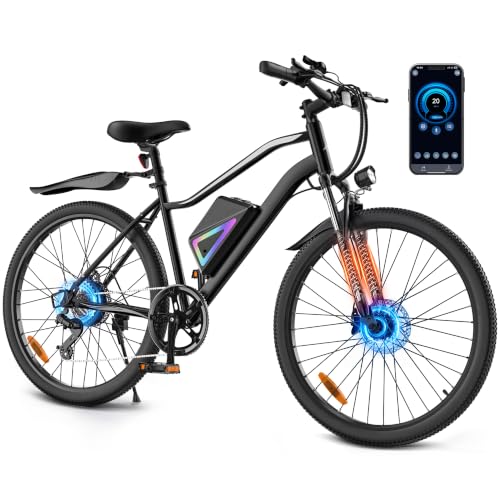
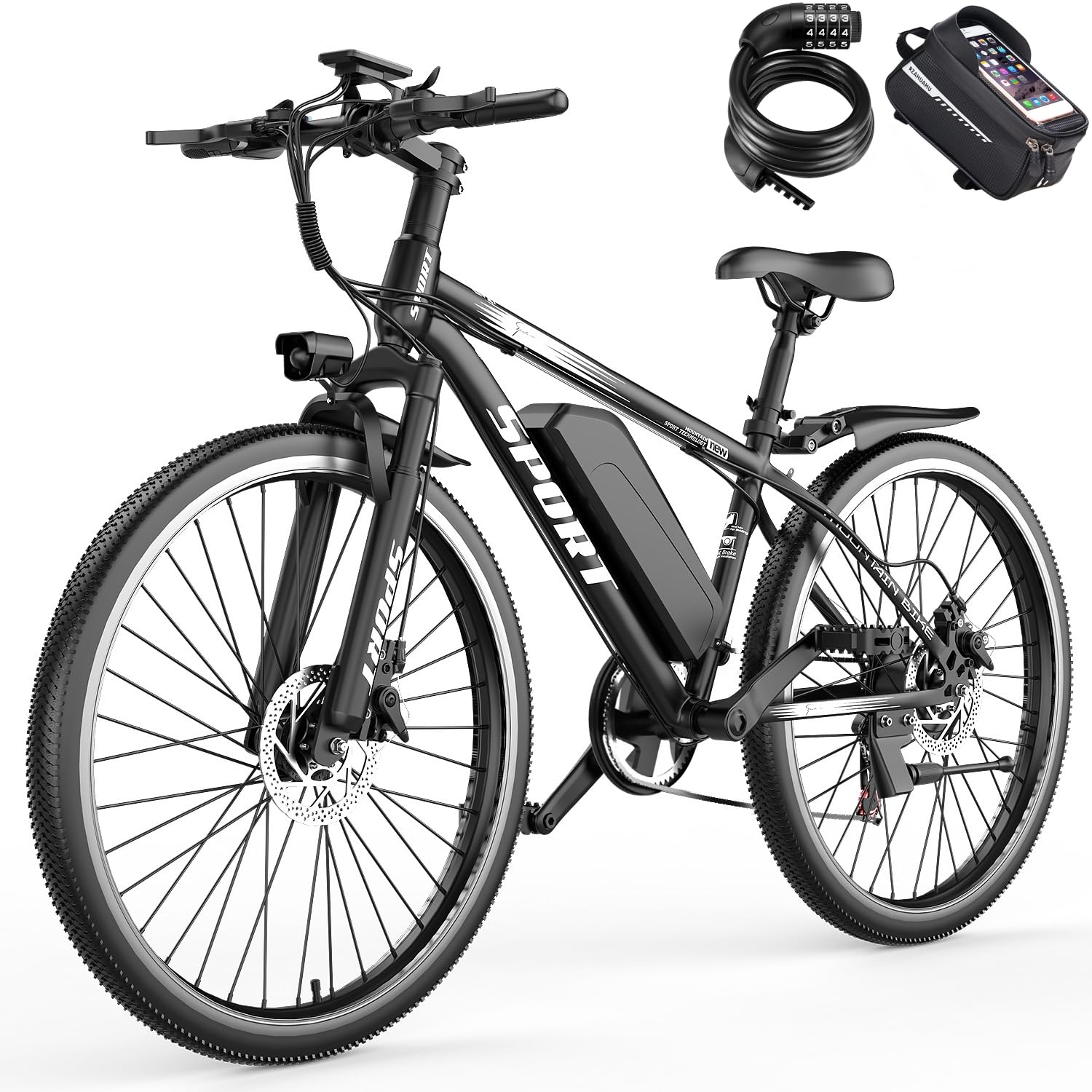
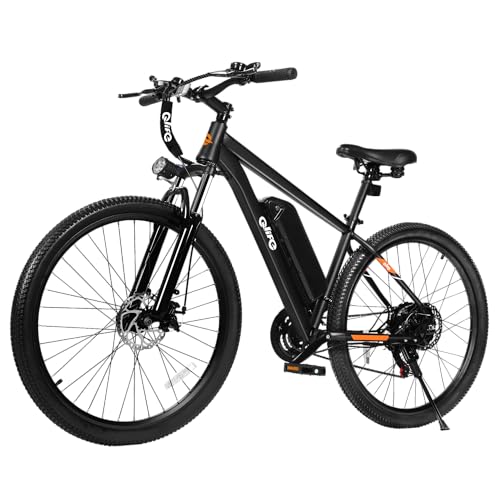
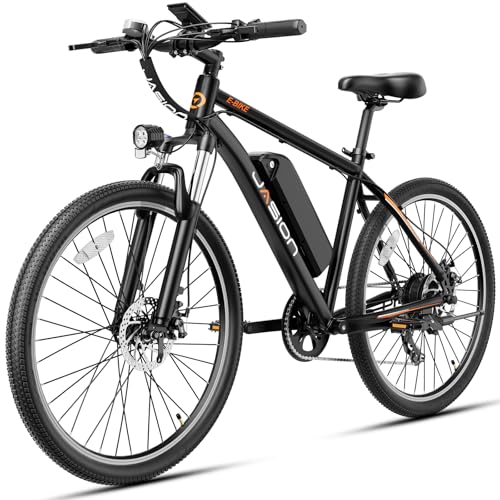
The product table above lists electric mountain bikes at different price levels. This guide explains what each spec means and how to match an e-bike to your terrain and budget. Use these checks whenever you compare the best battery powered mountain bike options in the table.

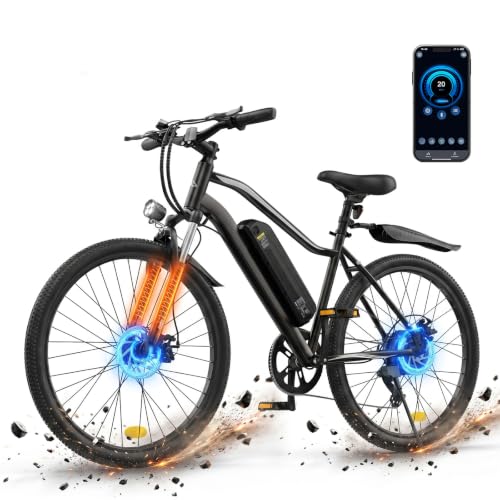
How Electric Mountain Bikes Work
A motor, either in the rear hub or mounted at the pedals, assists your pedaling. A lithium battery stores the energy, and a controller adjusts the assist level. Pedal assist models add power only while you pedal. Some bikes also have a throttle. Because the motor helps on climbs, you arrive at the descent with more energy, which is why many riders cover far more distance on an e-bike.
Motor Types
Hub motors
Mounted in the rear or front wheel, hub motors are common on lower priced bikes. They are simple and cost less, but add weight to the wheel and can feel less natural on technical trails.
Mid drive motors
Placed at the cranks, these use the bike's gears and give better balance and climbing. They cost more and are typically found on higher priced models.
Key Specs to Compare
Battery capacity and range
Capacity is shown in watt hours (Wh). A 400 to 500 Wh battery supports roughly 20 to 40 miles of mixed riding, depending on terrain, rider weight and assist level. Manufacturer range claims assume ideal conditions, so expect less on steep trails. A removable battery is easier to charge and replace.
Motor power
Many bikes list 500 to 1,000 watts or more. Compare torque in Newton meters for climbing ability. Peak watt claims are not the same as continuous power.
Suspension
Hardtail bikes have front suspension only and cost less. Full suspension bikes cushion both wheels, improving comfort and control on rough trails but adding cost and weight. For gravel and light trails, a front suspension fork is often enough.
Brakes
Hydraulic disc brakes give more consistent stopping than mechanical discs, especially on long descents with the extra weight of an e-bike. Look for 160 mm or larger rotors.
Tires and frame
Wider tires, from 2.2 to 4 inches, add grip and comfort. An aluminum frame is lighter and cheaper than steel and suits most riders. Check the frame size chart against your height.
Legal Classes and Where You Can Ride
In the United States, many states use three classes. Class 1 is pedal assist up to 20 miles per hour. Class 2 adds a throttle up to 20 miles per hour. Class 3 is pedal assist up to 28 miles per hour. Trail access varies by land manager, and some trails prohibit motors altogether. Check local rules before you ride.
Budget Tiers
Entry level e-bikes with hub motors and mechanical brakes start at a few hundred dollars and are fine for paths and light off road riding. Mid priced bikes, often $1,000 to $2,000, add better components. Premium mountain e-bikes with mid drive motors and full suspension cost considerably more. Beware of very low prices with vague specifications, since battery quality and after sale support vary widely.
Safety and Maintenance
Wear a helmet, gloves and eye protection, and consider knee pads on technical trails. Inspect brakes, tires and bolts before each ride. Charge the battery with the supplied charger, keep it away from heat and store it indoors in winter. Check that the battery and charger meet recognized safety standards, and never charge unattended overnight in a living space. Clean the drivetrain regularly, since mud and grit wear out chains quickly.
Common Mistakes to Avoid
- Buying only for peak watts and ignoring brakes and frame quality.
- Choosing the wrong frame size.
- Expecting advertised range on steep terrain.
- Ignoring local rules on where you can ride.
- Assembling the bike without checking every bolt and brake.
Frequently Asked Questions
How far can an electric mountain bike go?
Usually 20 to 40 miles on a typical battery, less on steep trails or at high assist levels.
Do I need a license?
In most states, no license is required for standard e-bikes, but rules vary. Check local laws.
How long does the battery last over the years?
Many batteries last several hundred charge cycles, with gradual capacity loss.
Is a full suspension bike worth it?
If you ride rough, rocky trails often, yes. For smooth trails and paths, a hardtail is enough.
Fit, Assembly and Weight
Most e-bikes weigh between forty and sixty pounds, which is much more than a standard mountain bike. That affects lifting the bike onto a rack, carrying it up stairs and handling it on tight turns. Check the stated weight, and think about how you will store and transport it. Many online bikes arrive partly assembled, so you need a basic tool kit and the patience to follow the manual. If you are unsure, a local bike shop can complete assembly and check the brakes and gears for a fee.
Fit matters just as much as power. Use the maker's size chart, which links your height to a frame size. Stand over the bike with your feet flat on the ground and check for a couple of inches of clearance. Adjust the saddle height so that your knee has a slight bend at the bottom of the pedal stroke.
Useful Accessories
- A quality helmet rated for cycling, and gloves for grip and protection.
- A sturdy lock, since e-bikes attract thieves.
- A frame bag or small pack for tools, a spare tube and a pump.
- Fenders and lights if you ride on roads or at dusk.
- A rack or hitch carrier rated for the weight of an e-bike.
Final Thoughts
Match the bike to your terrain, check battery capacity and brake quality, and confirm the rules where you plan to ride. The best battery powered mountain bike makes trails more accessible without making the ride feel out of control. Compare the models in the product table, and see the guide to the best battery mountain bike for a related look.


